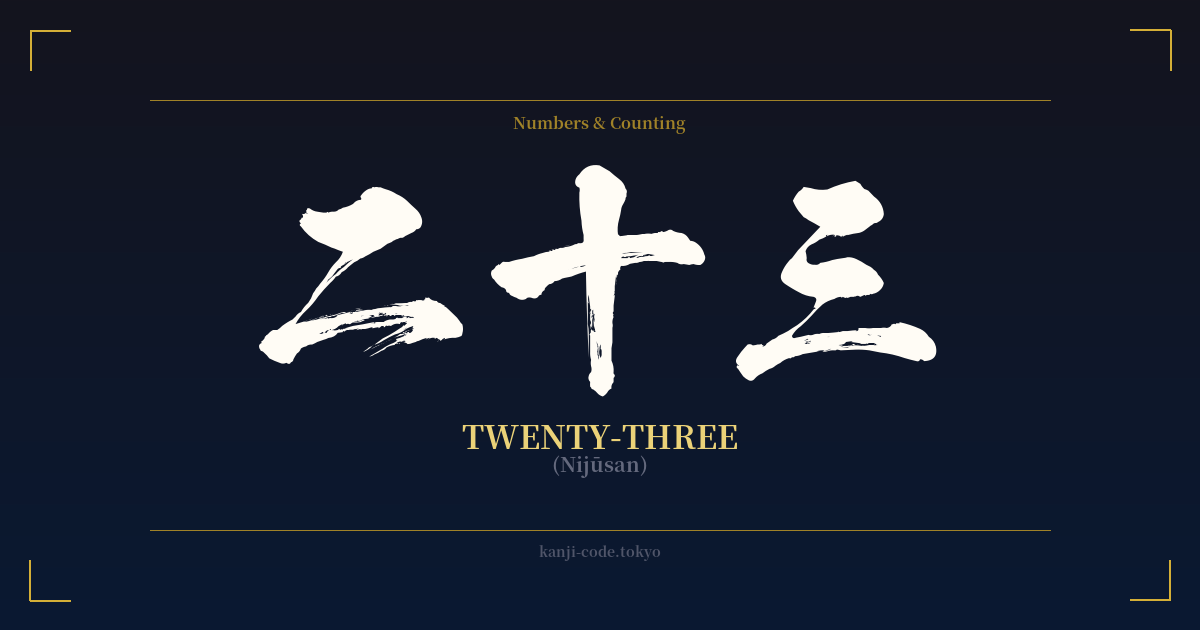
✍️ 二十三 (Nijūsan) — Cultural Context
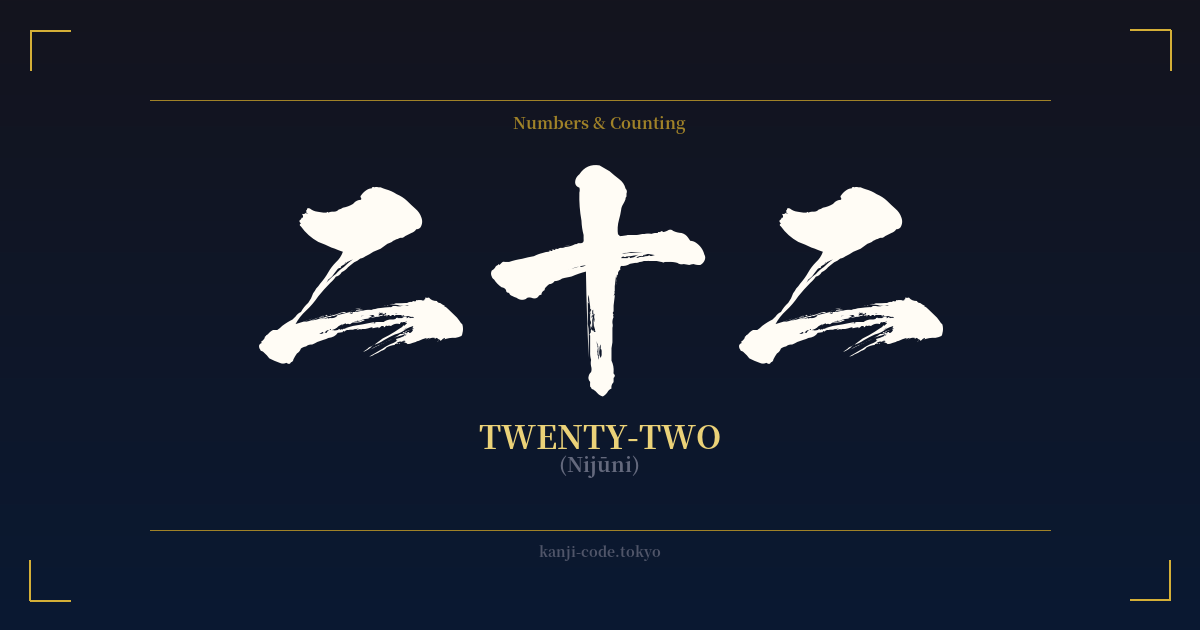
The Japanese word for twenty-three, 二十三 (Nijūsan), is a perfect example of the logical and straightforward nature of the Sino-Japanese numbering system. It is constructed literally, combining the characters for 'two' (二), 'ten' (十), and 'three' (三). This translates directly to "two-tens-three," a beautifully simple formula that forms the basis for counting throughout East Asia.
Unlike numbers such as four (四), which is associated with death due to its similar pronunciation (shi), or seven (七), which holds cultural significance, the number twenty-three does not carry strong inherent symbolism or superstition in Japan. It is a neutral number, free from the baggage of good or bad luck that shadows other digits. This neutrality can be appealing, offering a blank canvas for personal meaning.
Perhaps the most significant modern cultural association for 23 in Japan, as in the rest of the world, is with the legendary basketball player Michael Jordan. His jersey number 23 is an icon of greatness, perseverance, and unparalleled skill. Many Japanese fans of the NBA and basketball in general revere this number for its connection to him. A tattoo of 二十三 could therefore be a tribute to this sporting hero.
In Japanese culture, the age of 23 is also a significant milestone. For many, it marks the year they graduate from university and enter the workforce as a 新社会人 (shin shakaijin), or a 'new member of society.' This is a pivotal transition from the structured world of education to the responsibilities of a career and adult life. For some, the number could symbolize this important coming-of-age moment.
Another interesting aspect is goroawase, or numerical wordplay, where numbers can be read as words. The sequence 2-3 can be read as 'ni-san', which is a homophone for 日産 (Nissan), the car company, or a casual way to say 兄さん (niisan), meaning 'older brother.' While not a primary meaning, it adds a subtle layer of potential wordplay that is common in Japanese daily life.
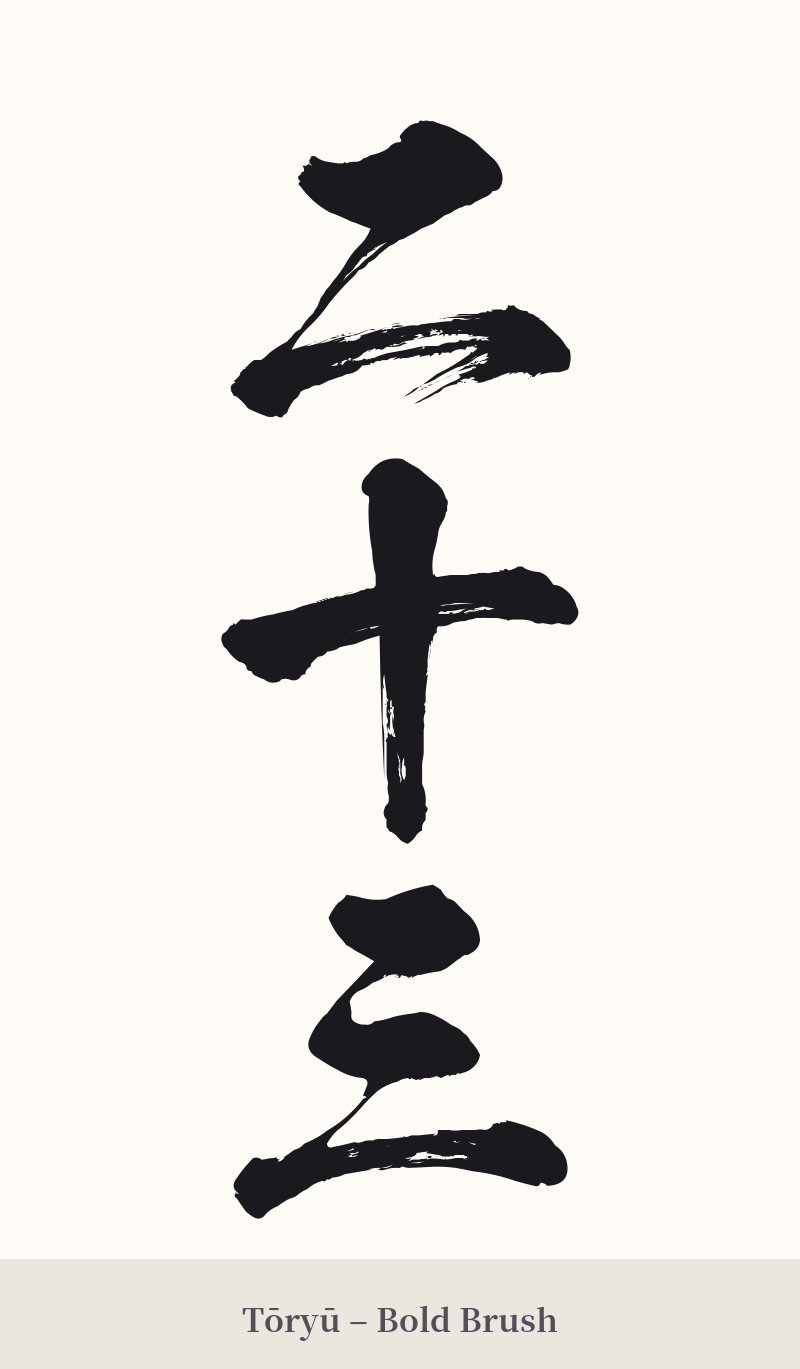
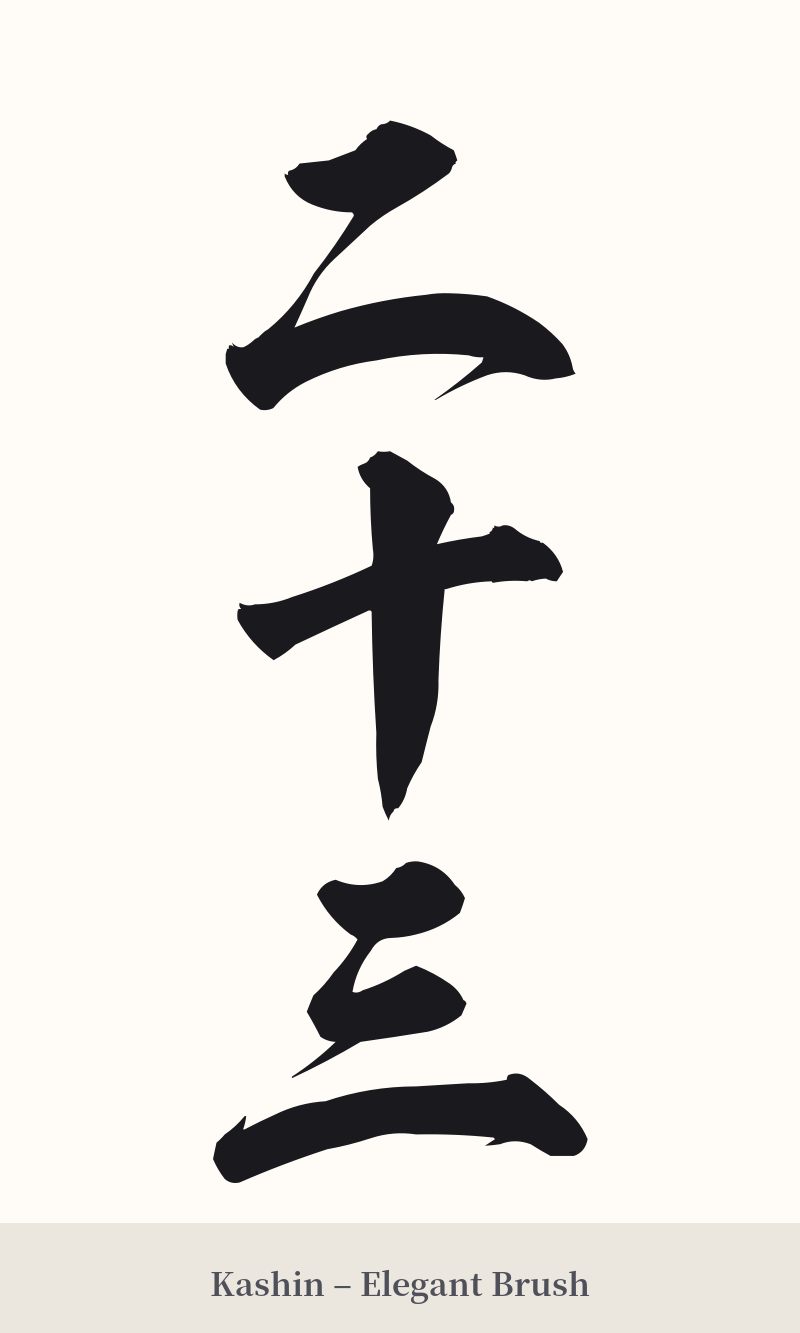
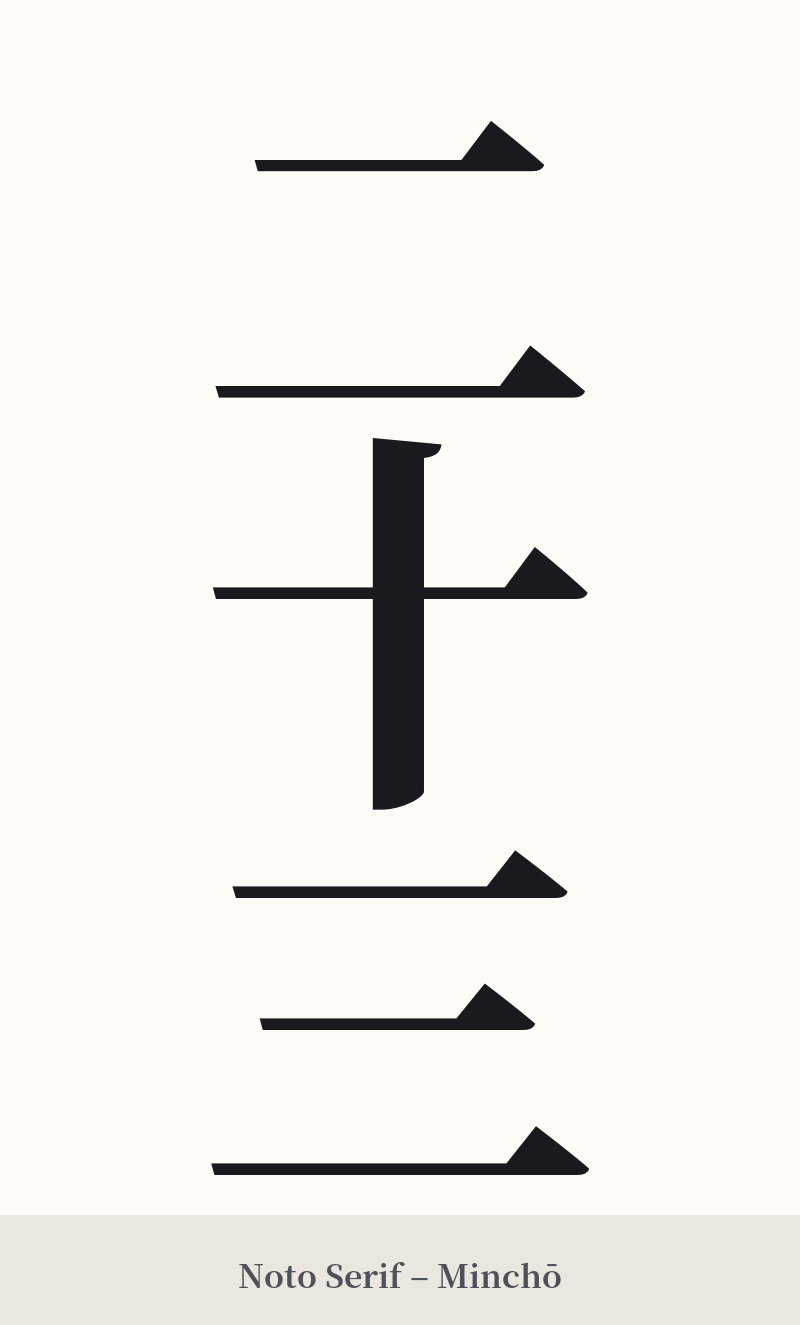
🖌️ Font Styles for 二十三
The same kanji can look dramatically different depending on the calligraphy style. Choose a font that matches the mood you want for your tattoo or design.
🎨 Tattoo Suitability
📐 Tattoo Design Guide
For a tattoo of 二十三, the composition is key to elevating its simple characters. Given its multi-character nature, a vertical alignment is highly recommended, as it follows traditional Japanese writing conventions and creates an elegant, flowing design.
– Placement: A vertical design works well on the forearm, along the spine, on the back of the calf, or behind the ear for a more subtle look. A horizontal layout can also work on the chest or upper back.
– Font Style: The choice of font dramatically changes the feel. A dynamic, flowing calligraphy script (書道, shodō) can give the simple characters a sense of artistry and movement. Conversely, a clean, crisp Mincho or Gothic font will emphasize its minimalist, modern, and geometric qualities.
– Visual Tips: Because the meaning is purely numerical, consider incorporating a small, related visual element that hints at its personal significance. This could be a tiny basketball, a specific date written in numerals, or a symbol representing the person or event the number honors. This adds context and transforms it from a simple number into a visual story.
Comments