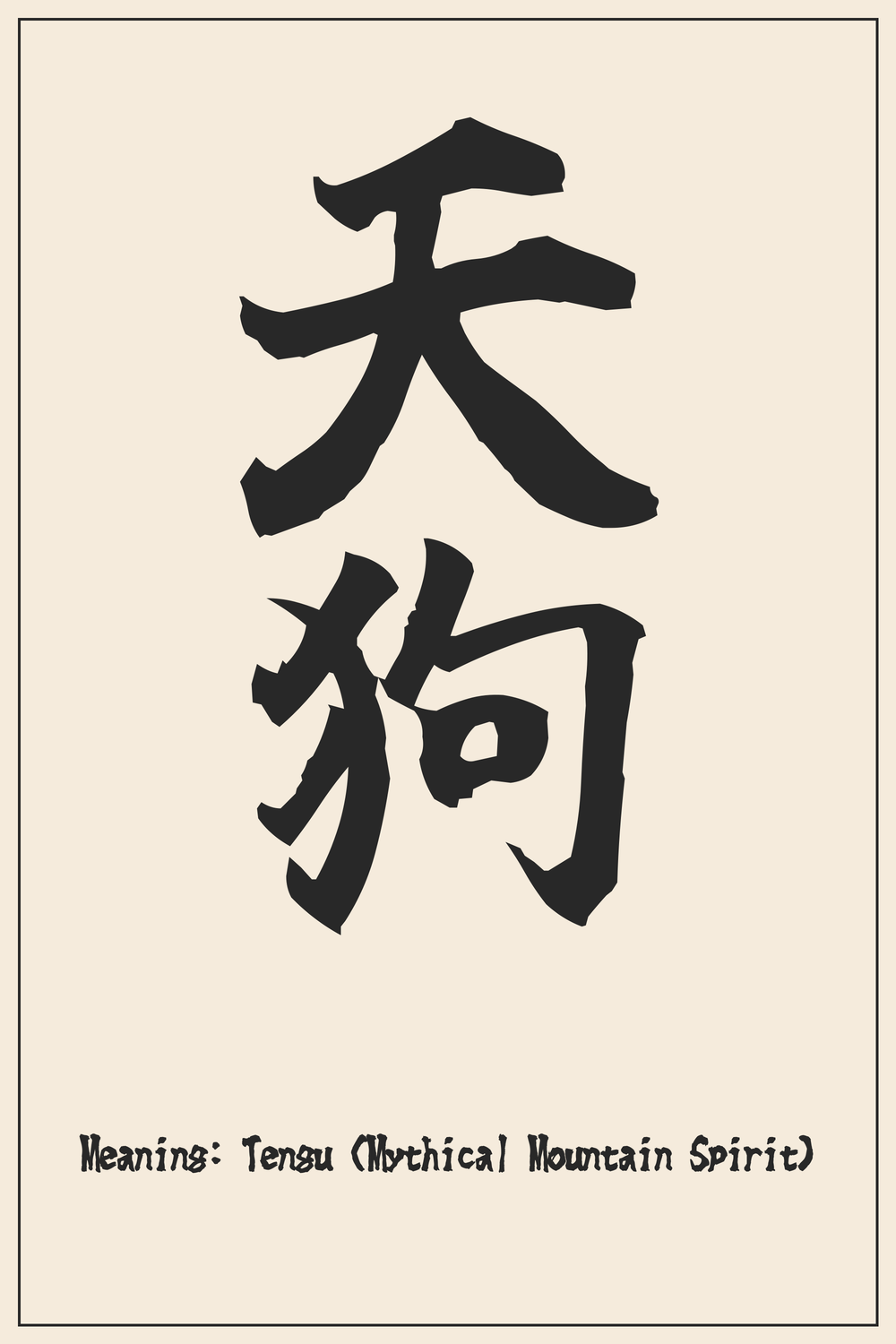
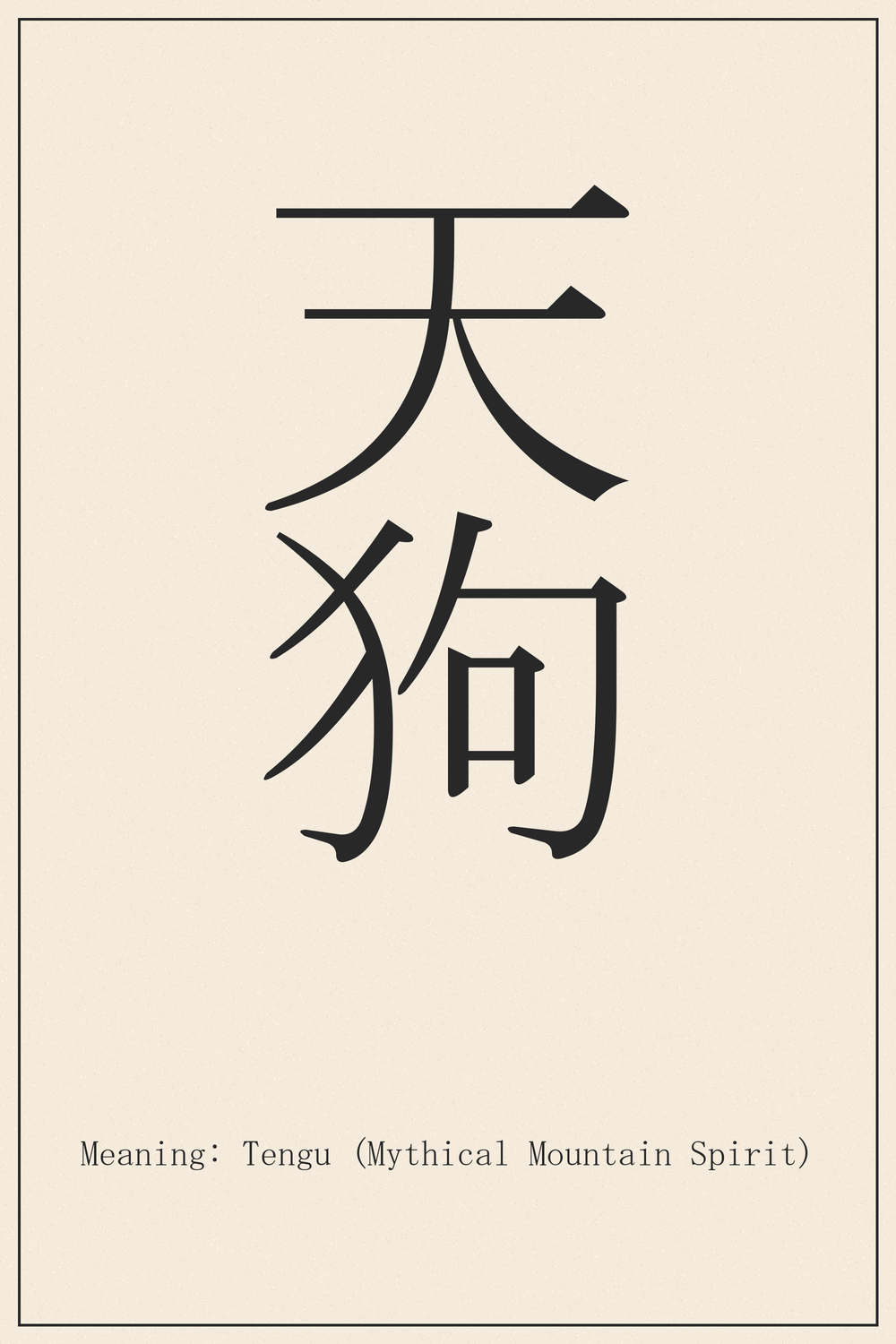
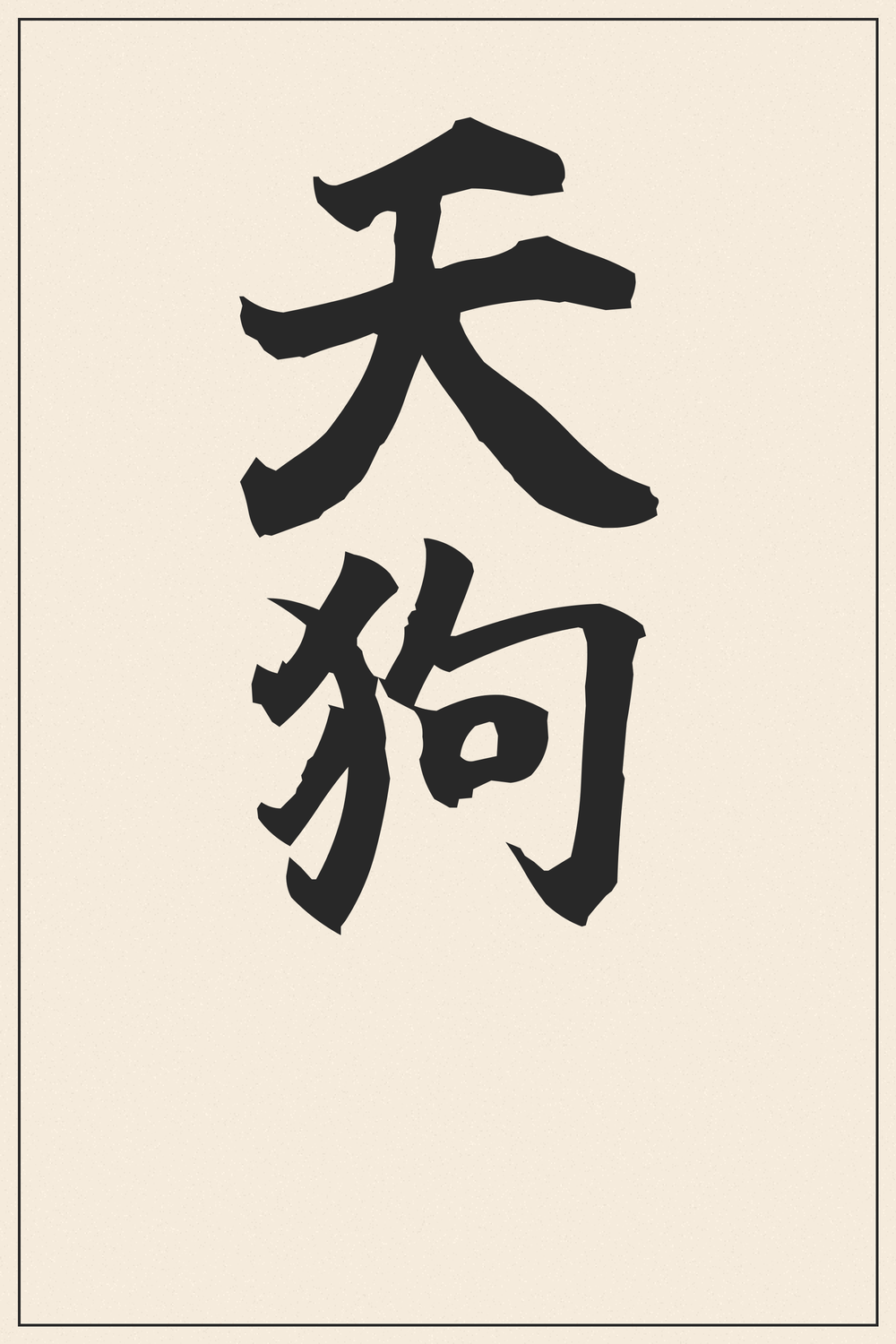
The Kanji for Tengu embodies a powerful and enigmatic figure from Japanese folklore. This iconic symbol captures the essence of a mountain spirit, revered and feared for its supernatural abilities.
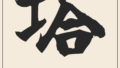
The atmosphere of a Kanji character changes dramatically depending on the font style. A character that looks elegant in a brush style might look bold and modern in a different font.
Recommendation:
Since a tattoo is permanent, we strongly recommend comparing various font styles beyond what is shown here. Use our designs as a trusted reference for the correct structure, but feel free to explore different artistic variations to find the perfect match for your vision.
The Deep Meaning Behind 天狗
The term “Tengu” literally translates to “celestial dog,” originating from the Chinese “Tiangou,” a dog-like demon believed to devour the sun or moon during an eclipse. Over centuries, this concept evolved significantly in Japan, diverging from its canine origins.
In Japan, Tengu transformed into a distinct class of powerful mountain and forest dwellers, often depicted with human-like bodies, wings, and distinct red faces with long noses. They embody a unique blend of Shinto deities and Buddhist figures, reflecting a rich cultural synthesis.
Tengu are revered as protectors of sacred mountains and are often associated with exceptional martial arts skills, particularly swordsmanship and spiritual powers. They serve as guardians of the natural world, frequently linked with ascetic hermits (yamabushi) and embodying both benevolent and mischievous aspects.
Their imagery is profoundly prevalent in Japanese art, theater, and festivals, symbolizing a deep connection to nature, spiritual enlightenment, and sometimes, the dangers of arrogance. This rich cultural presence makes them a powerful and multifaceted symbol.
Kanji Breakdown
The Kanji compound 天狗 beautifully combines two characters to form the name of this celebrated mythical creature, each contributing to its unique symbolism.
Sky, Heaven, Celestial: This character evokes the divine and transcendent, representing the celestial realm from which the Tengu, or “celestial dog,” is believed to originate. It signifies their otherworldly power and connection to the heavens.
Dog, Puppy: Originally referring to a dog, this character hints at the Chinese origin of the Tengu concept (Tiangou). In Japan, while the visual form evolved far beyond a dog, the character persists in the name, subtly linking to its ancient roots as a “celestial hound.”
Conclusion
Choosing the Kanji ‘天狗’ for a tattoo is to embrace a symbol rich in Japanese folklore, representing the awe-inspiring power of mountain spirits and their profound connection to both the divine and the wild. It signifies a reverence for nature, mastery, and spiritual depth.
This iconic depiction, known for its distinct features and multifaceted roles, makes for a visually striking and culturally significant tattoo, serving as a powerful emblem of guardianship, martial prowess, and the mysterious forces of the natural world.
Comments