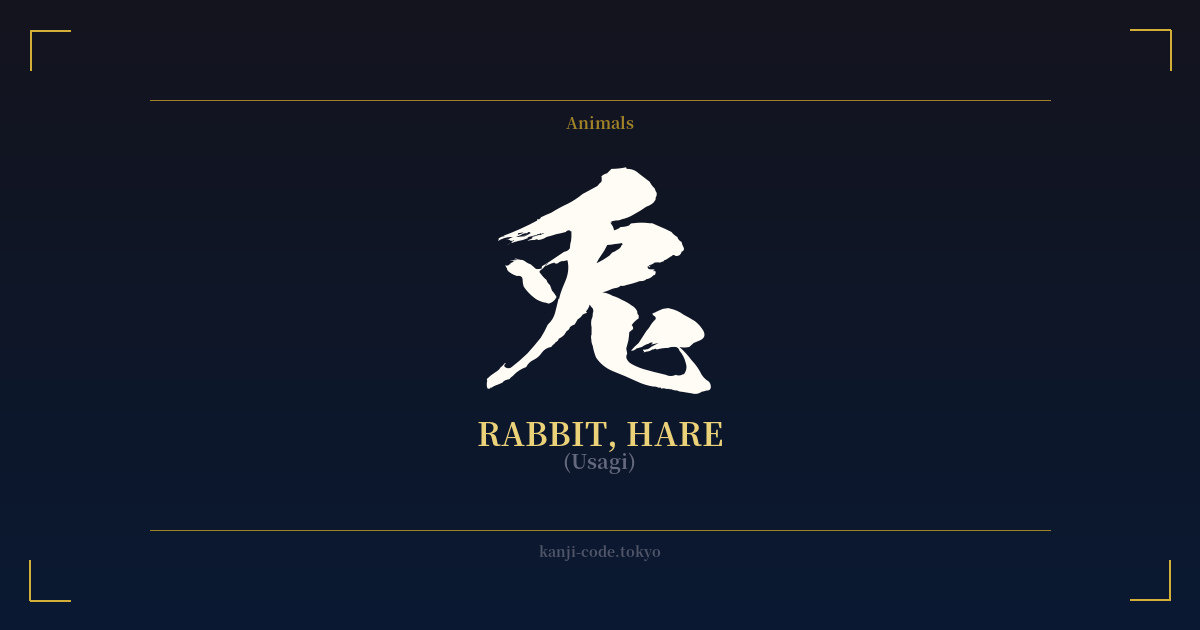
✍️ 兎 (Usagi) — Cultural Context
In Japan, the kanji 兎 (usagi) represents far more than just the animal. It is a creature deeply woven into the fabric of folklore, art, and national identity, embodying themes of cleverness, longevity, and celestial wonder.
The most prominent legend is that of the 'Rabbit in the Moon' (月の兎, Tsuki no Usagi). Unlike Western cultures that see a 'man in the moon,' the Japanese see the lunar maria as forming the shape of a rabbit pounding mochi (glutinous rice cakes) with a mallet. This image is especially celebrated during the Mid-Autumn Festival (月見, Tsukimi), where people gather to appreciate the full moon and eat dango, a type of mochi, in honor of the celestial rabbit's tireless work.
This story gives the rabbit a divine, almost mythical status. It is not just an animal but a resident of the heavens, forever linked to the serene beauty of the night sky and the cyclical nature of time. This connection also imbues the rabbit with the symbolism of longevity and even immortality, echoing ancient Chinese tales where the moon rabbit pounds the elixir of life.
The rabbit is also the fourth animal in the Japanese zodiac (干支, Eto). Those born in the Year of the Rabbit are often characterized as being calm, gentle, articulate, and highly intelligent. They are seen as skillful negotiators and artists, though sometimes perceived as timid or overly cautious. This adds a layer of personal significance for many, making the kanji a representation of their own birth year and associated traits.
Japanese folklore is rich with stories featuring the rabbit. A famous example is the tale of the 'Hare of Inaba' (因幡の白兎, Inaba no Shirousagi), recorded in the ancient Kojiki chronicles. In this story, a clever but arrogant rabbit tricks sharks to cross the sea, only to be flayed by them in revenge. It is then healed by the kind god Ōkuninushi, teaching a lesson in humility and compassion. This tale showcases the rabbit's dual nature as both a witty trickster and a vulnerable creature.
This duality is also reflected in common proverbs, such as 「二兎を追う者は一兎をも得ず」 (ni to o ou mono wa itto o mo ezu), meaning 'He who chases two rabbits catches neither.' It serves as a practical warning against dividing one's focus, using the rabbit's swiftness as a metaphor for an elusive goal.
Ultimately, the kanji 兎 is a symbol of good fortune, progress, and clever problem-solving. Whether seen as a celestial artisan, a zodiac guardian, or a folkloric hero, the usagi remains one of Japan's most cherished and enduring symbols.
🖌️ Font Styles for 兎
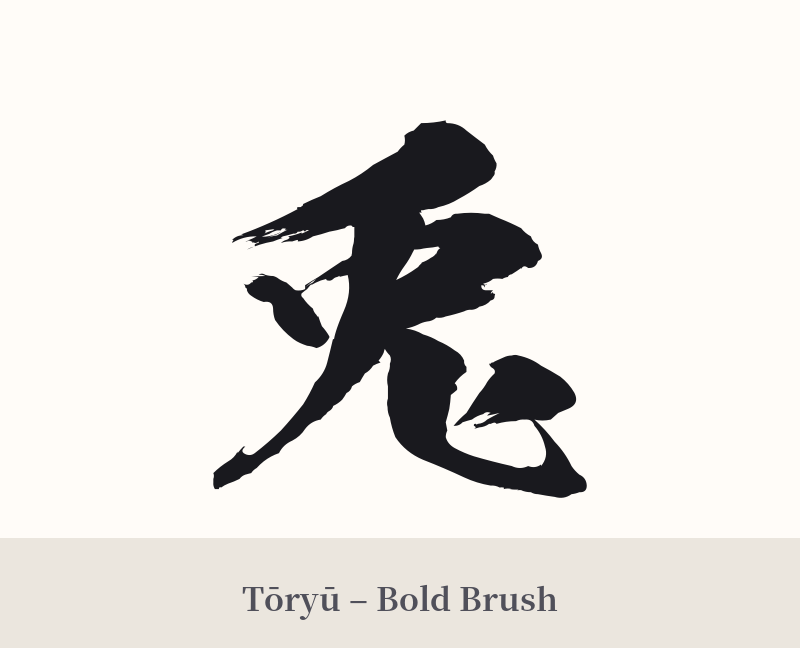
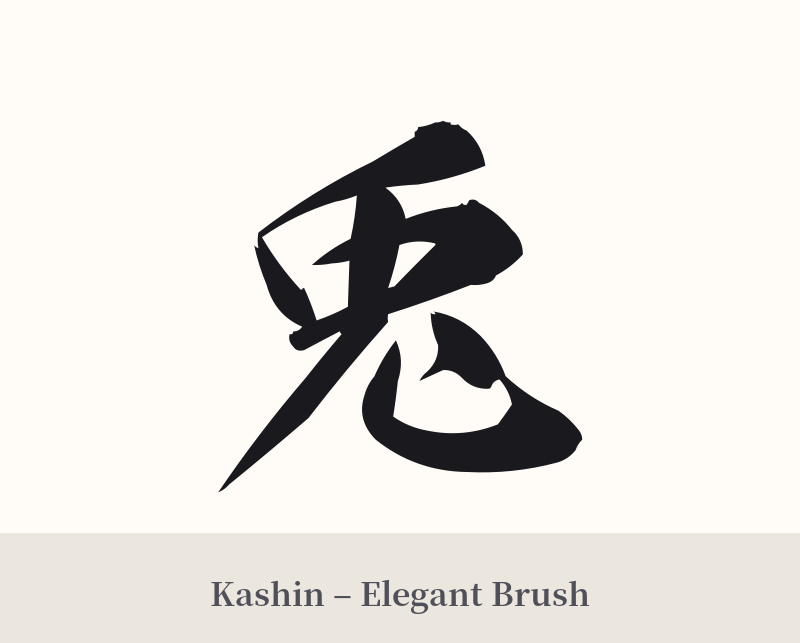
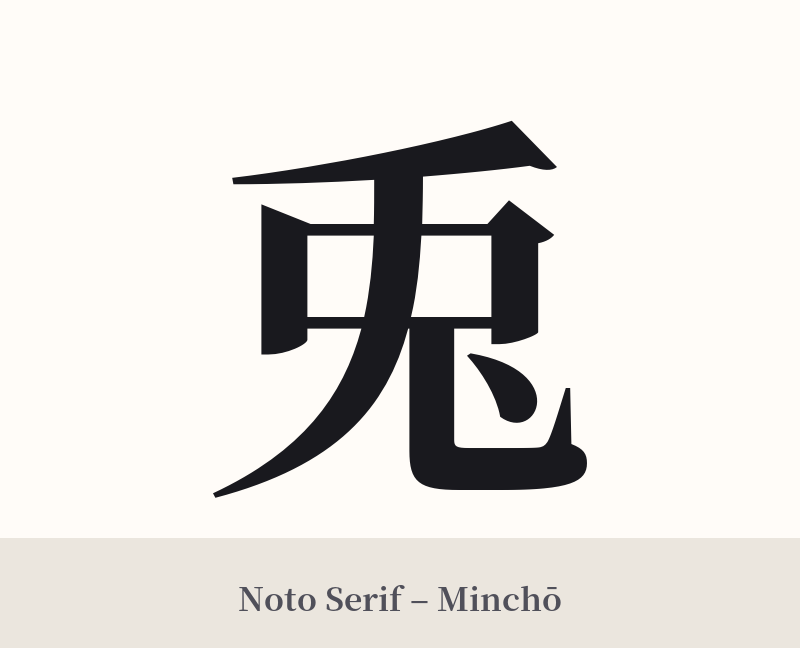
The same kanji can look dramatically different depending on the calligraphy style. Choose a font that matches the mood you want for your tattoo or design.
🎨 Tattoo Suitability
📐 Tattoo Design Guide
The kanji 兎 (usagi) offers a wonderful balance of symbolic depth and visual charm, making it a versatile choice for a tattoo.
For placement, its relatively simple, self-contained shape works well in smaller, elegant locations. Consider the inner wrist, behind the ear, the ankle, or the nape of the neck for a subtle and personal statement. For a more prominent piece, it can serve as a beautiful centerpiece on the forearm, calf, or shoulder blade, allowing space for complementary elements.
Stylistically, you have several compelling options: – A dynamic, cursive calligraphy (shodō) style can emphasize the rabbit's swiftness and energy, with flowing lines and expressive brush strokes. – A traditional, serif-style Mincho font gives the character a classic, literary feel, grounding it in its historical and folkloric roots. – For a modern interpretation, a minimalist, clean-lined design can focus on the character's essential form.
To enhance the design's narrative, consider pairing 兎 with other symbolic imagery. The most classic combination is with a full or crescent moon to directly reference the 'Tsuki no Usagi' legend. Incorporating waves can allude to the 'Hare of Inaba' story, while adding elements like cherry blossoms (sakura) or autumn maple leaves (momiji) can place the rabbit within a seasonal context.
Comments