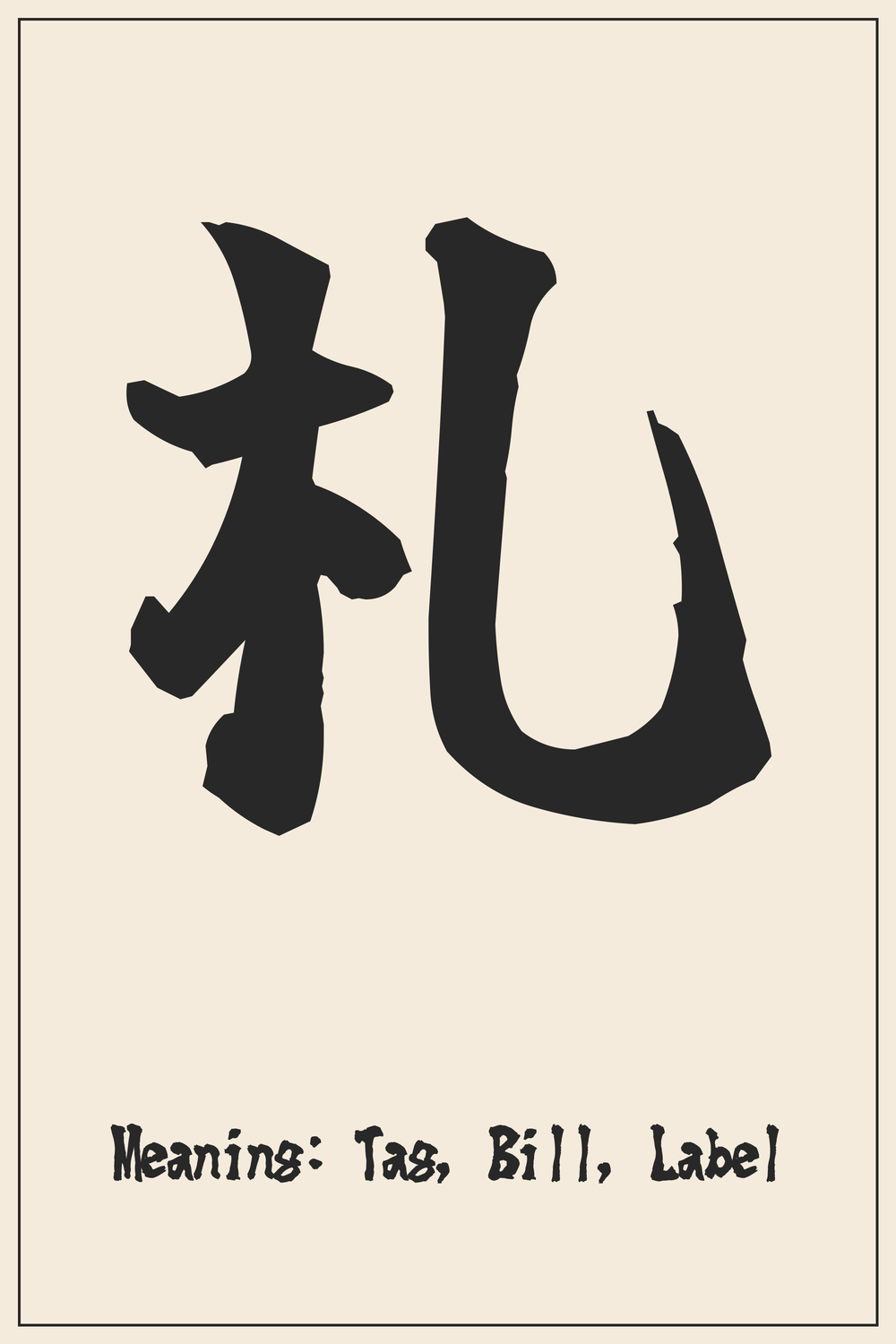
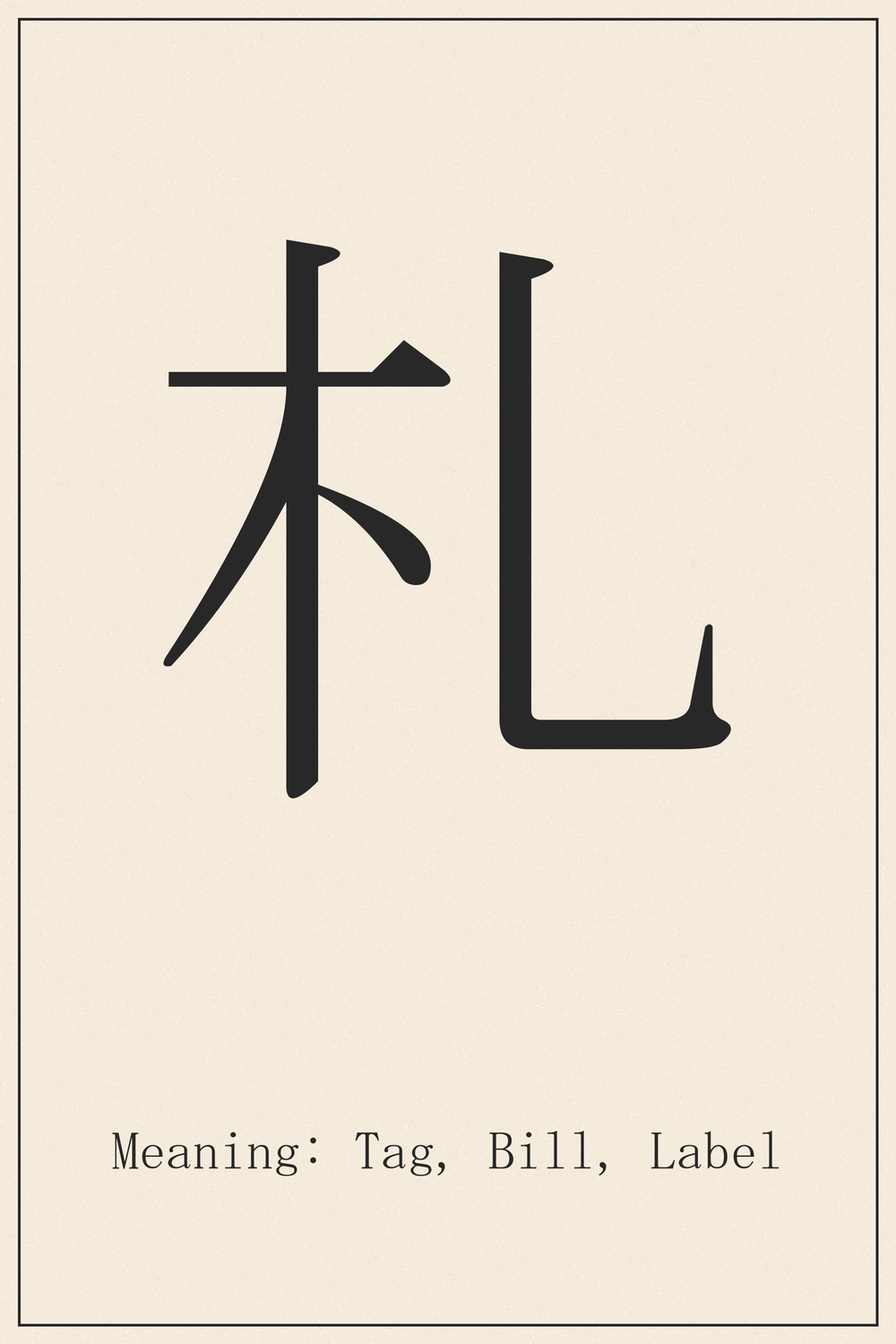
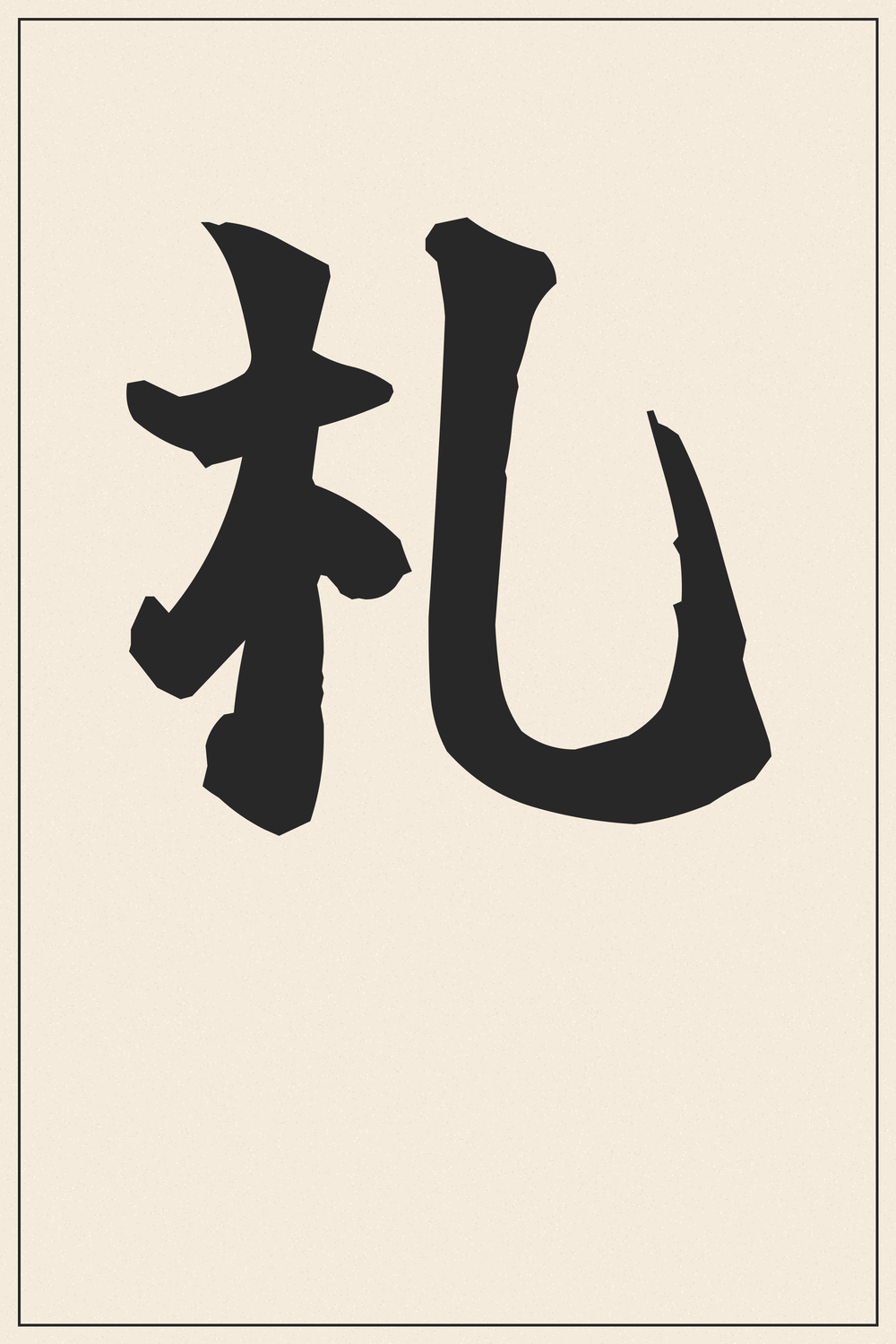
The Kanji 札 embodies the essence of everyday utility, representing everything from a simple tag to a banknote. It reflects the structured designations and values that shape our daily existence.
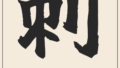
The atmosphere of a Kanji character changes dramatically depending on the font style. A character that looks elegant in a brush style might look bold and modern in a different font.
Recommendation:
Since a tattoo is permanent, we strongly recommend comparing various font styles beyond what is shown here. Use our designs as a trusted reference for the correct structure, but feel free to explore different artistic variations to find the perfect match for your vision.
The Deep Meaning Behind 札
The character 札 has ancient origins, evolving from pictograms depicting a thin strip of wood or bamboo used for writing. These slips served as labels, tallies, or simple documents, showcasing its fundamental role in early record-keeping and identification within society.
Culturally, 札 is deeply integrated into daily Japanese life. It is prominently featured in terms such like お札 (osatsu), referring to banknotes, and 名札 (nafuda), meaning a name tag. This highlights its consistent association with value, identity, and the practical necessities of human interaction and commerce.
Kanji Breakdown
The Kanji 札 is composed of fundamental elements that reflect its historical application as a marking device.
Meaning: Tree, wood. This radical indicates that early tags or slips were often made from wood, serving as the base material for information.
Meaning: A bent or curving stroke. In this context, it often represents a hook, a mark, or something attached, signifying the purpose of the wooden slip as a label or marker.
Conclusion
The Kanji 札, while seemingly simple, carries a deep significance in its representation of identification, value, and the structured aspects of life. It embodies the human need to categorize, exchange, and designate, playing an undeniable role in our societal and personal journeys.
For a tattoo, 札 serves as a clear, concise symbol of practical utility and ordered existence. It is a subtle nod to the foundational elements that govern our daily lives, making it a distinctive choice for those who appreciate understated yet meaningful representation.
Comments