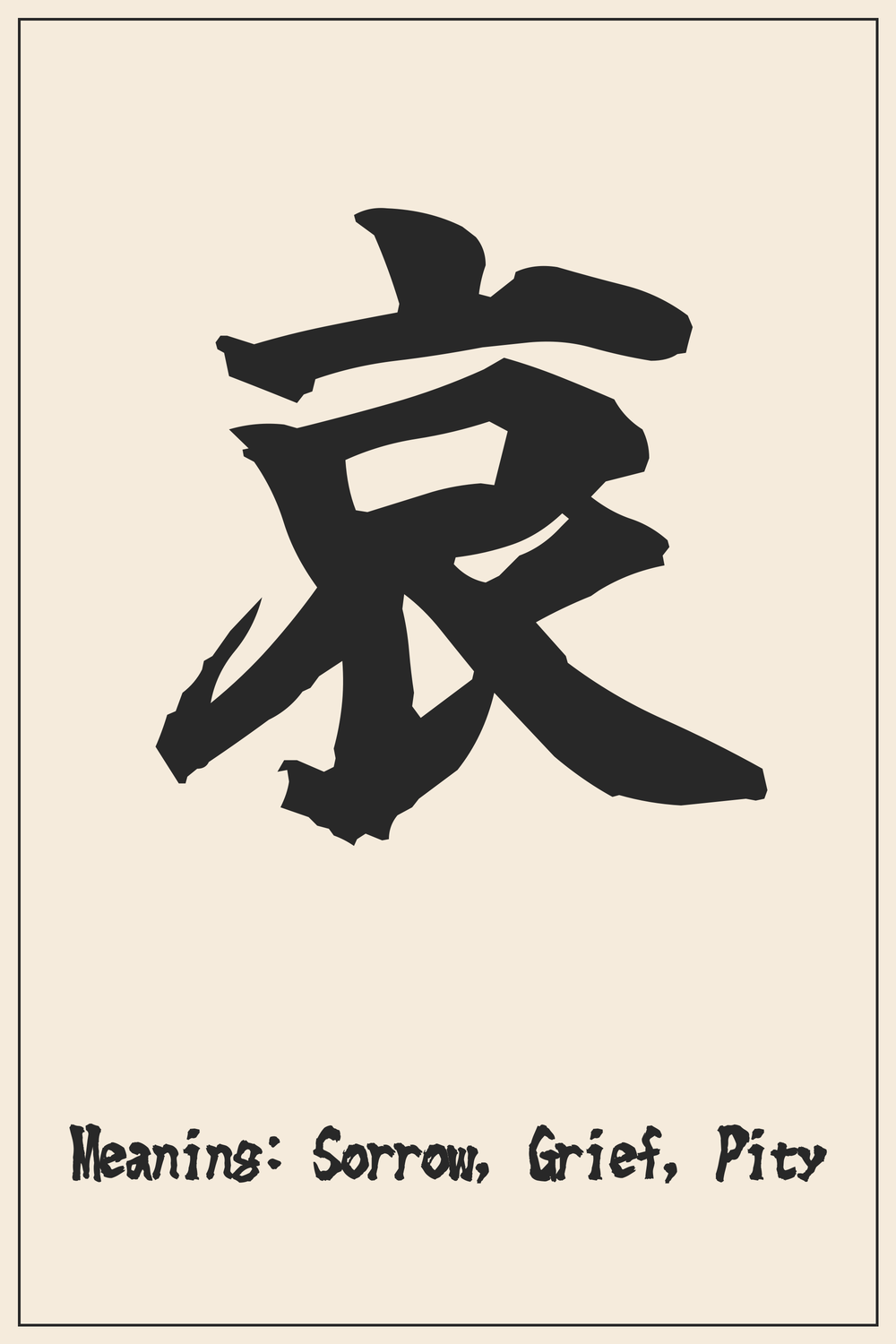
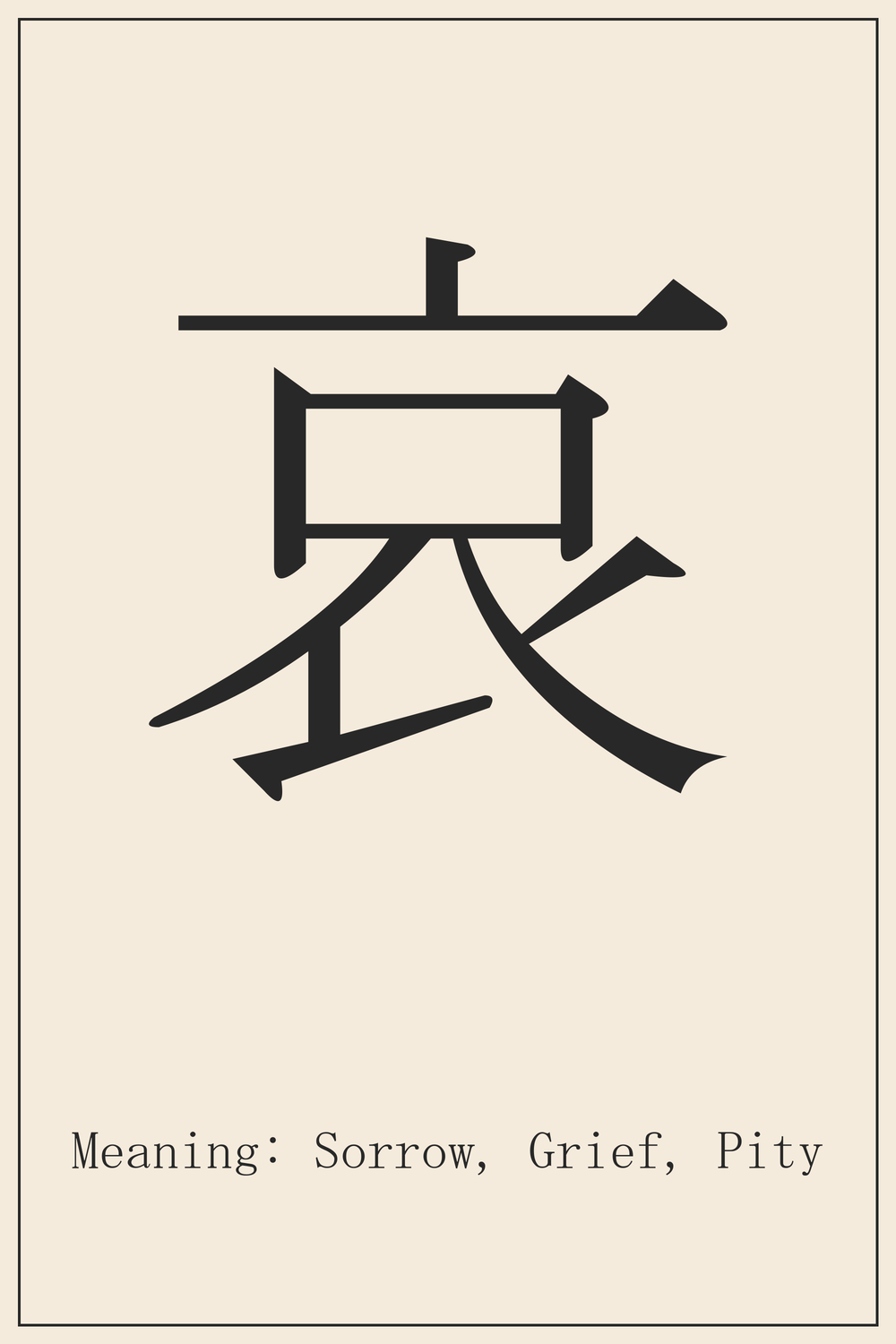
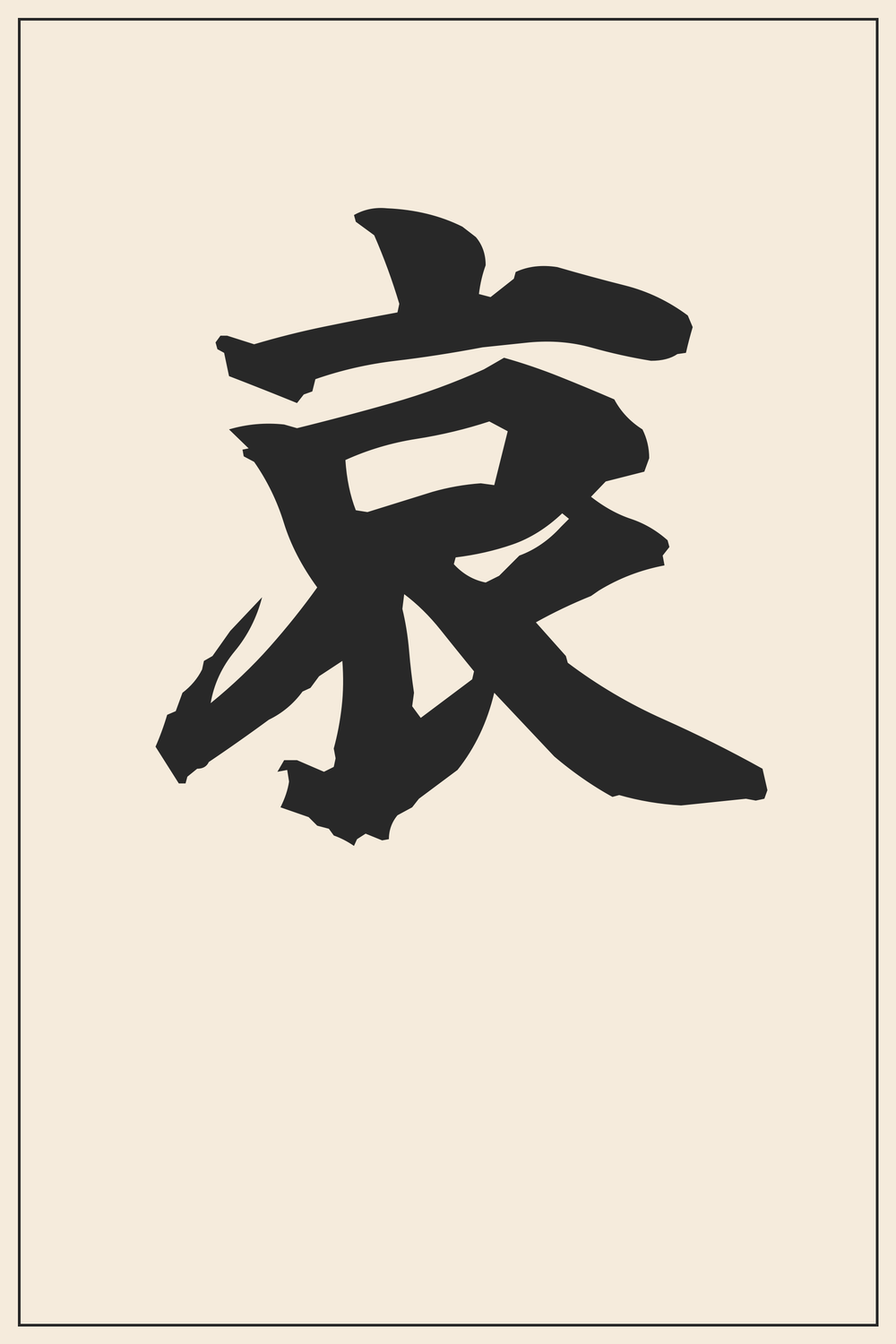
The kanji 哀 encapsulates a profound dimension of human emotion, offering a powerful symbol for introspection and understanding. It speaks to the universal experience of sorrow, not as weakness, but as a deep capacity for empathy and connection.
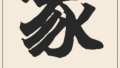
The atmosphere of a Kanji character changes dramatically depending on the font style. A character that looks elegant in a brush style might look bold and modern in a different font.
Recommendation:
Since a tattoo is permanent, we strongly recommend comparing various font styles beyond what is shown here. Use our designs as a trusted reference for the correct structure, but feel free to explore different artistic variations to find the perfect match for your vision.
The Deep Meaning Behind 哀
The character 哀 (ai) originated from combining 衣 (yī), meaning “garment” or “covering,” and 口 (kǒu), meaning “mouth.” Ancient interpretations often suggest a mouth covered, or a cry muffled by clothing, vividly symbolizing suppressed grief or deep, inward sorrow.
In Japanese culture, 哀 embodies a profound sense of poignant sadness or pathos, deeply rooted in classical literature and aesthetics, most famously within the concept of “mono no aware” (物の哀れ). It signifies not just personal grief, but a profound empathy for transient beauty, suffering, and the bittersweet nature of existence.
Kanji Breakdown
The character 哀 is composed of two primary elements, each contributing to its rich meaning of sorrow and empathy.
Mouth: This component often relates to speech, crying, or the expression of emotion. In 哀, it signifies the outward or inward expression of grief.
Garment: Representing clothing or covering, this element suggests concealment or the way grief can be contained or expressed through one’s bearing, often implying a deep, internal anguish.
Conclusion
The kanji 哀 transcends mere sadness; it represents a deep, empathetic sorrow that acknowledges the beauty and transient nature of life. It speaks to a mature understanding of emotional depth and the human condition.
Choosing 哀 for a tattoo is a powerful statement, signifying a profound connection to the full spectrum of human emotions. It can serve as a constant reminder of empathy, resilience, and the poignant beauty found even in sorrow.
Comments