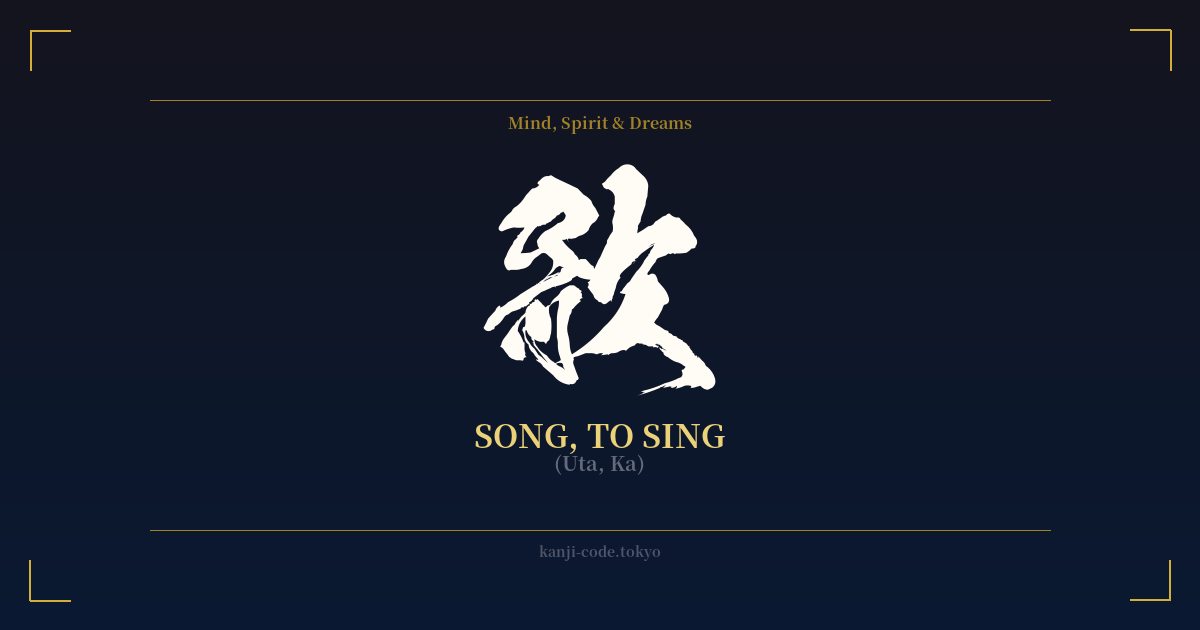
✍️ 歌 (Uta, Ka) — Cultural Context
The kanji 歌 (uta) is a beautiful and evocative character that encapsulates the very essence of song and singing. Its origins provide a glimpse into its meaning. The character is a composite of two distinct parts: the radical 言 (gen, kotoba), which means 'words' or 'to speak,' and the phonetic component 可 (ka), which originally depicted a bent tool but now lends its sound and a sense of 'possibility' or 'approval.' Together, they form the concept of words that are structured, articulated, and delivered in a pleasing, melodic manner—the very definition of a song.
In Japan, the concept of 歌 is woven deeply into the cultural and historical fabric, far beyond simple entertainment. It has ancient roots in the literary tradition of Waka (和歌), 'Japanese poems,' a classical form of poetry that was traditionally chanted or sung. These short poems, often focusing on nature, seasons, and love, were a primary mode of artistic and emotional expression for the imperial court and nobility for centuries. The act of composing and reciting them was a refined art, and 歌 was the vessel for this art form.
The cultural significance of 歌 extends into the spiritual realm as well. In both Shinto rituals and Buddhist ceremonies, chanting and singing are integral practices. The chanting of sutras (お経, okyō) is a form of meditative song, believed to purify the mind and honor the divine. Similarly, festival songs and chants help foster a sense of community and shared spiritual experience.
In the modern era, 歌 has taken on new life while retaining its core identity. The most famous global export related to this kanji is undoubtedly Karaoke (カラオケ). The word itself is a portmanteau of 'kara' (空), meaning empty, and 'ōkesutora' (オーケストラ), the Japanese word for orchestra. This 'empty orchestra' allows anyone to become a 歌手 (kashu), or singer, and share their own 歌. It’s a testament to how deeply the joy of singing is embedded in everyday Japanese social life.
From the ancient, formal verses of Waka to the neon-lit rooms of a karaoke box, 歌 represents a fundamental human need: to express feelings that mere words cannot capture. It is the sound of joy, sorrow, love, and memory, making it a powerful and universally understood symbol.
🖌️ Font Styles for 歌
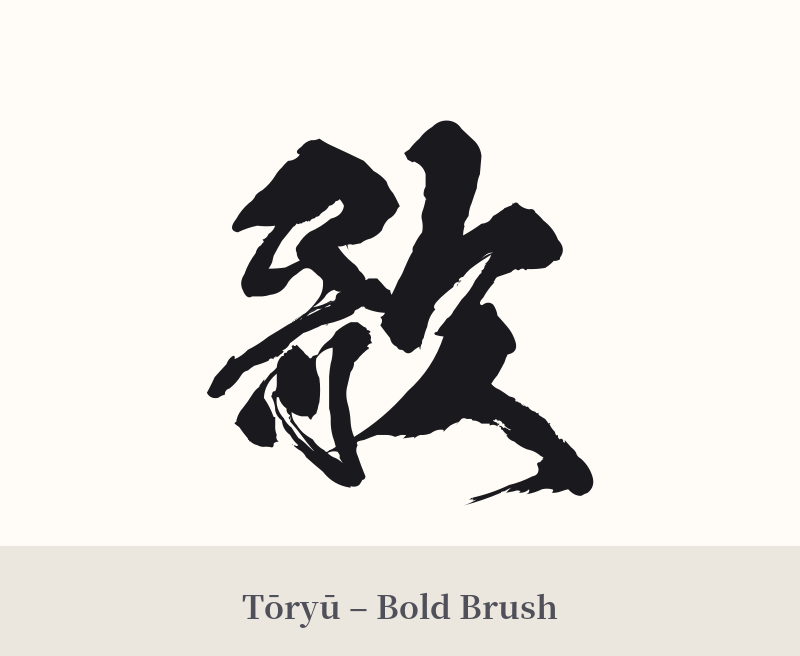
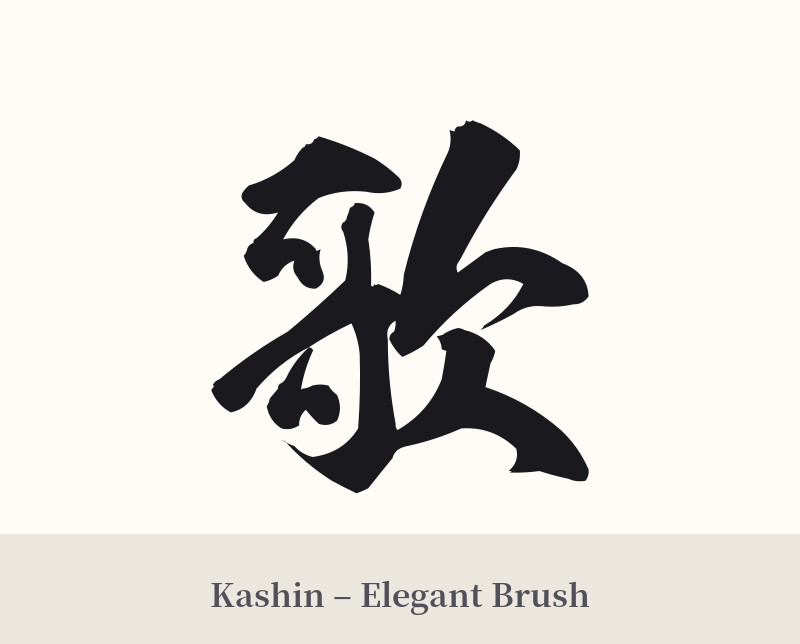
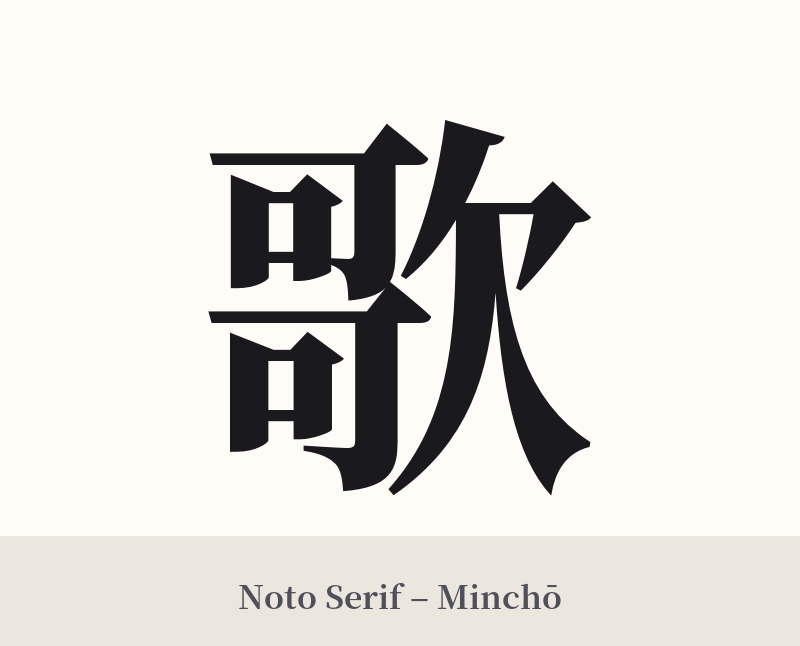
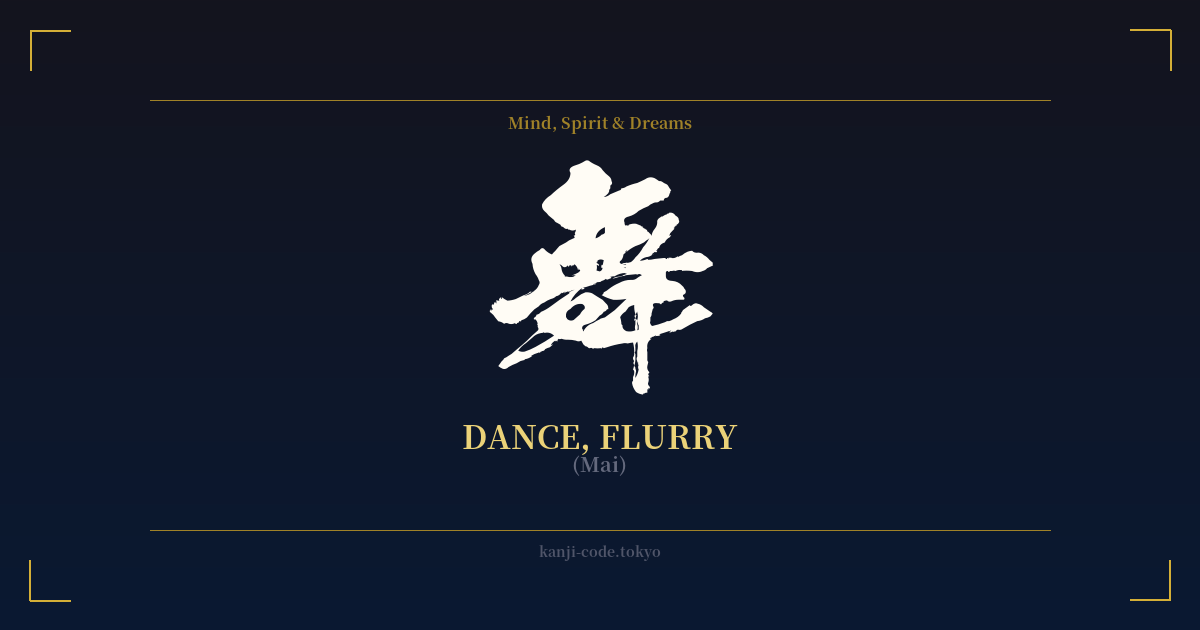
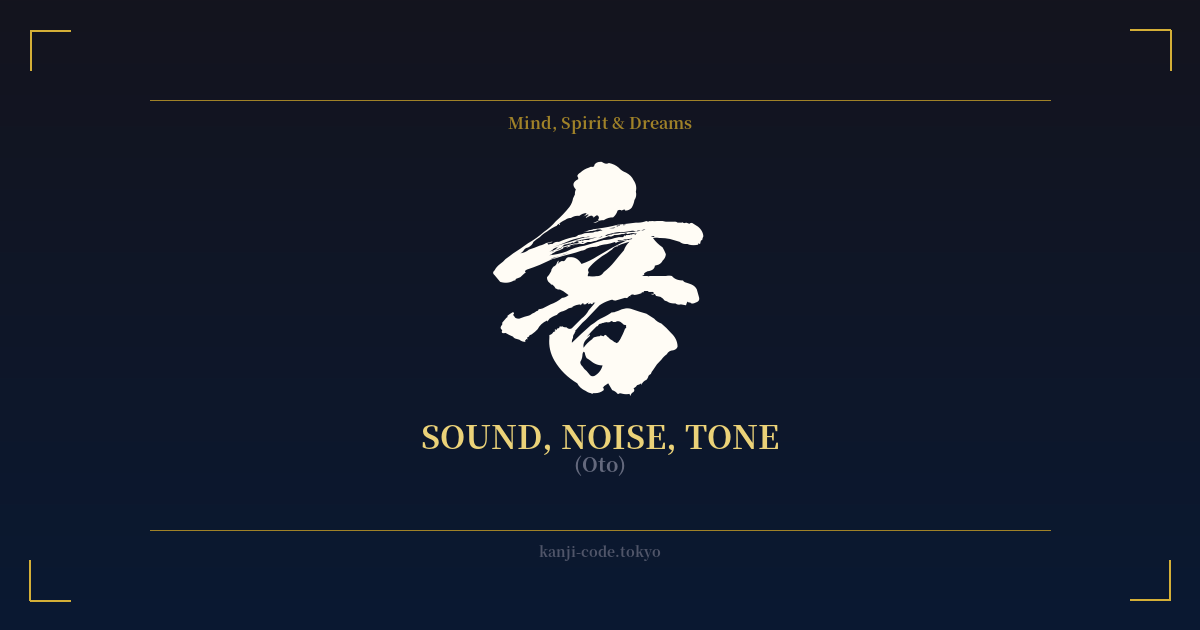
The same kanji can look dramatically different depending on the calligraphy style. Choose a font that matches the mood you want for your tattoo or design.
🎨 Tattoo Suitability
📐 Tattoo Design Guide
The kanji 歌 offers wonderful versatility for a tattoo design, whether you prefer something bold or subtle.
– Placement: For a small, discreet design, consider the wrist, behind the ear, or the back of the neck. For a larger, more detailed piece, the forearm, calf, or shoulder blade provides an excellent canvas that complements the character's balanced structure.
– Style Suggestions: A dynamic, cursive calligraphy (shodō) style can emphasize the expressive and fluid nature of song. For a more classic and refined look, a clean Mincho (serif) font is an elegant choice. A bold, blocky Gothic font can give the character a modern, strong presence.
– Visual Tips: While 歌 stands beautifully on its own, it can be combined with other elements to add personal meaning. Consider weaving it with imagery like musical notes, a subtle soundwave pattern, a bird in flight, or flowing water. Placing it within a red 'hanko' (stamp) style border can also create a striking and traditional aesthetic.
Comments