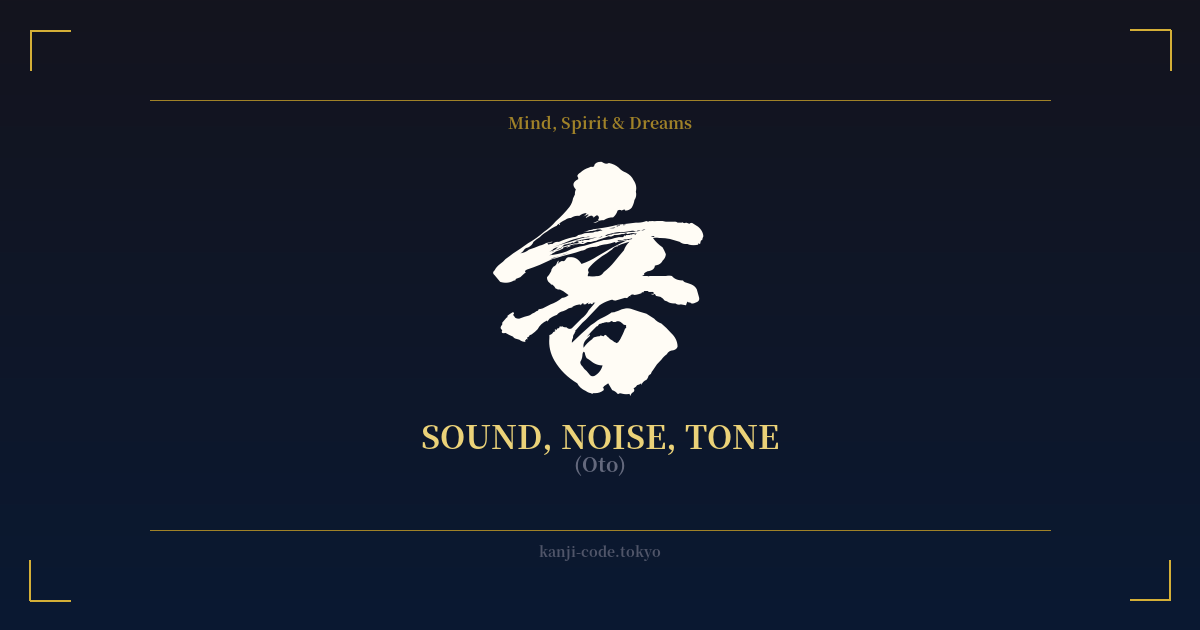
✍️ 音 (Oto) — Cultural Context
The kanji 音 (oto), representing 'sound', is one of the most fundamental characters in the Japanese language, yet its simplicity hides a deep cultural resonance. Its origins trace back to ancient pictographs. While interpretations vary, a common theory suggests the character originally combined elements representing a mouth or a bell with a stand, symbolizing the source from which sound emanates. Over time, it evolved into its modern form: the character for 'stand' or 'to stand' (立) over the character for 'sun' or 'day' (日). This abstract form captures the essence of something that exists and is perceived, much like sound itself.
In Japanese culture, sound is not merely an auditory experience; it is an integral part of the aesthetic and spiritual landscape. The concept extends far beyond music or speech. There is a profound appreciation for the sounds of nature, known as 'shizen no oto' (自然の音). The gentle rustling of bamboo leaves, the insistent summer cry of cicadas (semi no koe), or the rhythmic dripping of a 'sōzu' bamboo fountain in a garden are all cherished as markers of the seasons and moments of transient beauty.
This appreciation is deeply embedded in Japanese arts. Traditional poetry forms like haiku and tanka often rely on the evocation of a specific sound to create a powerful, concise image. A single line mentioning the plop of a frog into a pond, as in Bashō's famous haiku, can transport the reader to a moment of profound stillness and awareness. In Zen Buddhism, the sound of a temple bell is not just a call to prayer but a tool for meditation, its fading resonance symbolizing impermanence.
The character 音 is also the foundation for many crucial words. It forms the backbone of 'ongaku' (音楽), literally 'sound-pleasure' or music. It's part of 'hatsuon' (発音), the act of pronunciation itself, highlighting the connection between sound and language. This duality is also present; while 音 can be the sublime sound of a koto, it can also be part of 'sōon' (騒音), meaning unpleasant noise or clamor. This ability to encompass everything from a whisper to a roar, from melody to discord, makes 音 a powerful and versatile symbol of the entire auditory world.
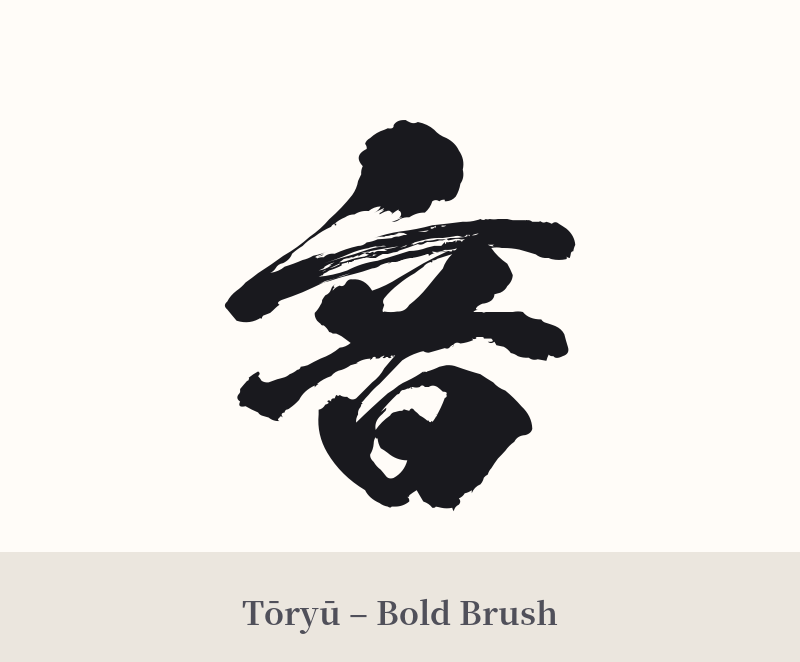
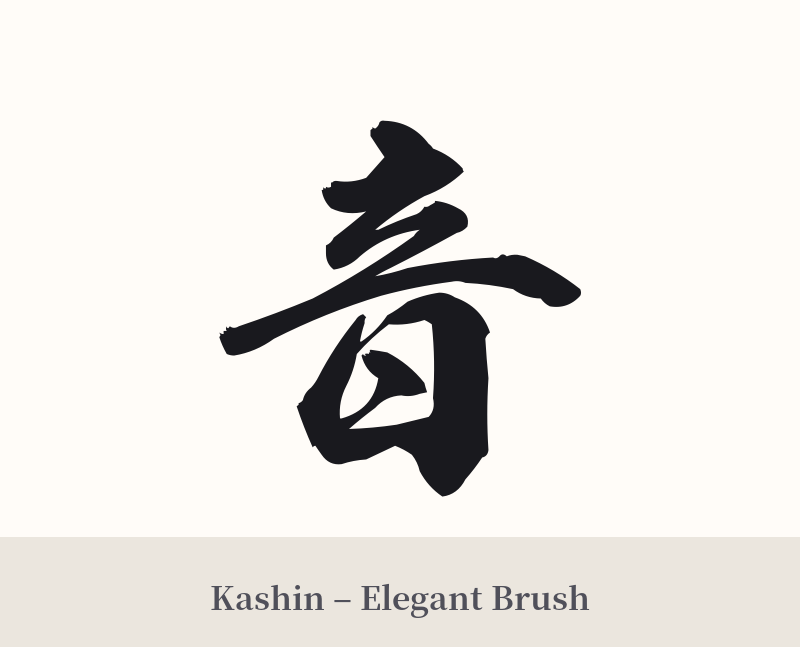
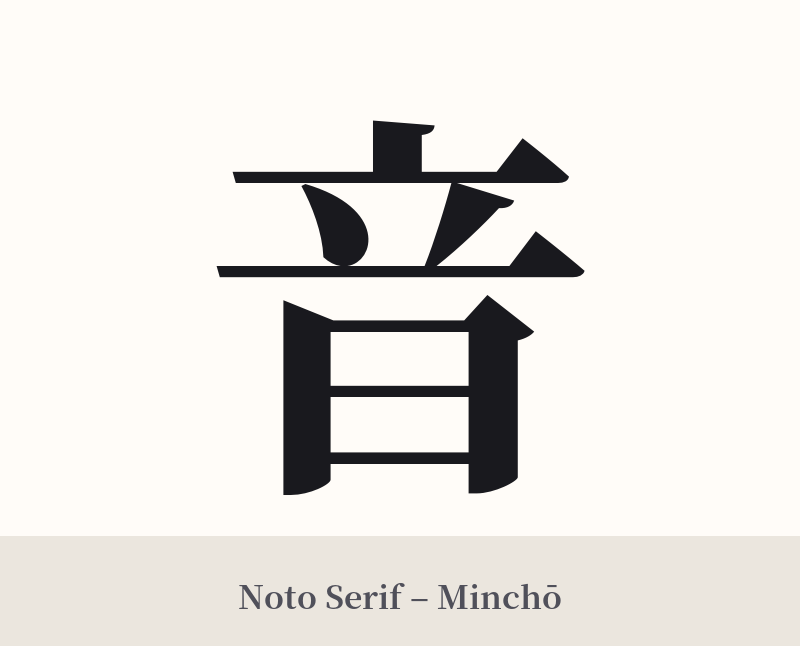
🖌️ Font Styles for 音
The same kanji can look dramatically different depending on the calligraphy style. Choose a font that matches the mood you want for your tattoo or design.
🎨 Tattoo Suitability
📐 Tattoo Design Guide
The kanji 音 offers wonderful versatility for a tattoo design due to its simple and balanced structure.
– Placement: Its clean lines make it suitable for small, subtle placements like the wrist, behind the ear, or on the ankle. These locations can symbolize a personal or private connection to a sound or music. For a bolder statement, it works well on the forearm or calf where the character can be rendered larger.
– Font Style: A traditional calligraphy (shodō) style can give the character an expressive, fluid feel, as if the sound itself is flowing. Conversely, a crisp, modern Mincho or Gothic font will emphasize its geometric balance, giving it a more contemporary and sharp look.
– Visual Tips: Consider integrating 音 with other elements. It could be depicted with stylized sound waves radiating from it, or placed near a representation of a musical instrument, a bird, or a bell. Another powerful concept is to have the ink slightly 'fading' or 'vibrating' to visually represent the ephemeral nature of sound.
Comments