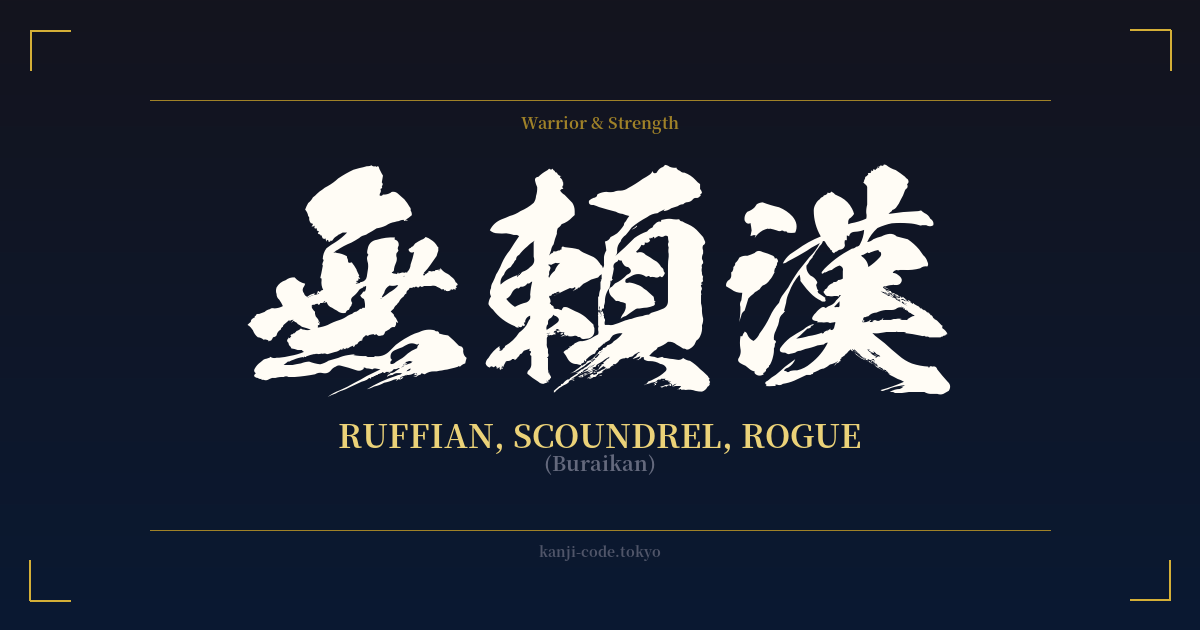
✍️ 無頼漢 (Buraikan) — Cultural Context
無頼漢 (Buraikan) is a term that drips with rebellious charisma. It translates to ruffian, scoundrel, or rogue, painting a picture of an individual who lives outside the bounds of conventional society, relying on no one and trusting nothing. This isn't just a simple insult; it's a powerful archetype deeply woven into Japanese culture, representing the defiant spirit of the anti-hero.
The word itself tells a story. It's composed of 無 (bu – nothing, without), 頼 (rai – trust, reliance), and 漢 (kan – man). Literally, it means a 'man without reliance' or a 'man you cannot trust.' This etymology perfectly captures the essence of the buraikan: a person who has severed ties with societal norms, expectations, and dependencies, for better or worse.
Historically and culturally, the buraikan figure echoes through various Japanese narratives. You can see its shadow in the depiction of certain 浪人 (rōnin), masterless samurai who wandered the land, sometimes as noble protectors, but often as dangerous sellswords. While not all rōnin were buraikan, the most cynical and lawless among them certainly fit the description.
Perhaps the most fascinating cultural touchstone is the 'Buraiha' (無頼派), or the Decadent School, a group of writers who emerged in the aftermath of World War II. Figures like Osamu Dazai and Ango Sakaguchi embraced a philosophy of 'burai'. They rejected the militaristic, emperor-worshipping values of pre-war Japan, choosing instead to live dissolute lives marked by alcohol, aimlessness, and a brutal honesty about the human condition. For them, being 'burai' was a form of intellectual and spiritual rebellion against a failed system.
In modern pop culture, the buraikan archetype is alive and well. It's the space cowboy with a hidden heart of gold, the cynical detective who bends the rules to get justice, or the delinquent manga protagonist who fights for his friends. These characters are compelling because they operate on their own moral code, often challenging the hypocrisy of the 'civilized' world. They are outsiders by choice, embodying a dangerous freedom that is both alluring and frightening.
However, it's crucial to distinguish the romanticized anti-hero from the word's raw meaning. In everyday Japanese, calling someone a buraikan is a serious accusation. It implies they are a violent, untrustworthy thug. The term carries the grit and grime of the streets, not just the cool detachment of a fictional protagonist. It’s this tension between the romantic rebel and the real-world scoundrel that makes 無頼漢 such a potent and complex word.
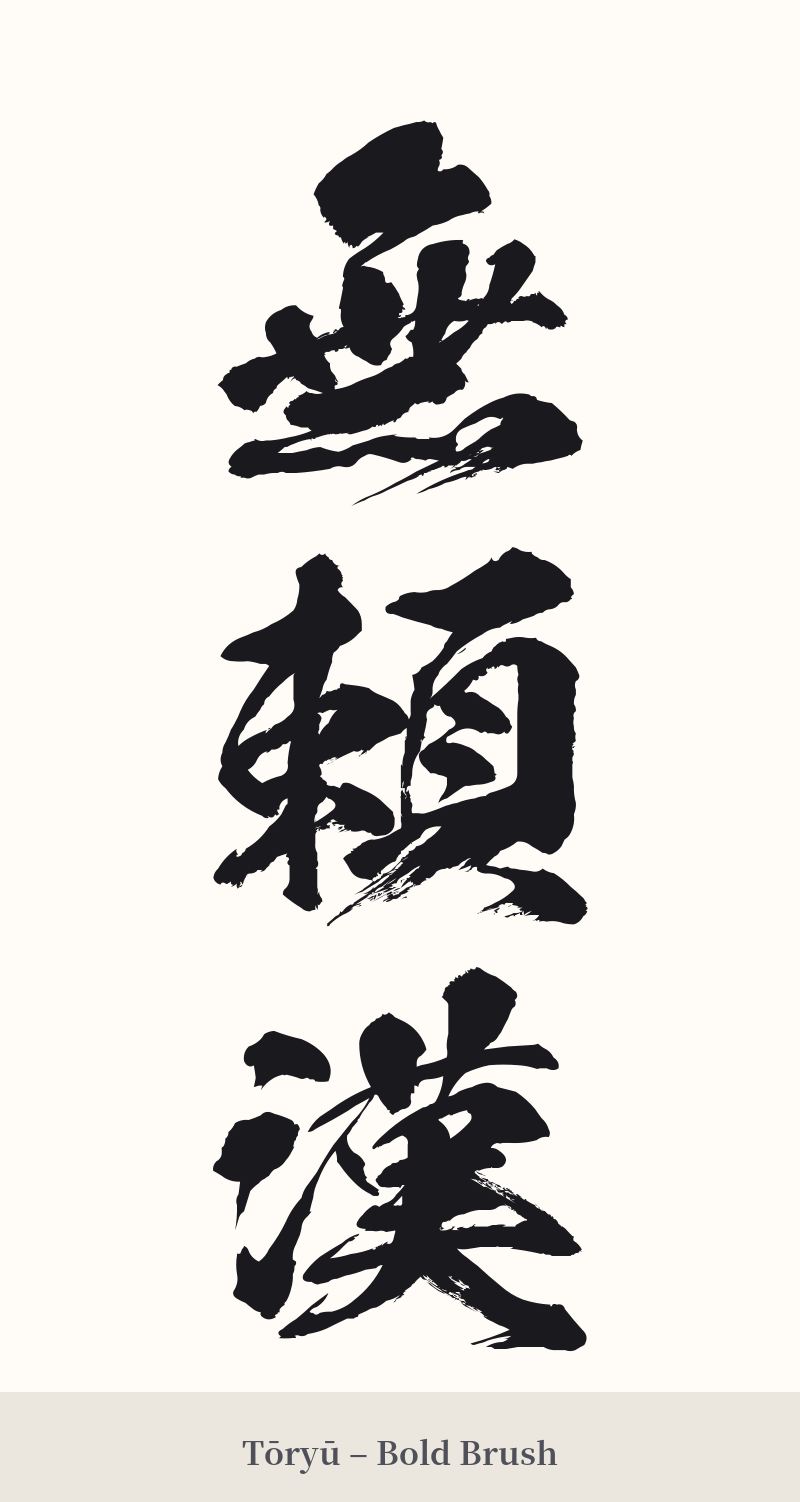
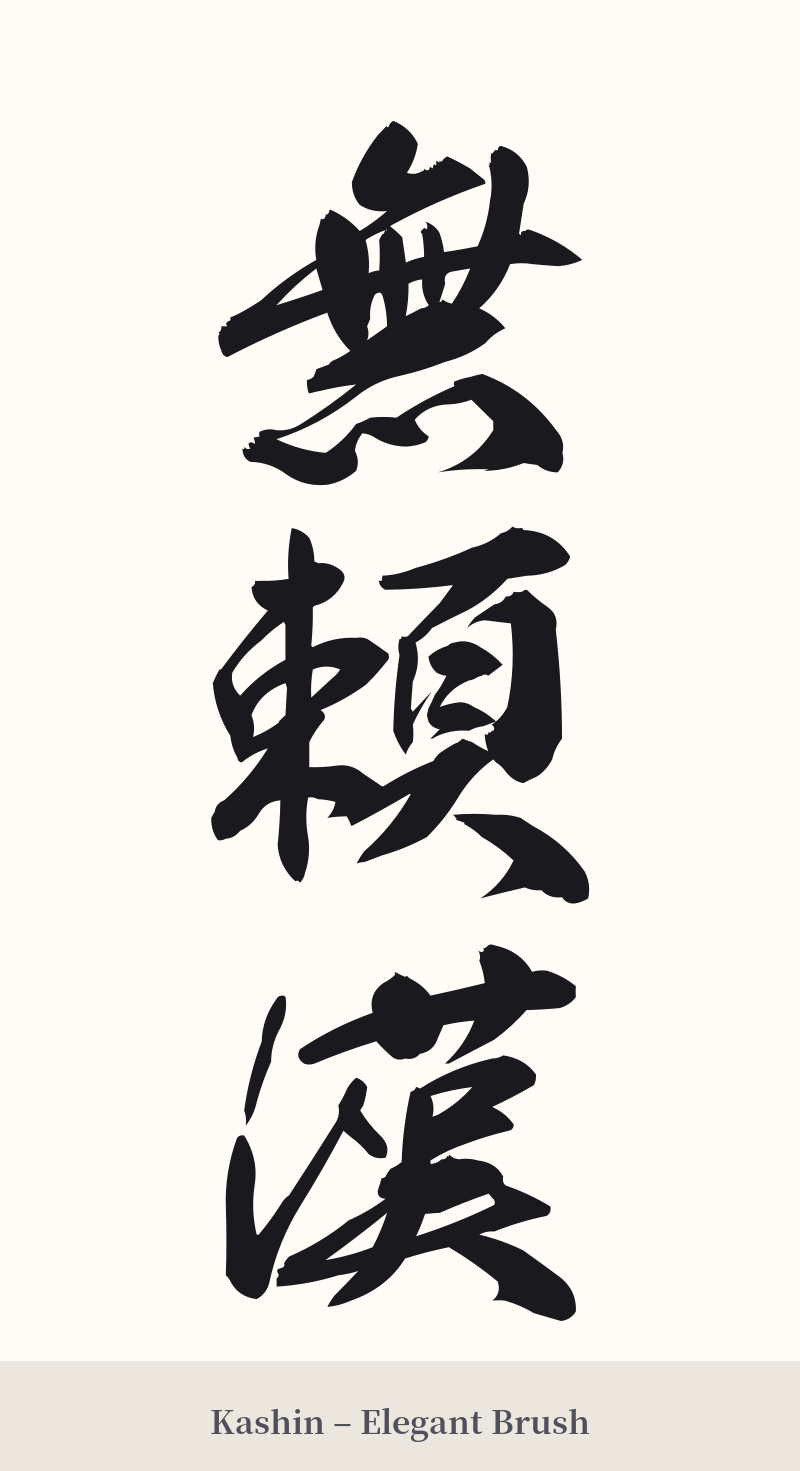
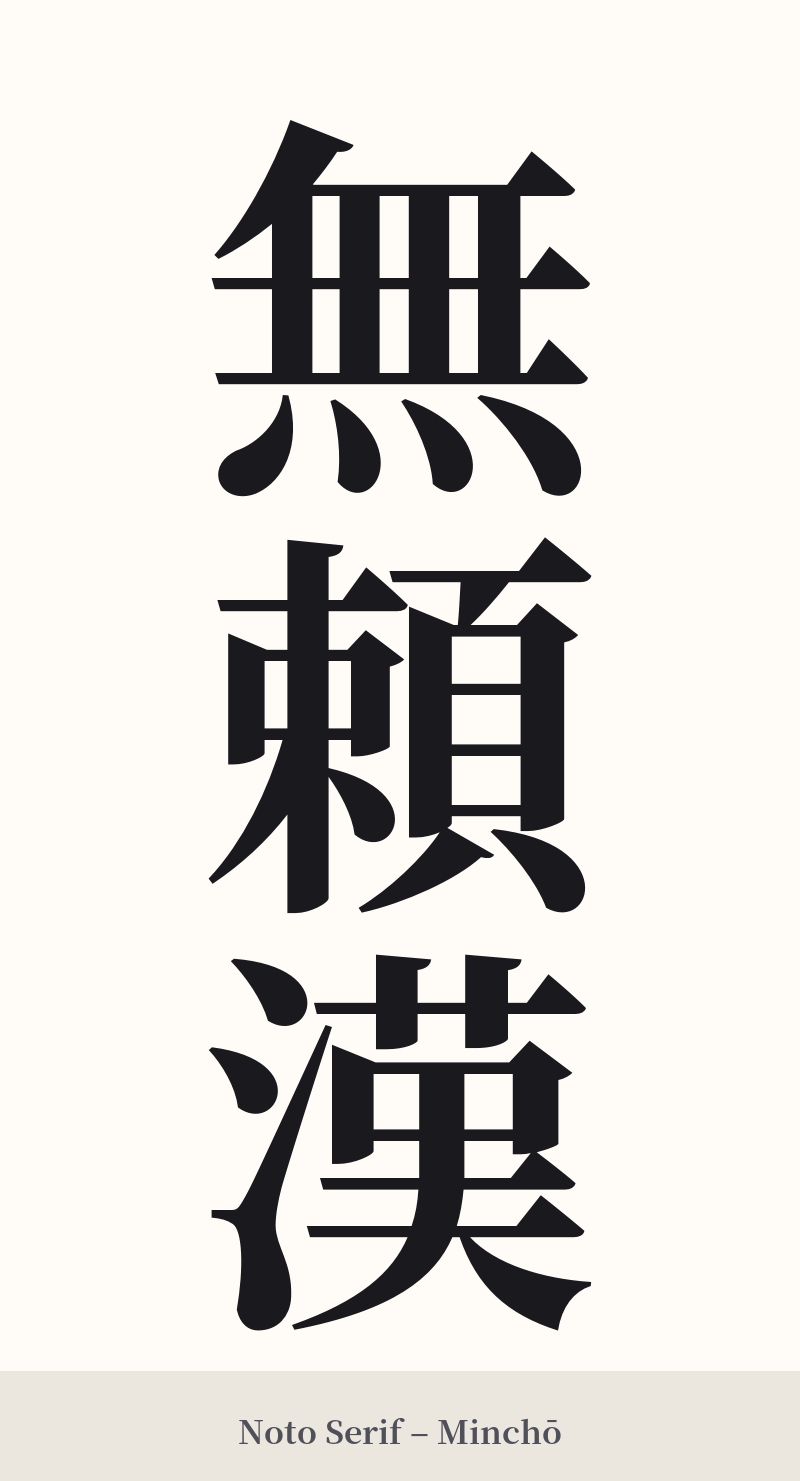
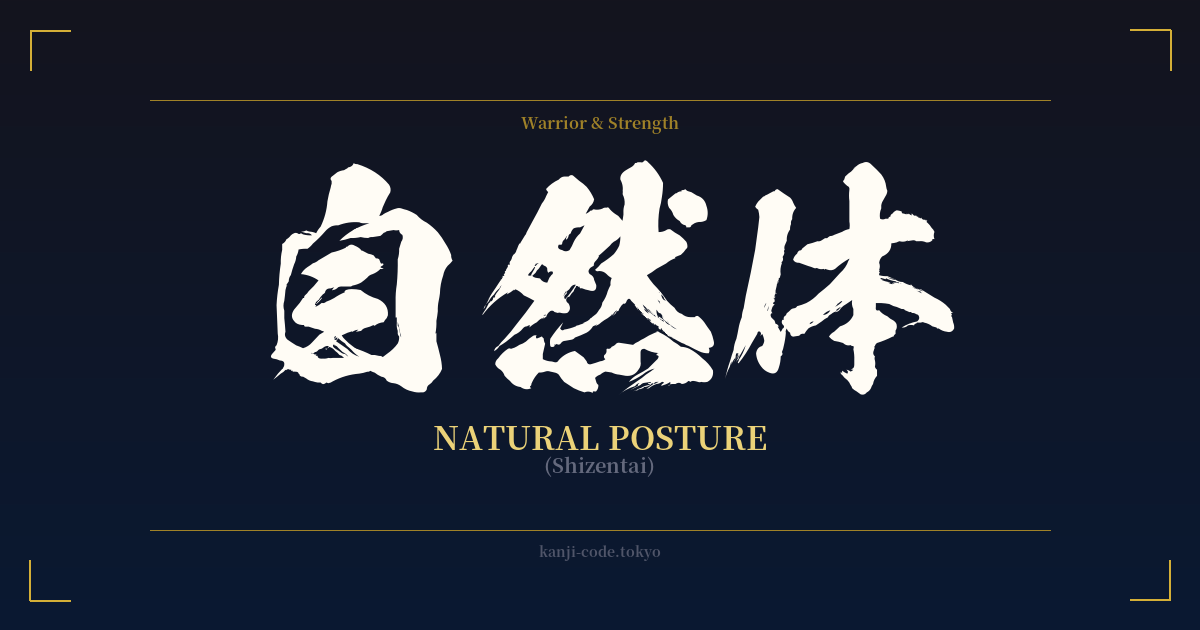
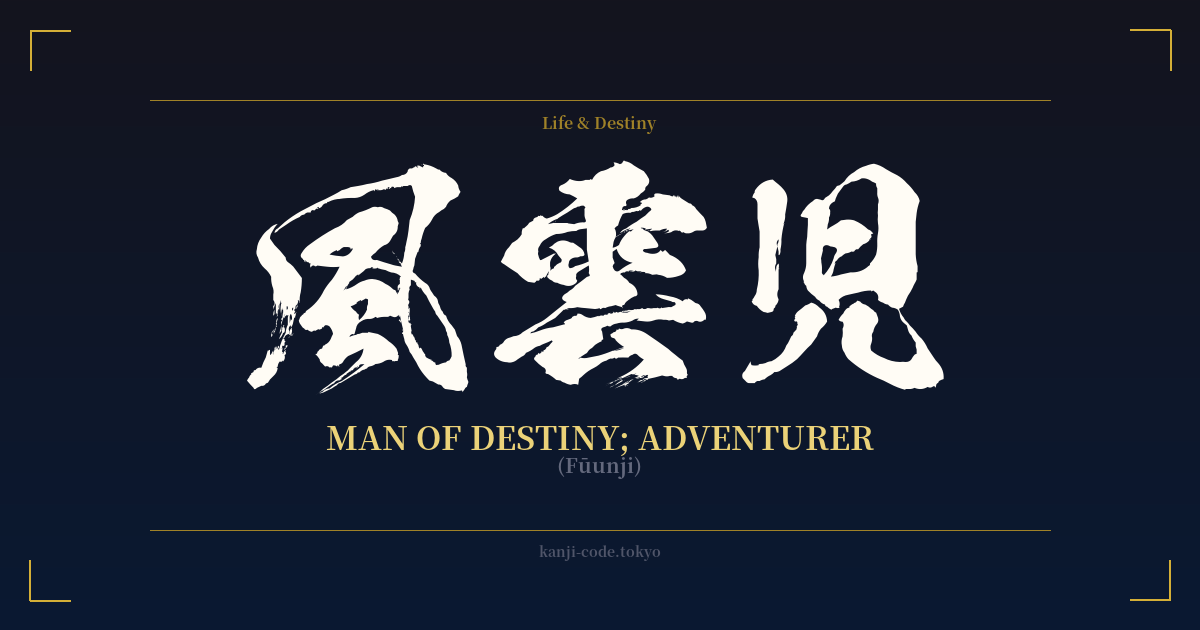
🖌️ Font Styles for 無頼漢
The same kanji can look dramatically different depending on the calligraphy style. Choose a font that matches the mood you want for your tattoo or design.
🎨 Tattoo Suitability
📐 Tattoo Design Guide
A design for 無頼漢 needs space to convey its detail and imposing nature. It's not a subtle piece.
– Placement: This three-character compound works best in a vertical orientation. Consider larger surface areas like the forearm, the calf, the ribs, or down the spine to allow the intricate strokes of each kanji to be clear and legible.
– Font Style: The font should match the rebellious and untamed spirit of the word. A rough, semi-cursive gyosho or a wild, almost illegible sosho style can emphasize the lawless vibe. For a more direct and forceful statement, a thick, heavy kaisho (block script) can look incredibly powerful, like a wanted poster.
– Visual Tips: Pair the kanji with imagery that reinforces the 'rogue' theme. Consider elements like crashing waves to signify a life against the current, a lone wolf, a storm, or a traditional Hannya mask to represent the internal turmoil and anger. A stark black ink design is classic, but adding a splash of blood-red can create a dramatic accent.
Comments