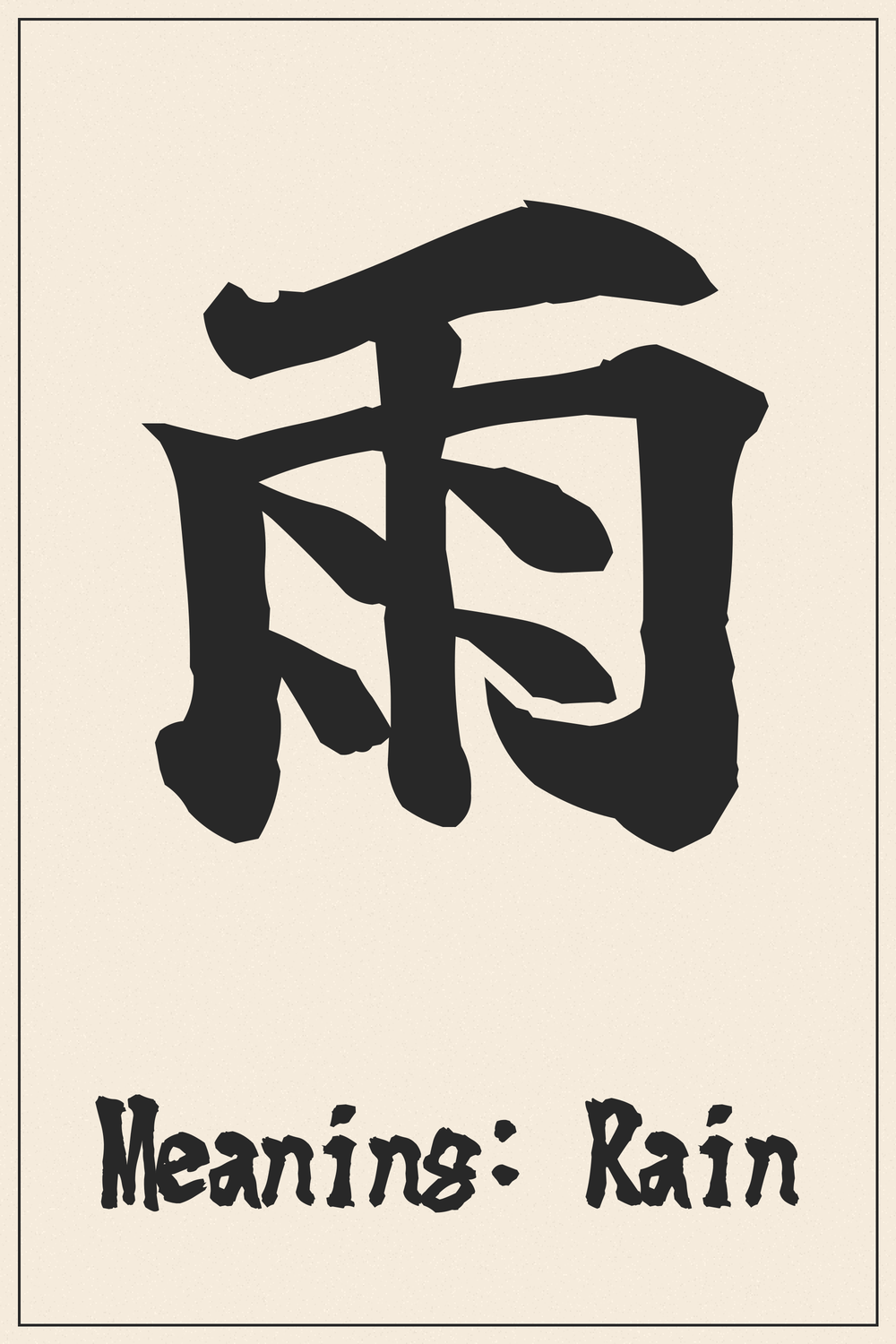
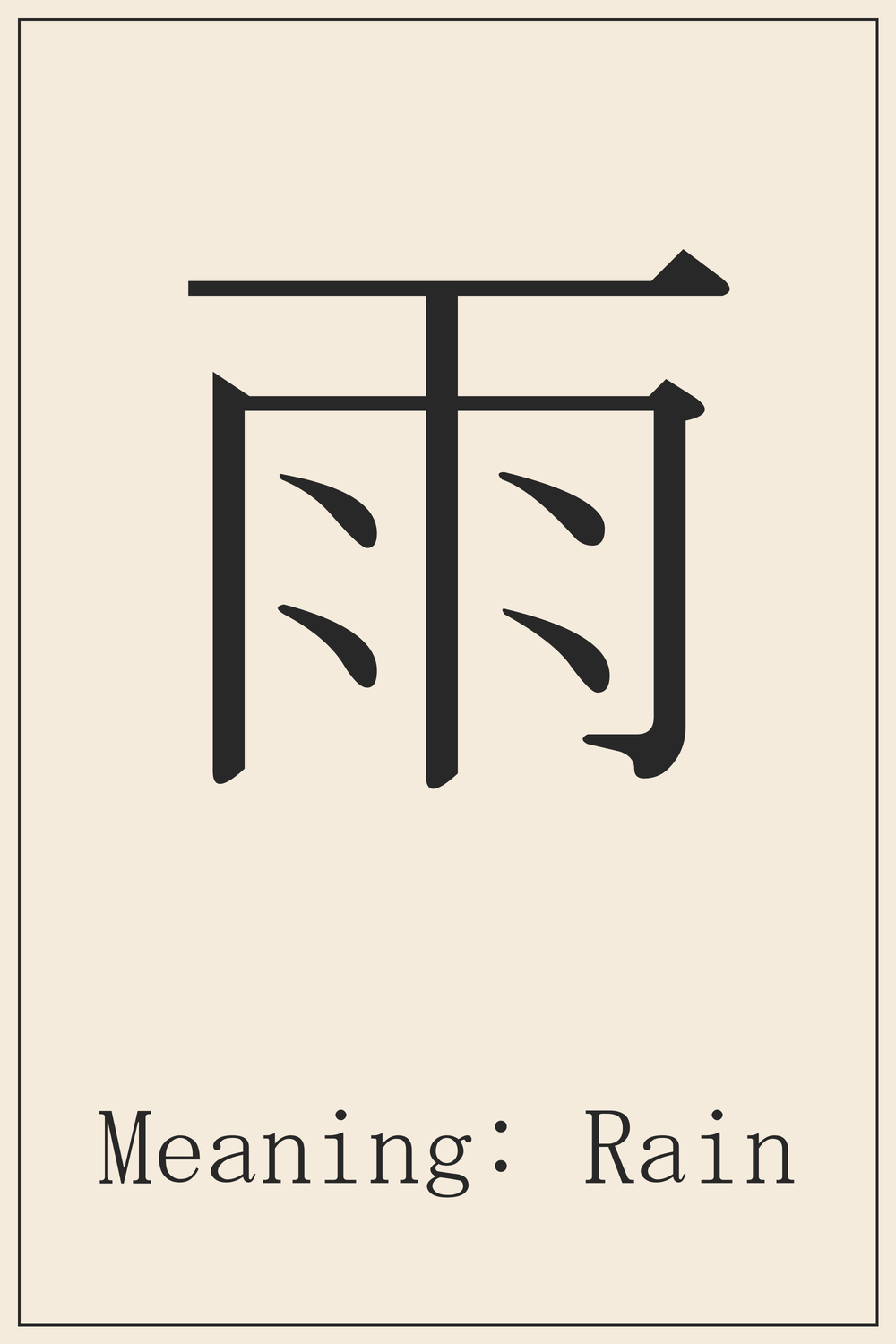
The Kanji 雨 beautifully encapsulates the essence of rain, a phenomenon vital to life and rich in cultural symbolism. It represents renewal, purification, and the gentle cycles of the natural world.
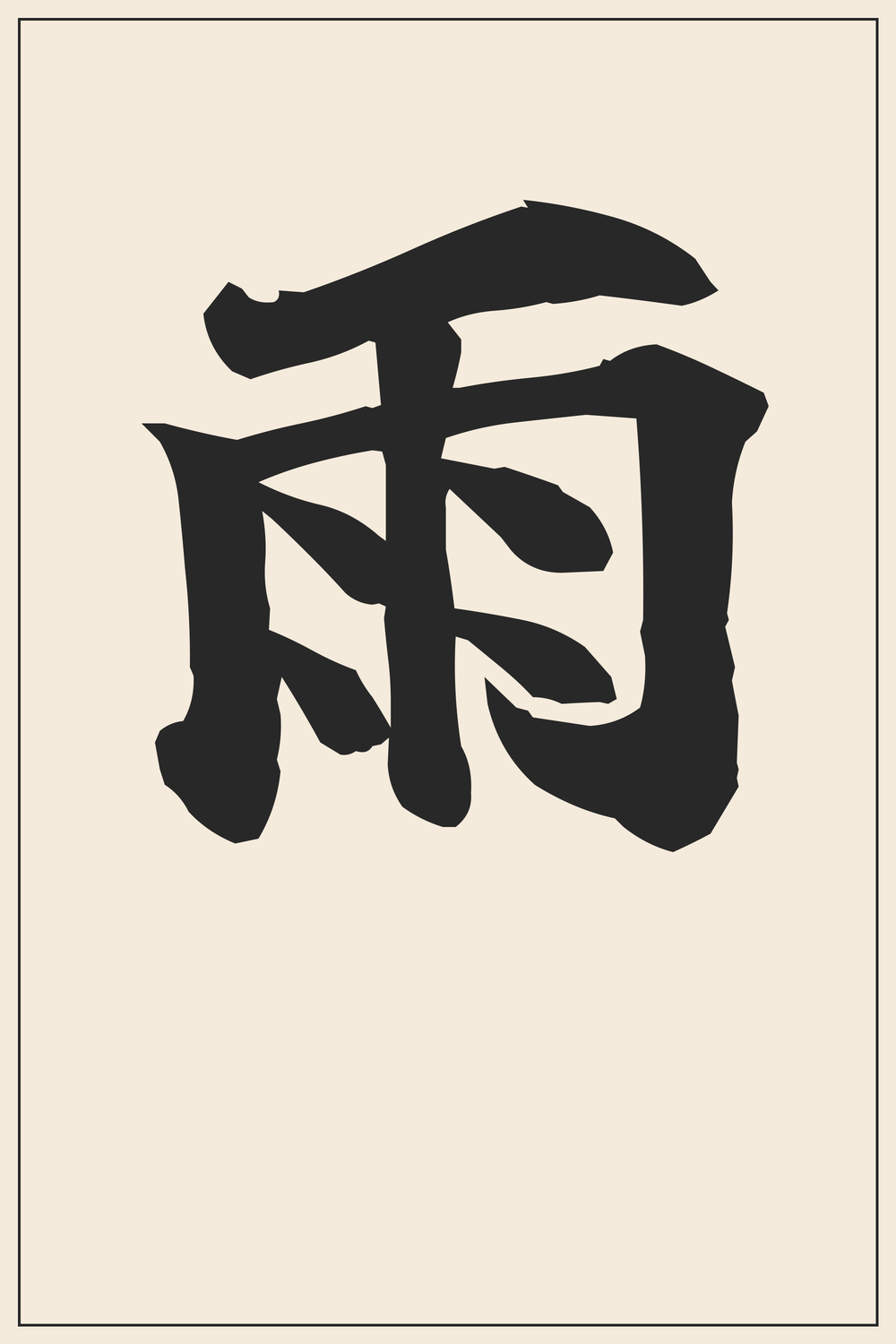
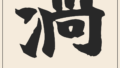
The atmosphere of a Kanji character changes dramatically depending on the font style. A character that looks elegant in a brush style might look bold and modern in a different font.
Recommendation:
Since a tattoo is permanent, we strongly recommend comparing various font styles beyond what is shown here. Use our designs as a trusted reference for the correct structure, but feel free to explore different artistic variations to find the perfect match for your vision.
The Deep Meaning Behind 雨
The Kanji 雨 is a pictograph whose origins can be traced back to ancient oracle bone script, where it vividly depicted clouds above and falling water droplets below. Over centuries, this visual representation evolved into its current, stylized form, clearly communicating the phenomenon of rain.
In Japanese culture, rain is far more than mere precipitation; it carries profound cultural significance. It is intrinsically linked to agriculture, symbolizing blessings, fertility, and the life-giving cycle of nature. 雨 frequently appears in classical poetry, especially haiku, where it evokes moods of serenity, introspection, and the transient beauty of the seasons.
Kanji Breakdown
The Kanji 雨 is a unified pictographic character, representing the concept of rain through its visual structure.
Pictograph for Rain: The character visually depicts the sky or clouds (the upper horizontal stroke with the downturned vertical strokes) from which raindrops (the four dots below) are falling. It’s a direct and elegant representation of the natural phenomenon itself.
Conclusion
The Kanji 雨 is more than just a symbol for precipitation; it embodies the profound connection between humanity and the natural world, signifying life, cleansing, and emotional resonance. It reminds us of nature’s gentle power and its cyclical beauty.
Choosing 雨 for a tattoo signifies an appreciation for nature’s subtle yet powerful forces. Its elegant structure and deep cultural roots make it a meaningful and aesthetically pleasing choice, symbolizing renewal and connection to the earth’s rhythms.
Comments