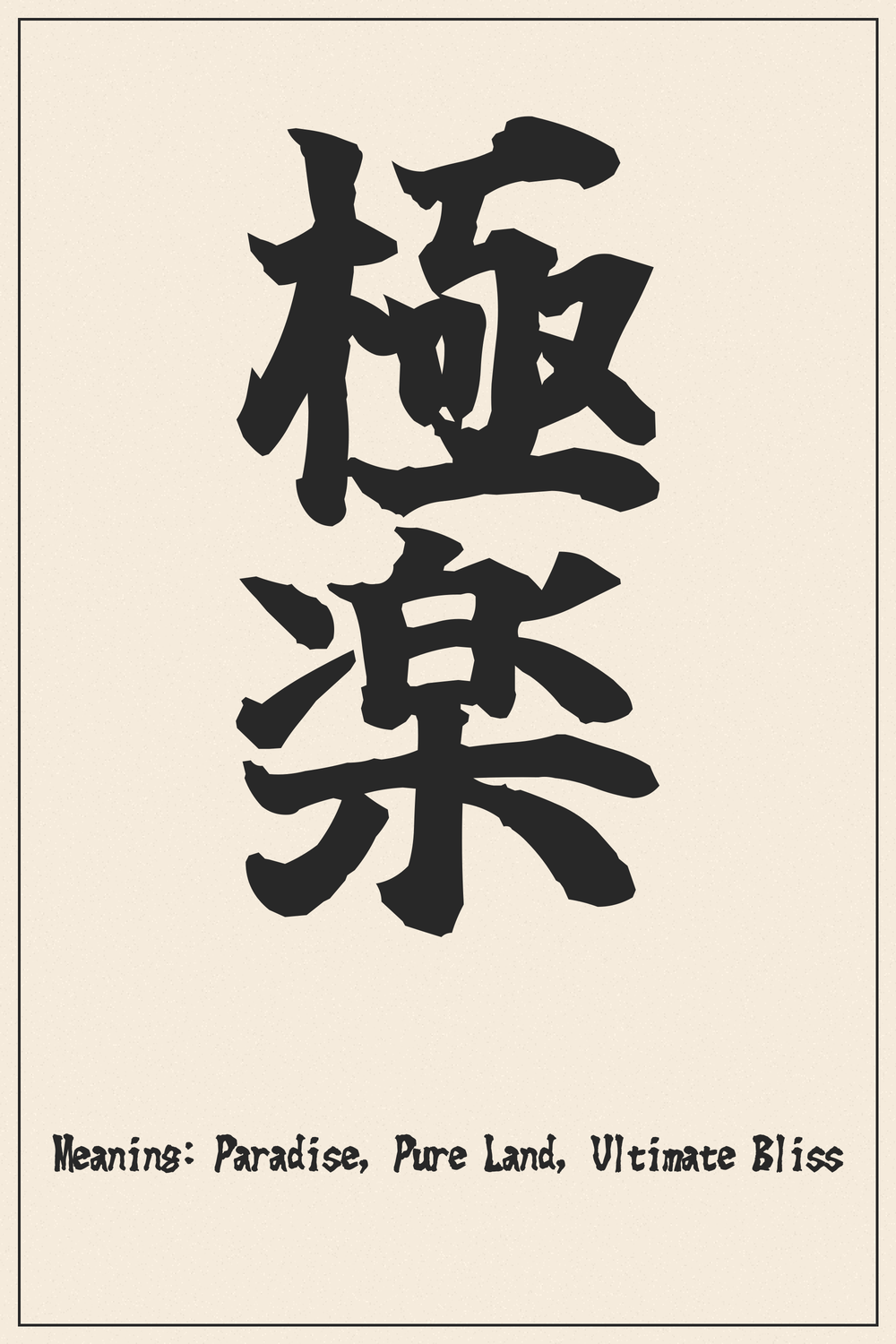
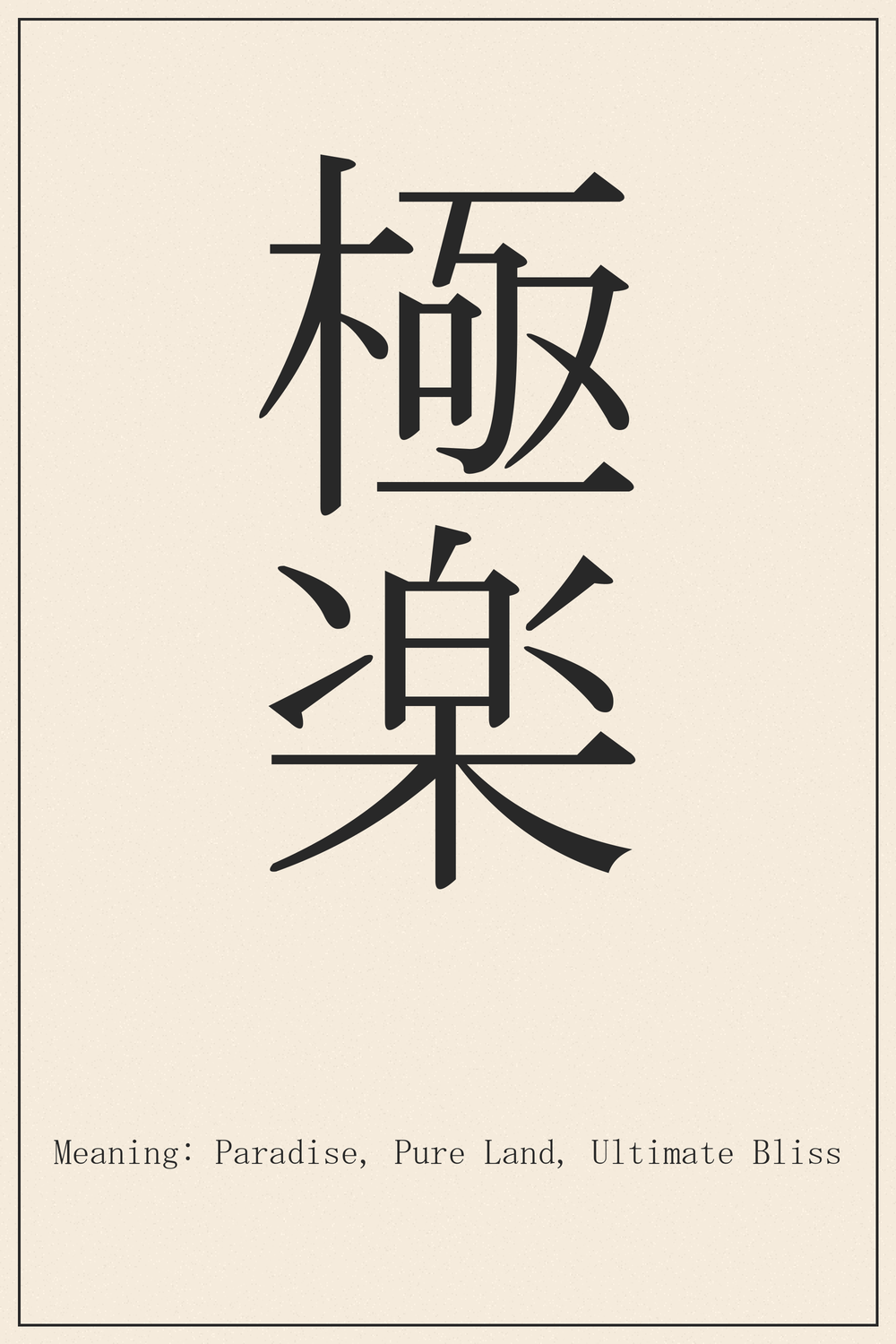
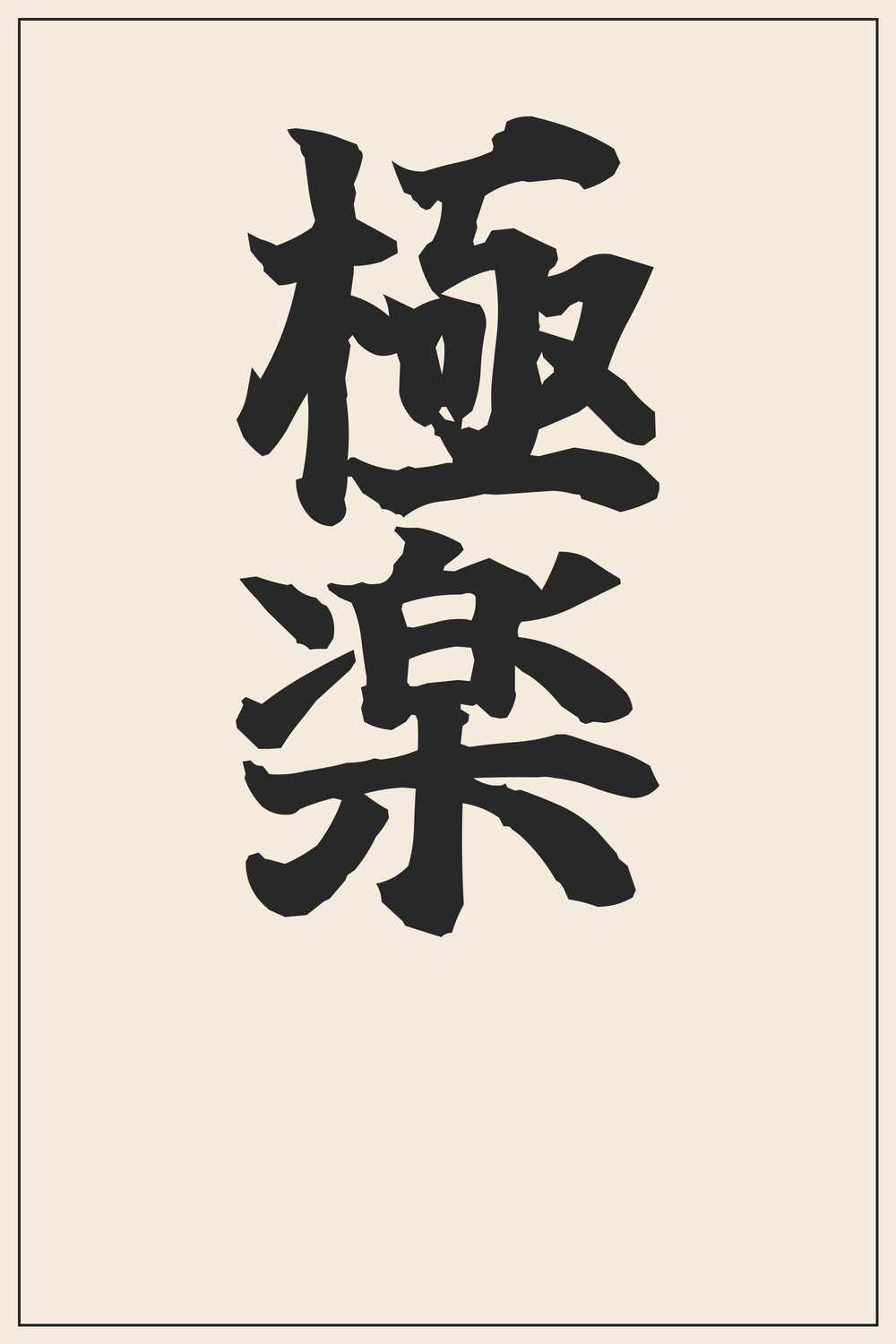
The Kanji compound 極楽 embodies the profound concept of ultimate bliss and a spiritual pure land. It represents an ideal state of existence, often associated with a serene afterlife.
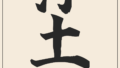
The atmosphere of a Kanji character changes dramatically depending on the font style. A character that looks elegant in a brush style might look bold and modern in a different font.
Recommendation:
Since a tattoo is permanent, we strongly recommend comparing various font styles beyond what is shown here. Use our designs as a trusted reference for the correct structure, but feel free to explore different artistic variations to find the perfect match for your vision.
The Deep Meaning Behind 極楽
The term 極楽 (Gokuraku) holds deep spiritual significance, primarily rooted in Pure Land Buddhism. It refers to the Western Pure Land (浄土, Jōdo), also known as Sukhavati, the pure abode of Amitabha Buddha, where beings can achieve enlightenment with ease.
In Japanese culture, 極楽 transcends its purely religious context to broadly describe any state of ultimate comfort, pleasure, or an idyllic place. It represents a desired escape from worldly suffering into a realm of profound serenity and happiness, making it a powerful symbol of aspiration.
Kanji Breakdown
The compound 極楽 is formed by two characters, each contributing to its rich meaning.
Meaning: Utmost, extreme, pole, highest point. This character conveys the idea of reaching an ultimate or apex state.
Meaning: Comfort, ease, pleasure, music. Originally depicting a stringed instrument, it evolved to signify joy, contentment, and an absence of hardship.
Conclusion
The Kanji 極楽 beautifully encapsulates the vision of a spiritual paradise, a realm of ultimate joy and tranquility. It is a powerful symbol representing not just an afterlife, but also an ideal state of mind and existence sought in this life.
For a tattoo, 極楽 serves as a profound reminder of aspirations for peace, happiness, and liberation from suffering. Its calligraphic elegance and deep cultural resonance make it an exceptional choice for a meaningful and inspiring design.
Comments