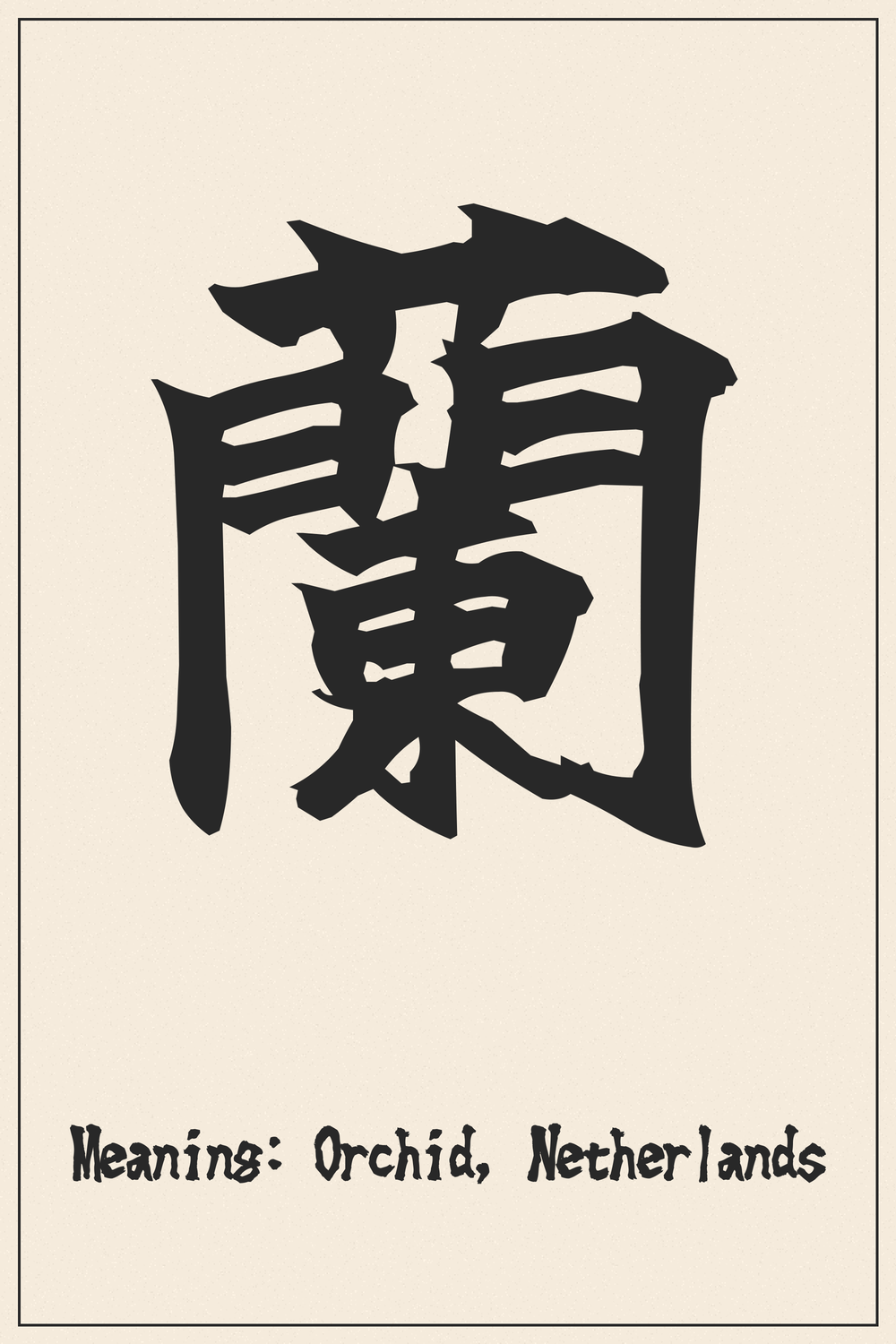
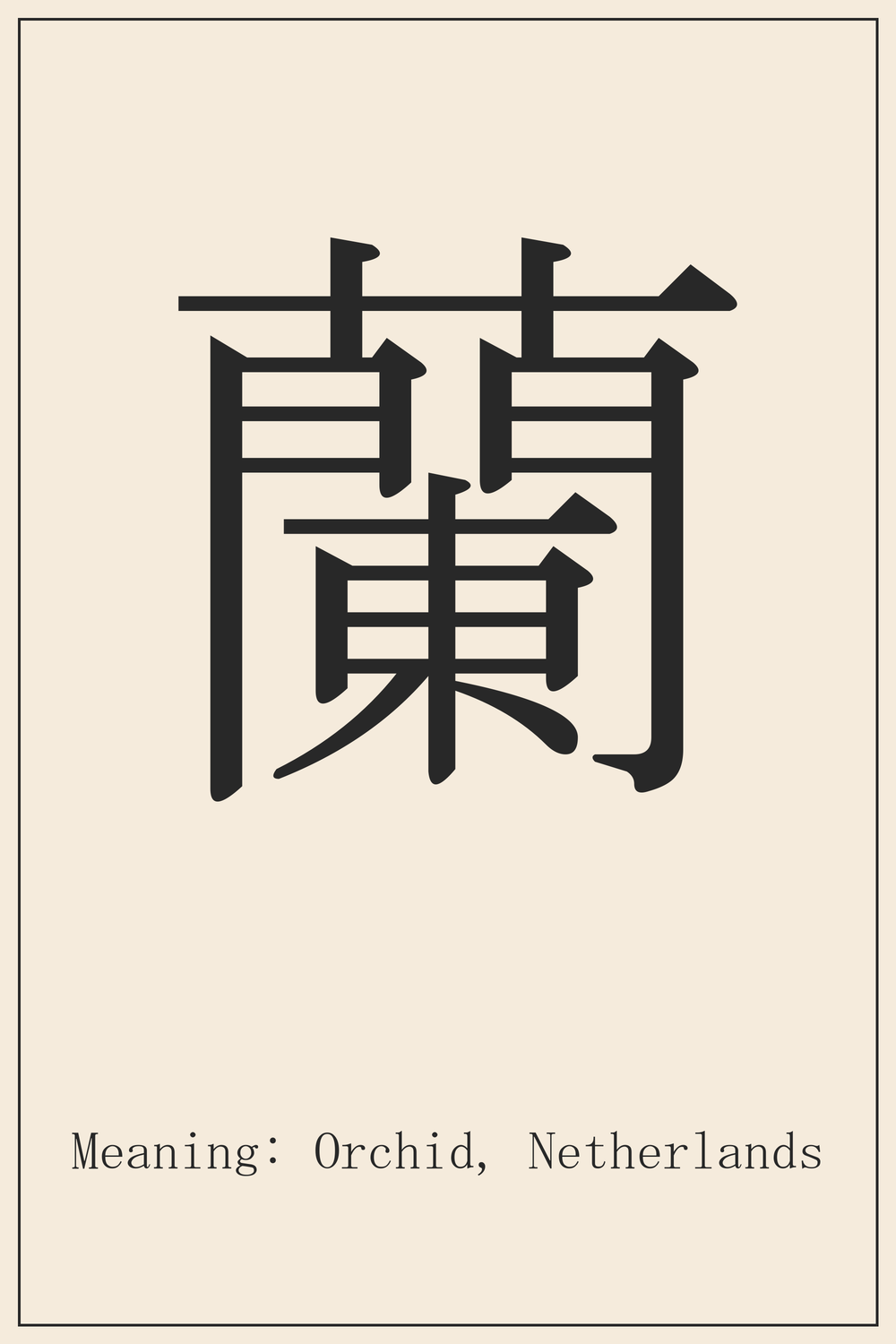
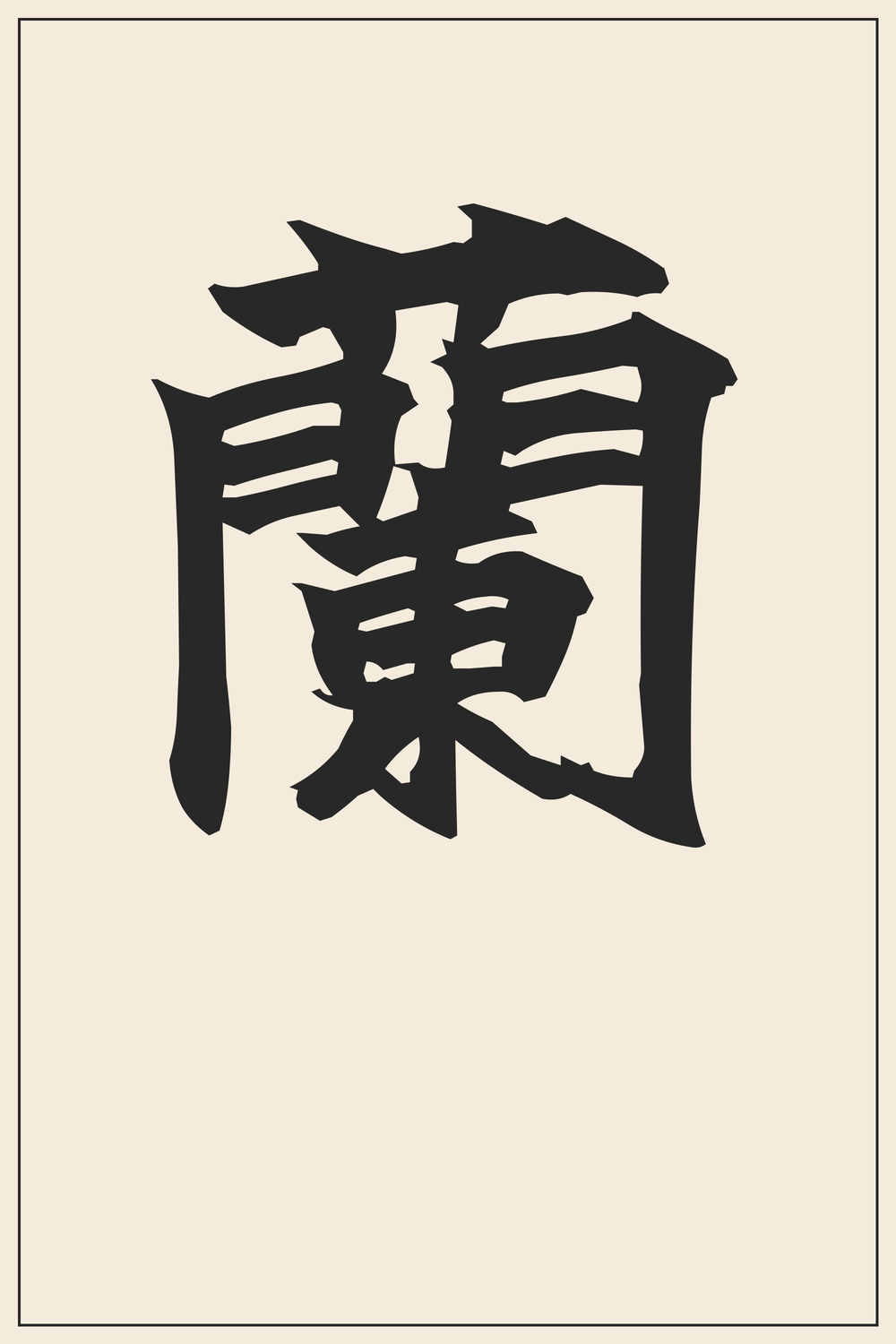
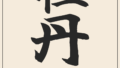
Embrace the refined beauty and profound symbolism of the Kanji 蘭. This character, representing the elegant orchid, conveys a sense of delicate grace and timeless allure, making it a powerful emblem for personal expression.
The atmosphere of a Kanji character changes dramatically depending on the font style. A character that looks elegant in a brush style might look bold and modern in a different font.
Recommendation:
Since a tattoo is permanent, we strongly recommend comparing various font styles beyond what is shown here. Use our designs as a trusted reference for the correct structure, but feel free to explore different artistic variations to find the perfect match for your vision.
The Deep Meaning Behind 蘭
The Kanji 蘭 is a phono-semantic compound. Its left radical, 艹 (kusa-gamae), clearly indicates its classification as a plant or herb. The right component, 闌 (ran), provides the phonetic reading, linking the character to its sound. Historically, the character evolved to specifically denote the orchid, a flower highly prized in East Asian cultures.
In Japanese culture, the orchid (蘭) is revered for its beauty, elegance, and fragrant blooms, often symbolizing refinement, nobility, and deep friendship. Beyond its floral meaning, 蘭 also serves as an abbreviation for ‘Holland’ or ‘Netherlands’ (和蘭, Oranda), reflecting historical trade and cultural exchange between Japan and the Dutch. This duality adds a layer of global connection to its symbolism.
Kanji Breakdown
The Kanji 蘭 is composed of two primary elements, each contributing to its form and meaning.
Grass Radical (kusa-gamae): This radical signifies that the character belongs to the category of plants or herbs, directly referencing the orchid’s botanical nature.
Phonetic Component (ran): This component provides the ‘ran’ reading for the Kanji. While its original individual meaning relates to ‘late’ or ‘gate bar’, in 蘭 it primarily serves as a sound indicator, making the character understandable phonetically.
Conclusion
The Kanji 蘭 beautifully encapsulates the essence of the orchid: elegance, purity, and exotic beauty. Choosing 蘭 for a tattoo speaks to an appreciation for refined aesthetics and a connection to nature’s delicate wonders.
Its association with both a cherished flower and the Netherlands offers a rich, layered meaning. Ensure the artist is skilled in handling its intricate strokes to achieve a lasting and clear tribute to this captivating character.
Comments