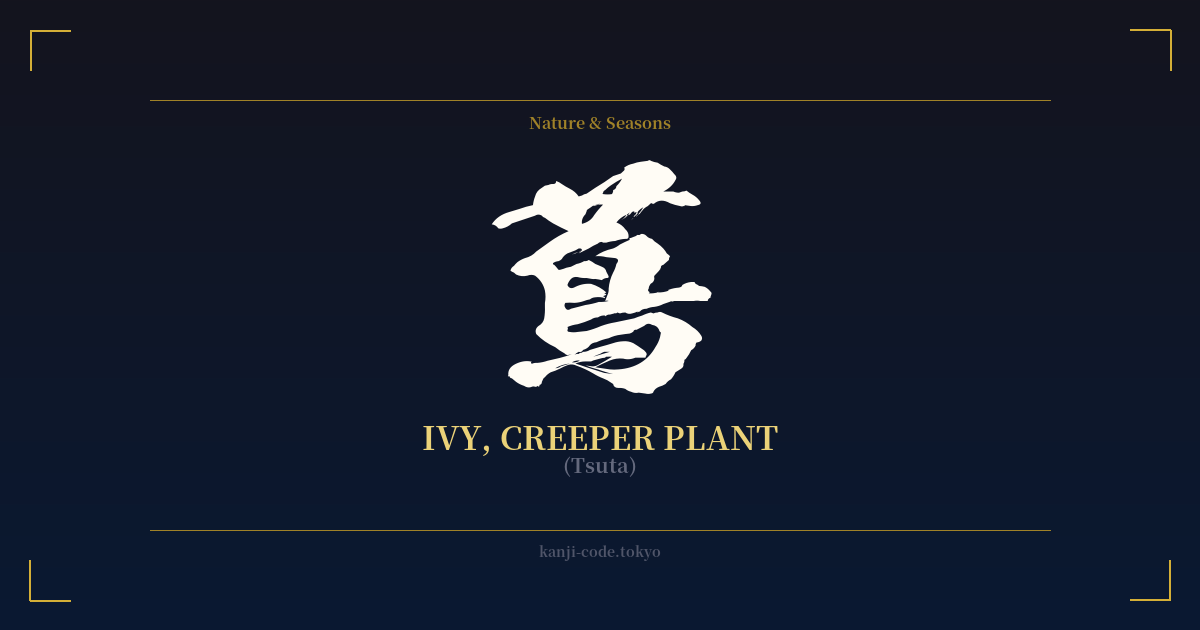
✍️ 蔦 (Tsuta) — Cultural Context
The kanji 蔦 (tsuta) refers to ivy and other creeping vines. While simple in its translation, its cultural significance in Japan is deep and multifaceted, weaving through history, art, and even modern pop culture.
At its core, tsuta symbolizes vitality, tenacity, and eternal life. Its ability to cling to surfaces, climb towards the sun, and thrive in various conditions represents a powerful life force. This imagery of connection is central to its meaning; ivy vines are seen as linking the past to the present, binding things together with a quiet, persistent strength.
Historically, this symbolism found a powerful expression in the world of the samurai. The ivy crest, or 'tsuta-mon' (蔦紋), became one of the most popular and elegant family crests (kamon). It was adopted by various samurai families, most notably a branch of the powerful Tokugawa clan. The crest's design, often a stylized trio of ivy leaves, represented the family's resilience, prosperity, and ability to endure through generations. Its widespread use speaks to the high regard in which this humble plant was held.
In Japanese aesthetics, ivy plays a crucial role in evoking a sense of wabi-sabi—the beauty found in imperfection and transience. The sight of an old temple wall, a stone lantern, or an ancient castle ruin covered in tsuta is a classic image in Japan. The vibrant green of the ivy in summer, turning to a brilliant crimson in autumn, marks the passage of seasons while suggesting that life continues to flourish even amidst decay. This visual is a poignant reminder of nature's gentle but inexorable power.
A famous modern example is Koshien Stadium, the legendary home of Japan's high school baseball championship. The stadium's exterior is famously covered in a thick blanket of ivy, planted shortly after its construction in 1924. The ivy has become synonymous with the stadium itself, representing the history, tradition, and enduring spirit of the games played within its walls.
🖌️ Font Styles for 蔦
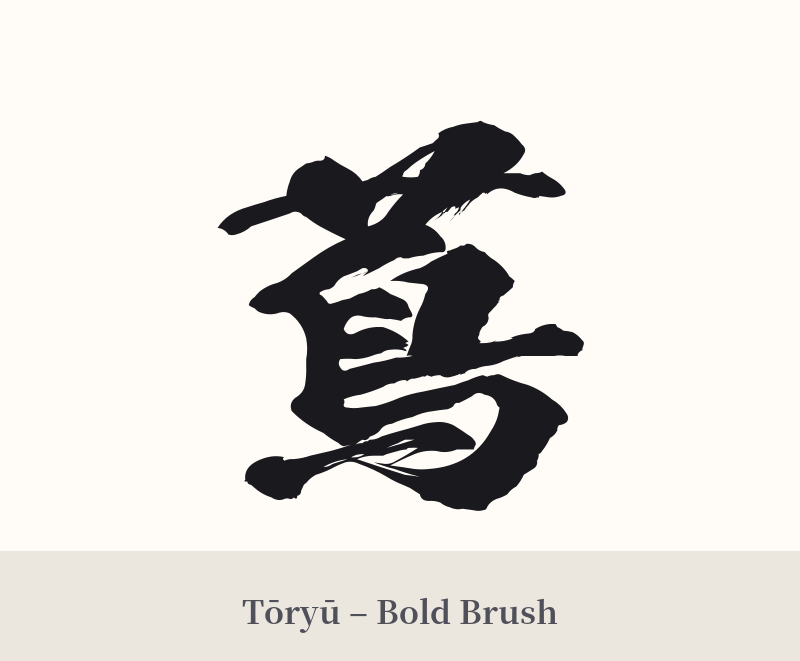
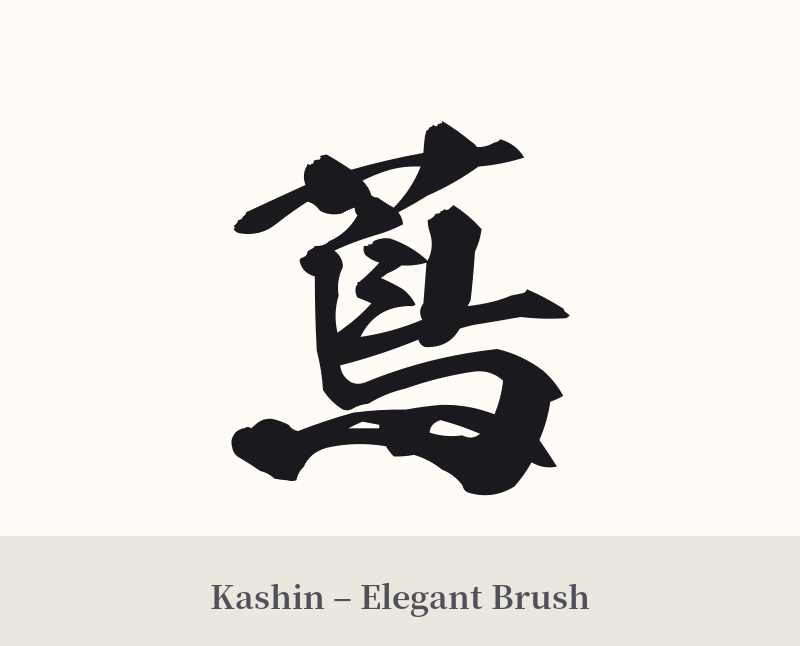
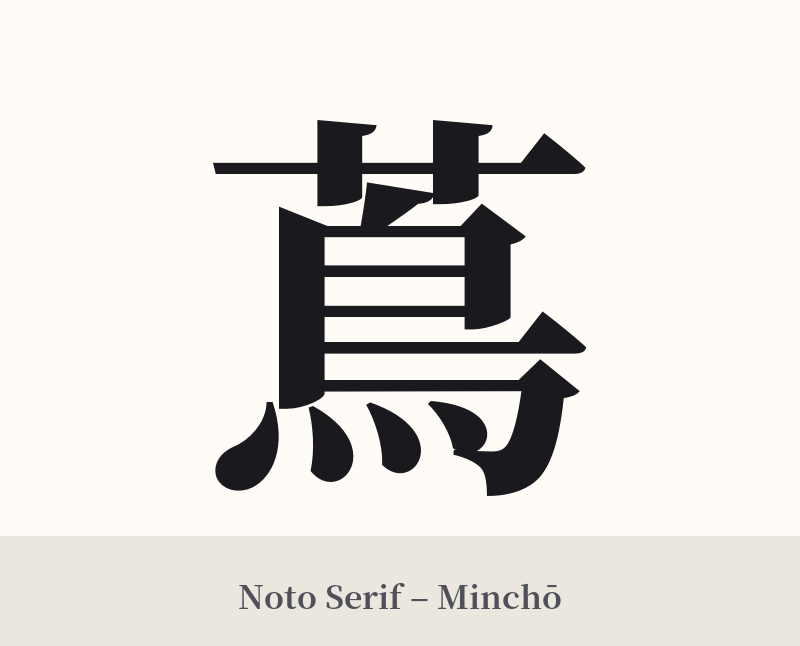
The same kanji can look dramatically different depending on the calligraphy style. Choose a font that matches the mood you want for your tattoo or design.
🎨 Tattoo Suitability
📐 Tattoo Design Guide
The kanji 蔦 (Tsuta) offers wonderful opportunities for a visually dynamic tattoo. Its inherent connection to a climbing plant lends itself to creative compositions.
– Placement: Consider places on the body that suggest growth or wrapping. A tattoo on the forearm, calf, or spiraling around an ankle can mimic the climbing nature of ivy. For a larger piece, it could be the centerpiece of a design that flows up the ribs or across the back.
– Font Style: A semi-cursive (gyōsho) or cursive (sōsho) calligraphy style works exceptionally well. These fluid scripts emphasize the organic, flowing lines of the kanji, enhancing its connection to the plant. For a bolder, more crest-like feel reminiscent of the 'tsuta-mon', a strong block script (kaisho) can be very effective.
– Visual Tips: To make the meaning explicit and beautiful, consider integrating the kanji with illustrations of ivy vines. The vines could appear to grow out of the kanji's strokes or wrap around it. Using color, such as vibrant greens or the deep reds of autumn ivy, can add another layer of meaning and visual appeal.
Comments