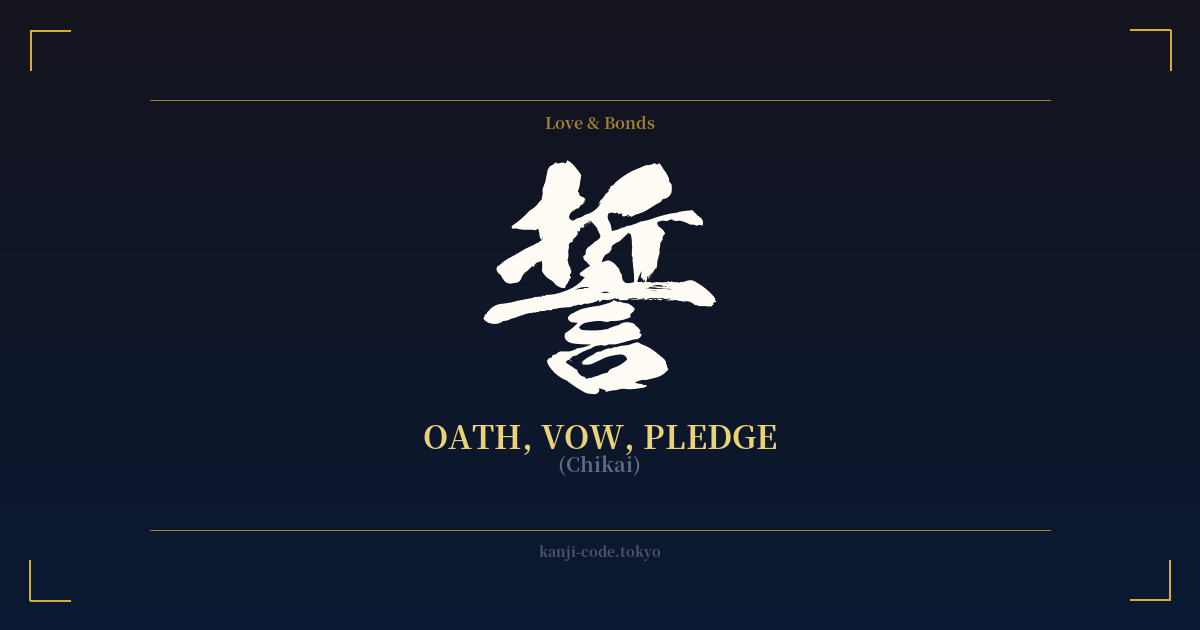
✍️ 誓 (Chikai) — Cultural Context
The Japanese kanji 誓 (chikai) represents a concept far more profound than a simple promise. It embodies a solemn oath, a sacred vow, or an unbreakable pledge—a commitment that is deeply personal and often bound by honor.
Etymologically, the character itself tells a story. It is composed of two distinct parts: 言 (gen), meaning 'word' or 'speech', and 折 (setsu), which can mean 'to break' or 'to be decisive'. Together, they create the image of 'decisive words'—a statement that is set apart from casual conversation, made with firm resolve and an understanding of its weight. This isn't just a promise; it's a declaration that defines one's character and future actions.
Historically, the concept of 'chikai' is deeply intertwined with the samurai and their code of Bushido. A samurai's oath of loyalty to their lord was the bedrock of their existence. These were not mere contracts but sacred vows, sometimes sealed with blood, where breaking the oath was a disgrace worse than death. This historical context imbues the character with a sense of gravity, honor, and life-or-death consequence.
This solemnity extends into spiritual and personal rituals. In Shintoism, worshippers make pledges to the kami (gods) at shrines, often writing their 'chikai' on wooden plaques called 'ema'. These can be vows to overcome an illness, pass an exam, or achieve a personal goal. The act of writing the vow and leaving it at the shrine is a formal act of commitment witnessed by the divine.
In modern Japan, 誓 remains a powerful word reserved for significant moments. The exchange of wedding vows is a prime example of a 'chikai'. The term 'seiyaku' (誓約) refers to a formal contract or pledge, and 'sensei' (宣誓) is the formal oath one takes in a court of law or when assuming public office. It appears frequently in Japanese pop culture, from manga to anime, where heroes make dramatic vows to protect their friends or achieve an impossible dream, channeling their determination into a single, powerful declaration.
To choose 誓 is to embrace the idea of unwavering commitment. It signifies a promise made not just to others, but to oneself—a guiding principle to live by, rooted in sincerity and strength of will.
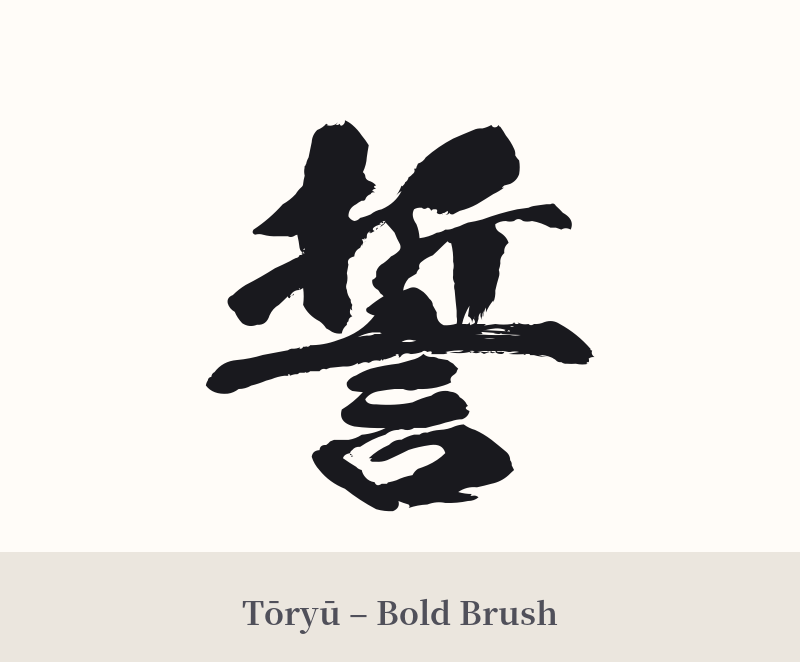
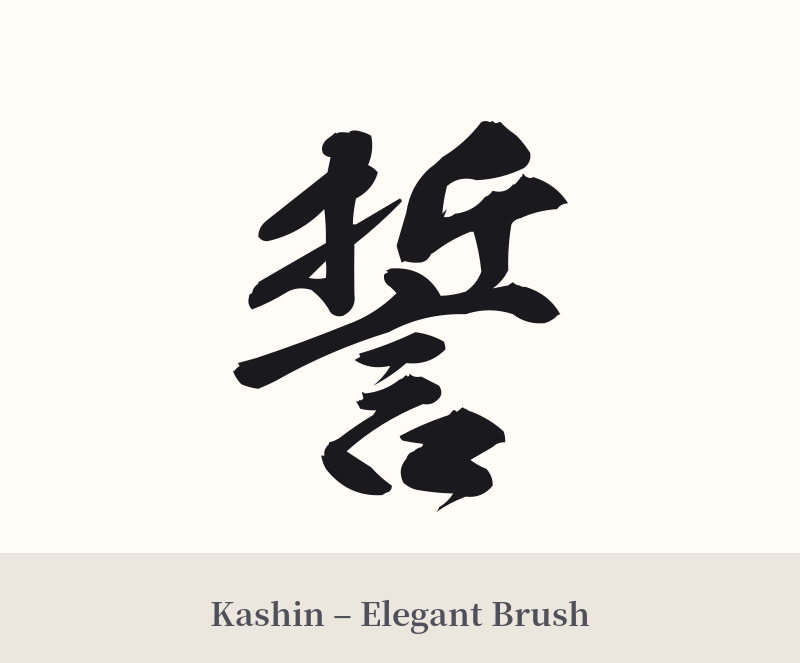
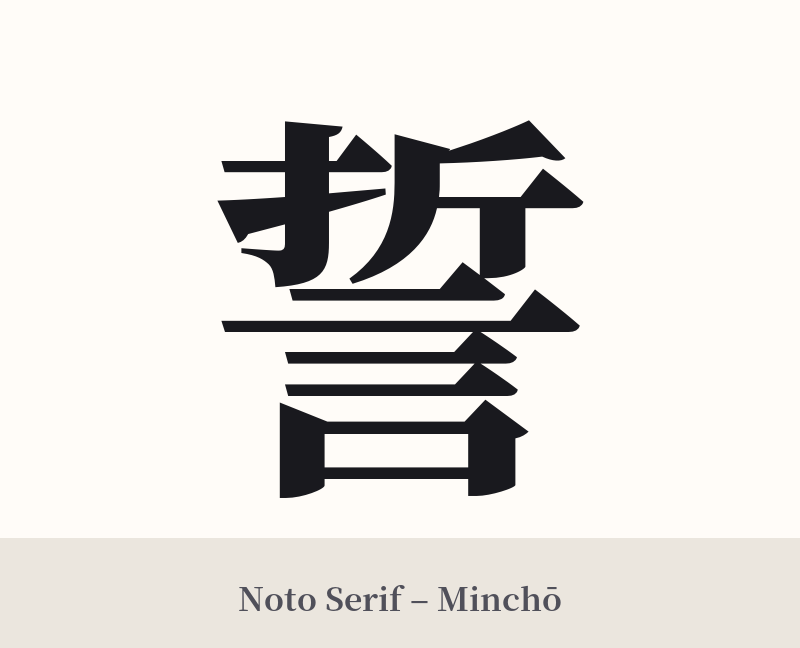
🖌️ Font Styles for 誓
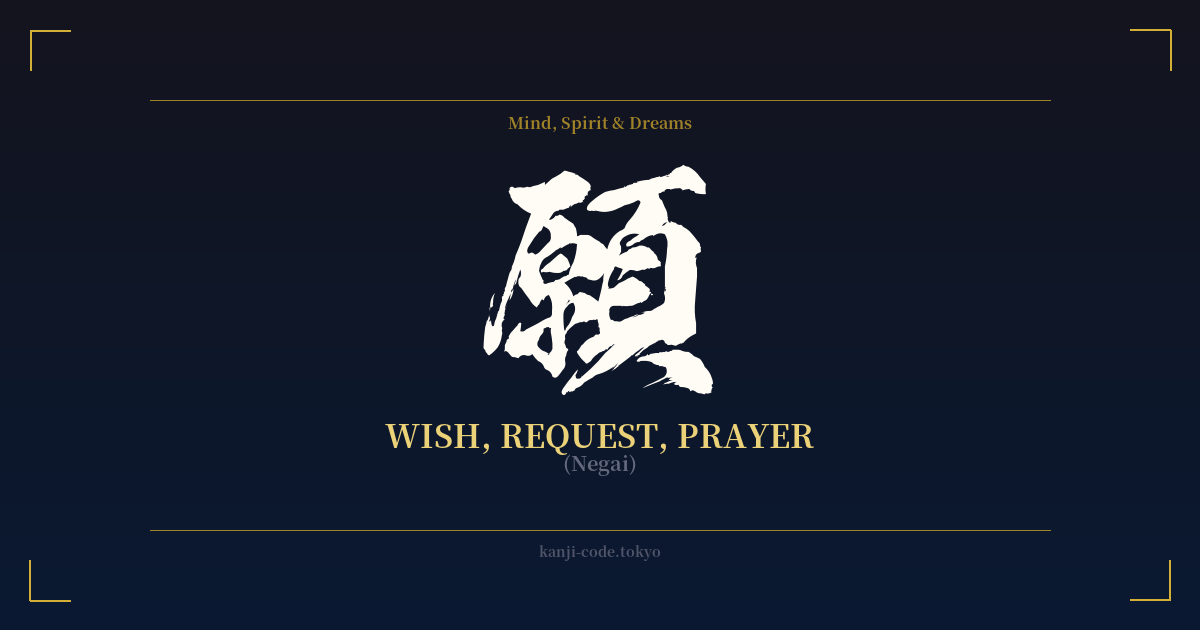
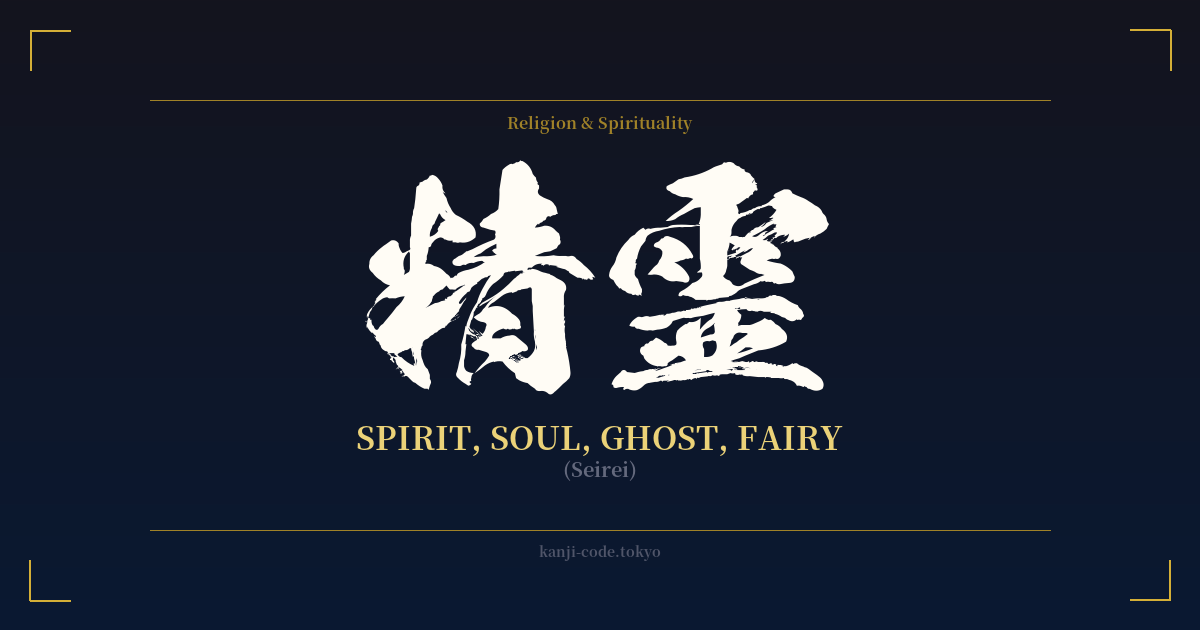
The same kanji can look dramatically different depending on the calligraphy style. Choose a font that matches the mood you want for your tattoo or design.
🎨 Tattoo Suitability
📐 Tattoo Design Guide
A tattoo of 誓 (chikai) is a bold statement of commitment and integrity. Its design should reflect this inherent strength.
– Placement: Consider locations that feel personal and significant. The forearm makes the vow visible, a constant reminder of your pledge. The chest, over the heart, connects the oath to your core being. The upper back can symbolize a foundational principle that supports you.
– Font Styles: The style can dramatically alter the feeling. A thick, angular script like a Gothic Mincho or a blocky Kaisho style emphasizes stability and unbreakable strength. For a more personal and emotional feel, a flowing semi-cursive (Gyosho) or cursive (Sosho) calligraphy style can represent the passion behind the vow.
– Complementary Imagery: While powerful on its own, 誓 can be paired with other elements. A red hanko (seal) stamp design near the kanji can signify a formally sealed and binding oath. Incorporating a motif of a strong knot or a shimenawa (sacred Shinto rope) can visually reinforce the idea of an unbreakable bond. For a touch of Japanese aesthetics, placing it alongside a single, resolute bamboo stalk can represent the integrity and flexibility needed to uphold such a vow.
Comments