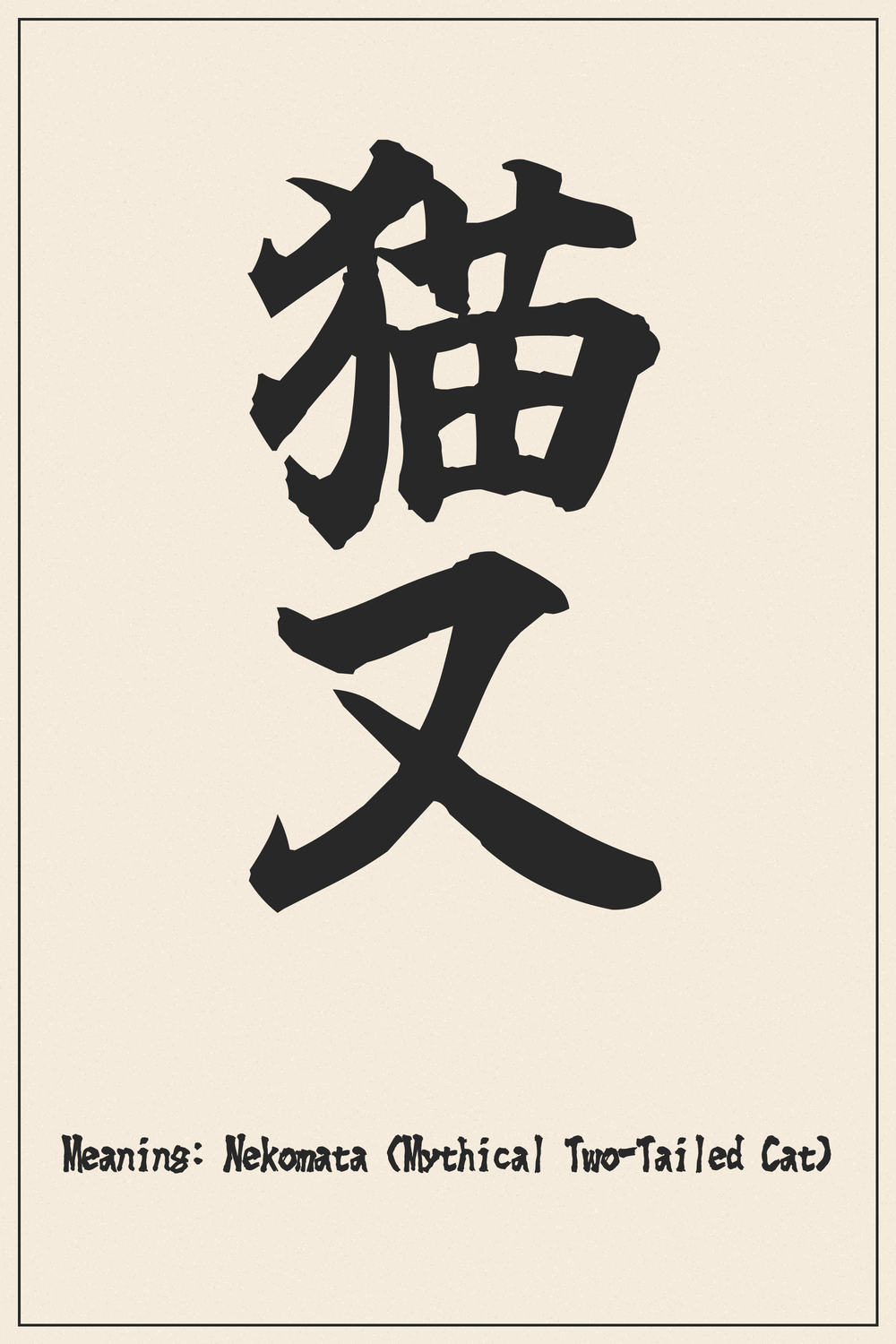
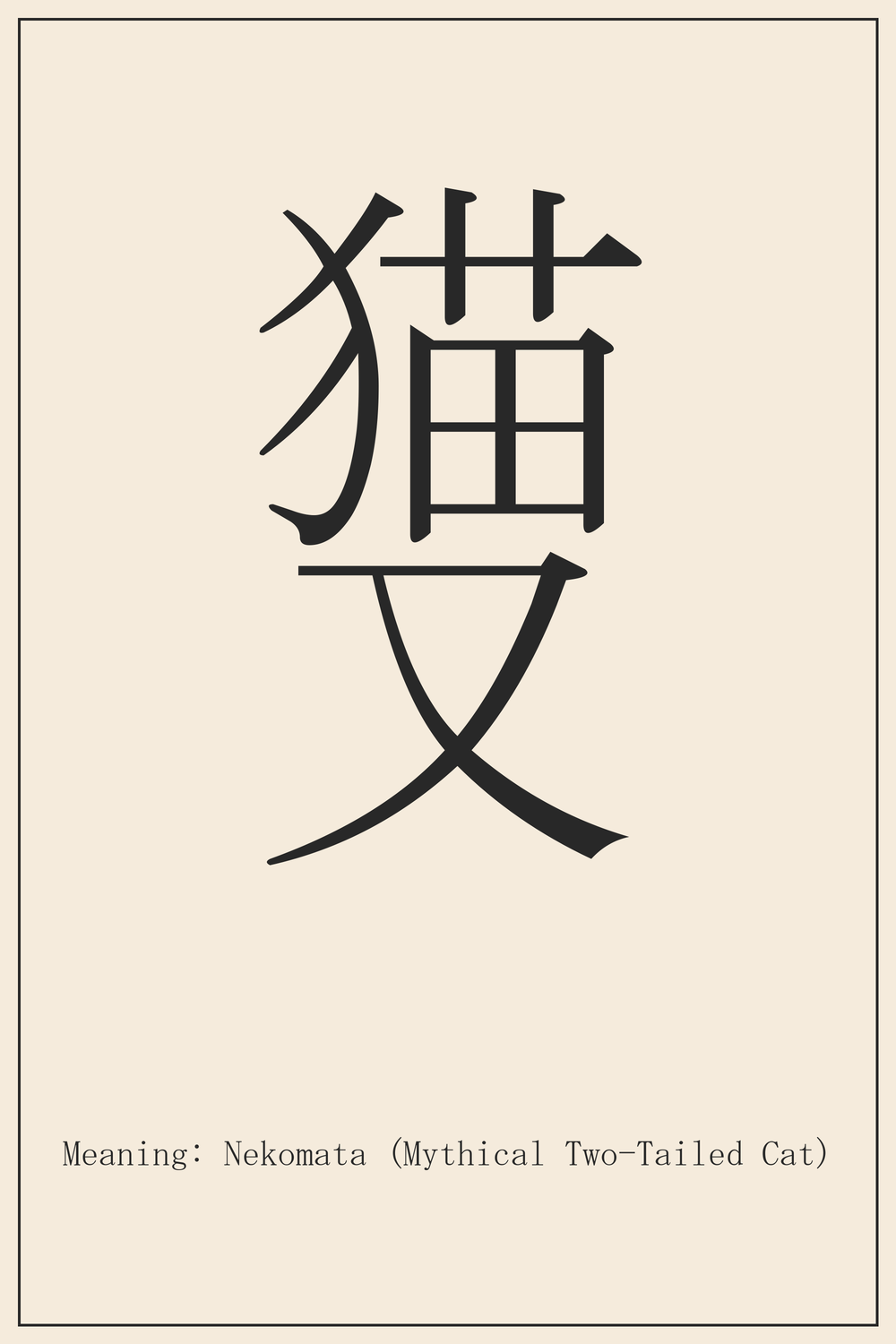
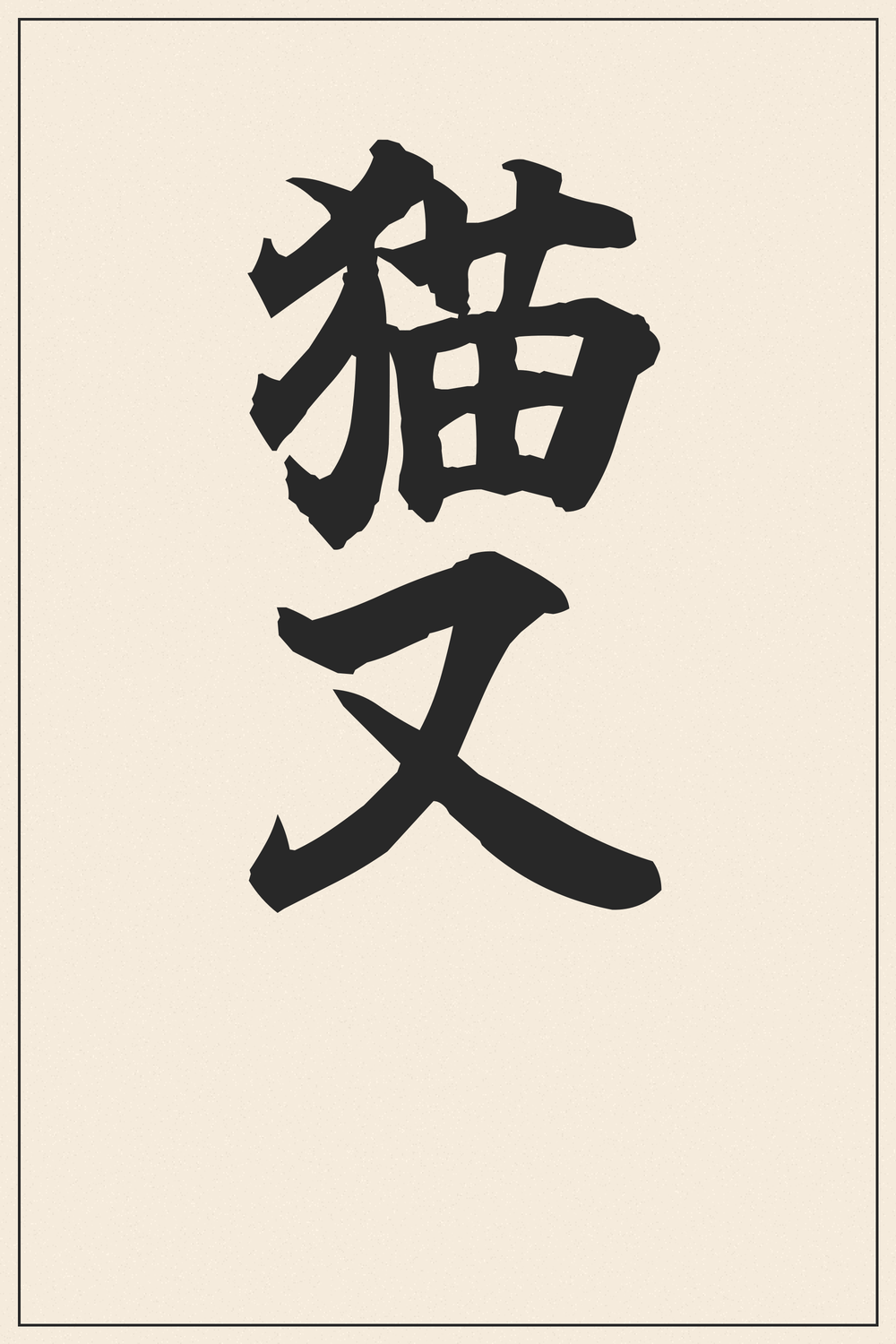
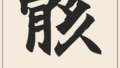
Delve into the enigmatic world of Japanese folklore with ‘Nekomata’, a potent symbol of transformation and supernatural power. This Kanji embodies the intriguing mystery of feline spirits.
The atmosphere of a Kanji character changes dramatically depending on the font style. A character that looks elegant in a brush style might look bold and modern in a different font.
Recommendation:
Since a tattoo is permanent, we strongly recommend comparing various font styles beyond what is shown here. Use our designs as a trusted reference for the correct structure, but feel free to explore different artistic variations to find the perfect match for your vision.
The Deep Meaning Behind 猫又
The term ‘Nekomata’ (猫又) refers to a type of yōkai, or supernatural creature, in Japanese folklore. It is typically depicted as a cat that has undergone a transformation, often growing a second tail as it ages or gains supernatural abilities.
These creatures are rooted in ancient Japanese beliefs, evolving from popular superstitions about cats and their perceived uncanny nature. Nekomata are often portrayed as intelligent, mischievous, and sometimes malevolent entities, capable of speaking human languages, walking on two legs, and even shapeshifting.
Kanji Breakdown
The compound ‘Nekomata’ is formed from two distinct Kanji, each contributing to its rich meaning.
Meaning: Cat. This character is composed of the radical 豸 (chū, meaning ‘beast’ or ‘mammal’) and 苗 (byō/myō, meaning ‘seedling’ or ‘grow’). It pictographically represents a creature, the cat, known for its agile and growing nature.
Meaning: Again, also; forked. This character is a pictograph of a right hand. In the context of Nekomata, it signifies the ‘forked’ or ‘two-tailed’ aspect, referring to the characteristic bifurcated tail of the mythical cat.
Conclusion
The ‘Nekomata’ Kanji beautifully encapsulates the allure of Japanese folklore, representing a creature born from the ordinary yet transcending into the extraordinary. It speaks to themes of transformation, hidden power, and the mystical side of nature.
Opting for a ‘Nekomata’ tattoo is a choice that signifies an appreciation for unique mythology and the enigmatic forces of the spirit world. It’s a design that carries deep cultural resonance, perfect for those drawn to the more fantastical elements of Japanese tradition.
Comments