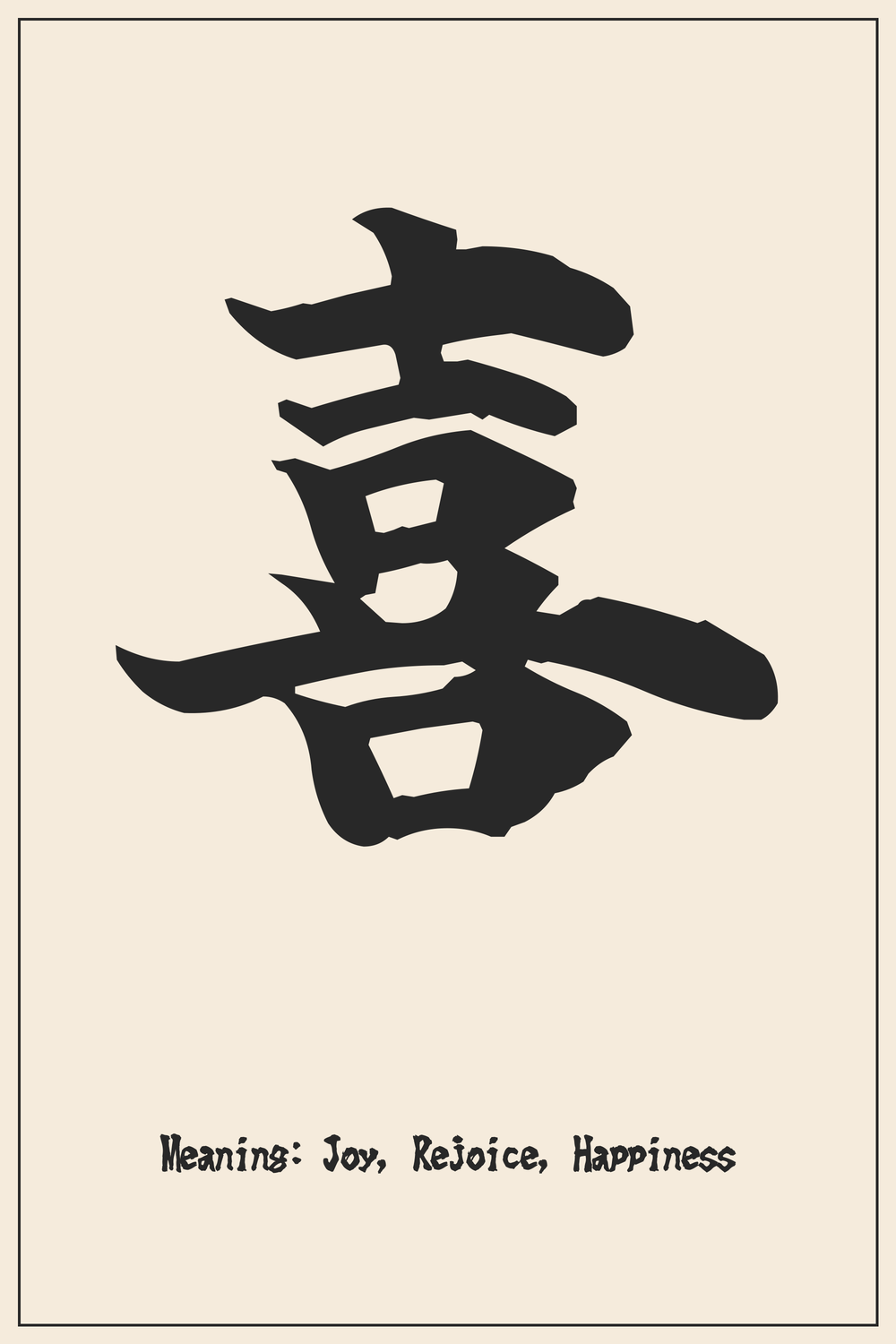
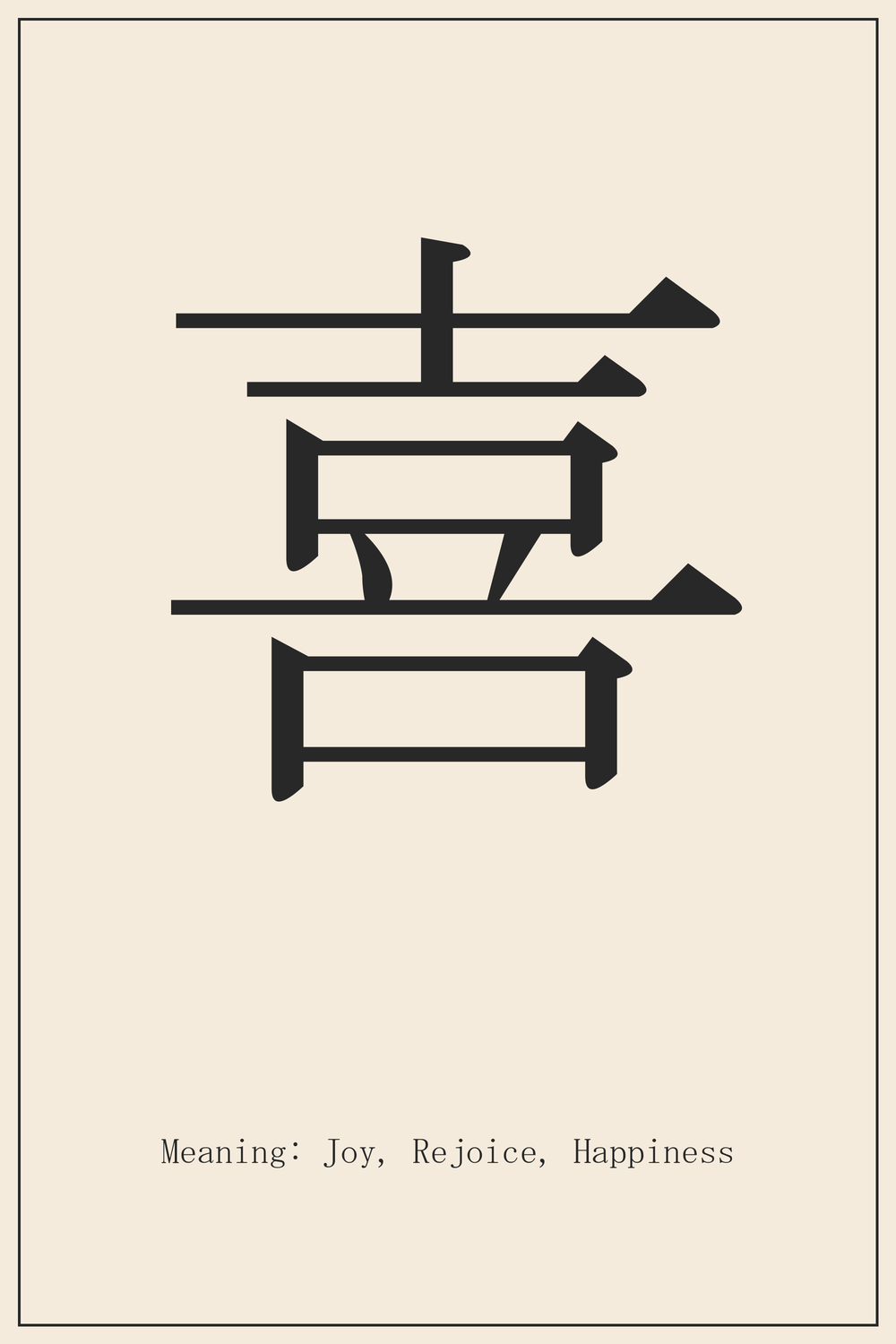
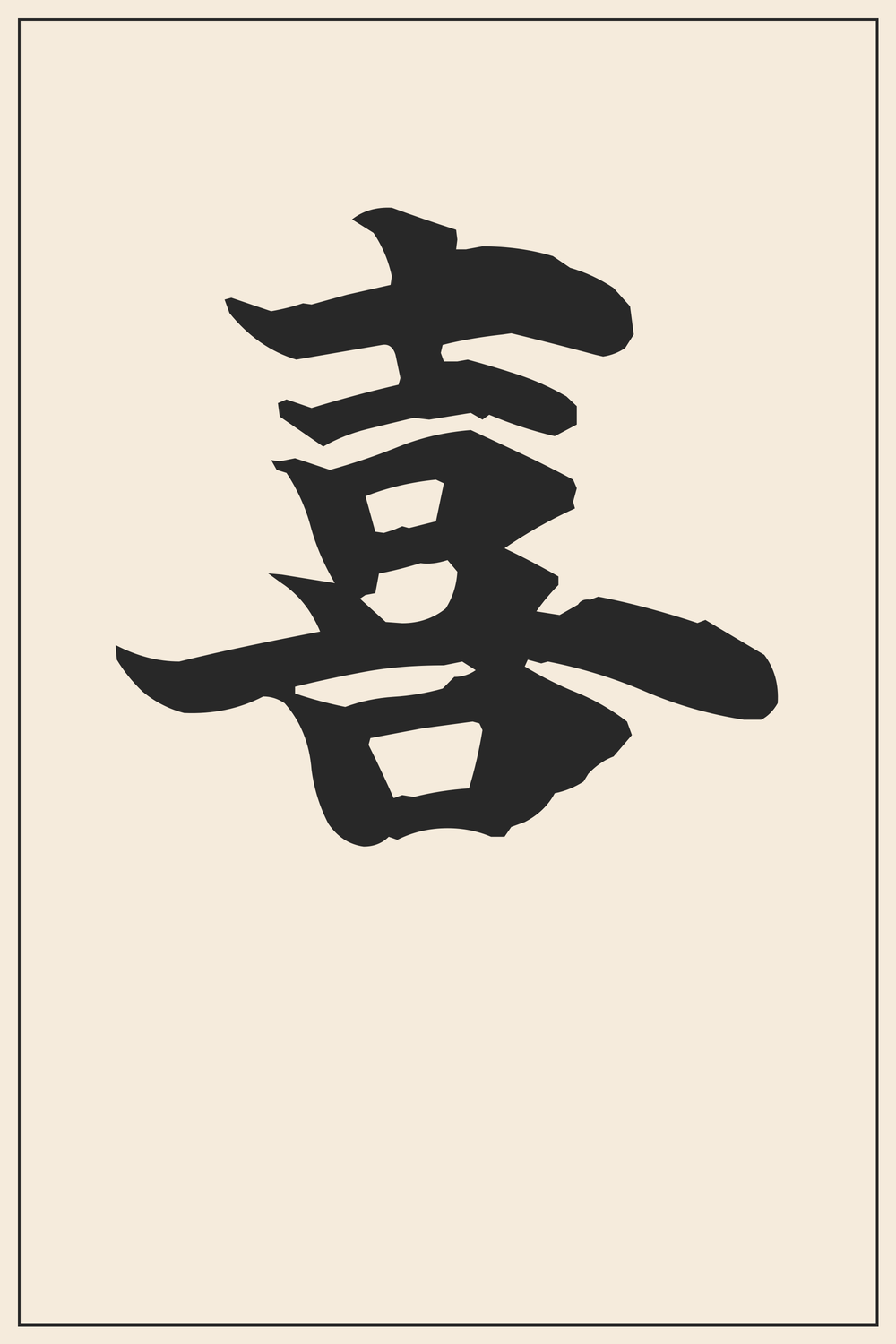
The Kanji 喜 encapsulates the profound essence of joy, a universal emotion that enriches the human spirit. It serves as a powerful reminder to cherish moments of happiness and express heartfelt delight.
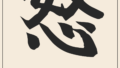
The atmosphere of a Kanji character changes dramatically depending on the font style. A character that looks elegant in a brush style might look bold and modern in a different font.
Recommendation:
Since a tattoo is permanent, we strongly recommend comparing various font styles beyond what is shown here. Use our designs as a trusted reference for the correct structure, but feel free to explore different artistic variations to find the perfect match for your vision.
The Deep Meaning Behind 喜
The Kanji 喜 (ki) is pictographically derived, traditionally depicting a drum (鼓) on a stand (口) or a ritual vessel, alongside an upper element that signifies a joyful sound or expression. This composition evokes the imagery of celebratory music or festive gatherings, where joy is openly expressed.
In Japanese culture, 喜 is central to expressing happiness and delight in both personal and communal contexts. It is frequently seen in expressions of congratulations, celebrations, and well-wishes. Its presence signifies genuine pleasure and shared good fortune, deeply embedded in social interactions.
Kanji Breakdown
The character 喜 is composed of elements that historically contribute to its overall meaning of joy and celebration.
Drum/Joyful Sound: This ancient component visually represents a drum on a stand, or more broadly, the act of making joyful music. It signifies the source or context of celebration and happiness.
Mouth/Speech: Meaning ‘mouth’ or ‘opening’, in this context, it symbolizes vocal expressions of joy, such as cheering, laughter, or happy exclamations, adding to the idea of audible celebration.
Conclusion
The Kanji 喜 is more than a symbol for happiness; it embodies the essence of celebration and heartfelt delight. Its historical roots in communal festivities highlight its enduring connection to shared joy and positive experiences.
For those seeking a tattoo that radiates positivity and celebrates the good moments in life, 喜 is an exceptional choice. It is a constant affirmation to embrace happiness and express gratitude, making it a powerful and meaningful addition to your personal canvas.
Comments