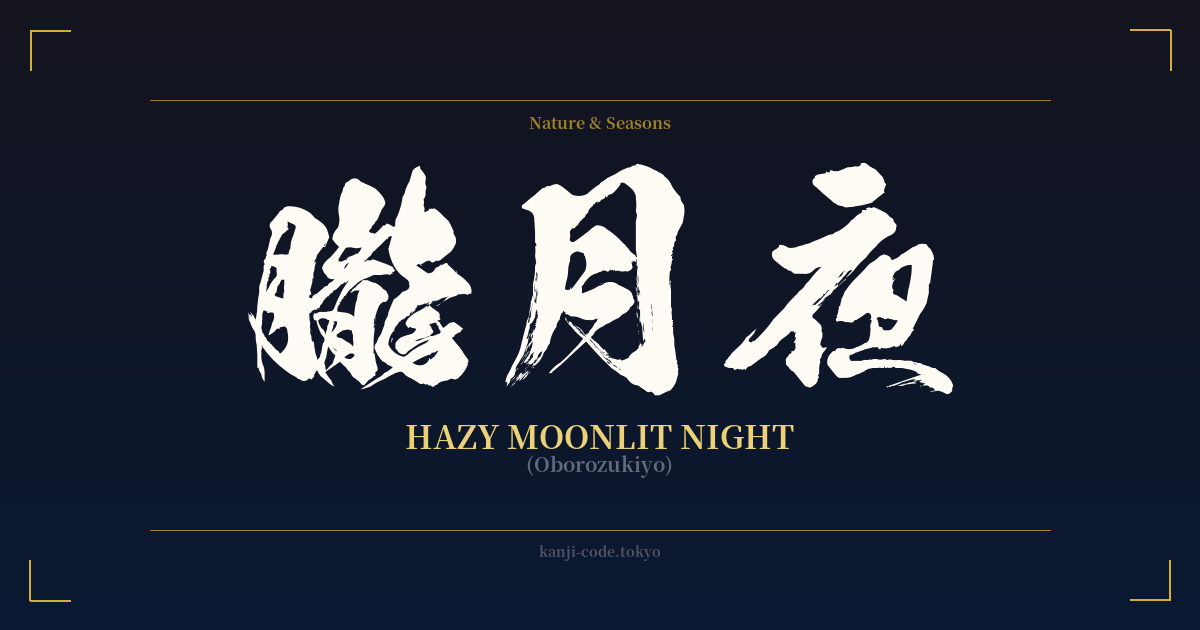
✍️ 朧月夜 (Oborozukiyo) — Cultural Context
朧月夜 (Oborozukiyo) is a word that captures a quintessentially Japanese aesthetic sensibility. It doesn't just mean a moonlit night; it describes a specific scene where the moon is veiled by a thin layer of mist, haze, or spring clouds. The light is not sharp and clear, but soft, diffused, and mysterious, creating an atmosphere of gentle melancholy and profound beauty.
This imagery is deeply tied to the Japanese concept of 幽玄 (Yūgen), which refers to a subtle, profound grace that is suggested rather than explicitly stated. The beauty of an Oborozukiyo is not in what is seen, but in what is partially hidden, leaving room for the imagination to wander. It invites contemplation and a quiet appreciation for the transient, imperfect nature of the world.
Historically, the term has been a favorite motif in Japanese art and literature for centuries, particularly during the Heian period (794-1185). It frequently appears in classical poetry and prose, most famously in The Tale of Genji. In these stories, a hazy moonlit night often sets the stage for secret romantic encounters, poignant farewells, or moments of deep introspection. The veiled moon mirrors the characters' hidden emotions and the uncertainty of their fates.
The association with spring is also crucial. Oborozukiyo is often considered a 季語 (kigo), or a seasonal word, for spring in haiku poetry. The spring haze (春霞, harugasumi) softens the landscape, and the moon seen through it carries a sense of warmth and burgeoning life, tinged with the characteristic Japanese feeling of 物の哀れ (mono no aware) – the beautiful sadness of passing things.
In modern Japan, the word is widely known through the beloved children's song titled "Oborozukiyo," first published in 1914. The lyrics paint a serene picture of a spring evening, with fields of rapeseed flowers (菜の花, nanohana) stretching out under a hazy moon. This song has cemented the image of Oborozukiyo in the nation's collective consciousness as a scene of nostalgic, gentle beauty.
🖌️ Font Styles for 朧月夜
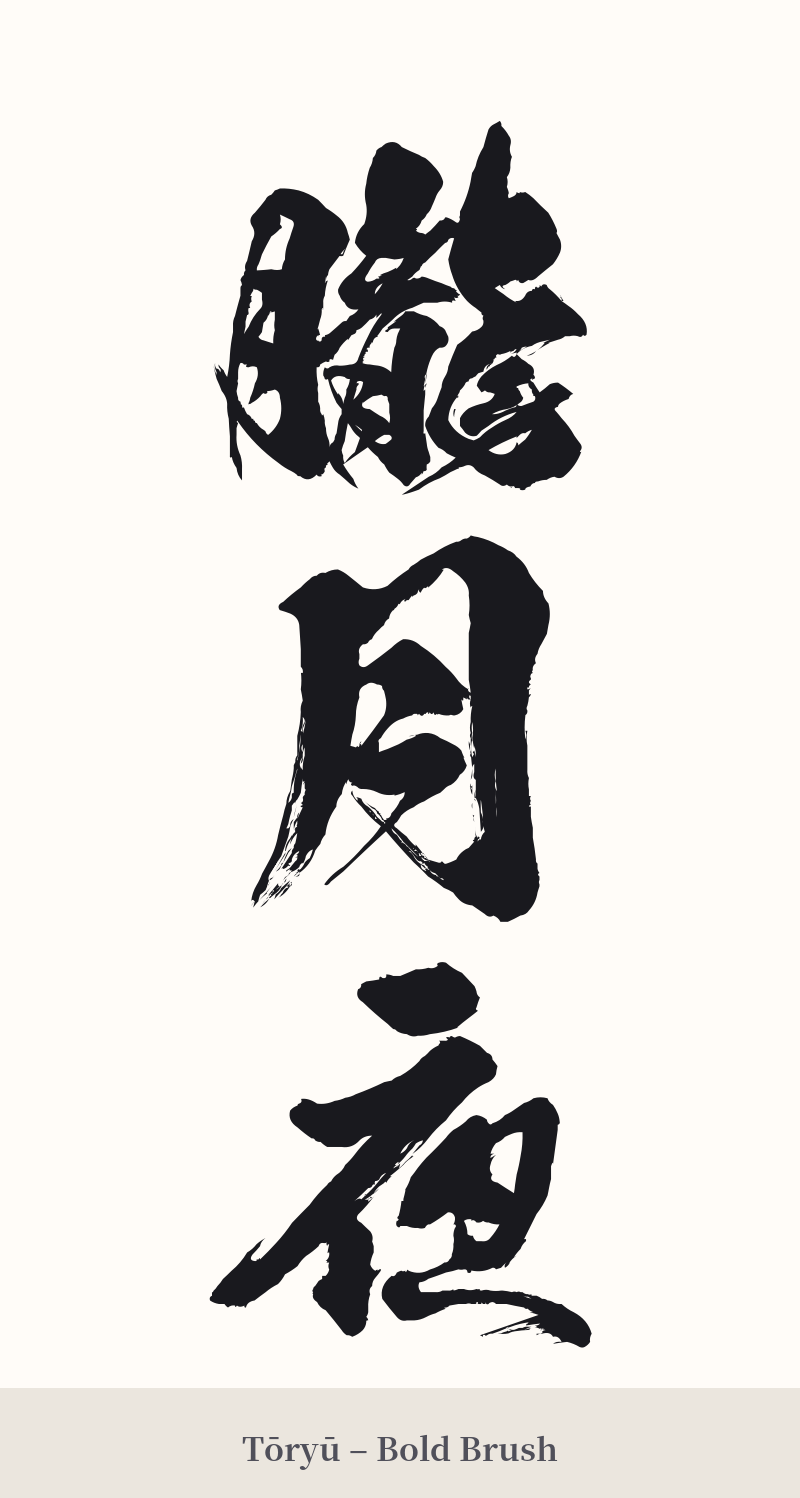
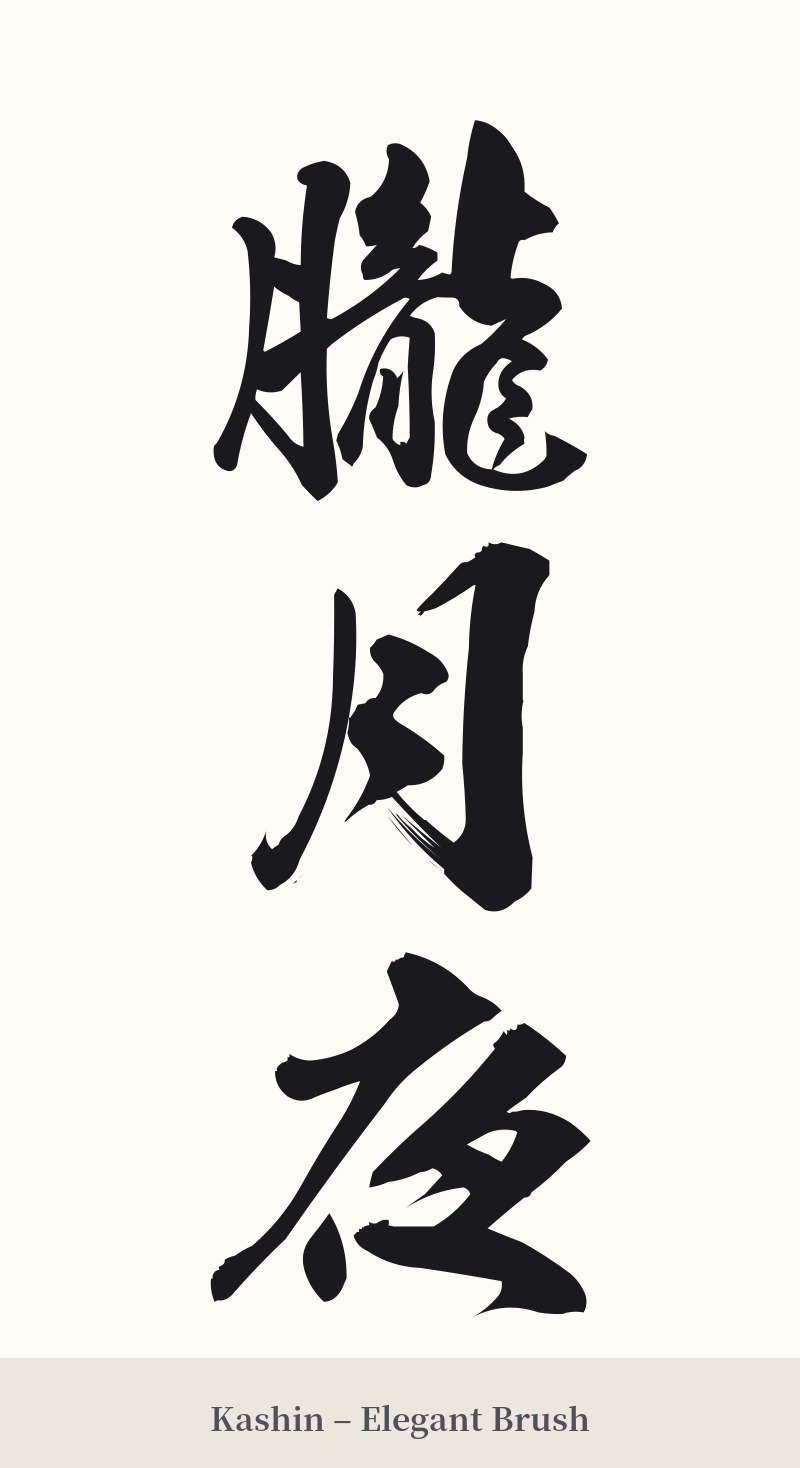
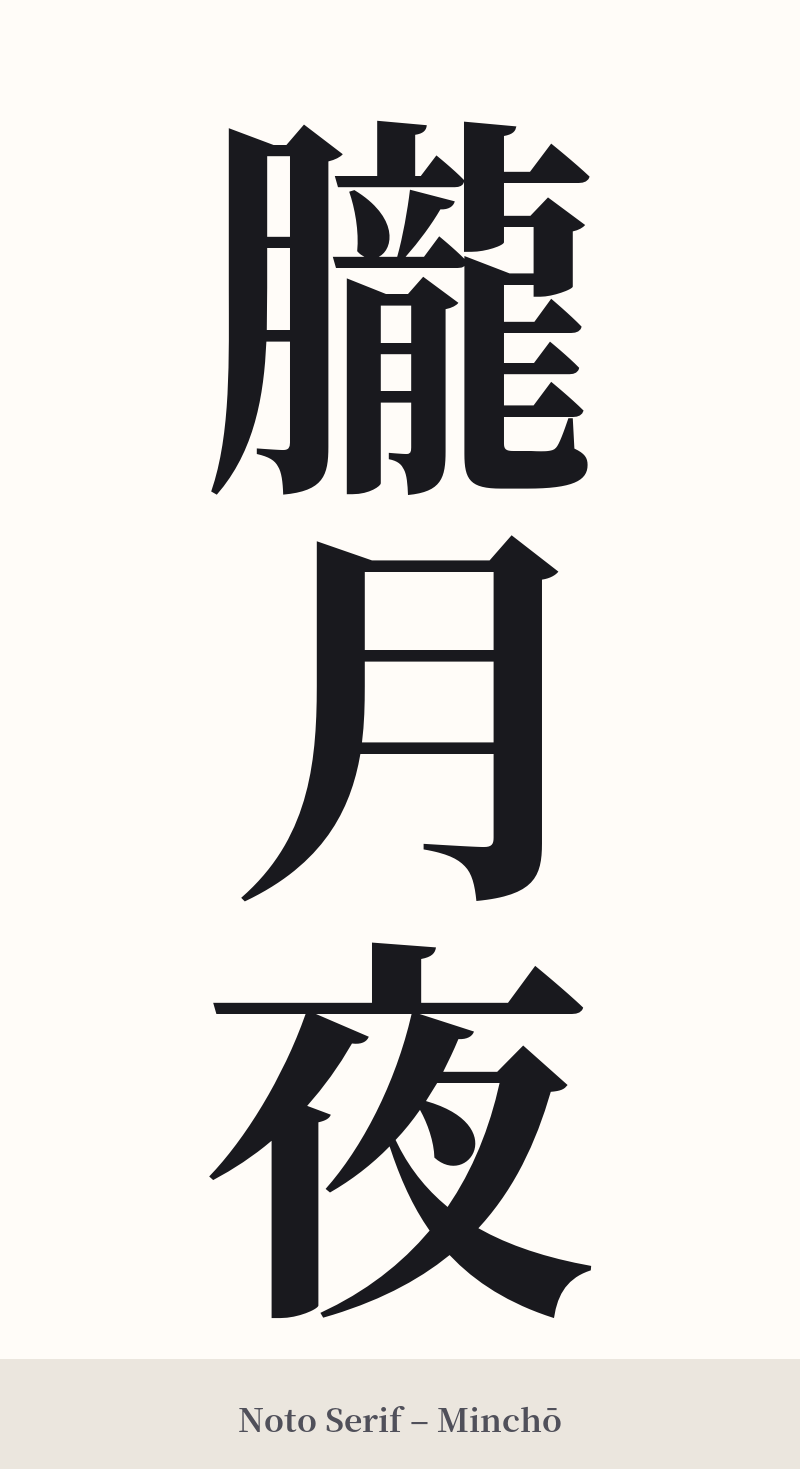
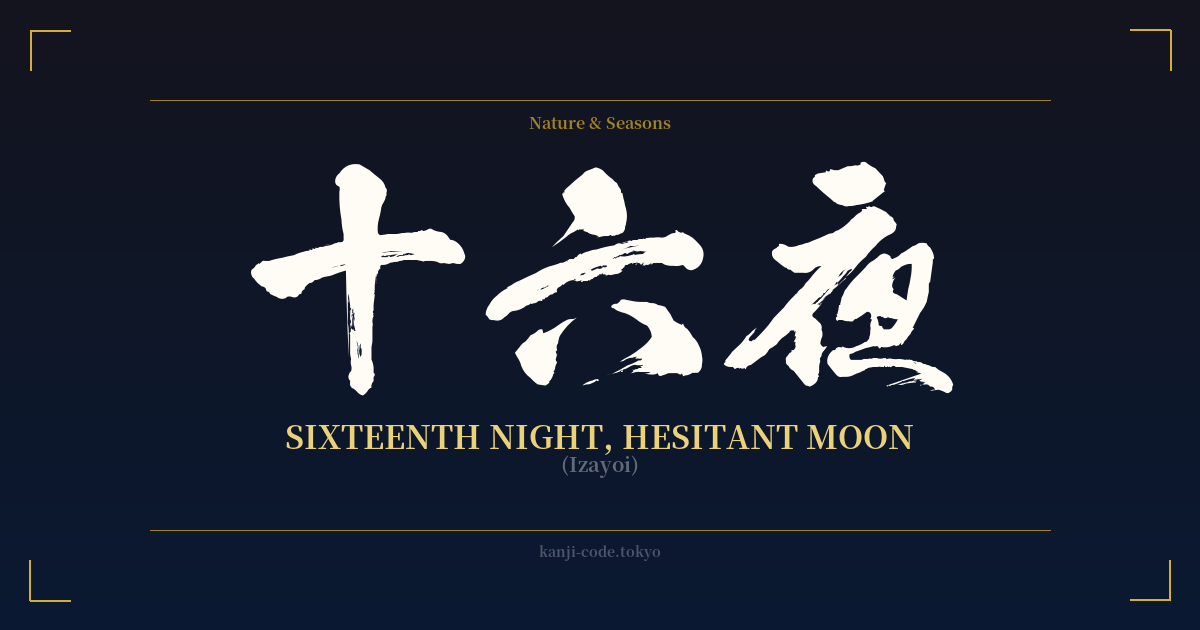
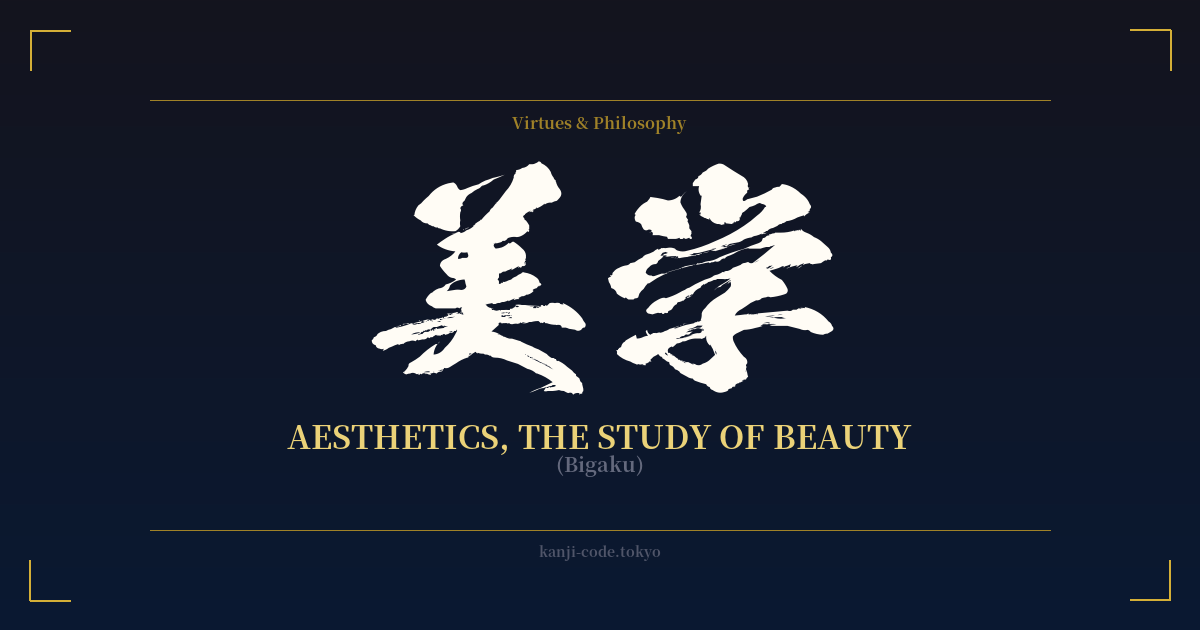
The same kanji can look dramatically different depending on the calligraphy style. Choose a font that matches the mood you want for your tattoo or design.
🎨 Tattoo Suitability
📐 Tattoo Design Guide
For a tattoo of 朧月夜, the visual flow and legibility are paramount. Given its poetic nature, the design should aim for elegance and atmosphere.
– Placement: A vertical orientation is highly recommended. It looks stunning running down the forearm, along the bicep, down the calf, or tracing the spine. This mimics the traditional way Japanese is written on scrolls. For a horizontal design, the chest or upper back provides a wide enough canvas.
– Font Style: A cursive or semi-cursive script (草書, sōsho or 行書, gyōsho) beautifully captures the dreamy, flowing feeling of the word. A delicate, fine-lined Mincho (serif) font can also work well, lending it a classic, literary feel. Avoid overly thick, blocky, or gothic fonts, as they will obscure the intricate details of the first character, 朧.
– Visual Tips: Consider complementing the kanji with subtle imagery. A soft, watercolor-style moon peeking from behind the characters, or wisps of gray-wash ink suggesting mist, can enhance the theme. Because the first character is so detailed, ensure the overall design is large enough for it to be inked cleanly and remain legible as it ages.
Comments