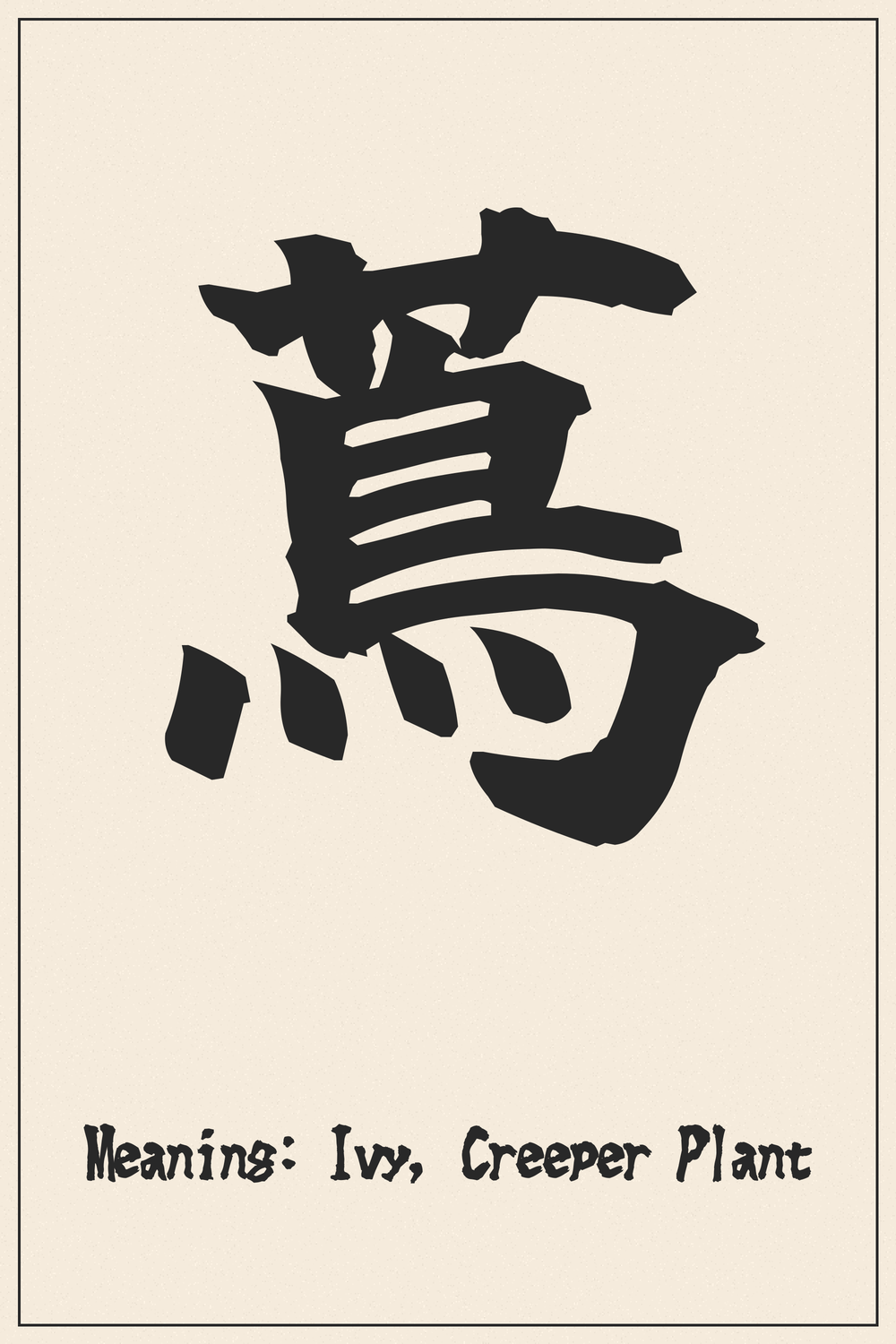
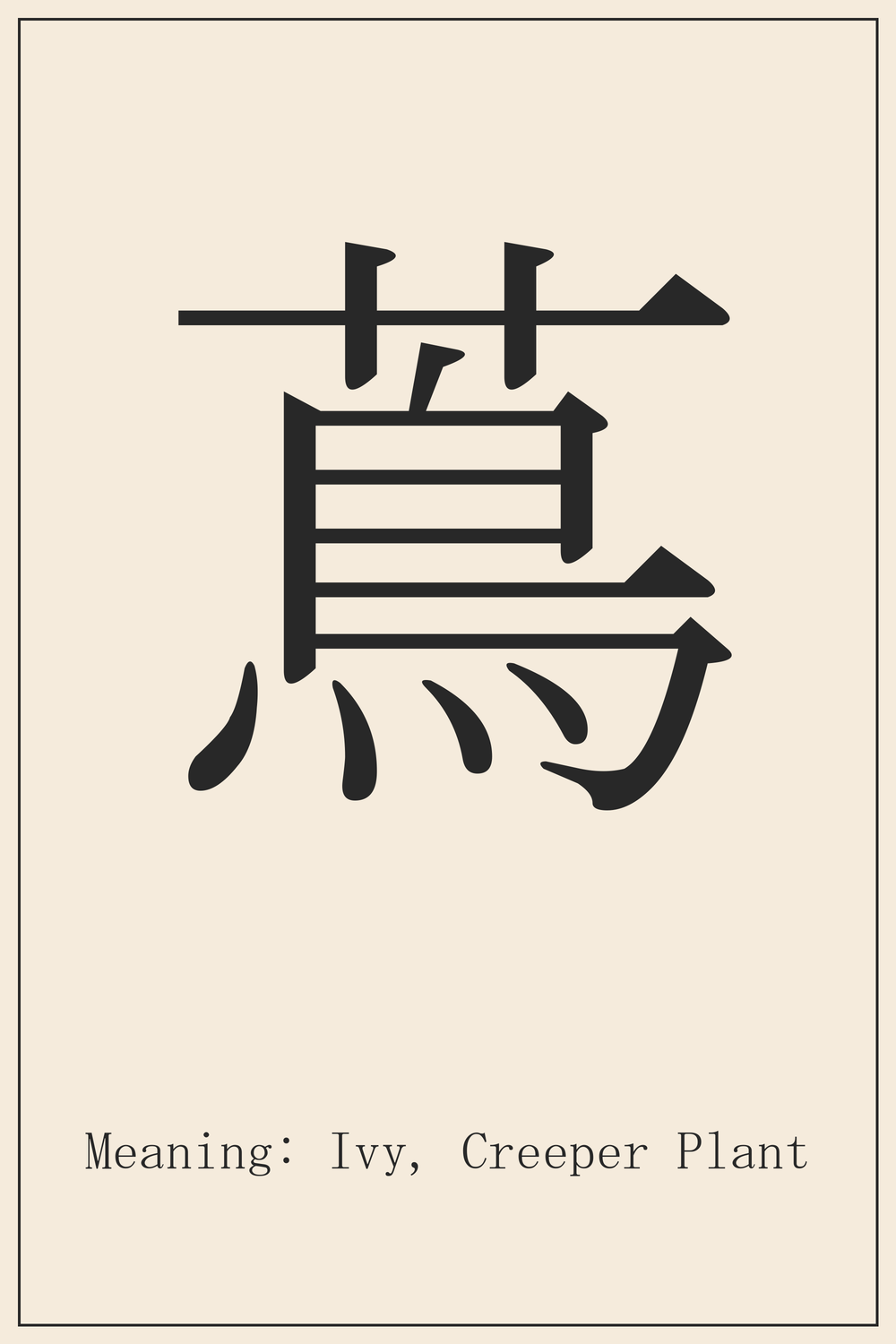
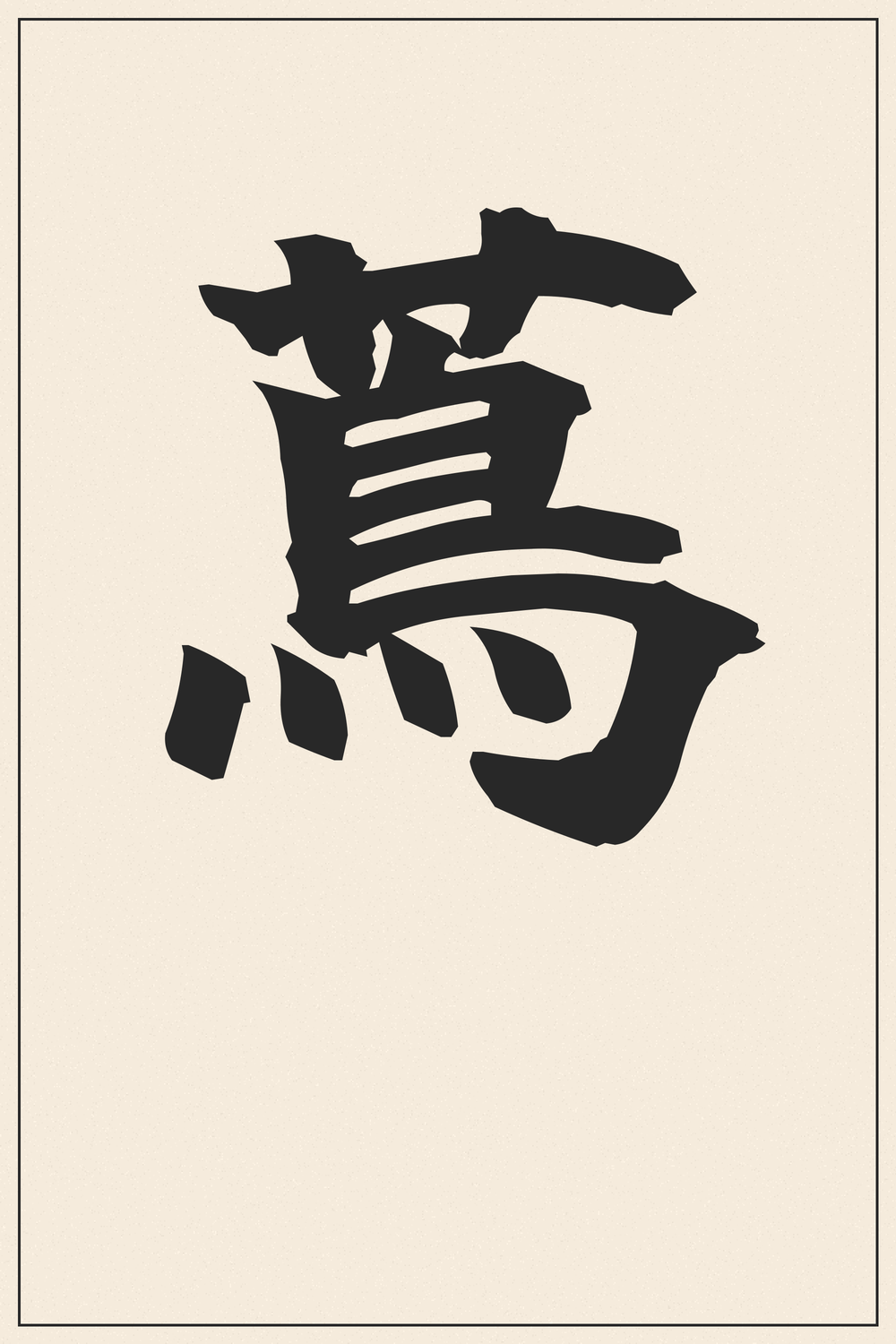
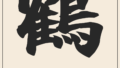
The Kanji 蔦 (Tsuta) embodies the relentless spirit of nature, representing the ivy plant with its vigorous growth and strong grip. It’s a symbol of persistence and connection, deeply rooted in Japanese aesthetics.
The atmosphere of a Kanji character changes dramatically depending on the font style. A character that looks elegant in a brush style might look bold and modern in a different font.
Recommendation:
Since a tattoo is permanent, we strongly recommend comparing various font styles beyond what is shown here. Use our designs as a trusted reference for the correct structure, but feel free to explore different artistic variations to find the perfect match for your vision.
The Deep Meaning Behind 蔦
The Kanji 蔦 (tsuta) uniquely captures the essence of the ivy plant. Etymologically, it combines the ‘grass’ radical (艹) with a phonetic component that originally referred to something ‘transmitting’ or ‘spreading’ (傳), effectively describing a plant that creeps and covers surfaces.
In Japanese culture, ivy has been admired for its resilience and ability to cling firmly, often appearing in traditional arts and family crests (kamon) to symbolize longevity, prosperity, and strong familial ties. Its beauty is particularly celebrated during autumn when its leaves turn vibrant red.
Kanji Breakdown
The Kanji 蔦 is composed of two primary elements, each contributing to its overall meaning and form.
Grass Radical (kusahen): This radical consistently denotes that the character relates to plants, herbs, or vegetation. Its presence immediately categorizes 蔦 within the botanical realm.
Specialized / Solely (sen): While meaning ‘specialized’ or ‘solely’ on its own, here it primarily functions as a phonetic component that hints at the idea of spreading or adhering in a focused manner, derived from the character 傳 (to transmit, spread), which is crucial to the ivy’s nature.
Conclusion
Choosing 蔦 for a tattoo is to embrace a powerful symbol of natural strength and enduring connection. It represents growth, persistence, and the beautiful way life finds a path and holds on.
This Kanji is an excellent choice for those who value resilience, deep roots, and the organic beauty found in nature, making for a visually striking and meaningful design.
Comments