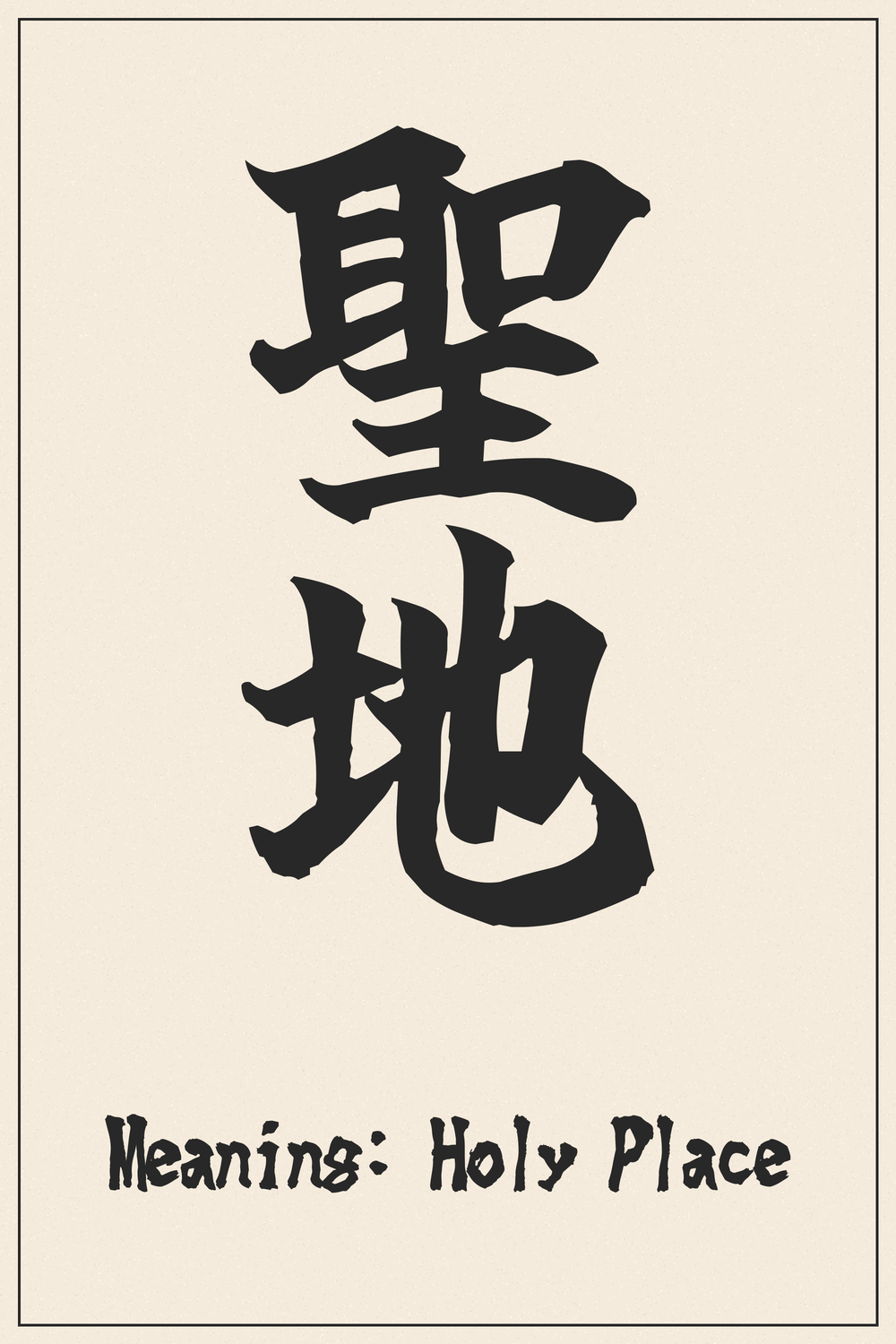
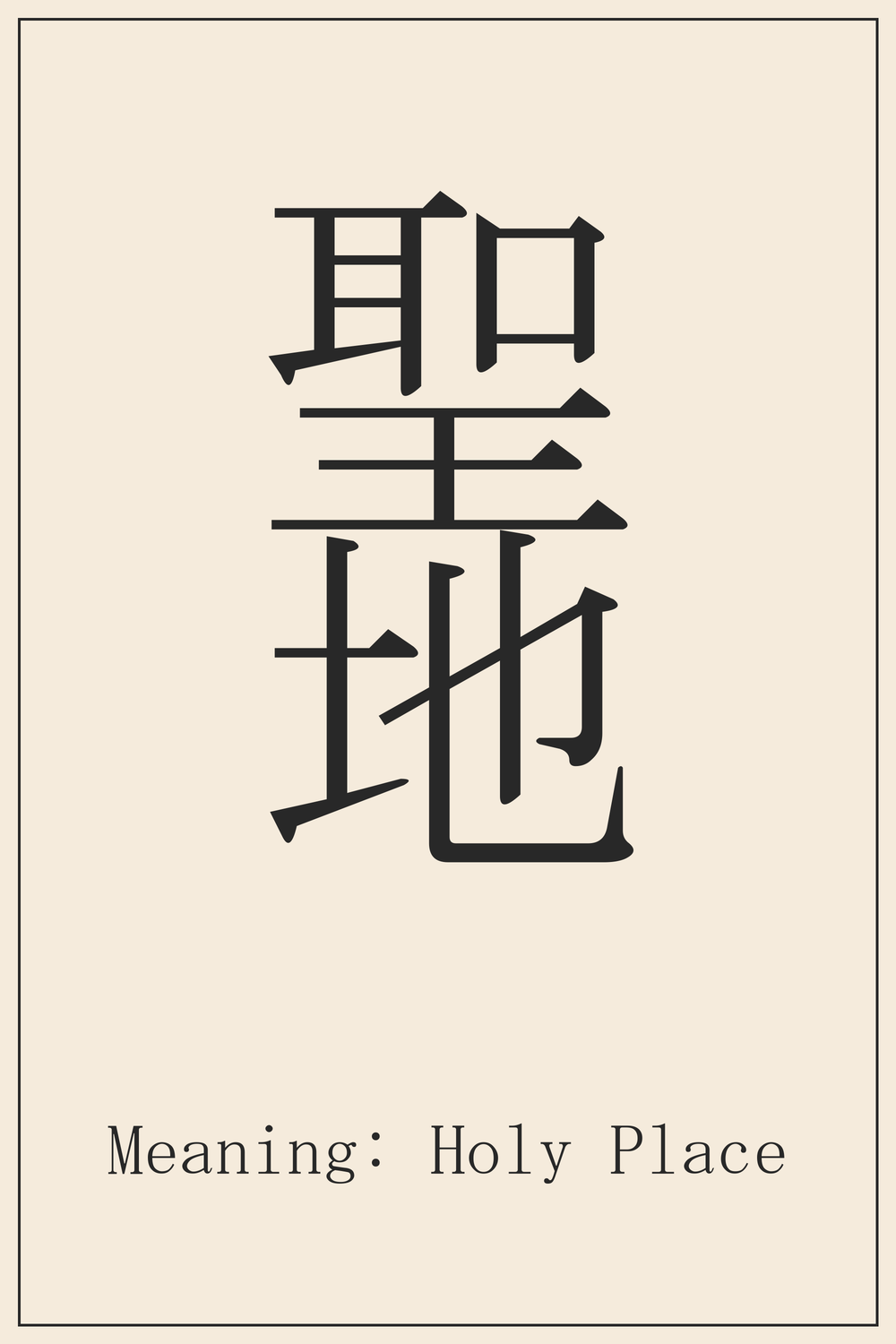
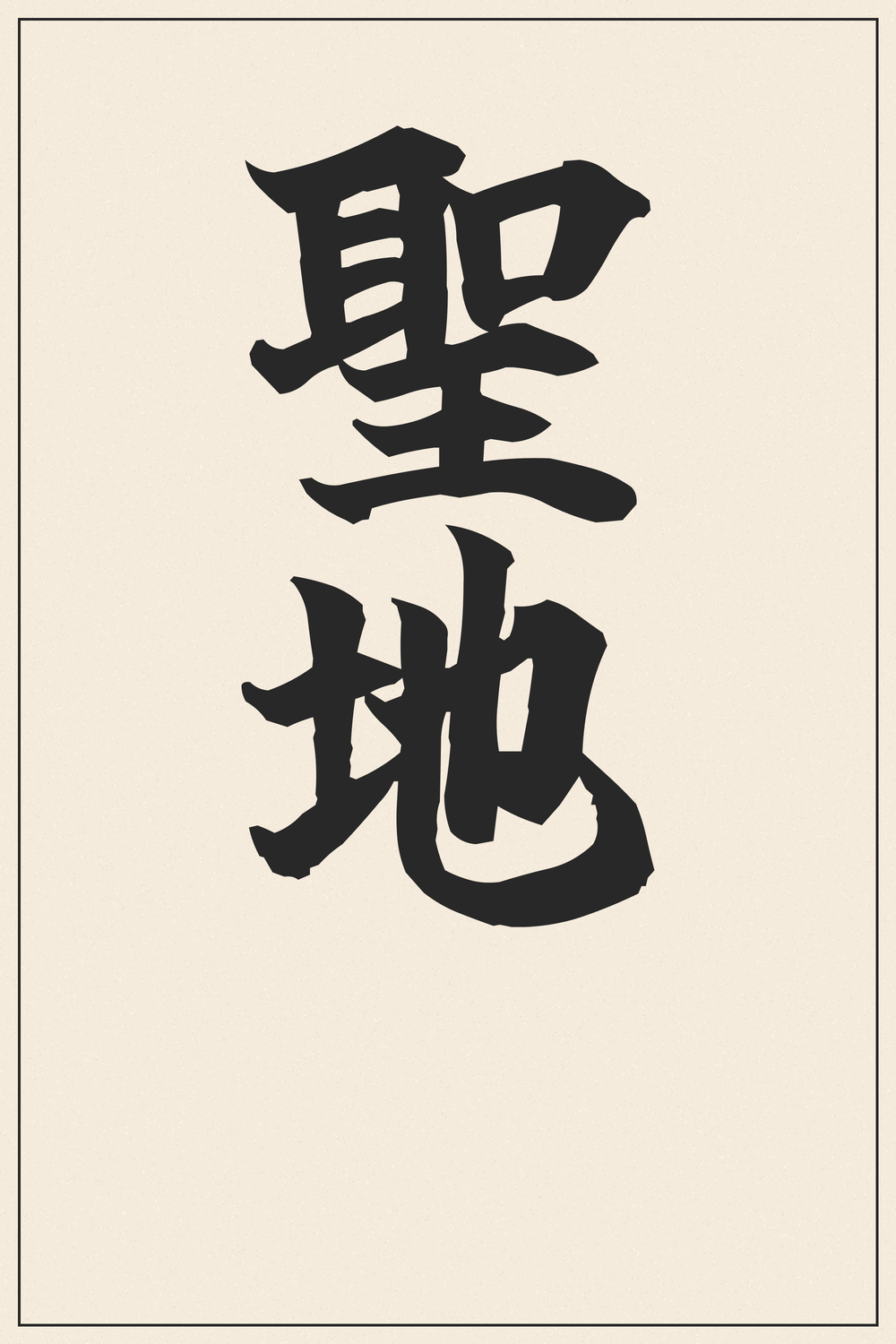
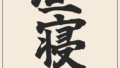
More than just a location, 聖地 (Seichi) embodies a profound spiritual connection, representing a sanctuary where the divine meets the mundane. This powerful Kanji combination holds deep resonance for those seeking a symbol of sacredness and personal pilgrimage.
The atmosphere of a Kanji character changes dramatically depending on the font style. A character that looks elegant in a brush style might look bold and modern in a different font.
Recommendation:
Since a tattoo is permanent, we strongly recommend comparing various font styles beyond what is shown here. Use our designs as a trusted reference for the correct structure, but feel free to explore different artistic variations to find the perfect match for your vision.
The Deep Meaning Behind 聖地
The term 聖地 (Seichi) combines 聖 (sei), meaning “holy” or “sacred,” and 地 (chi), meaning “ground” or “place.” The character 聖 historically depicts a person (often a king or leader in early forms) listening intently, implying a connection to higher wisdom or spiritual insight. 地 fundamentally derives from 土 (earth) and a phonetic component, signifying a tangible location.
In Japanese culture, a 聖地 can refer to various sites: ancient shrines, temples, or even locations from popular culture that hold immense emotional or spiritual significance for devotees. These places are revered not just for their physical attributes but for the profound experiences and spiritual solace they offer, often serving as destinations for pilgrimage and reflection.
Kanji Breakdown
The kanji 聖地 is composed of two ideograms, each carrying significant individual meaning that merges to form a powerful concept.
Meaning: Holy, sacred, saint.
This character historically combines elements suggesting a wise ruler or a person with exceptional moral and spiritual insight, often depicted with a mouth and an ear, symbolizing one who speaks and listens to divine wisdom. It conveys purity, sanctity, and reverence.
Meaning: Ground, earth, place.
Composed of the radical 土 (tsuchi), meaning “earth” or “soil,” and 也 (ya), a phonetic component. This character fundamentally represents a physical location, terrain, or the very ground beneath our feet.
Conclusion
聖地 (Seichi) profoundly symbolizes a sanctuary, a hallowed ground where spiritual and emotional significance converge. It represents a place of reverence, pilgrimage, and deep personal meaning, transcending mere geography to embody spiritual aspiration.
For a tattoo, 聖地 serves as a potent reminder of one’s sacred journey or a dedication to a place that holds profound spiritual resonance. Its balanced form and deep meaning make it an excellent choice for a design that is both visually appealing and richly symbolic.
Comments