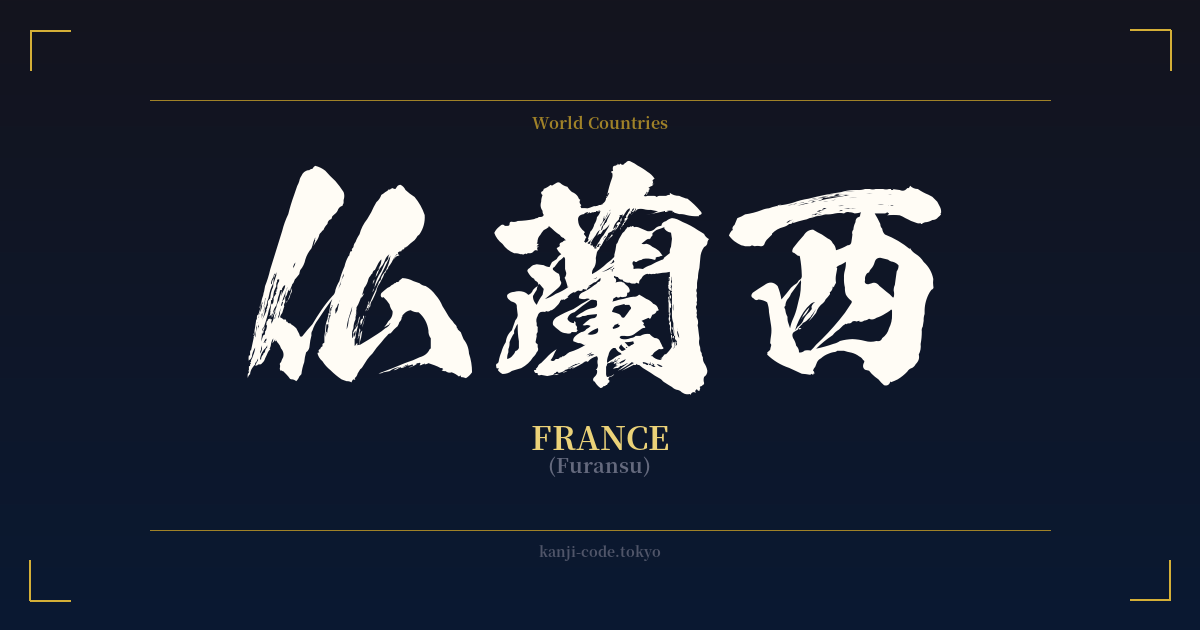
✍️ 仏蘭西 (Furansu) — Contexto cultural
La palabra 仏蘭西 (Furansu) ofrece una fascinante perspectiva de un período específico de la historia japonesa en el que el país absorbía rápidamente la cultura y el idioma occidentales. Este es un claro ejemplo de ateji (当て字), donde los caracteres kanji se utilizan para representar fonéticamente una palabra extranjera, sin tener en cuenta su significado original. En este caso, los caracteres se eligieron para imitar el sonido de "Francia"."
Durante la Restauración Meiji (1868-1912), Japón abrió sus fronteras y emprendió un ambicioso proyecto de modernización. Esto requirió un nuevo vocabulario para conceptos, tecnologías y lugares de Occidente. Inicialmente, los eruditos utilizaron kanji para crear estas nuevas palabras. De esta práctica surgió 仏蘭西, que combina 仏 (Fu), 蘭 (Ran) y 西 (Su/Shi) para imitar la pronunciación extranjera.
Curiosamente, cada carácter tiene su propia historia. 仏 (Futsu) se conoce comúnmente como el carácter que representa a Buda o el budismo. 蘭 (Ran) significa 'orquídea' y también se usaba para representar a Holanda (阿蘭陀 – Oranda). 西 (Sei/Sai) simplemente significa 'oeste', una inclusión apropiada pero casual para una nación occidental. En conjunto, sus significados son irrelevantes; solo importan sus sonidos.
Con el tiempo, este método de usar kanji complejos para palabras extranjeras fue reemplazado en gran medida por la escritura fonética katakana, más simple y directa. Hoy en día, 'Francia' se escribe casi universalmente como フランス. La forma kanji 仏蘭西 se considera arcaica y rara vez se ve en la vida cotidiana. Puede encontrarse en textos históricos, en los nombres de tratados diplomáticos formales o en la imagen de marca de empresas que buscan una imagen clásica, sofisticada o de estilo europeo tradicional.
A pesar de su rareza, el legado de este ateji perdura. El carácter 仏 (Futsu) se sigue utilizando como abreviatura oficial de Francia en palabras compuestas. Por ejemplo, 'relaciones entre Japón y Francia' es 日仏関係 (Nichi-Futsu Kankei), y 'cocina francesa' es 仏料理 (Futsu Ryōri). Esto demuestra cómo estas elecciones lingüísticas históricas continúan dando forma al japonés moderno.
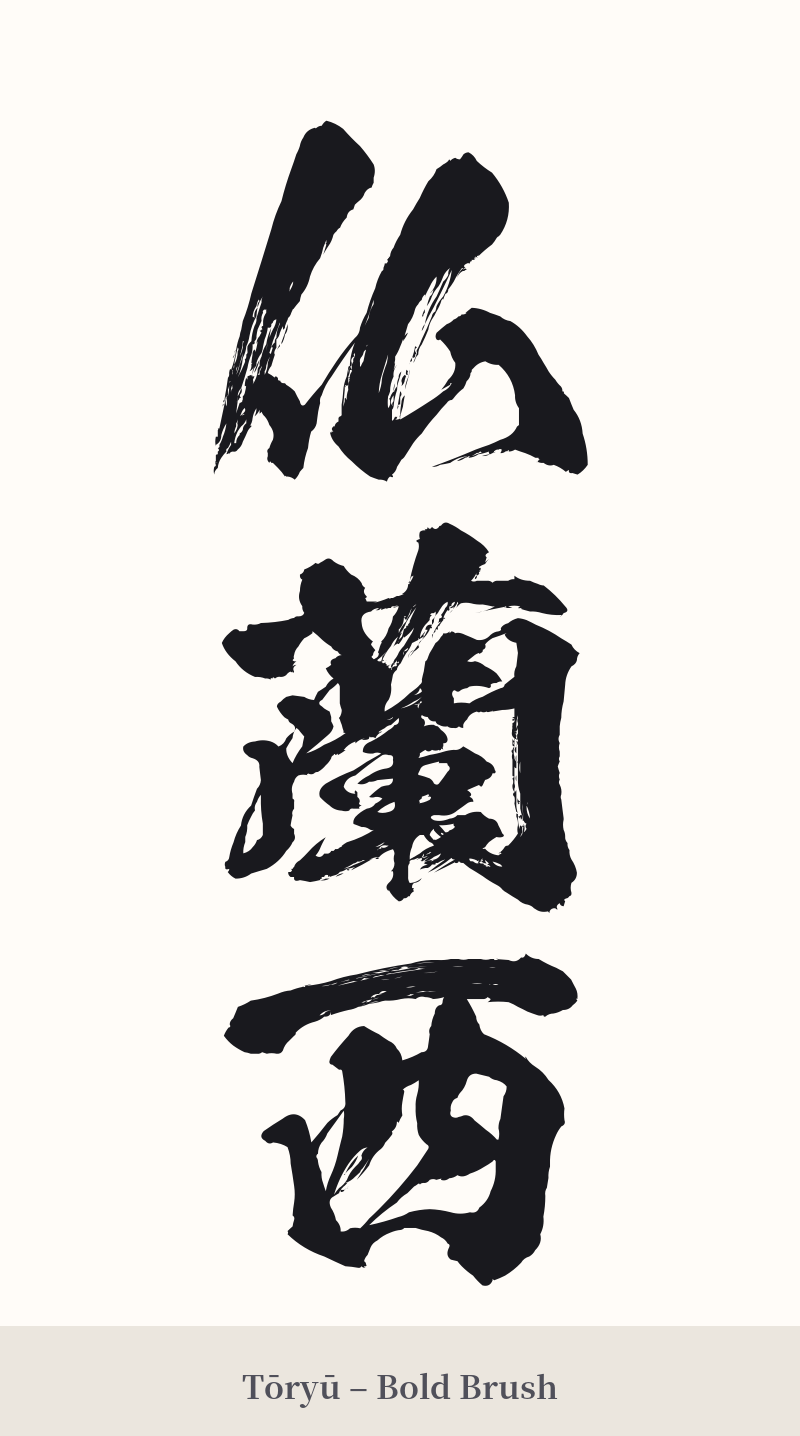
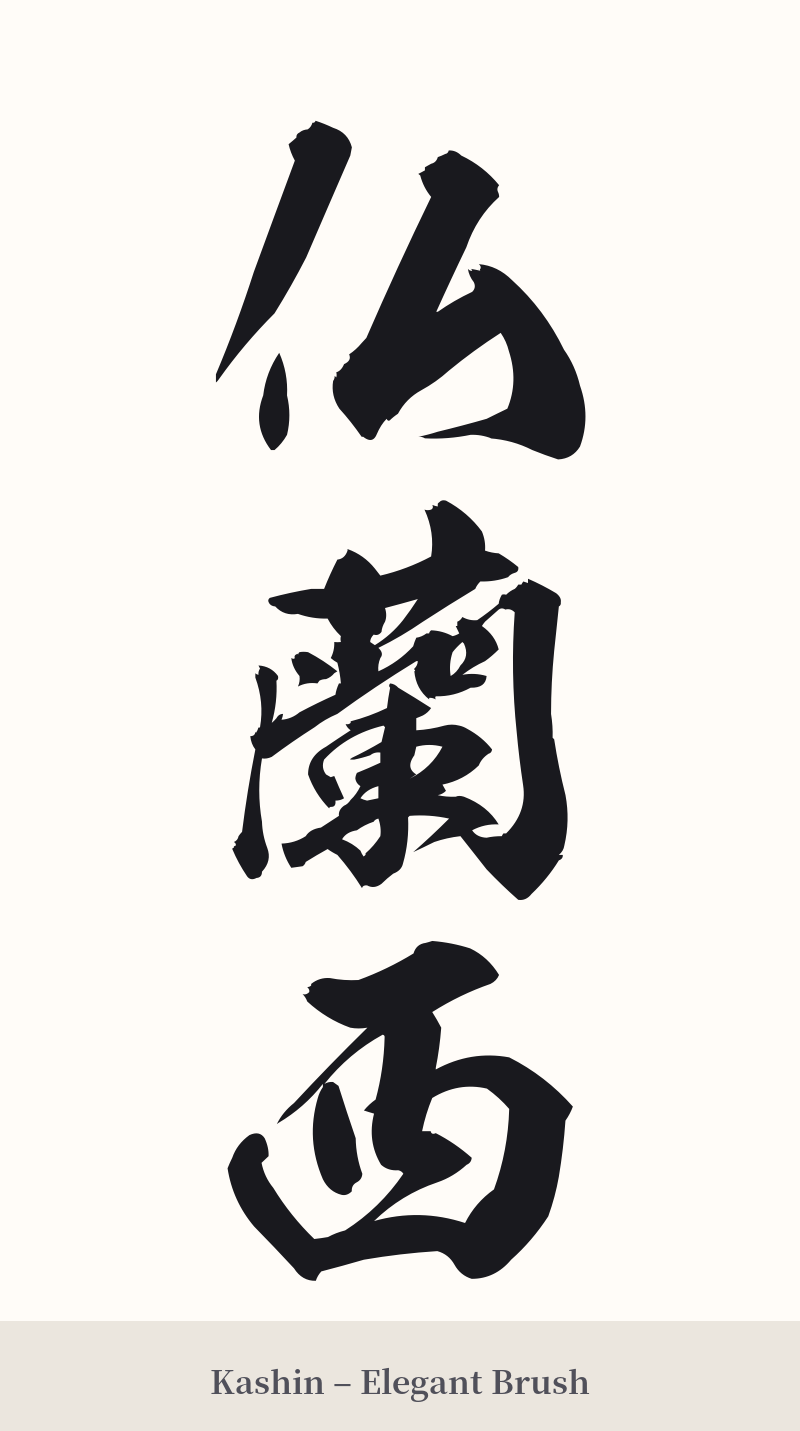
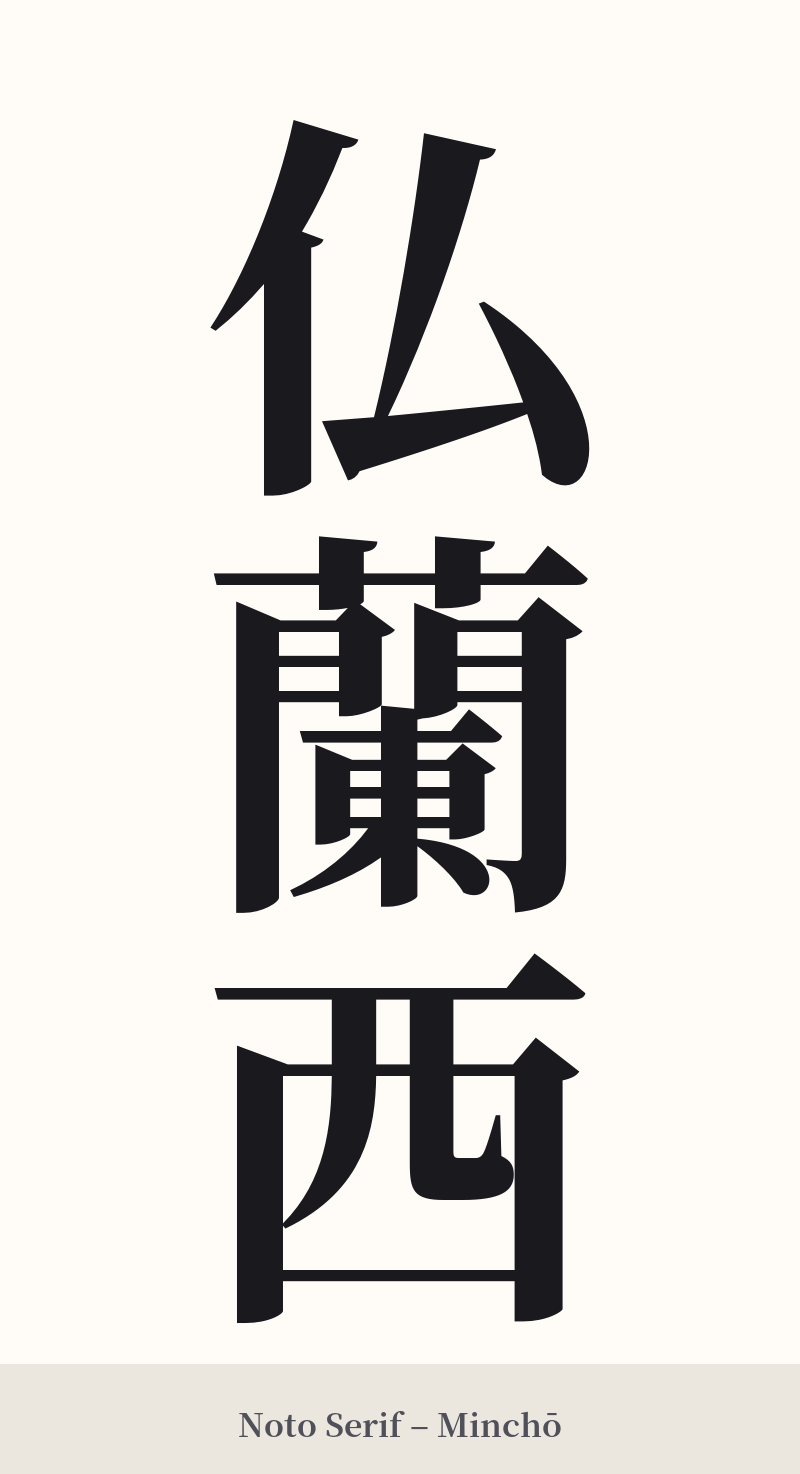
🖌️ Estilos de fuente para 仏蘭西
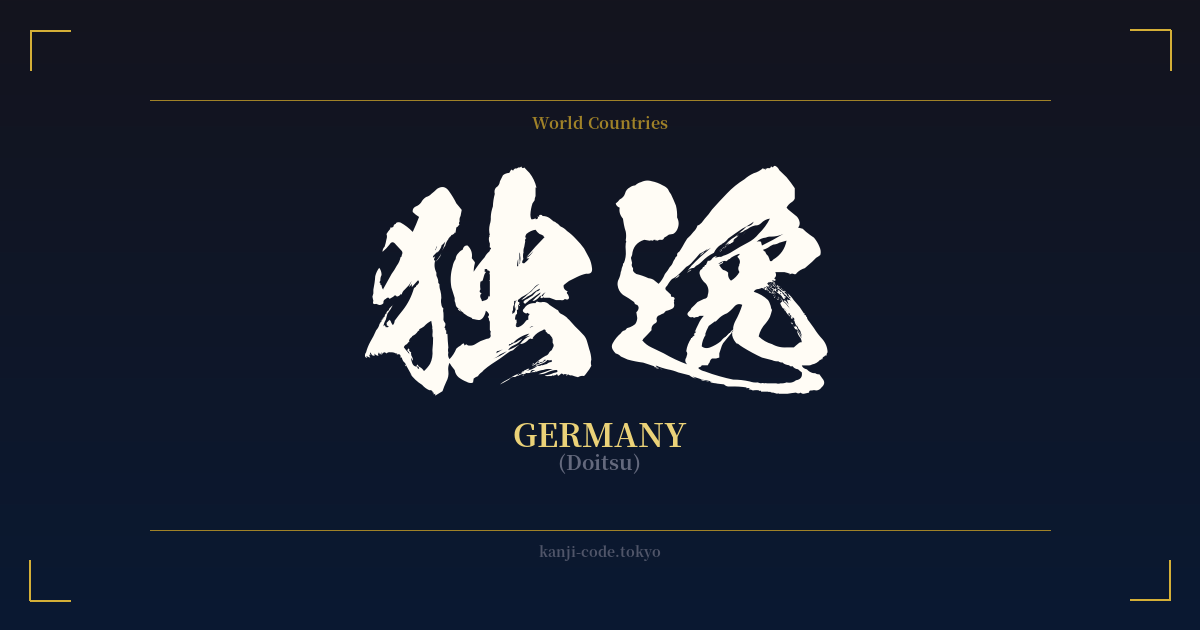
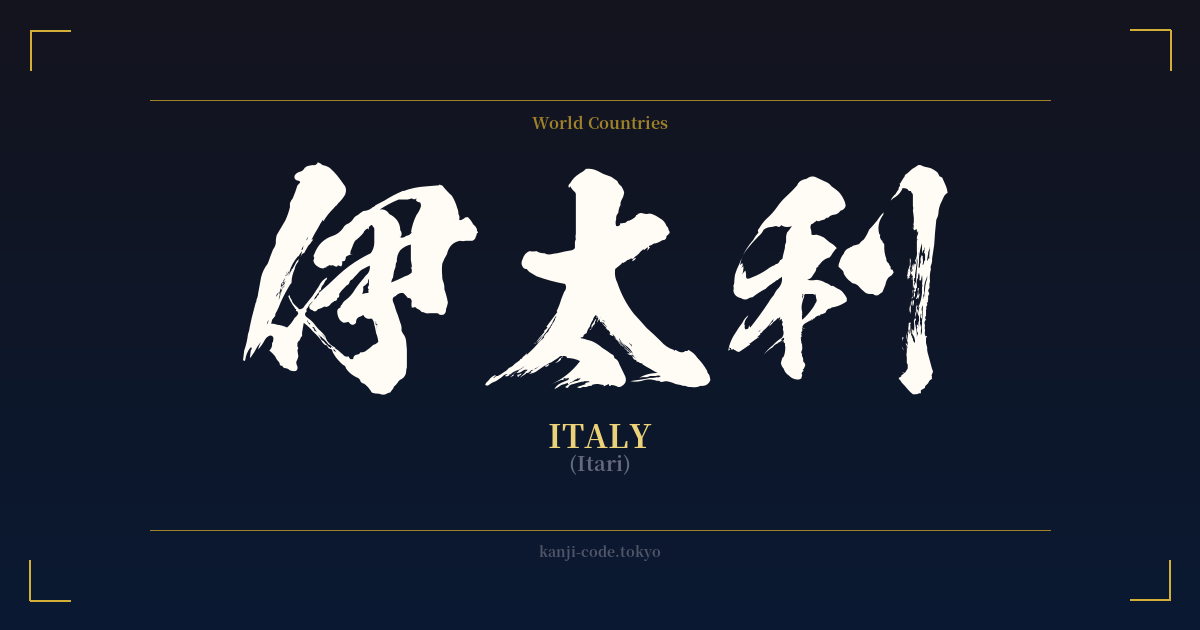
Los mismos caracteres kanji pueden verse muy diferentes según el estilo de caligrafía. Elige una fuente que se ajuste al ambiente que deseas para tu tatuaje o diseño.
🎨 Idoneidad para tatuajes
📐 Guía de diseño de tatuajes
Para un tatuaje de 仏蘭西, el diseño debe respetar su carácter histórico y formal. La complejidad de los caracteres, en particular 蘭 (Ran), exige una cuidadosa consideración del tamaño y el estilo.
– Ubicación: Se recomienda encarecidamente una orientación vertical. Luce espectacular a lo largo de la columna vertebral, el antebrazo o la pantorrilla, permitiendo que los caracteres fluyan hacia abajo de forma natural. Para un diseño horizontal, el pecho o la parte superior de la espalda ofrecen un espacio suficientemente amplio.
Estilo de fuente: Las caligrafías tradicionales son la mejor opción. Un estilo semicursivo gyōsho (行書) aporta elegancia y fluidez, mientras que una letra de imprenta formal kaisho (楷書) resalta los trazos distintivos de cada carácter. Evite las fuentes modernas o geométricas, ya que desentonarían con el origen clásico de la palabra.
Consejos visuales: El tatuaje debe ser lo suficientemente grande para que los 19 trazos de 蘭 (Ran) se vean nítidos y no se difuminen con el tiempo. Se recomienda un tamaño mediano a grande. Para darle un toque personal, puedes incorporar sutilmente imágenes relacionadas con Francia, como una flor de lis, o jugar con el significado literal del carácter 蘭 incluyendo una orquídea.
Comentarios