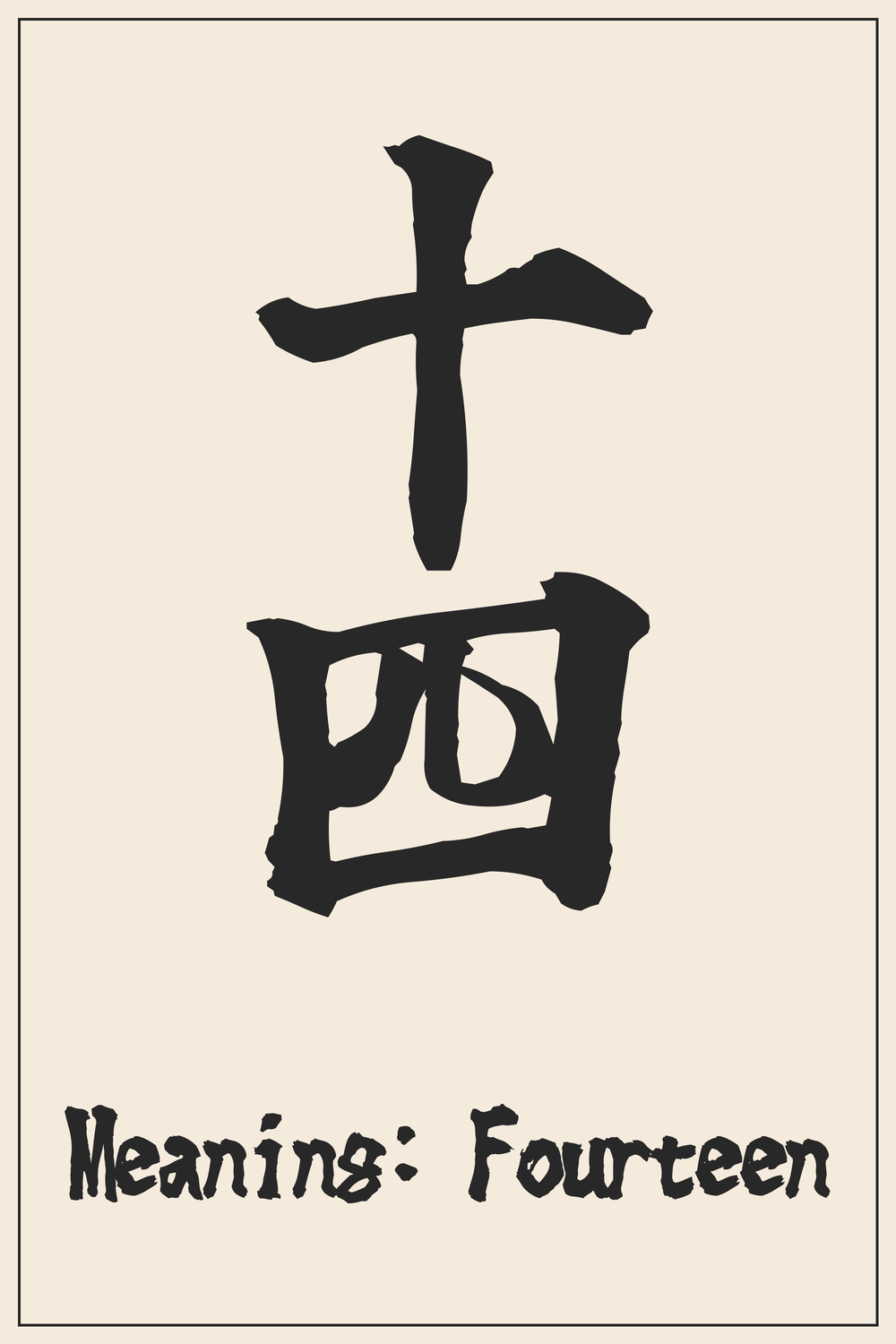
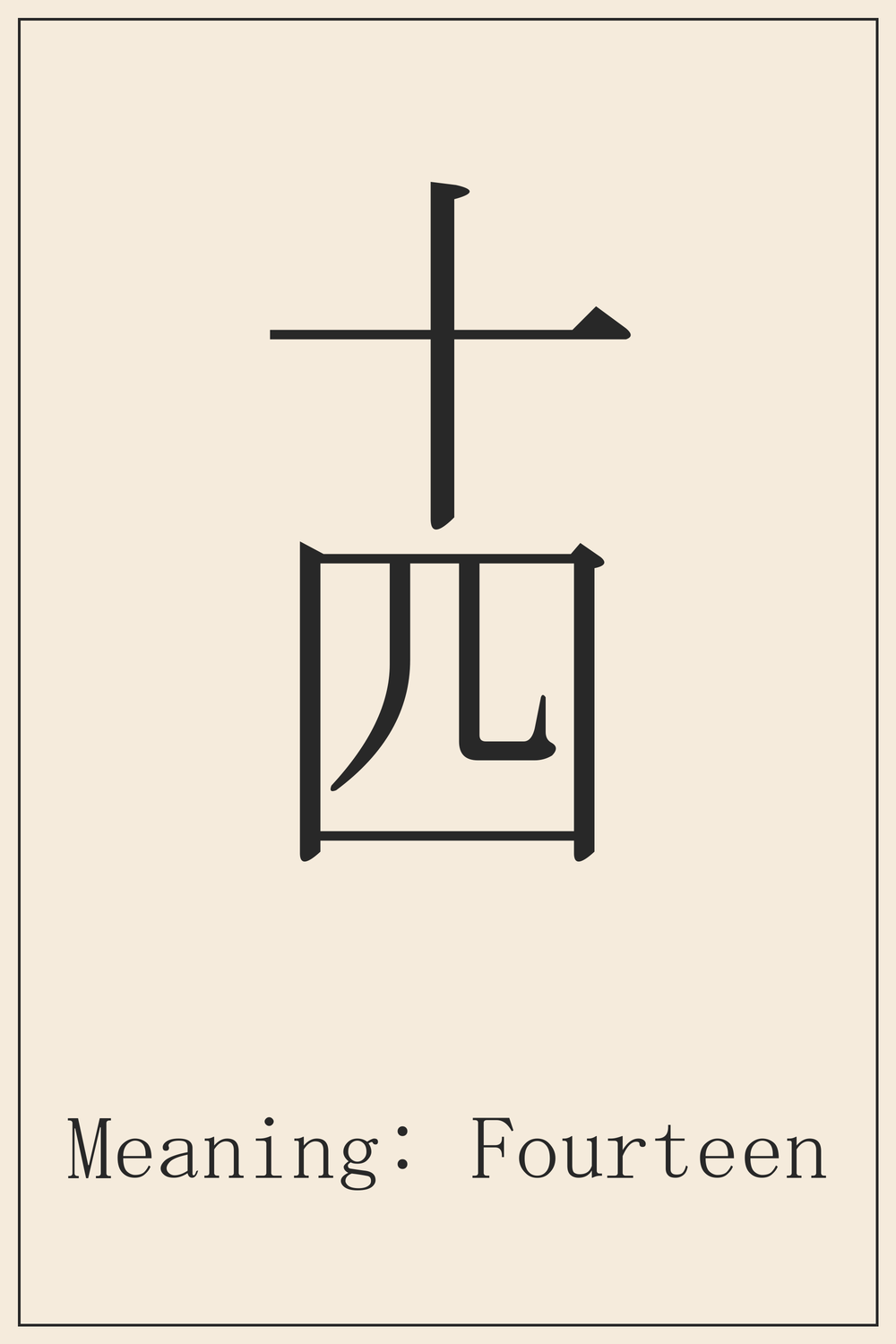
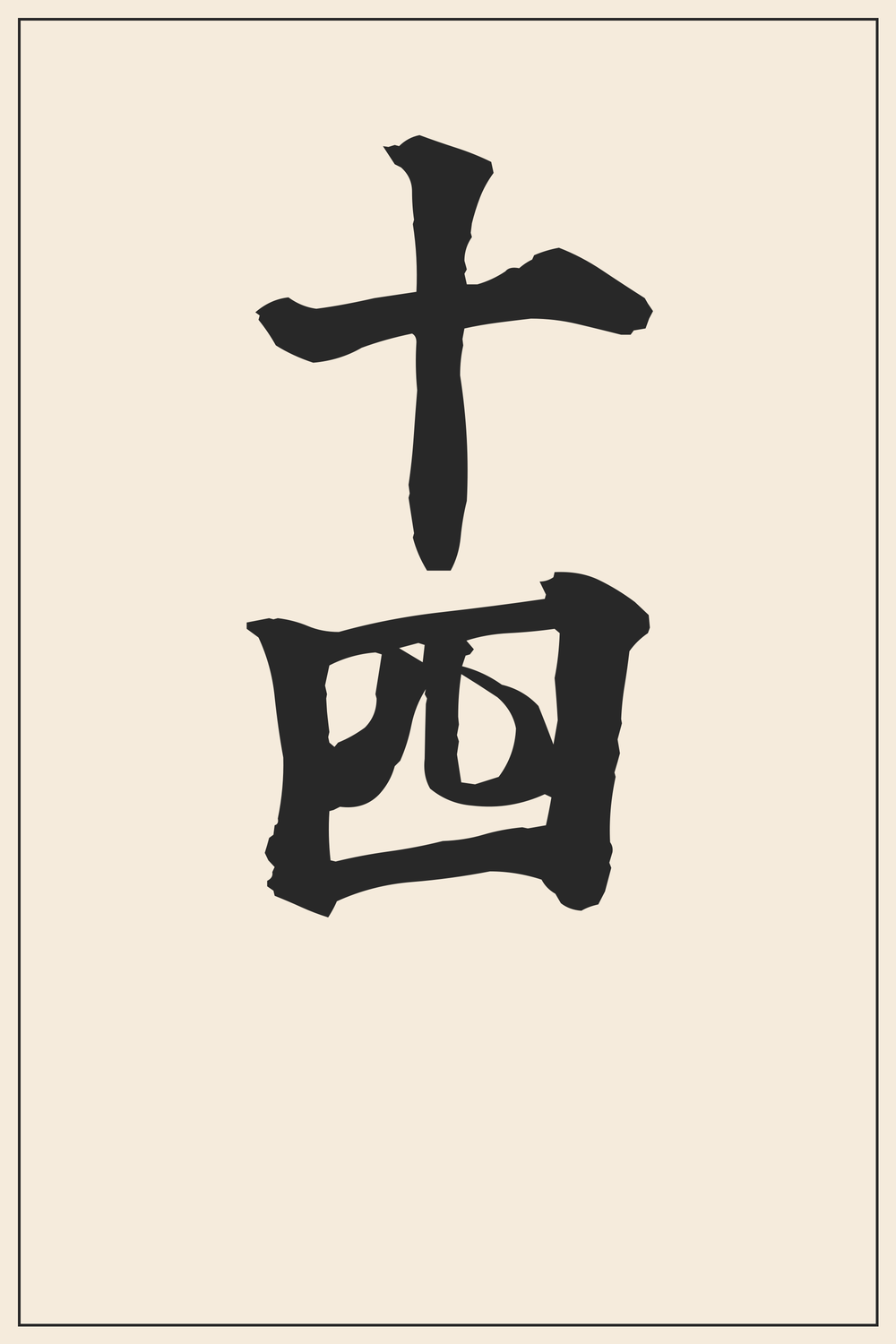
The Kanji combination 十四 (Juushi/Juuyon) represents the numerical value of fourteen. While seemingly simple, numbers in Japanese culture can carry subtle nuances, often marking specific counts or points in time.
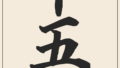
The atmosphere of a Kanji character changes dramatically depending on the font style. A character that looks elegant in a brush style might look bold and modern in a different font.
Recommendation:
Since a tattoo is permanent, we strongly recommend comparing various font styles beyond what is shown here. Use our designs as a trusted reference for the correct structure, but feel free to explore different artistic variations to find the perfect match for your vision.
The Deep Meaning Behind 十四
The Kanji 十 (jū) means ‘ten’, represented by a cross shape historically derived from tying ten knots. The Kanji 四 (shi/yon) means ‘four’, visually depicting the four sides of a square or division into four parts.
When combined, 十四 forms ‘fourteen’. While not imbued with profound symbolic meaning like some other numbers in Japanese culture (e.g., 4 often associated with death ‘shi’, or 8 with prosperity ‘hachi’), it serves as a precise identifier. In specific contexts, it could mark an age, a count of important items, or a significant date.
Kanji Breakdown
The Kanji 十四 is a compound number, formed by combining two fundamental numerical characters.
Ten: This character symbolizes the number ten, often depicted as a cross formed by two perpendicular lines, representing a complete set or a universal count of fingers on two hands.
Four: This character denotes the number four. Its ancient form depicted an enclosure with four sides, evolving to represent the distinct quantity of four.
Conclusion
Choosing 十四 signifies a specific quantity or a particular point in time. It is a testament to precision, marking a personal milestone, a significant count, or an important date in one’s journey.
For a Kanji tattoo, 十四 offers a clean and unambiguous statement. Its directness provides a personal marker without requiring extensive interpretation, ideal for those who value clarity and personal significance in their chosen symbols.
Comments