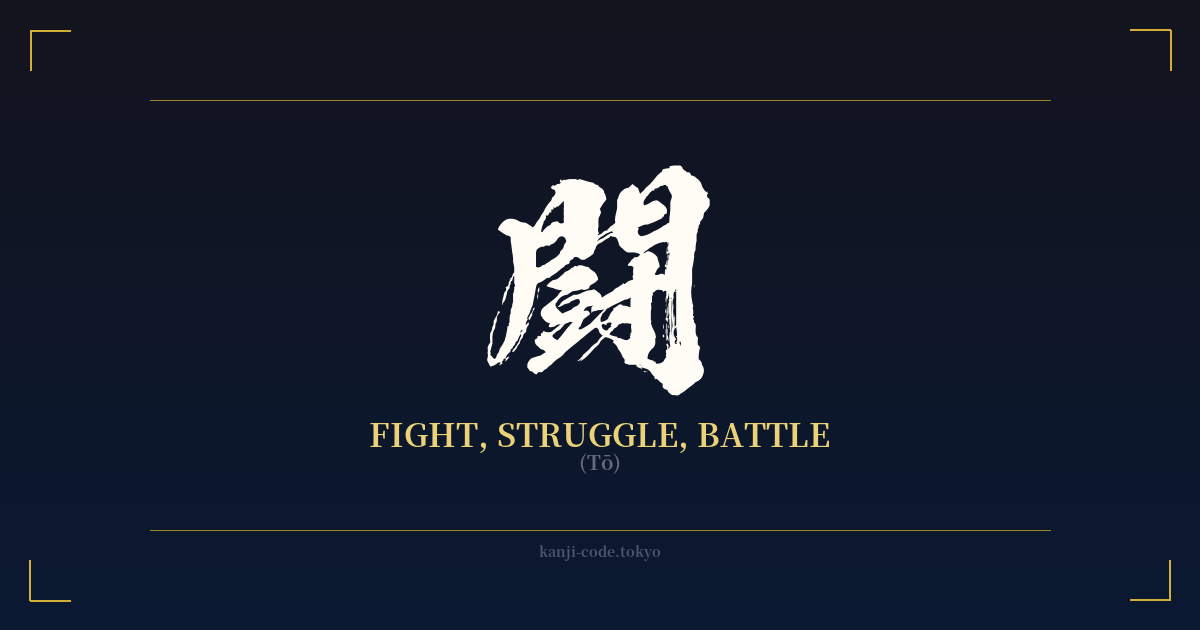
✍️ 闘 (Tō) — Cultural Context
The kanji 闘, read as 'Tō' or in its verb form 'tatakau,' is one of the most direct and potent characters in the Japanese language. It encapsulates the raw essence of conflict, struggle, and battle. Its very form tells a story of confrontation. The modern character is a simplification of the older form 鬥, which is a pictograph of two figures facing each other with weapons raised, locked in combat. This visual origin immediately conveys a sense of opposition and intense action.
In Japanese culture, the concept of 'tatakau' extends far beyond physical violence. While it is the primary character used in words related to martial arts (格闘技, kakutōgi) and war (戦闘, sentō), it carries a profound philosophical weight. It speaks to the internal battles we all face—the fight against our own weaknesses, the struggle to overcome adversity, and the determination to achieve a difficult goal. The word 奮闘 (funtō), which means 'strenuous effort' or 'hard struggle,' uses this kanji to describe a noble, non-violent effort to succeed against the odds.
This duality is central to its appeal. A warrior's 'fighting spirit' (闘志, tōshi) is not just about aggression; it's about unwavering resolve, courage, and the refusal to give up. This spirit is a celebrated virtue in countless Japanese stories, from ancient samurai legends to modern anime and manga. Characters are often defined by what they are willing to fight for—be it justice, family, or personal honor.
In a Buddhist context, the struggle can be an internal one against the 'kleshas'—the mental afflictions of desire, hatred, and ignorance. To 'fight' these inner demons is to walk the path toward enlightenment. Therefore, 闘 can represent a spiritual battle as much as a physical one, a commitment to self-mastery and personal growth.
Today, 闘 is a staple in pop culture, especially in video games, anime, and manga centered around tournaments and battles. It's a symbol of power, action, and high stakes. This frequent exposure has cemented its image as a dynamic and intense character, instantly recognizable to anyone with an interest in Japanese media. It represents the climax of a story, the moment of confrontation where everything is on the line.
🖌️ Font Styles for 闘
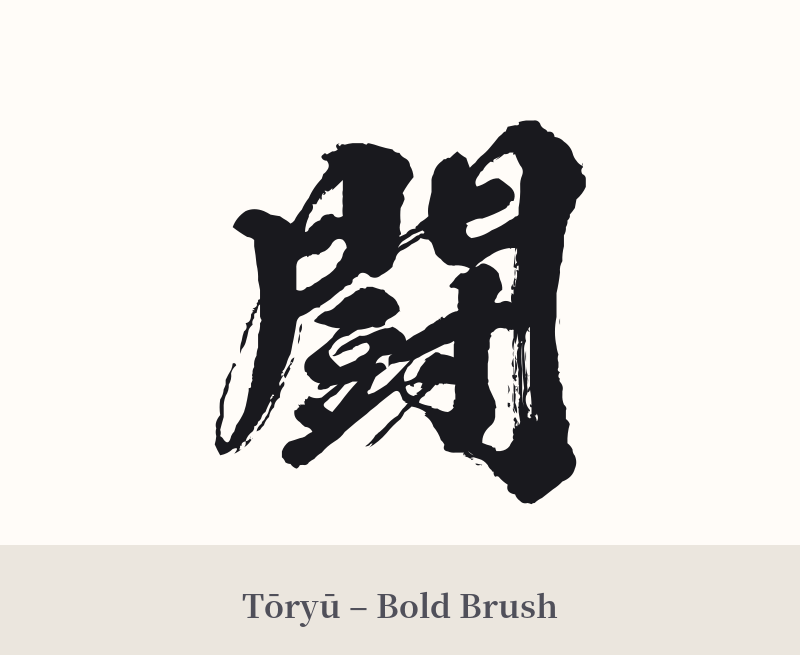
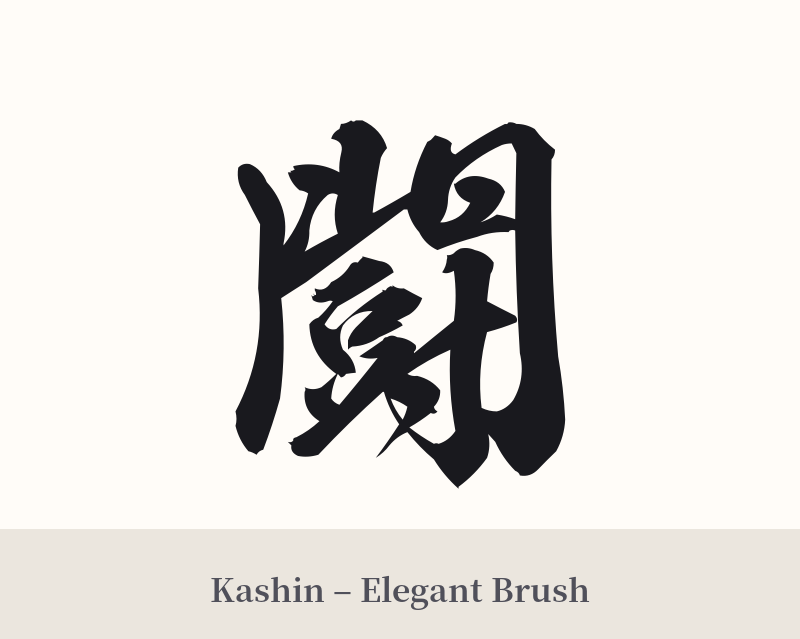
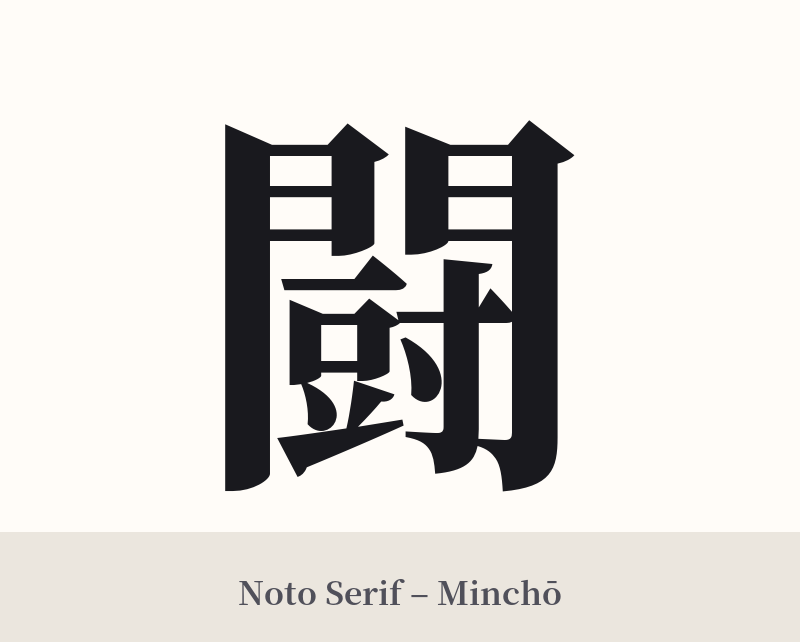
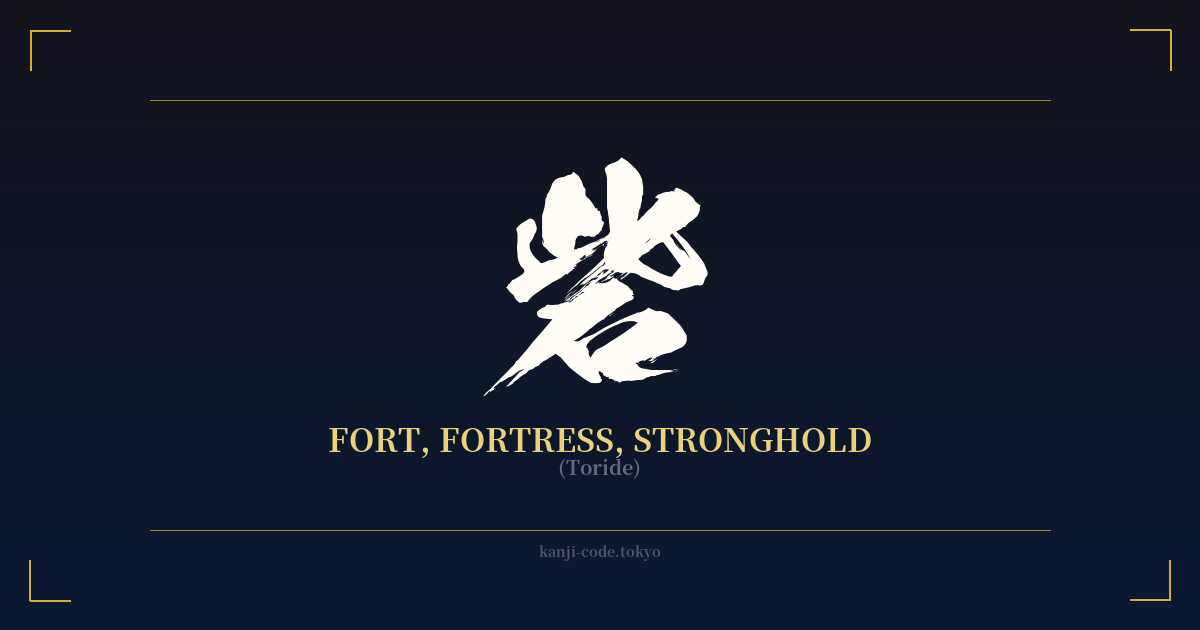
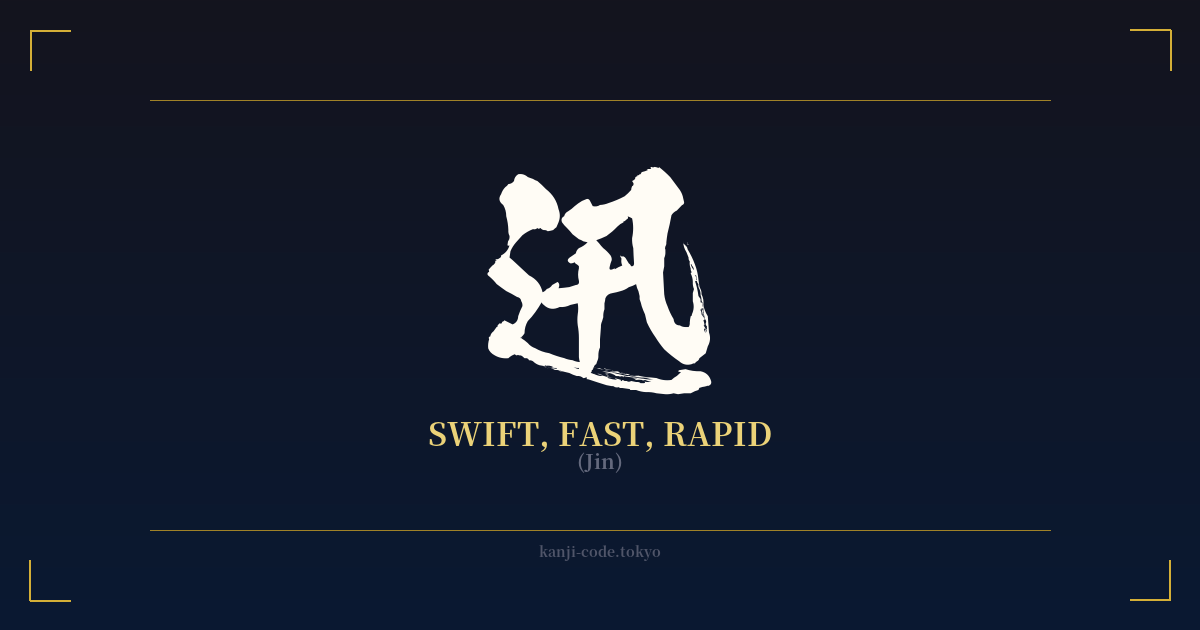
The same kanji can look dramatically different depending on the calligraphy style. Choose a font that matches the mood you want for your tattoo or design.
🎨 Tattoo Suitability
📐 Tattoo Design Guide
The kanji 闘 is a fantastic choice for a tattoo but requires careful planning due to its complexity.
– Placement: This character needs space to breathe. Large muscle groups like the back, chest, or outer thigh are ideal, allowing the artist to render its 18 strokes clearly. For a smaller piece, the calf or forearm can work, but the design must be simplified or the artist must be exceptionally skilled with fine lines.
– Font Style: A bold, semi-cursive (gyōsho) or wild, expressive (sōsho) brushstroke style is highly recommended. This emphasizes the energy and motion inherent in the character's meaning. A standard, blocky font (kaisho) can also work, giving it a more formal and resolute feeling of strength.
– Visual Tips: The key is legibility. Ensure the negative space within the character remains open and doesn't get clogged with ink. Consider a design that uses a 'splash' or 'ensō' (Zen circle) background to frame the kanji and give it more impact. Pairing it with a symbolic image, like a tiger or a dragon, can further define its context as a representation of powerful, primal struggle.
Comments