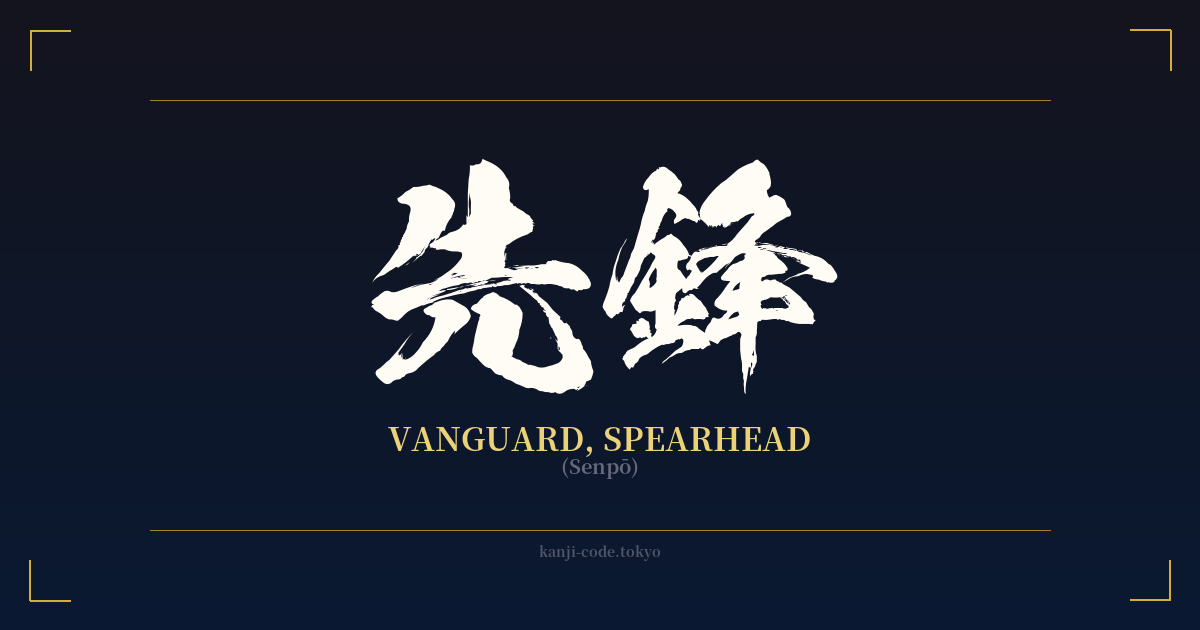
✍️ 先鋒 (Senpō) — Cultural Context
先鋒 (Senpō) is a word that rings with the clash of steel and the courage of the first charge. Literally translated, it means "first spear point," a vivid image that perfectly captures its original military context. In the battlefields of ancient Japan and beyond, the senpō was the vanguard, the unit or individual at the very front of an army, tasked with the dangerous and critical mission of breaking the enemy's line and setting the tone for the entire battle.
To be part of the vanguard was an honor, but one that demanded supreme skill, bravery, and a willingness to face the greatest risk. These warriors were the tip of the spear, the first to engage the enemy, and their success or failure could determine the outcome. This role was not just about brute force; it required tactical awareness and the psychological fortitude to lead the way into uncertainty.
Over time, the meaning of 先鋒 has expanded far beyond the battlefield. Today, it is used metaphorically to describe anyone who is at the forefront of a field or movement. A scientist making a groundbreaking discovery is a senpō. An artist pushing the boundaries of their medium is a senpō. A company launching a revolutionary new technology is leading the senpō.
The word carries a sense of dynamic, forward-moving energy. It's not just about being first, but about actively creating a path for others to follow. It implies a proactive, rather than reactive, stance. In sports, the leadoff hitter in baseball or the point guard leading a fast break in basketball can be described with the same spirit of the senpō.
This blend of historical martial honor and modern pioneering spirit makes 先鋒 a deeply compelling term. It speaks to the universal human drive to explore, to challenge the status quo, and to lead from the front, whether the battlefield is made of dirt and steel or ideas and innovation.
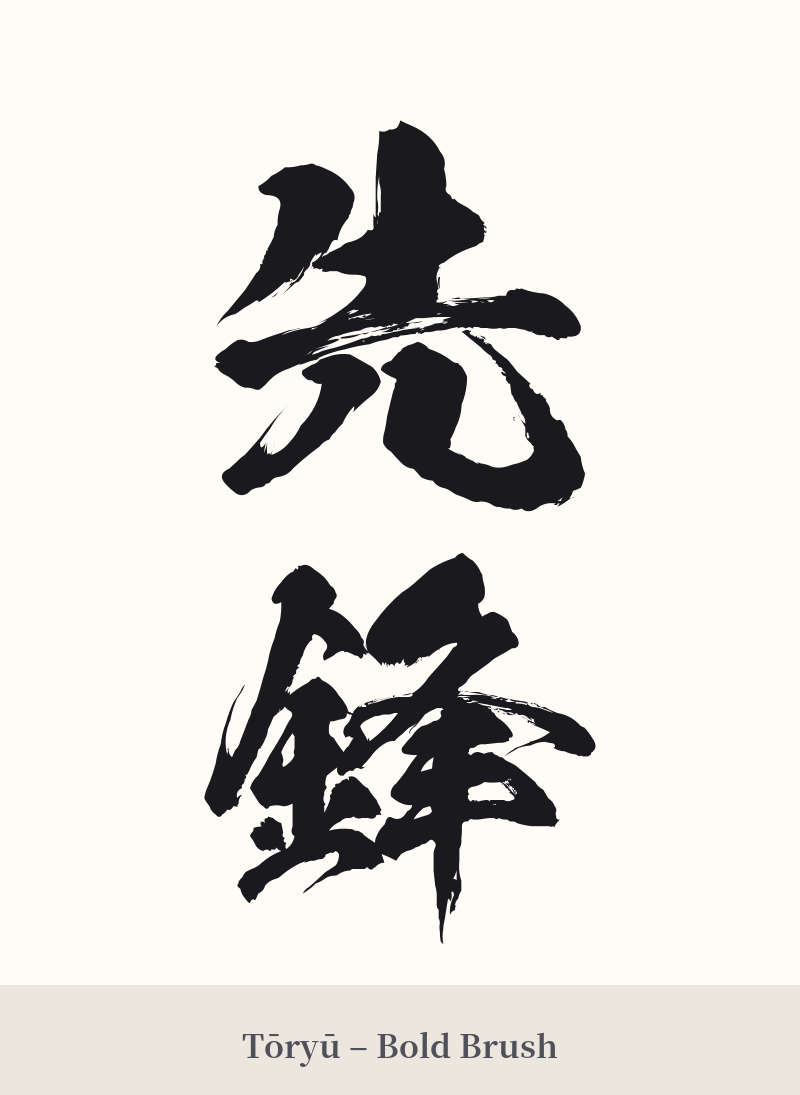
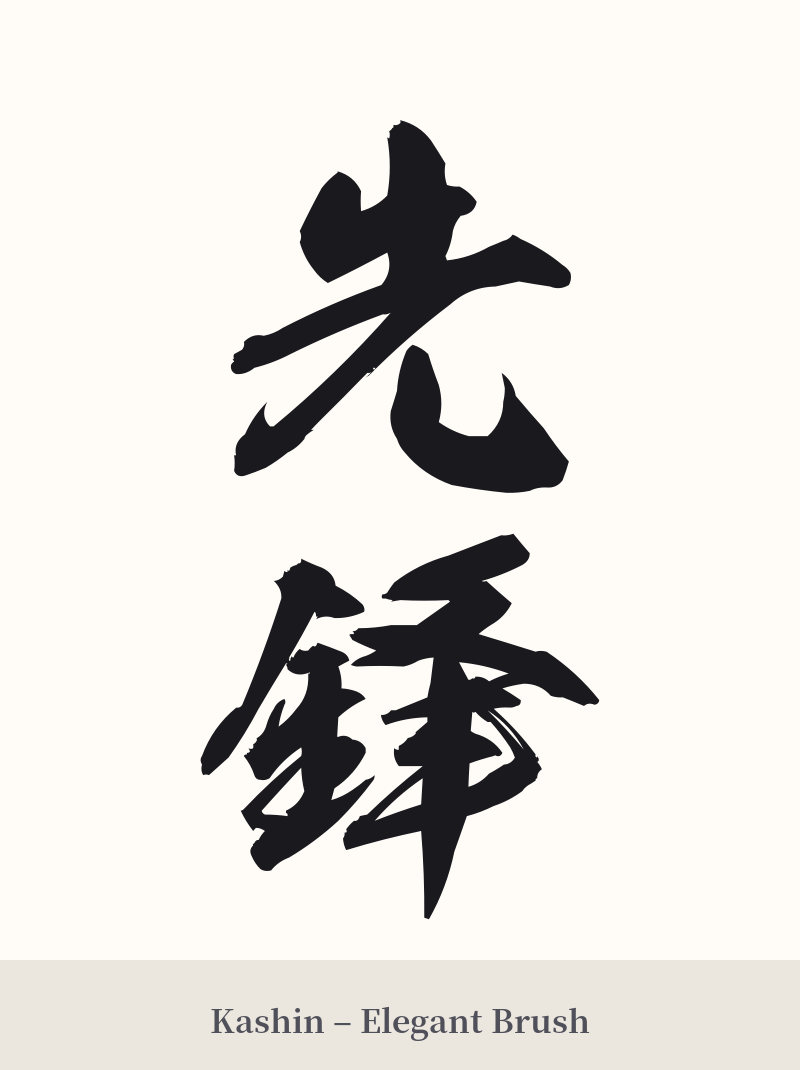
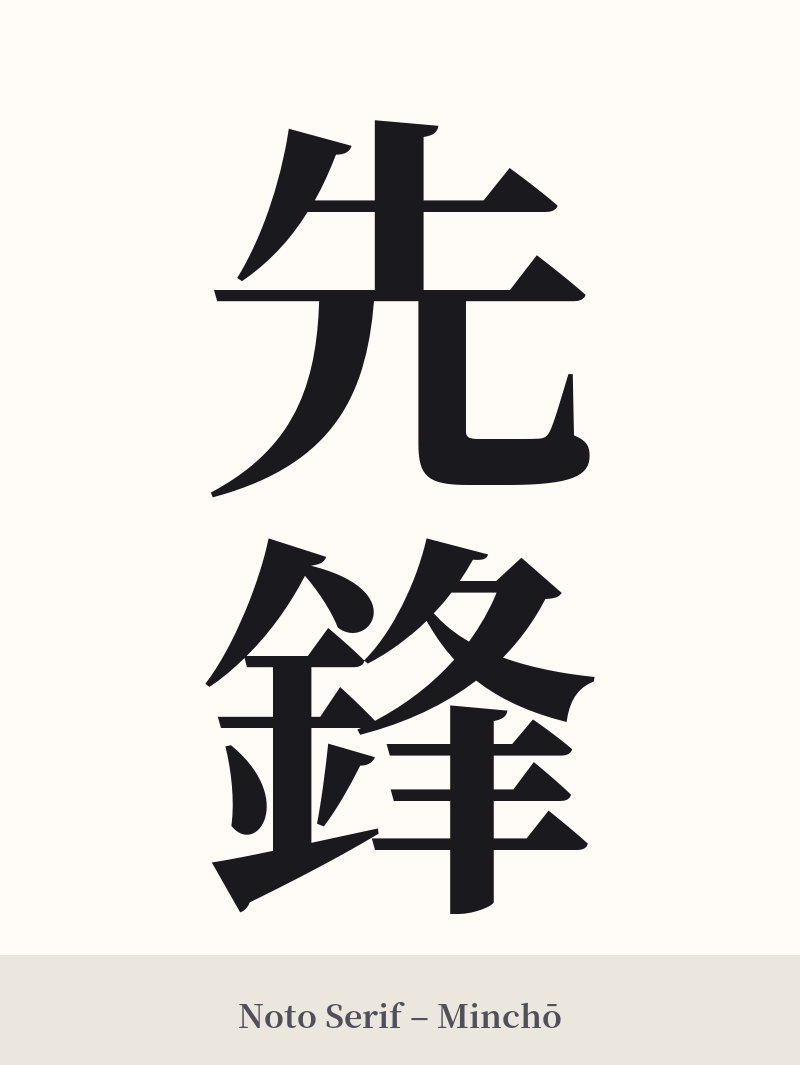
🖌️ Font Styles for 先鋒
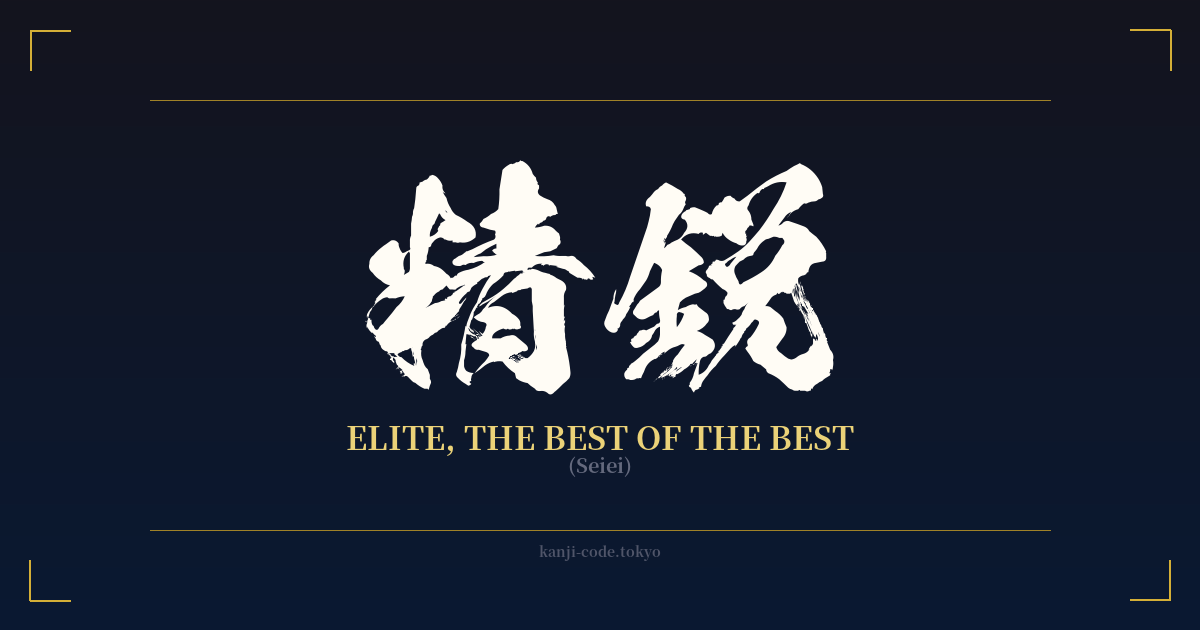
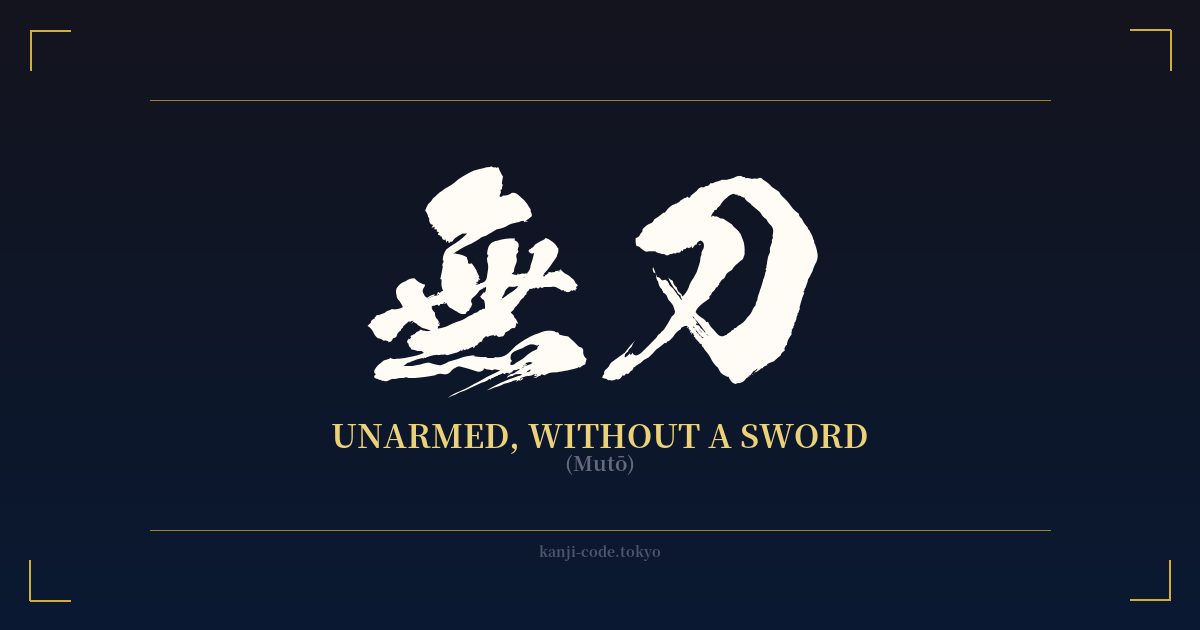
The same kanji can look dramatically different depending on the calligraphy style. Choose a font that matches the mood you want for your tattoo or design.
🎨 Tattoo Suitability
📐 Tattoo Design Guide
For a 先鋒 tattoo, the design should reflect its sharp, forward-moving energy. The two characters offer a nice visual balance that works well in a few key orientations.
– Placement: A vertical alignment on the forearm, calf, or along the spine emphasizes the feeling of a spear or a descending force. A bold horizontal placement across the chest or upper back projects strength and stability.
– Font Style: A crisp, angular script like Kaisho (block script) would highlight the military precision and sharpness of the word. For a more dynamic feel, a semi-cursive style like Gyōsho could capture the motion and action inherent in being the vanguard.
– Visual Elements: While the characters are strong enough to stand alone, they could be subtly integrated with an abstract motif. A sharp, spear-like line or a brushstroke that seems to burst forward from the kanji could amplify its meaning without cluttering the design. Avoid overly complex backgrounds to let the powerful characters take center stage.
Comments