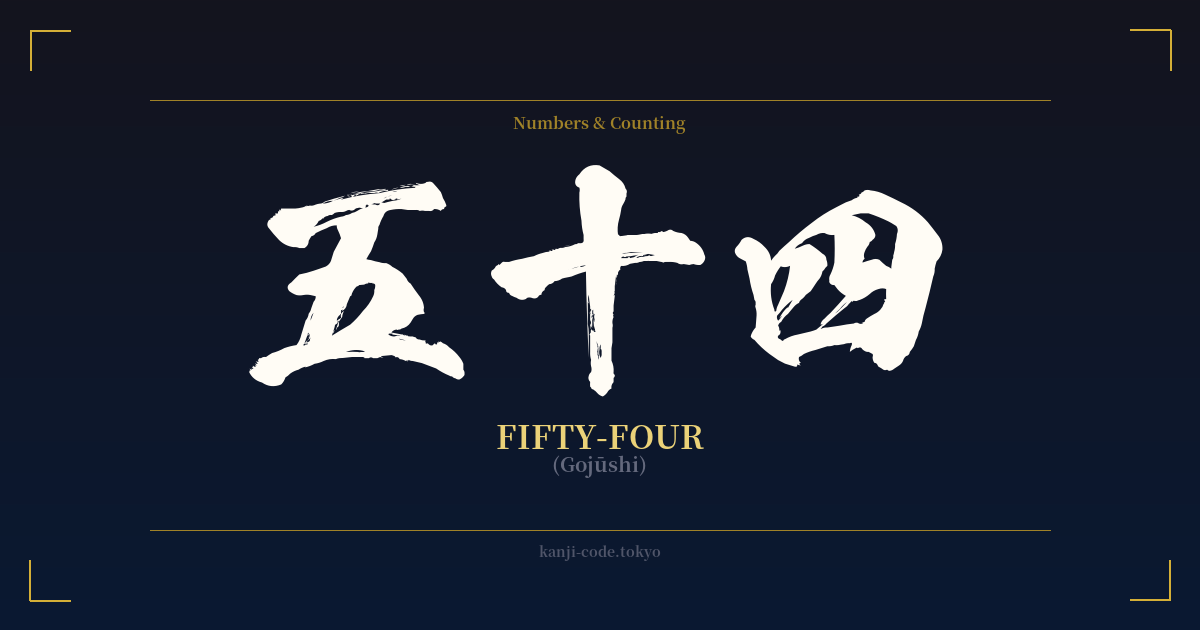
✍️ 五十四 (Gojūshi) — Cultural Context
The kanji 五十四 (Gojūshi) is the Japanese representation of the number fifty-four. Its construction is a clear example of the logical, additive nature of the Japanese numbering system. It is read literally as 'five-tens-four' (五-十-四), combining the characters for 5, 10, and 4 to form the value. This system is straightforward and efficient, a testament to the mathematical principles embedded within the language.
While many numbers are simply functional, fifty-four holds a uniquely prestigious place in Japanese classical literature. This is almost entirely due to its connection with 'The Tale of Genji' (源氏物語, Genji Monogatari), a masterpiece of Japanese literature written by Murasaki Shikibu in the early 11th century. The novel, considered by many to be the world's first, is composed of 54 distinct chapters or scrolls.
This connection elevates the number from a simple quantity to a symbol of classical elegance, literary depth, and the ephemeral world of the Heian court. For scholars and enthusiasts of Japanese literature, '54' immediately evokes the sprawling narrative of Prince Genji, his loves, and his life. Each chapter is a world unto itself, and their sum, fifty-four, represents the completeness of this monumental work.
However, it's also important to consider the cultural nuance of the individual characters. The final character, 四 (shi/yon), is subject to tetraphobia. Because its primary reading, 'shi,' sounds identical to the word for death (死), the number four is often considered unlucky. In modern Japan, the alternative reading 'yon' is frequently used to circumvent this negative association. While 'Gojūshi' is the standard reading for fifty-four, the presence of the character 四 can be a subtle point of cultural friction for some, making it an unusual choice for celebratory or decorative purposes without specific context.
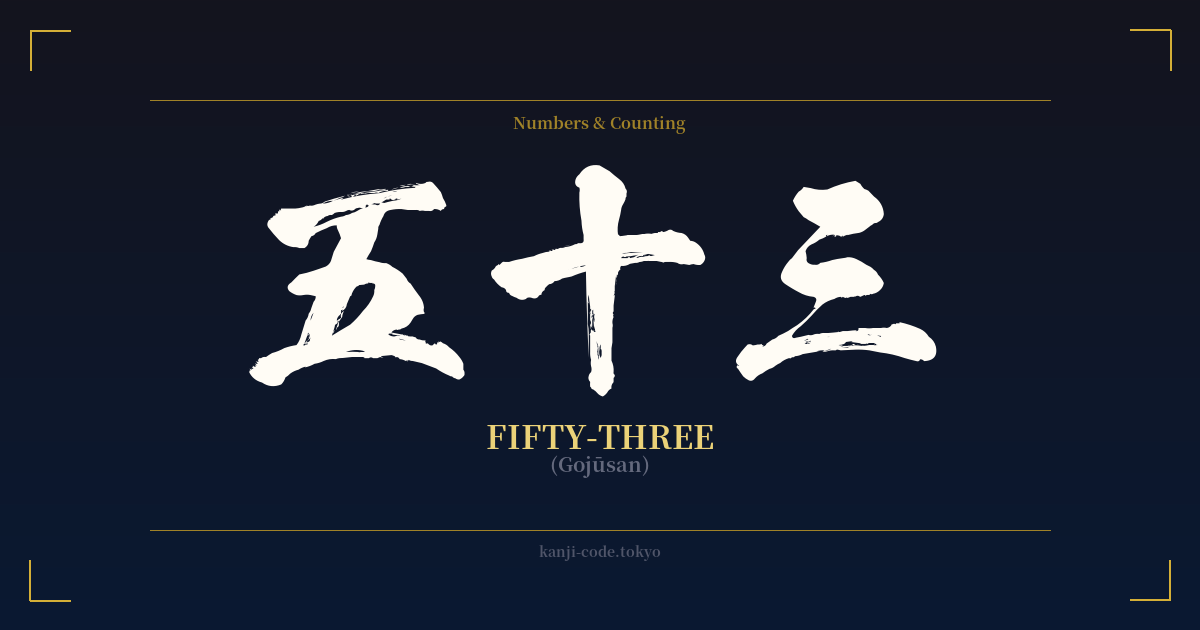
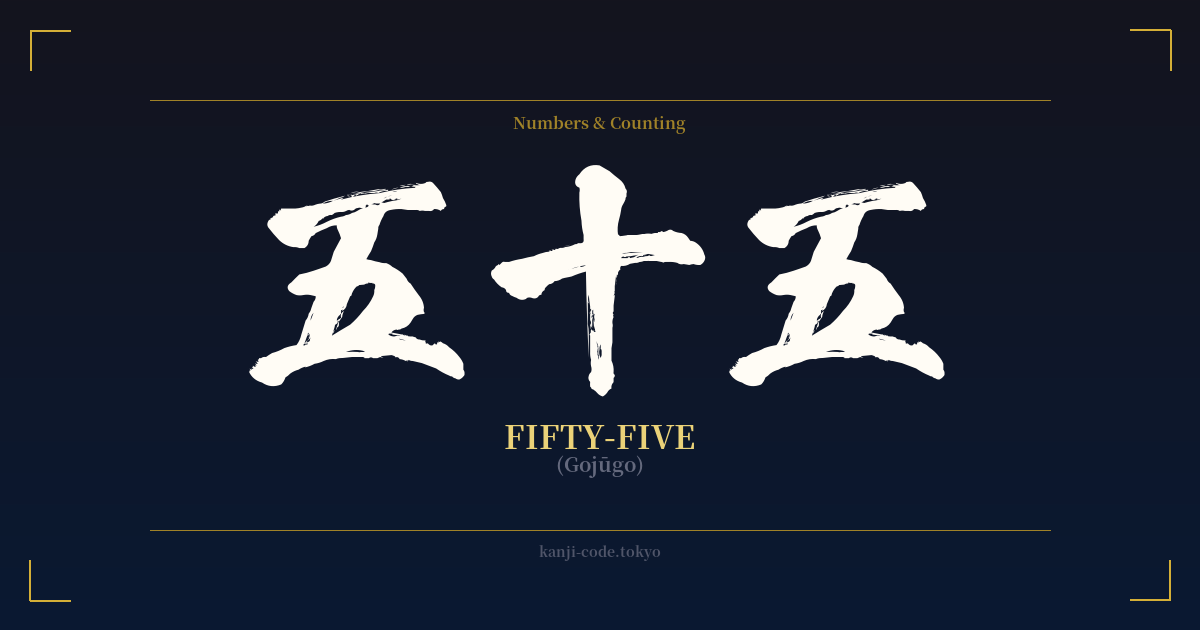
🖌️ Font Styles for 五十四
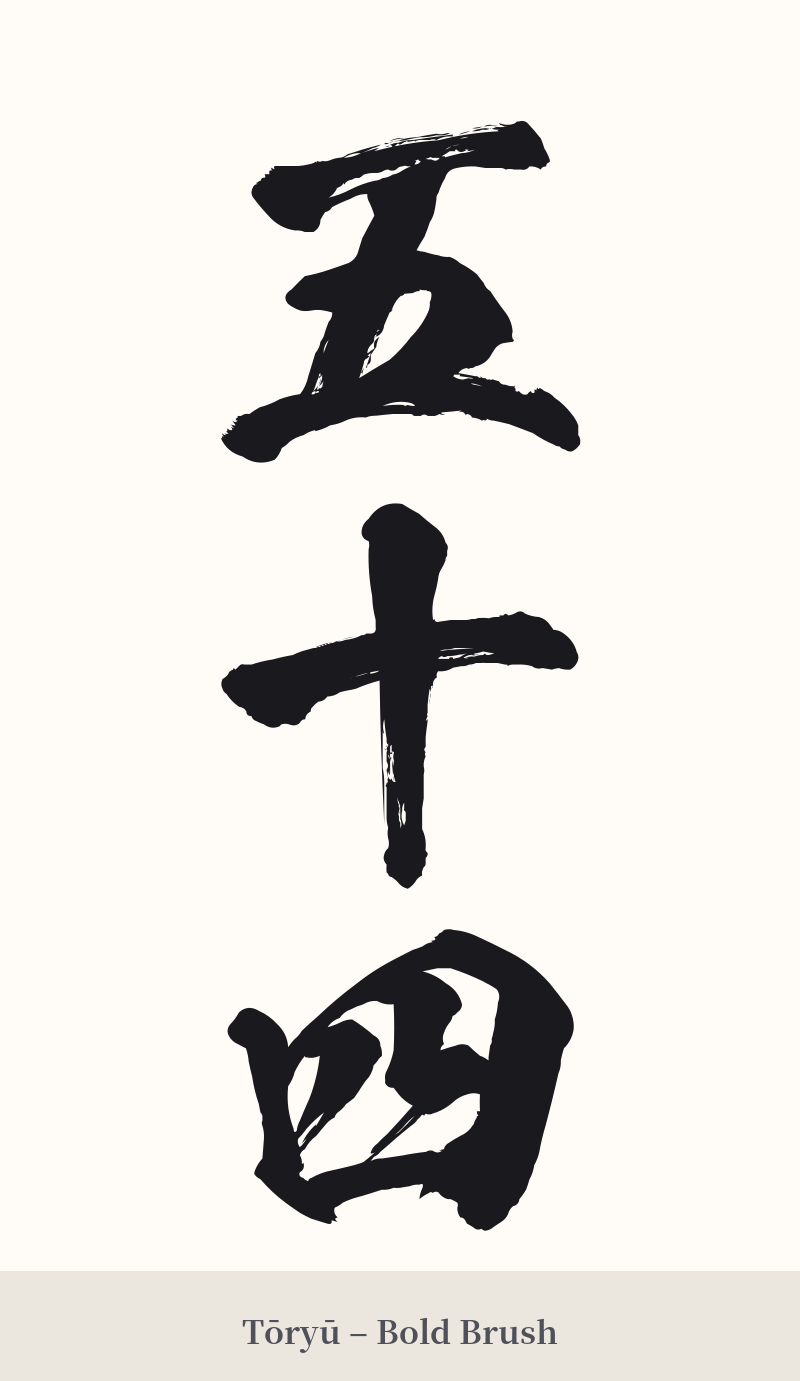
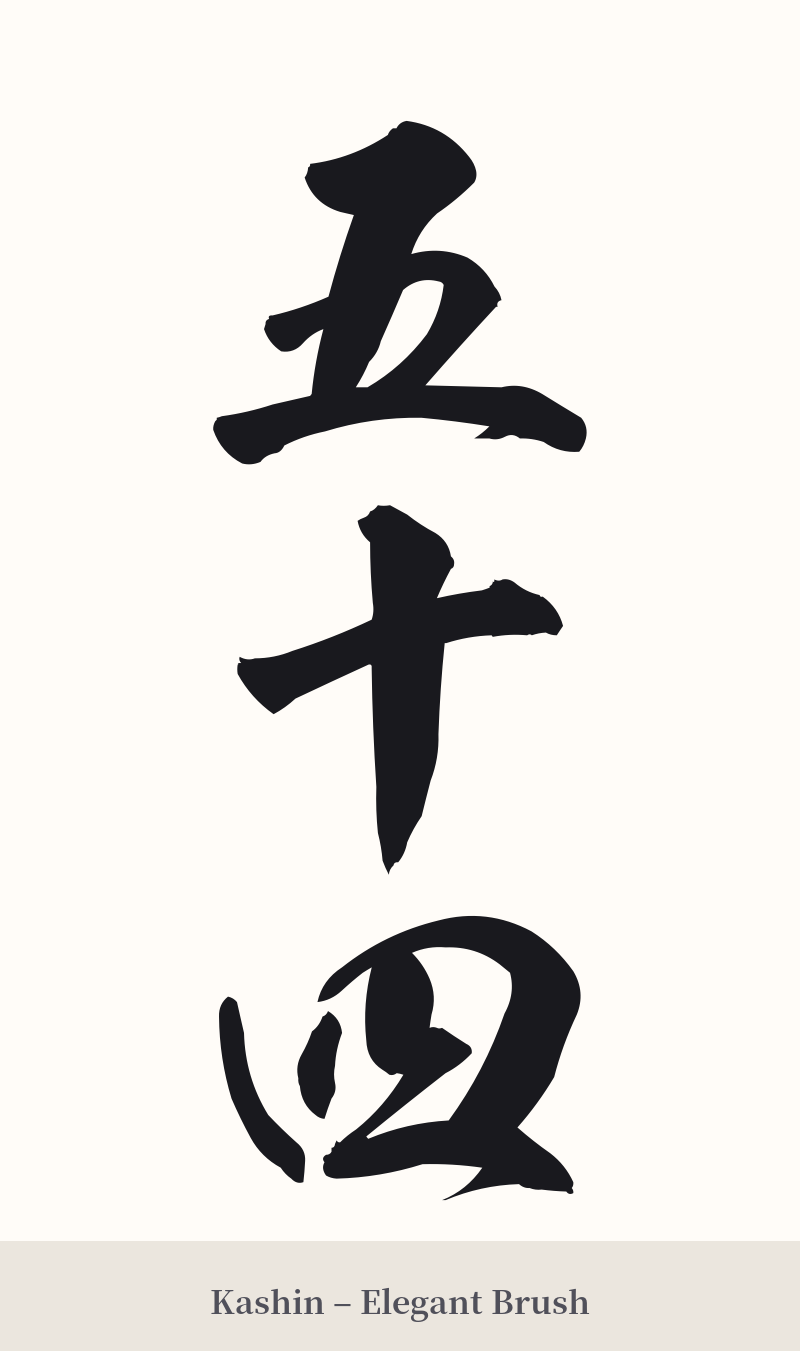
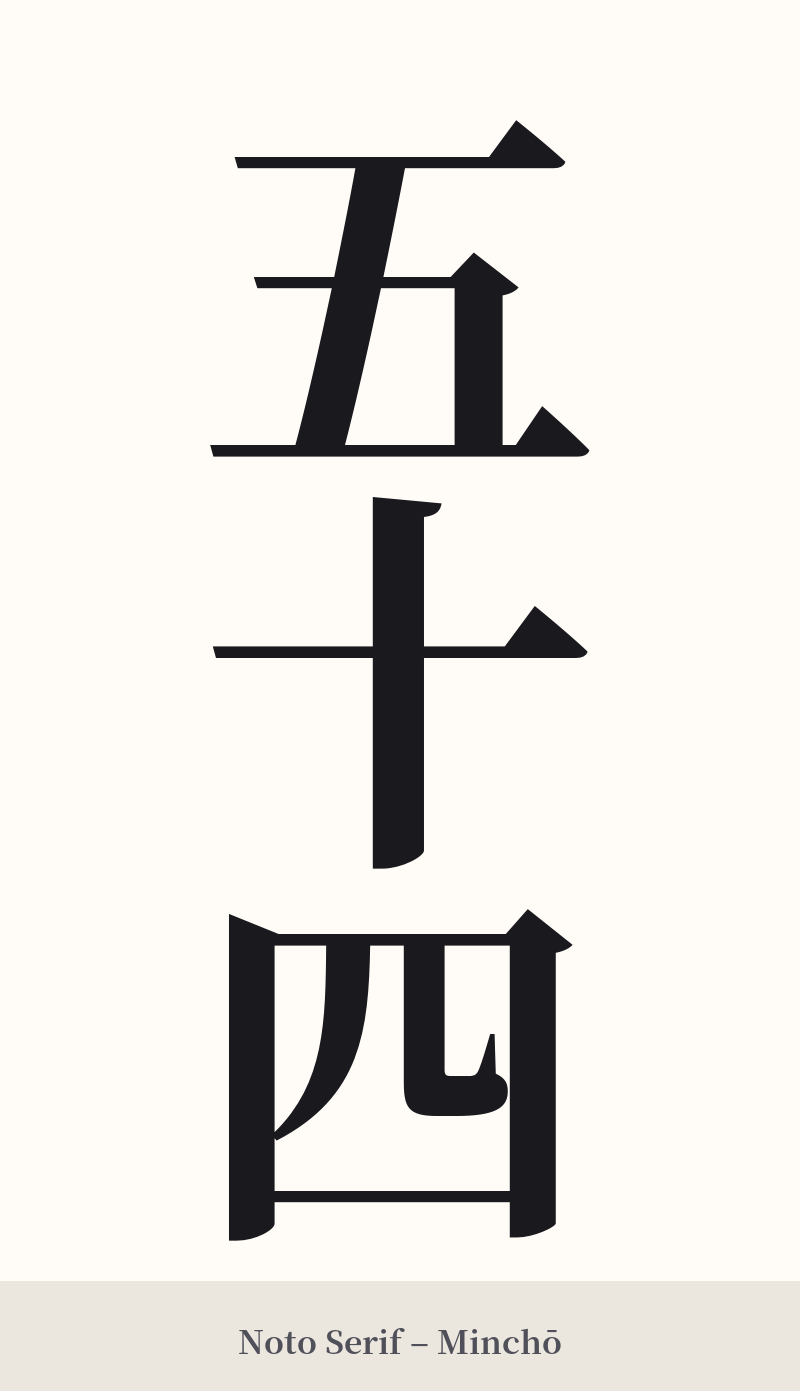
The same kanji can look dramatically different depending on the calligraphy style. Choose a font that matches the mood you want for your tattoo or design.
🎨 Tattoo Suitability
📐 Tattoo Design Guide
If you have a strong personal reason to tattoo the number fifty-four, the design should be handled with care to give it presence and style. A simple numerical tattoo can often look plain, so the execution is key.
– Placement: Vertical alignment is the most traditional and aesthetically pleasing way to write Japanese kanji. This would look excellent along the forearm, the spine, or down the ribs. A horizontal arrangement is more modern but can sometimes feel less balanced for multi-character words.
– Font Style: Consider a dynamic font to add character. A standard block font (Kaisho) will look clean and legible, emphasizing the numerical clarity. For a more artistic and classic feel, a semi-cursive (Gyosho) or cursive (Sosho) style can link the characters together, creating a sense of flow and elegance that befits the connection to 'The Tale of Genji'.
– Integration: Rather than a standalone piece, consider incorporating 五十四 into a larger design that explains its significance. For example, if it represents a year, it could be part of an image from that time. If it's for 'The Tale of Genji,' it could be paired with a motif from the story, such as a cherry blossom or a court fan.
Comments