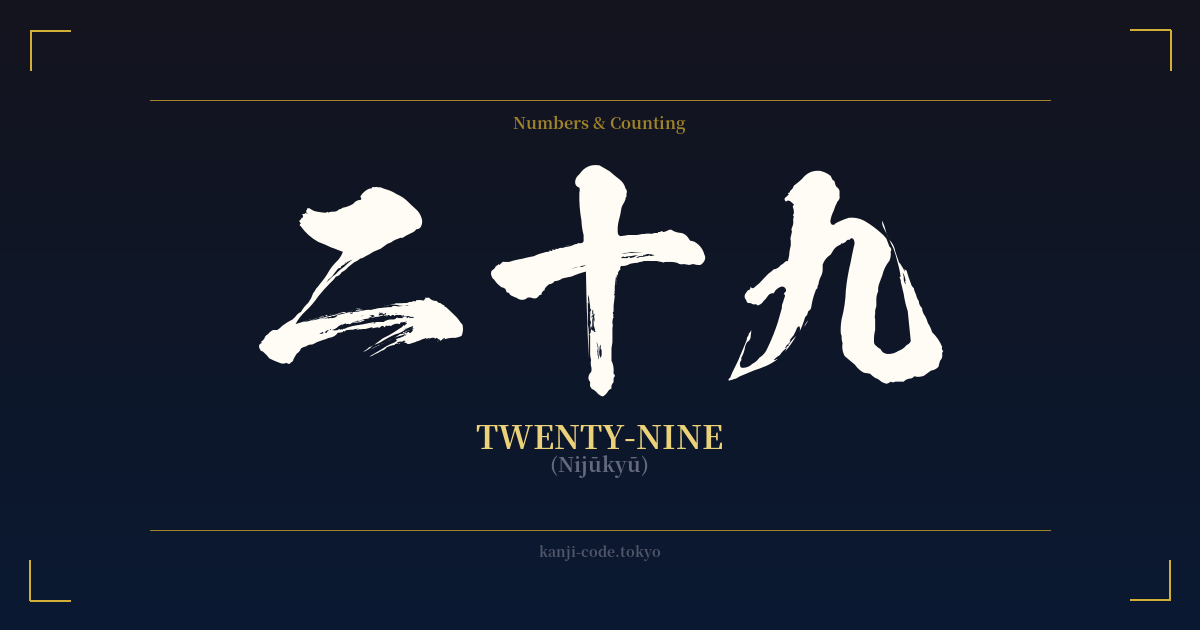
✍️ 二十九 (Nijūkyū) — Cultural Context
The Japanese word for twenty-nine, 二十九 (Nijūkyū), is a perfect example of the logical and straightforward nature of the Japanese numbering system. It is constructed literally as 'two-ten-nine,' combining the characters for 二 (ni, two), 十 (jū, ten), and 九 (kyū, nine). This system, borrowed from Chinese, is highly systematic and makes large numbers easy to construct once you know the basic characters from one to ten, plus the characters for hundred, thousand, and so on.
While the number twenty-nine itself doesn't carry profound historical or philosophical weight, its component parts do. The number nine, 九 (kyū or ku), is sometimes viewed with a hint of superstition in Japan. Because one of its readings, 'ku,' is a homophone for the word for suffering, 苦 (ku), it can be considered unlucky in certain contexts, similar to how the number four (shi) is associated with death (shi). For this reason, some hospitals or hotels might avoid room numbers or floors containing a nine.
However, this superstition is often a minor one, and the number nine also appears in positive contexts. For instance, the term 'Kyūshū' (九州), the name of one of Japan's main islands, literally means 'nine provinces.' This shows that the negative connotation is not universal and is highly context-dependent.
In modern, everyday culture, the number twenty-nine finds a fun and popular association through a form of Japanese wordplay called 'goroawase.' In this system, numbers can be read as words they sound like. The 29th day of every month is popularly known as 肉の日 (Niku no Hi), or 'Meat Day.' This is because 'two' can be read as 'ni' and 'nine' as 'ku,' together sounding like 'niku' (肉), the Japanese word for meat. On this day, many butcher shops, supermarkets, and yakiniku (grilled meat) restaurants offer special sales and promotions, making it a day eagerly anticipated by carnivores across Japan.
From a numerological or spiritual perspective, twenty-nine doesn't hold the same significance as numbers like seven (associated with luck and the samurai) or eight (a symbol of prosperity due to the shape of its kanji, 八). It is not one of the 'yakudoshi' (unlucky ages) for either men or women. Therefore, the meaning of 二十九 is almost always purely numerical or tied to a specific, personal date or age, rather than a broader cultural symbol.
🖌️ Font Styles for 二十九
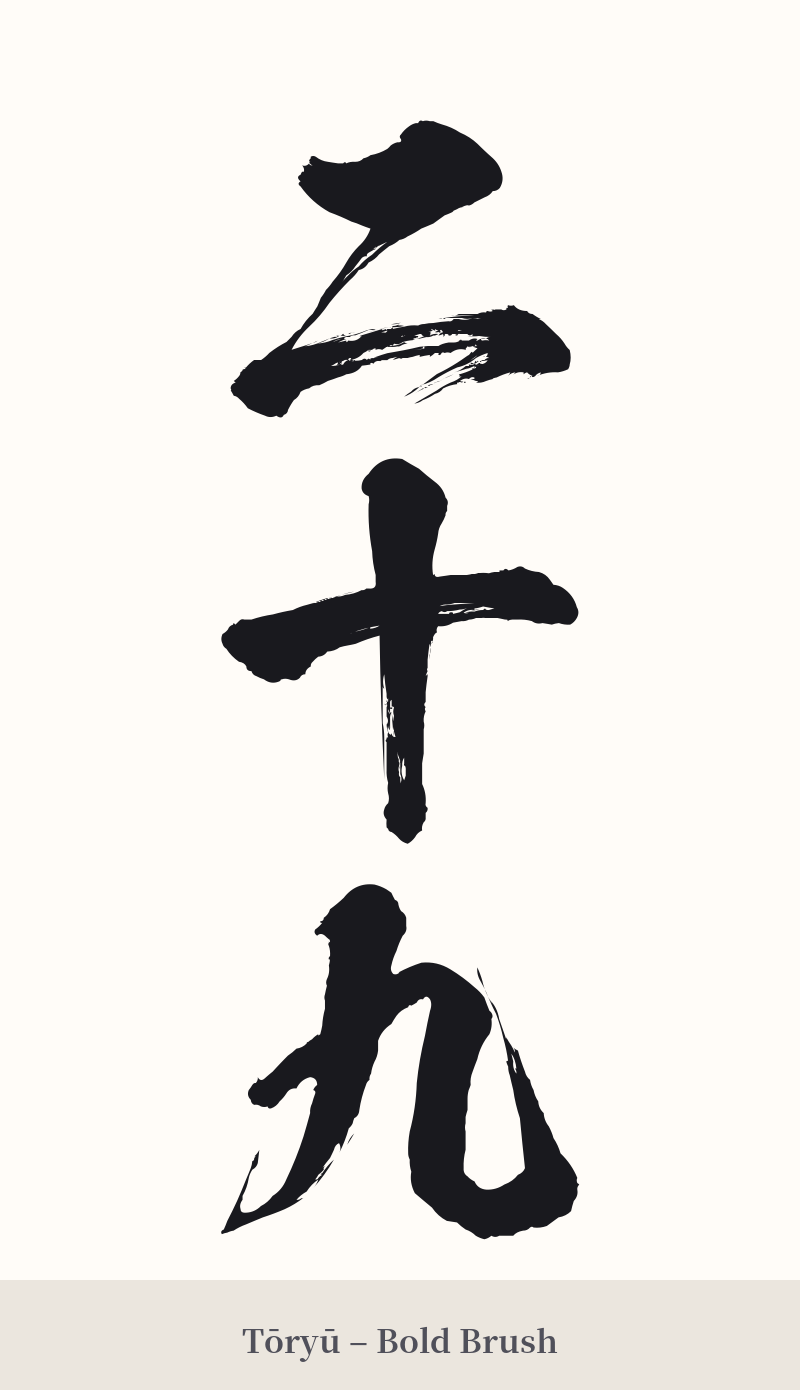
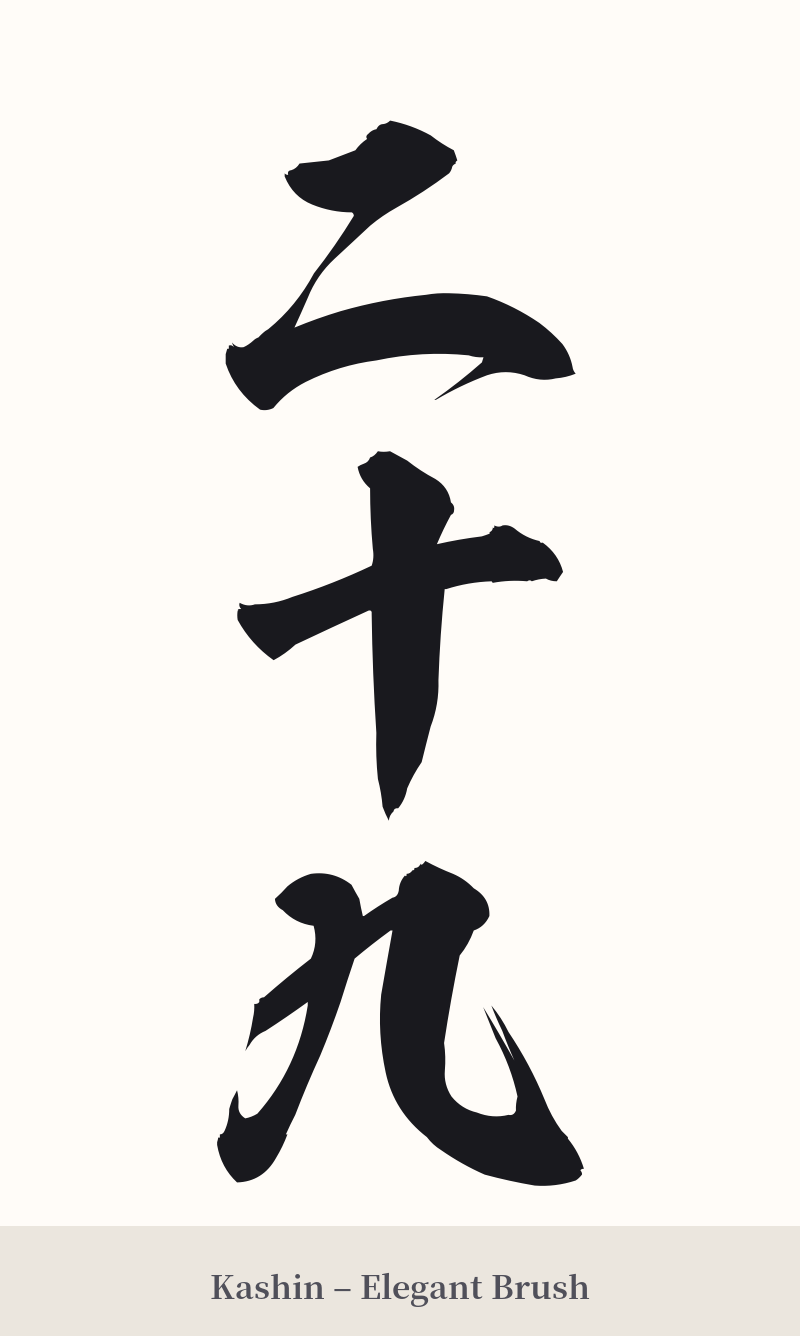
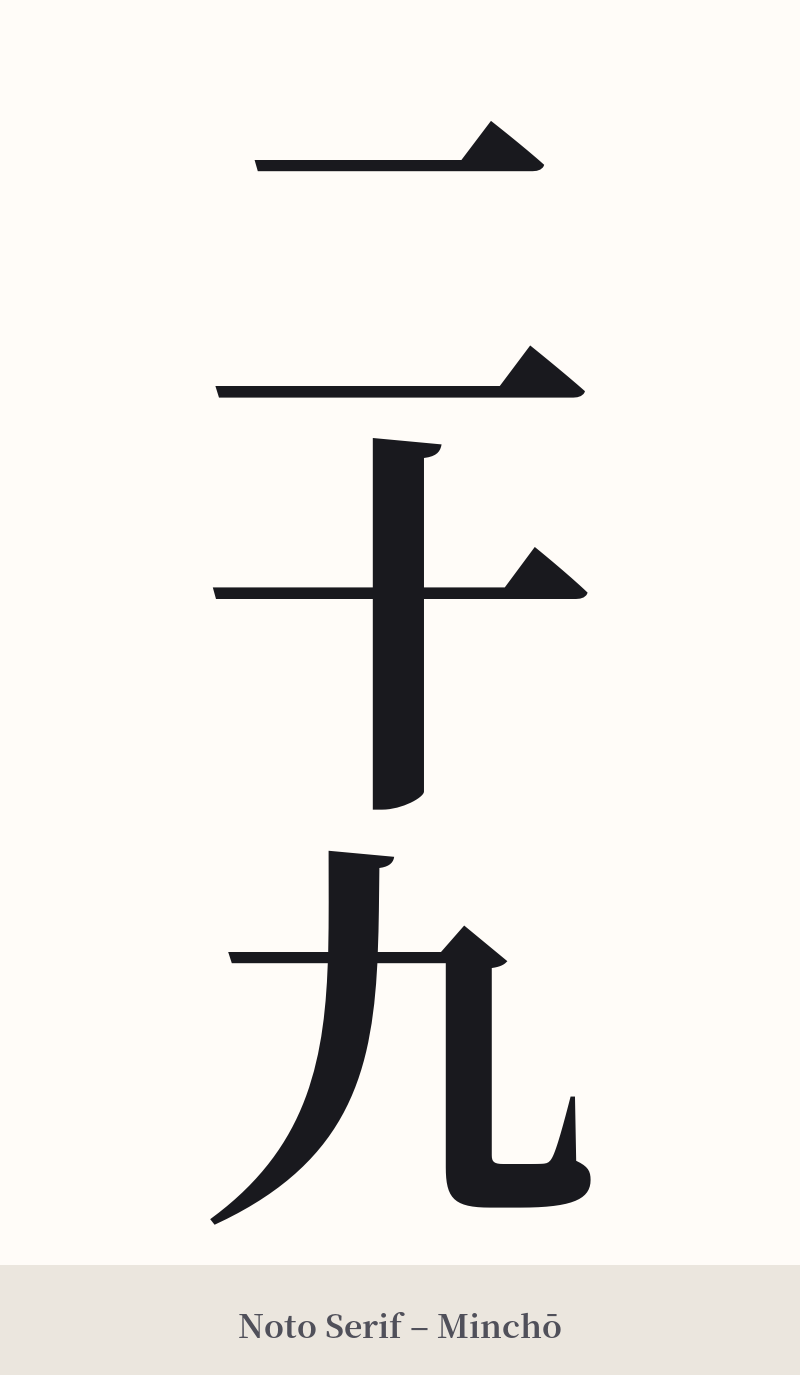
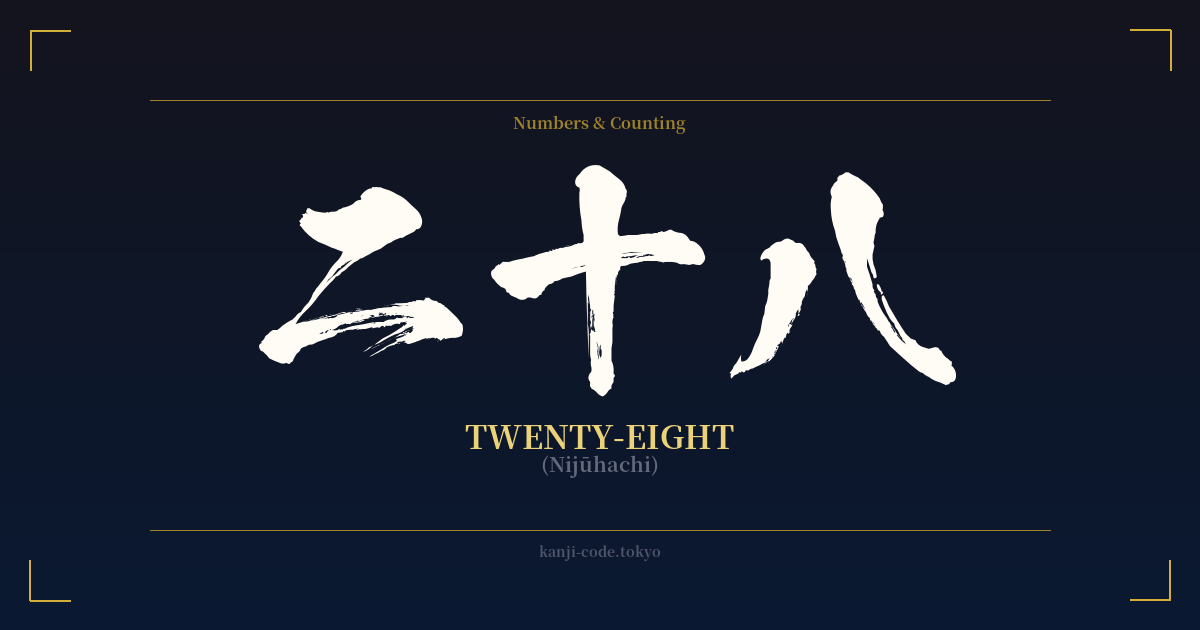
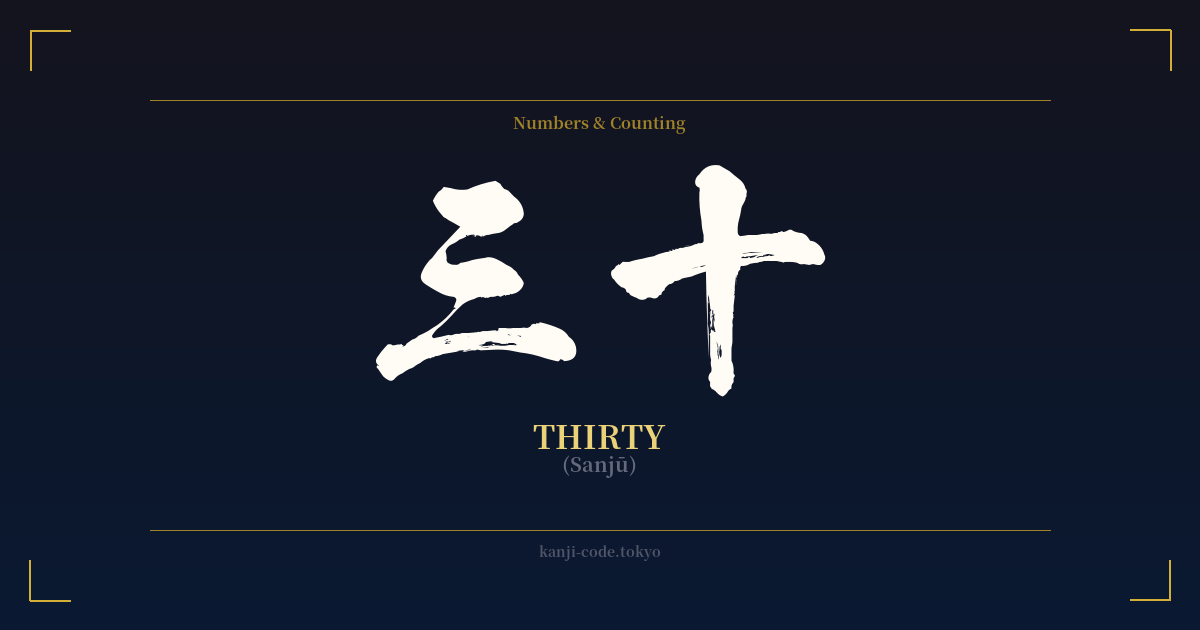
The same kanji can look dramatically different depending on the calligraphy style. Choose a font that matches the mood you want for your tattoo or design.
🎨 Tattoo Suitability
📐 Tattoo Design Guide
A tattoo of 二十九 is a highly personal choice, likely representing a specific age, date, or number. The design should reflect this personal significance.
– Placement: Because of its simple and personal nature, this kanji works well in smaller, more discreet locations. Consider the inner wrist, ankle, behind the ear, or along the collarbone. A vertical orientation on the forearm or spine can also create a clean line.
– Font Style: The three characters are very simple, with only two strokes each. A standard block font (Mincho or Gothic) can look sterile. Instead, consider a dynamic calligraphy style (shodō) where the brush strokes can be exaggerated to add flow and connect the characters visually. A semi-cursive or gyōsho style could make the simple forms more artistic.
– Visual Tips: To give the number context and visual interest, consider incorporating it with another image. For example, if it represents a birthday, you could have the kanji written on the stem of a flower representing that birth month. If it's an anniversary, it could be subtly woven into a larger design that symbolizes the event or person.
Comments