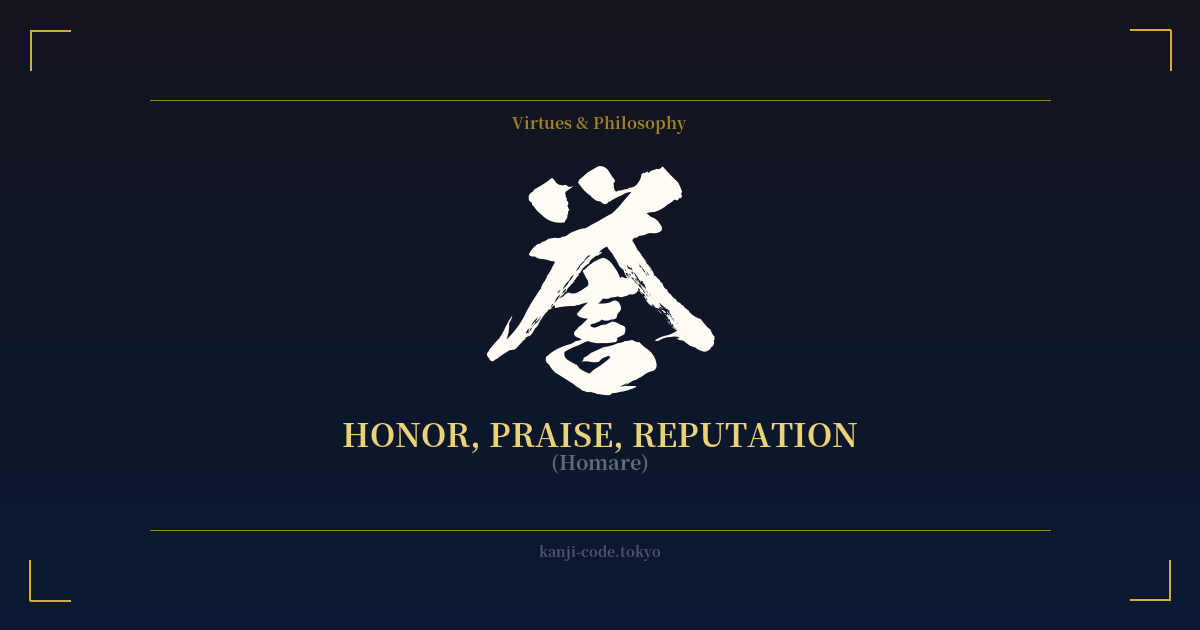
✍️ 誉 (Homare) — Cultural Context
The kanji 誉, read as 'Homare,' encapsulates a concept far more dynamic than the simple English word 'honor.' It speaks not just of a static state of integrity, but of the glory, praise, and esteemed reputation earned through commendable actions. It is the visible, celebrated recognition that follows a great achievement.
Historically, this concept is deeply woven into the fabric of Japanese society, particularly within the context of the samurai and their code of Bushido. For a warrior, earning 'homare' on the battlefield was a primary motivation. It brought glory not only to the individual but also to their family and lord. The compound word 'meiyo' (名誉), which uses this kanji, refers to one's name and honor—a reputation so vital that its loss was considered a fate worse than death. 'Homare' is the act of being praised that builds one's 'meiyo'.
Delving into the character's etymology reveals its core meaning. 誉 is a combination of two older characters: 與 (yo), meaning 'to give' or 'to bestow,' and 言 (gen), meaning 'words' or 'speech.' Together, they form the beautiful and literal meaning: 'to bestow praise with words.' This highlights that 'homare' is an honor conferred by others; it is a reputation built upon the public acknowledgment of one's worth and deeds. It is not an honor you claim for yourself, but one you receive from your community.
In modern Japan, 'homare' retains this powerful and positive connotation. It is often used to describe athletes who bring glory to their country, scholars who make groundbreaking discoveries, or anyone who achieves excellence in their field. An award might be called a 'homare no shirushi' (誉のしるし), or a 'mark of honor.' It is also a fairly popular, though strong, given name for boys, imbued with the parents' hope that their son will lead a life of achievement and good standing.
Unlike more common or everyday words, 'Homare' carries a slightly formal, almost poetic weight. It evokes images of triumphant moments, public accolades, and a legacy of respect. It represents an ideal—the pursuit of excellence that is worthy of praise and a reputation that stands the test of time.
🖌️ Font Styles for 誉
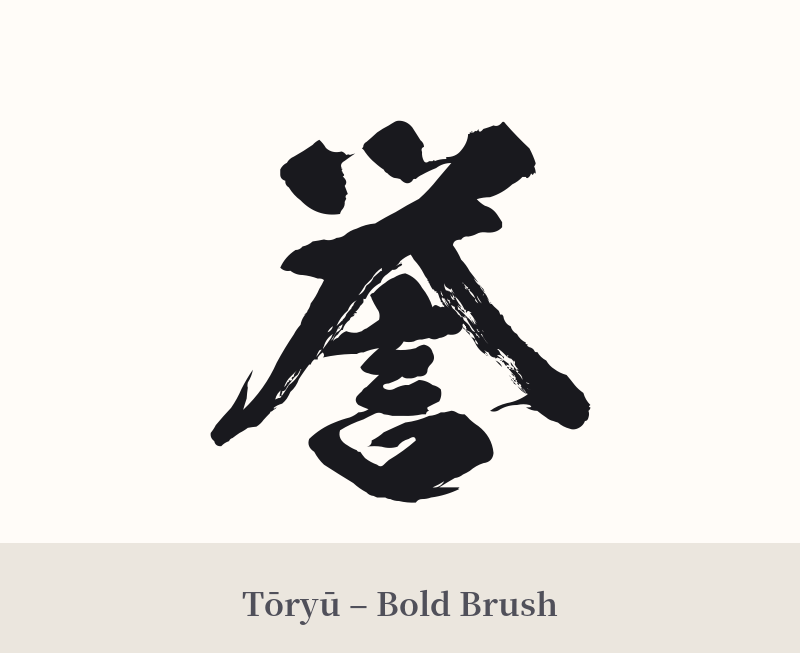
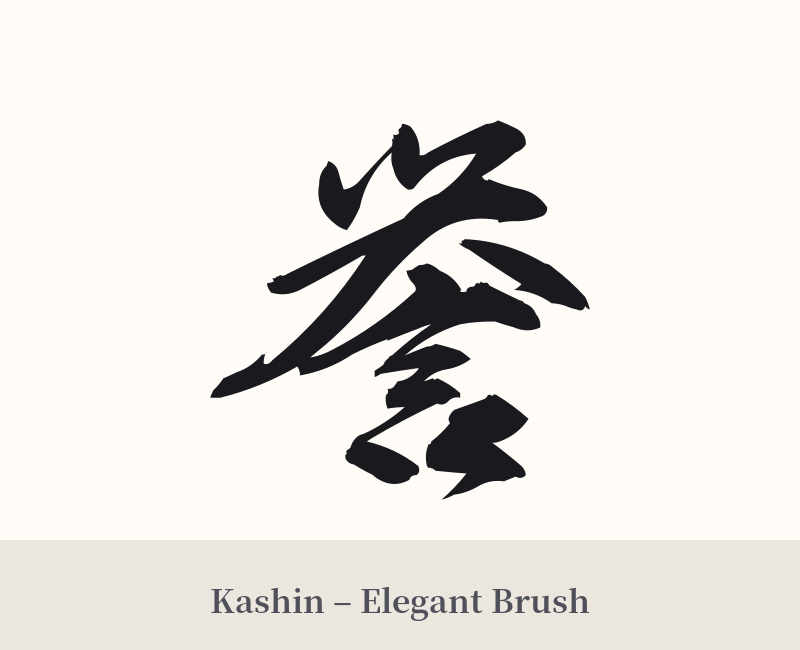
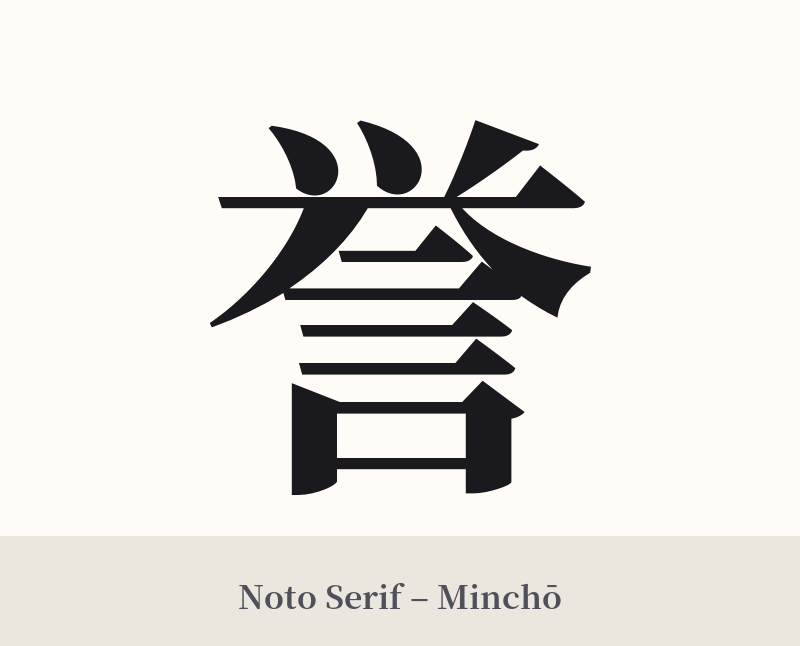
The same kanji can look dramatically different depending on the calligraphy style. Choose a font that matches the mood you want for your tattoo or design.
🎨 Tattoo Suitability
📐 Tattoo Design Guide
The kanji 誉 (Homare) is a visually balanced and dignified character, making it a strong choice for a standalone tattoo. Its meaning lends itself to designs that are both powerful and elegant.
– Placement: This kanji works well in vertical orientations. Consider the forearm, the calf, the spine, or the back of the shoulder. These locations provide enough space to render the 13 strokes clearly and create a commanding presence.
– Font Style: The choice of script can dramatically alter the feeling of the tattoo. A standard 'Kaisho' (block) script will give it a formal, strong, and timeless quality, emphasizing the 'honor' aspect. For a more fluid and artistic look, a 'Gyosho' (semi-cursive) style can capture the dynamic energy of earning praise and glory.
– Visual Tips: While 誉 is powerful on its own, it can be paired with complementary imagery. Consider placing it alongside a dragon to symbolize strength and good fortune, a koi fish to represent perseverance leading to success, or falling cherry blossoms to reflect on the beautiful but transient nature of glory. Ensure the artist pays close attention to the spacing within the top component (與) to maintain legibility.
Comments