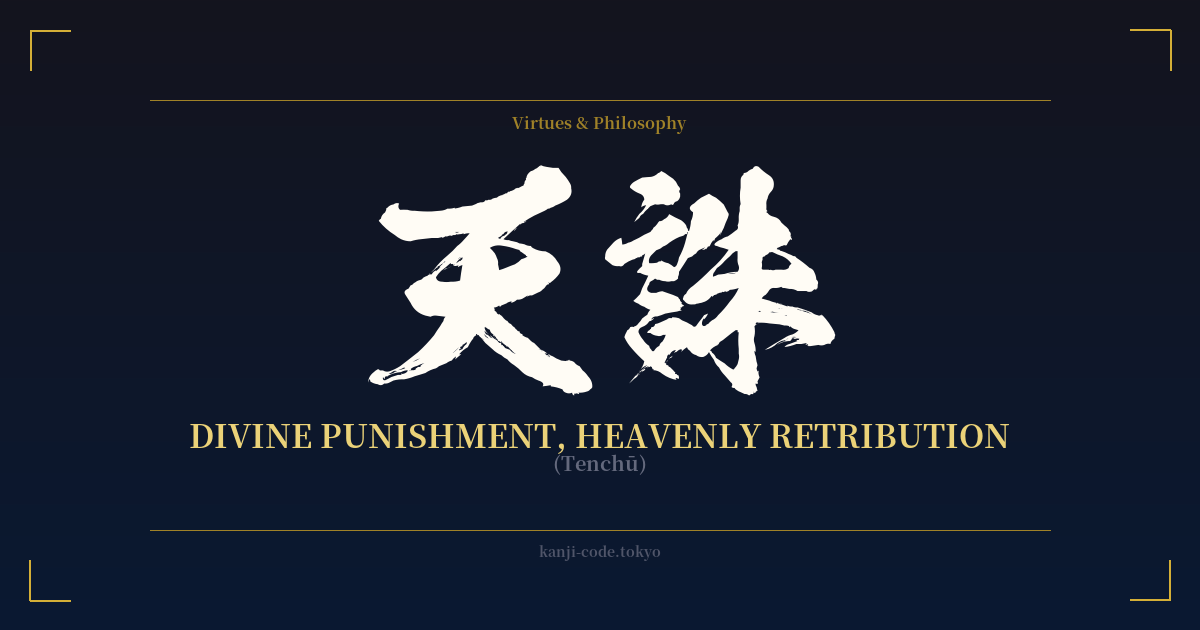
✍️ 天誅 (Tenchū) — Cultural Context
天誅 (Tenchū) is a term that resonates with dramatic, absolute power. It translates to 'divine punishment' or 'heavenly retribution,' carrying the immense weight of justice delivered not by human laws, but by a higher cosmic power. It’s the idea that when evil goes unpunished by mortals, the heavens themselves will intervene to restore balance.
This concept has deep roots in East Asian philosophy, particularly the idea of the 'Mandate of Heaven' (天命, Tenmei). A ruler was believed to govern by divine right, but this right could be revoked if they became corrupt or tyrannical. Natural disasters or successful rebellions were often interpreted as signs that the heavens were displeased—a form of Tenchū against an unjust leader.
However, the most famous and chilling use of Tenchū comes from the Bakumatsu period (1853-1868), a tumultuous era leading to the end of the samurai government. Loyalist samurai, known as 'Ishin Shishi,' fought to overthrow the Tokugawa Shogunate and restore power to the Emperor, whom they revered as a divine figure. A radical faction of these loyalists, the 'hitokiri' (literally 'man-slayers'), carried out a series of political assassinations against Shogunate officials.
These assassins did not see themselves as mere murderers. They acted under the slogan 'Sonno Joi' (Revere the Emperor, Expel the Barbarians) and declared their killings as 'Tenchū,' framing their violent acts as the righteous execution of heaven's will. They were, in their own minds, agents of divine justice. This historical context permanently imbues the word Tenchū with a dark, violent, and revolutionary overtone.
In modern times, most Japanese people encounter Tenchū in historical dramas, manga, and anime, such as the famous 'Rurouni Kenshin.' In fiction, it’s a powerful and 'cool' term often associated with stoic anti-heroes and righteous assassins. However, this pop culture portrayal often romanticizes a concept deeply rooted in bloody historical conflict. It is not a word used in daily life and remains a heavy, archaic term loaded with the gravity of justified killing.
🖌️ Font Styles for 天誅
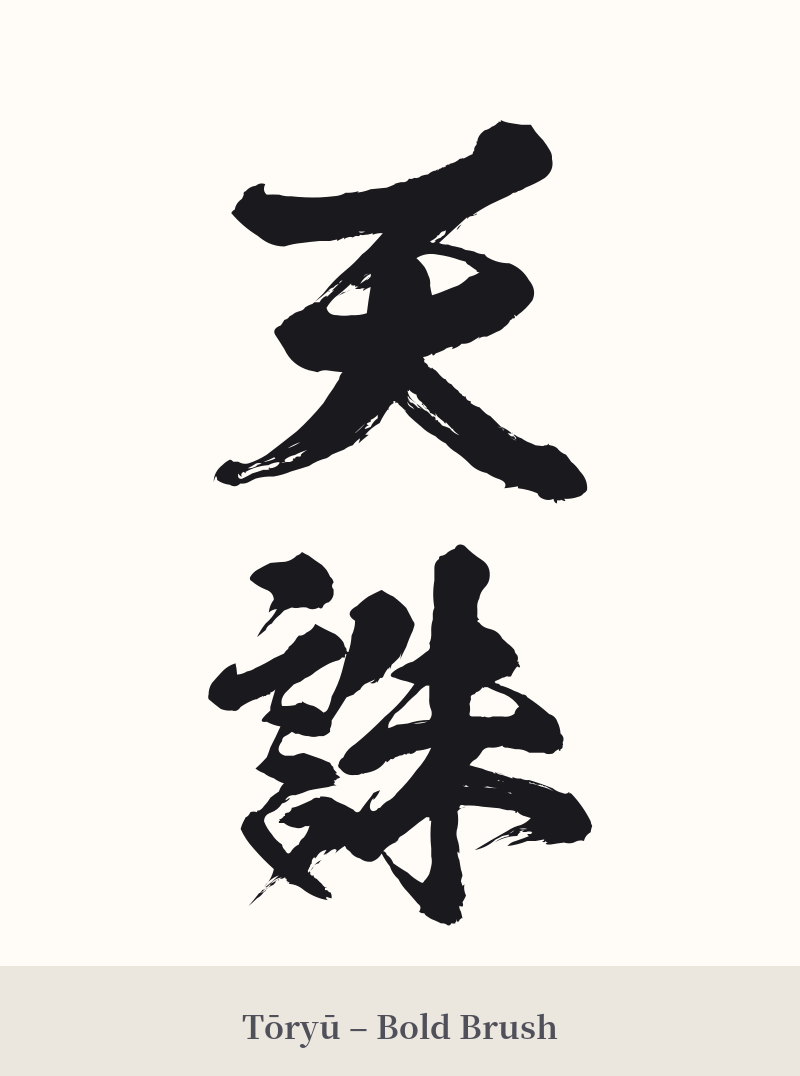
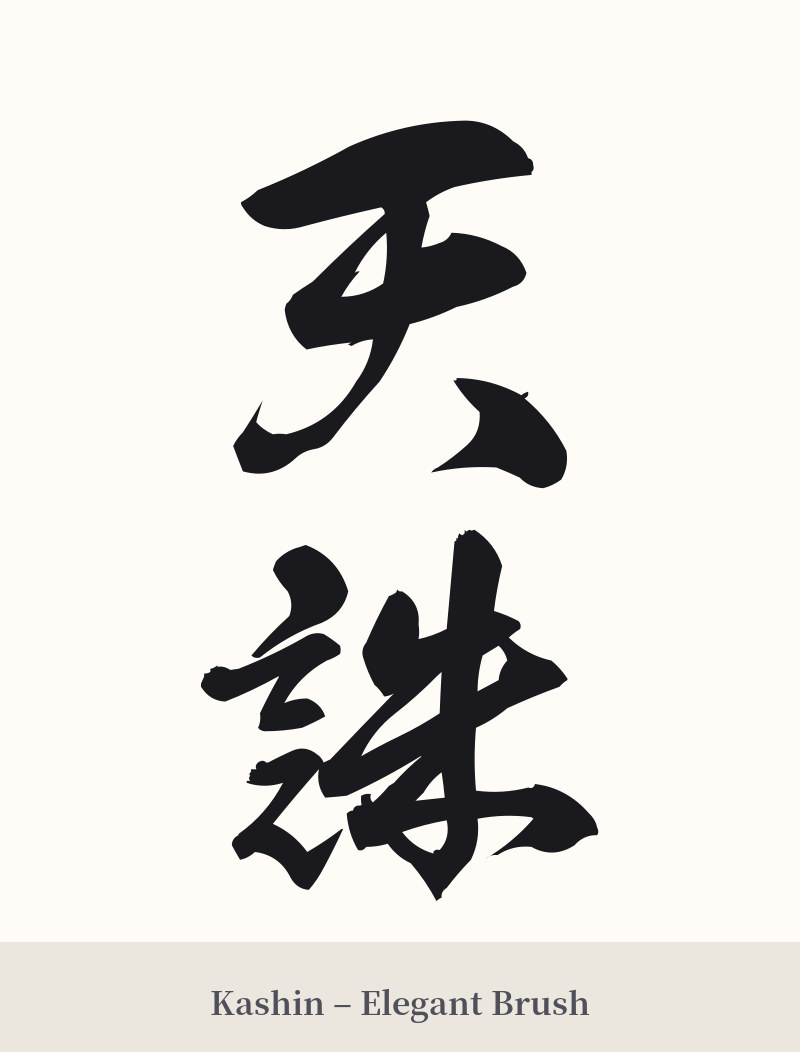
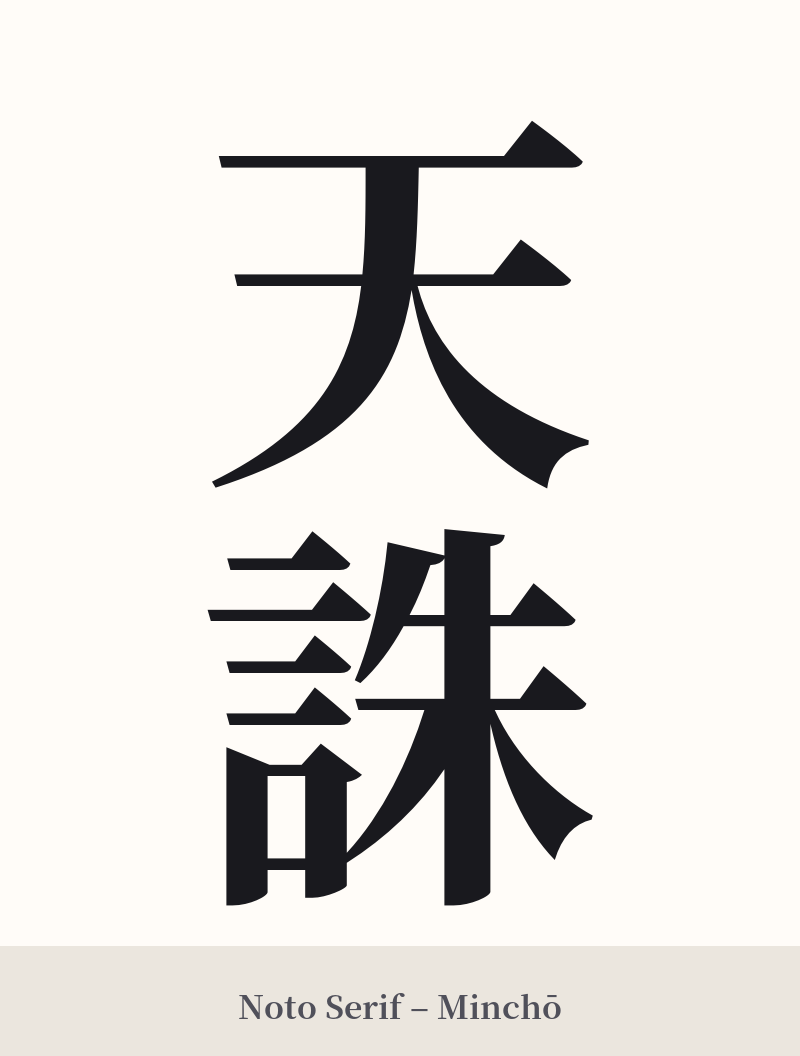
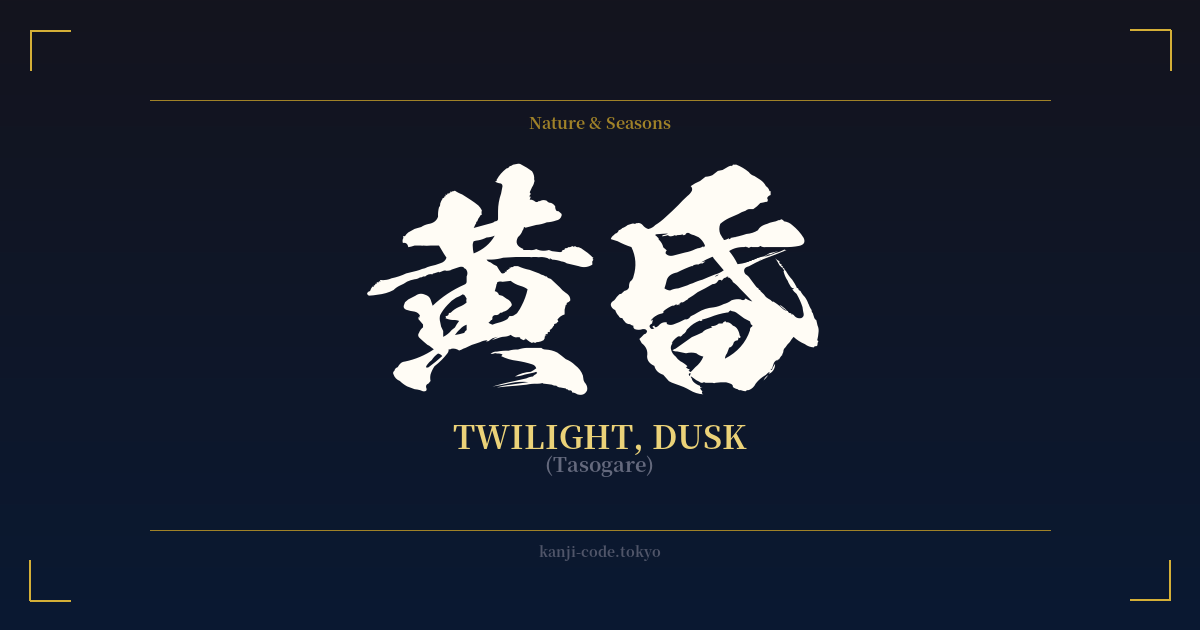
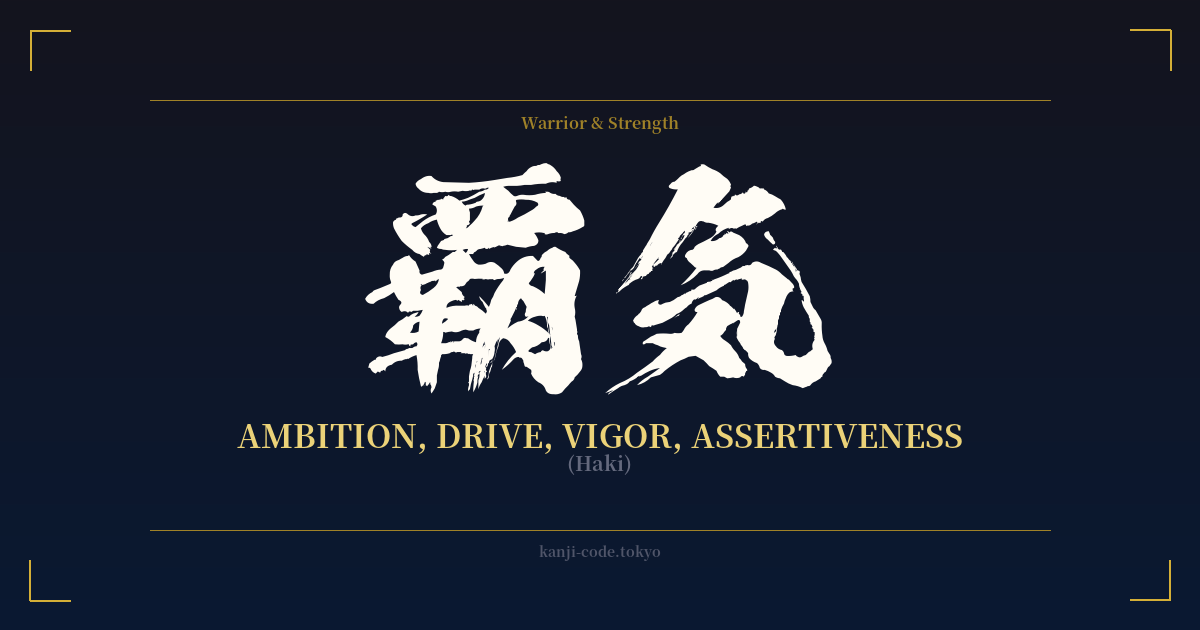
The same kanji can look dramatically different depending on the calligraphy style. Choose a font that matches the mood you want for your tattoo or design.
🎨 Tattoo Suitability
📐 Tattoo Design Guide
Due to its powerful and aggressive meaning, a tattoo of 天誅 demands a thoughtful approach to design and placement.
– Placement: This word is best suited for larger, more prominent areas where its details can be appreciated. The forearm, calf, or across the back are excellent choices. This allows the complex strokes of '誅' to be rendered clearly without becoming a smudge over time.
– Font Style: The font should match the intensity of the word. A bold, aggressive calligraphy script (gyōsho or sōsho) can capture its dynamic and violent energy. Alternatively, a thick, angular block script (kaisho) can give it an imposing, final, and declarative feel, like a sentence being passed down.
– Visual Elements: Pairing 天誅 with other imagery should be done with caution, as it can amplify its aggressive meaning. If you choose to add more, consider elements that represent the 'heaven' aspect, such as storm clouds or lightning, to emphasize the divine source of the punishment. Avoid pairing it with imagery that could be misconstrued as promoting violence for its own sake.
Comments