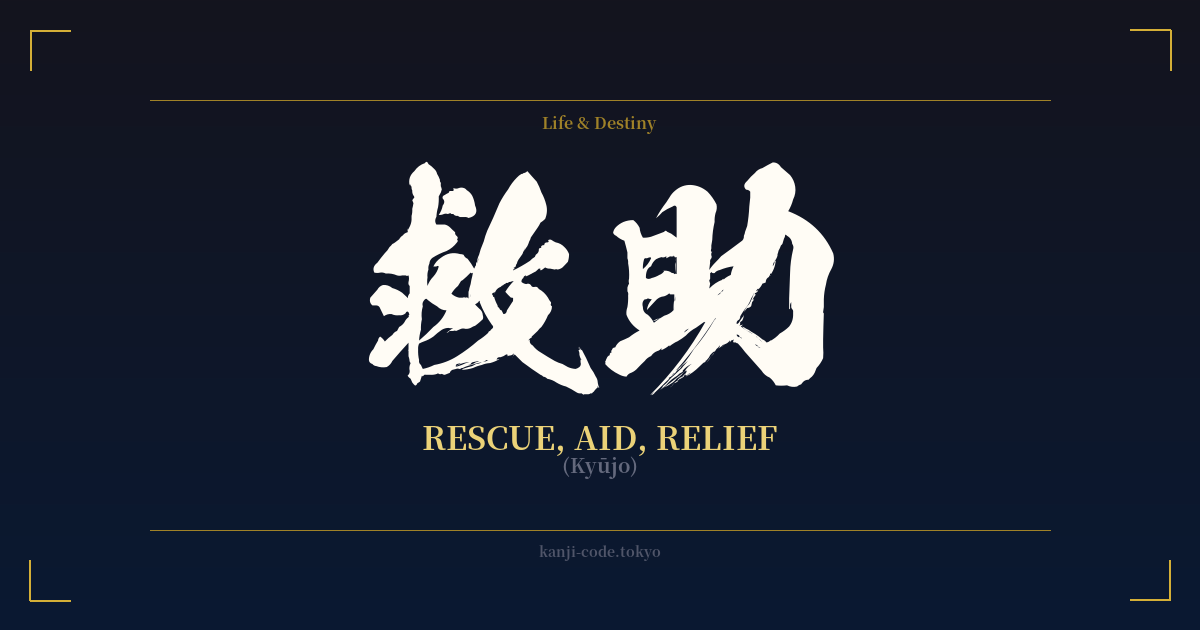
✍️ 救助 (Kyūjo) — Cultural Context
The Japanese word 救助 (Kyūjo) translates directly to 'rescue,' 'aid,' or 'relief.' Unlike simpler terms for 'help,' Kyūjo carries a strong sense of urgency and gravity. It describes the act of saving someone from imminent danger, a life-threatening situation, or a state of distress. This is the word you would see emblazoned on the uniforms of emergency responders and used in news reports covering disaster relief efforts.
In Japan, a country frequently facing natural disasters like earthquakes, tsunamis, and typhoons, the concept of Kyūjo is deeply embedded in the national psyche. The word evokes images of highly trained professionals—firefighters, the coast guard, and members of the Japan Self-Defense Forces (JSDF)—working tirelessly to save lives. The special rescue teams within fire departments, known as 救助隊 (Kyūjotai), are particularly revered and often depicted as heroes in Japanese film and television.
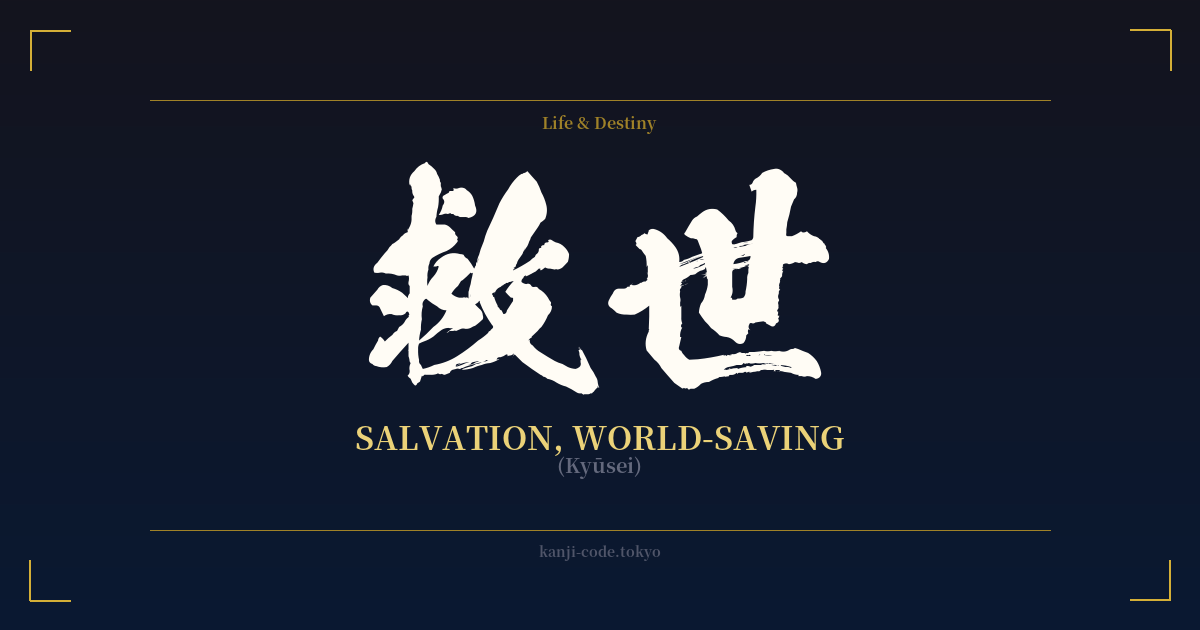
The word is a combination of two kanji, each reinforcing the overall meaning. The first character, 救 (kyū), means 'to save' or 'salvation.' It implies a critical intervention to pull someone out of peril. The second character, 助 (jo), means 'to help' or 'assist,' suggesting the application of strength and support. Together, they form a compound word that emphasizes a direct, active, and powerful form of assistance aimed at preserving life.
While Kyūjo is primarily used in a physical context, its root character 救 also appears in words related to spiritual salvation, such as 救い (sukui). This lends a subtle layer of depth to the term, connecting the physical act of rescue to the profound human need for deliverance from suffering, whether it be physical or emotional. It speaks to a fundamental and noble impulse: the willingness to risk oneself for the well-being of another.
Therefore, 救助 (Kyūjo) is more than just a word; it is a concept that embodies courage, self-sacrifice, and the organized effort to combat chaos and protect the vulnerable. It represents a promise of hope in the face of despair and stands as a testament to human resilience and compassion.
🖌️ Font Styles for 救助
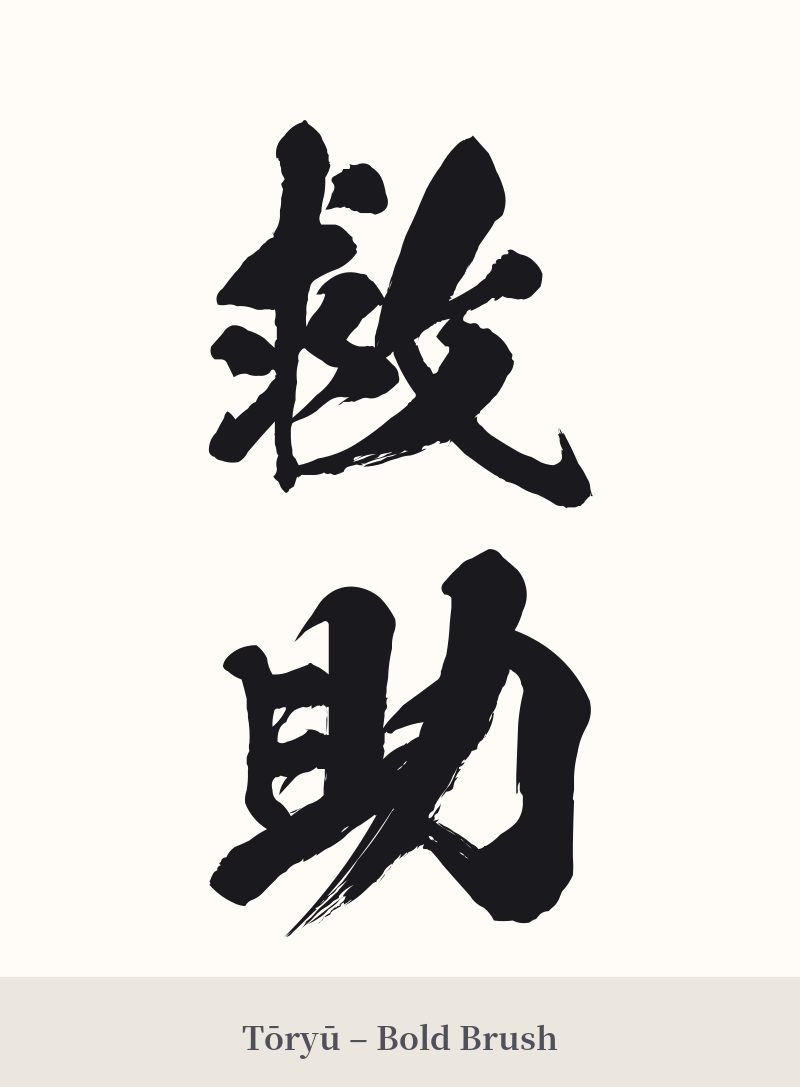
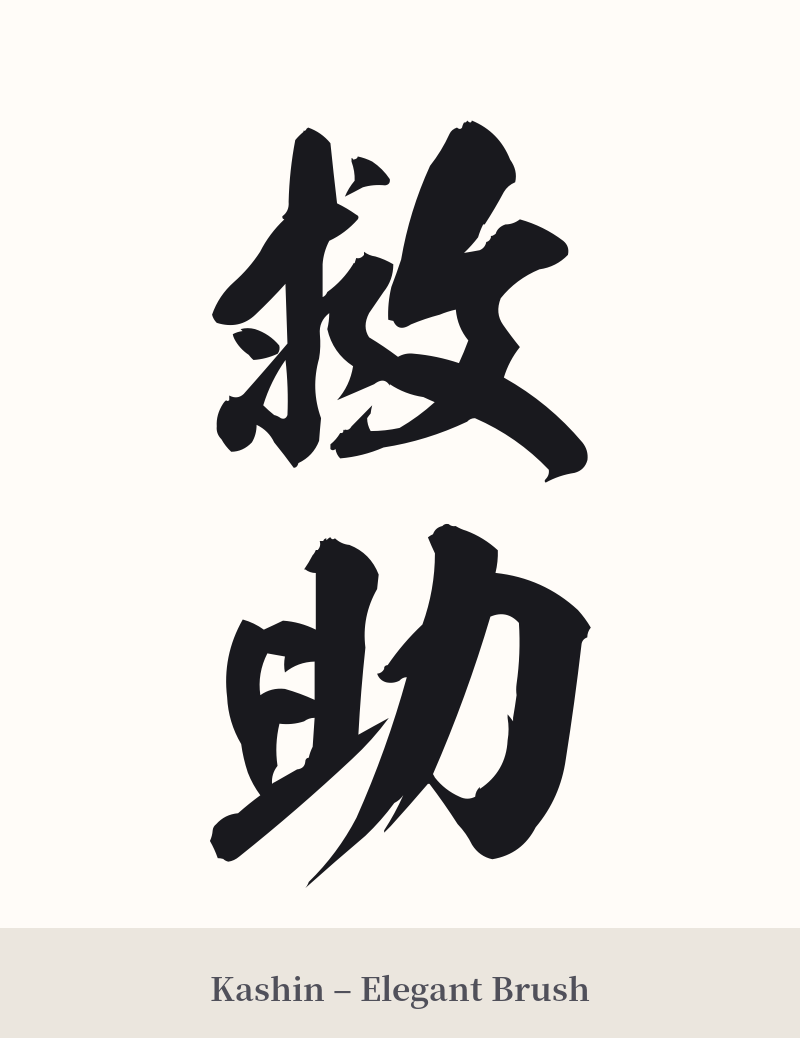
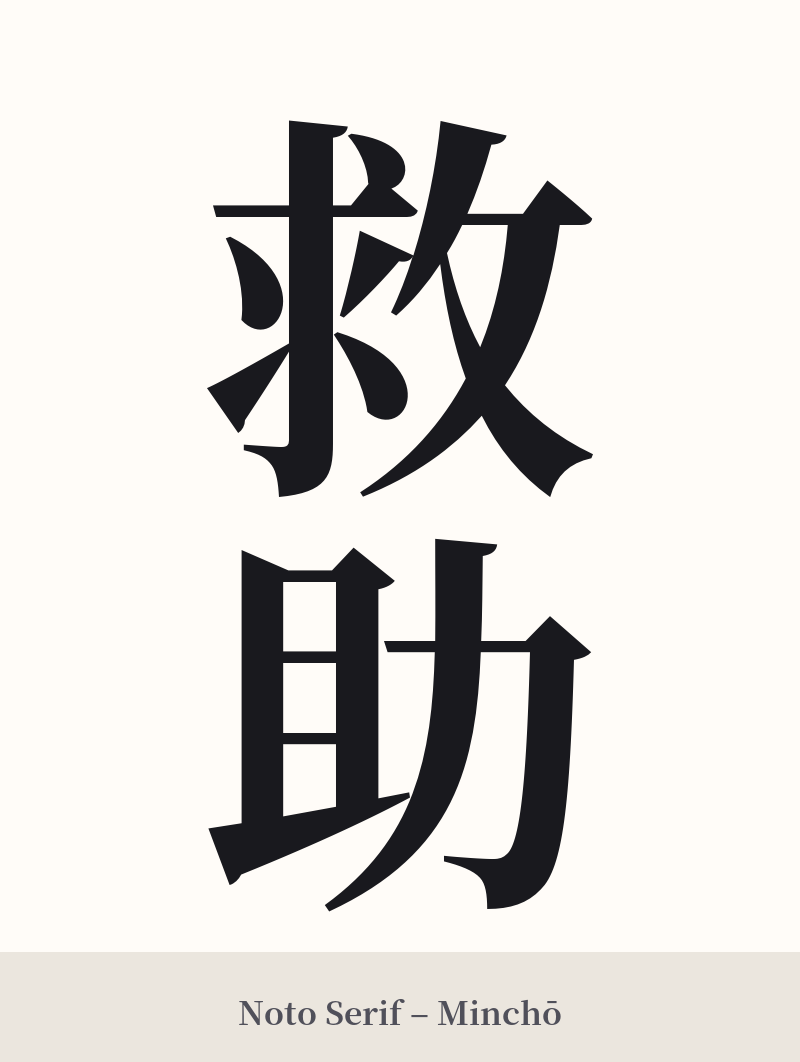
The same kanji can look dramatically different depending on the calligraphy style. Choose a font that matches the mood you want for your tattoo or design.
🎨 Tattoo Suitability
📐 Tattoo Design Guide
For a 救助 (Kyūjo) tattoo, the design should reflect its powerful and active meaning.
– Placement: Vertical alignment is highly effective, making it suitable for the forearm, the calf, or along the spine. Horizontally, it works well across the chest or upper back, conveying a sense of stability and strength.
– Font Style: A strong, clear script is recommended. A bold Kaisho (block) style emphasizes the formal, authoritative nature of the word. Alternatively, a dynamic Gyōsho (semi-cursive) script can capture the sense of urgency and action inherent in a rescue.
– Visual Tips: The balance between the more complex 救 (11 strokes) and the simpler 助 (7 strokes) is key. Work with your artist to ensure both characters are given equal visual weight. Consider incorporating symbolic elements like a red circle (representing Japan or life force), waves, or flames to contextualize the act of rescue, or a lotus flower to symbolize rising above adversity.
Comments