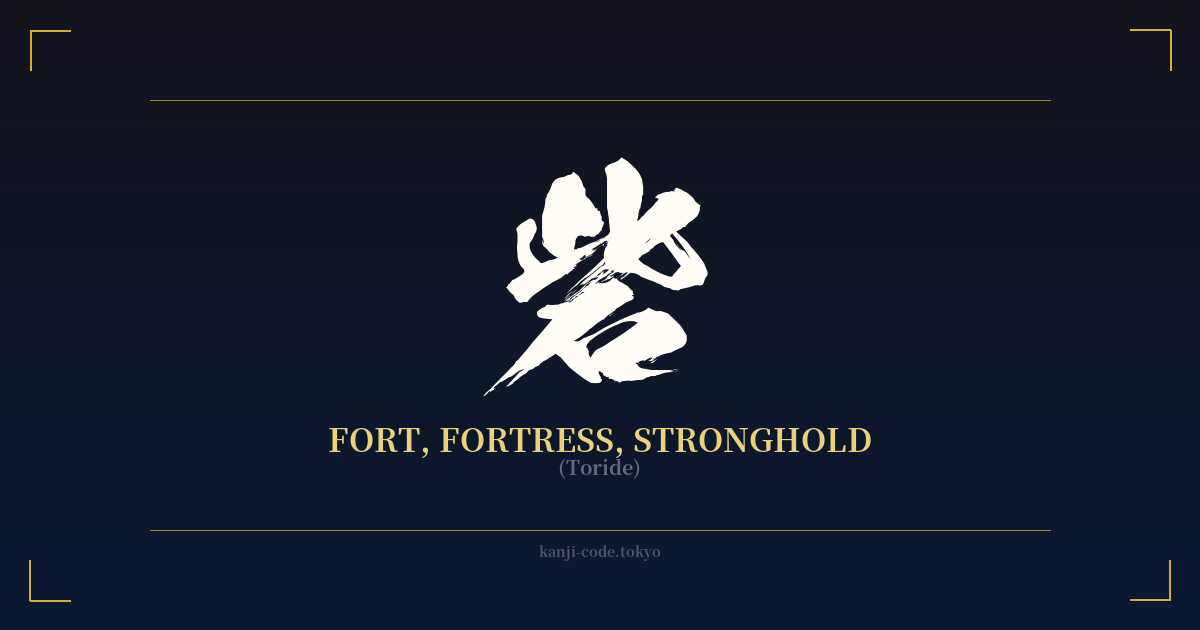
✍️ 砦 (Toride) — Cultural Context
The kanji 砦, read as 'toride,' translates to a fort, fortress, or stronghold. It evokes images of defense, resilience, and a secure bastion against outside forces. Unlike the grand and majestic castle, 城 (shiro), which represents power and governance, a 砦 is typically smaller, more functional, and often temporary. It's the outpost on the frontier, the watchtower on the hill, the last line of defense.
Historically, the 'toride' was a crucial element in Japanese military strategy, especially during the tumultuous Sengoku period (Warring States period, 1467-1615). Warlords would dot the landscape with these small forts to control strategic mountain passes, rivers, and roads. They served as forward bases for campaigns and as defensive networks to protect larger domains. A 'toride' was often built with earth, wood, and stone, a testament to practical engineering designed for survival.
This historical context gives the character a gritty, grounded feel. It’s not about royalty or imperial power; it’s about the soldiers on the ground, holding a position against all odds. This makes it a powerful symbol for personal struggle and perseverance. It represents the act of fortifying oneself against life's challenges, creating a personal 'stronghold' of principles, values, or inner peace.
In Japanese literature and pop culture, 砦 frequently appears in historical dramas, samurai films, and video games. It's the setting for desperate sieges, heroic last stands, and strategic maneuvers. Capturing an enemy's 'toride' is often a key objective, symbolizing a breach in their defenses. This constant presence in storytelling reinforces its meaning as a place of conflict, endurance, and strategic importance.
Metaphorically, 砦 can represent a safe space, whether physical or emotional. It’s the idea of building a sanctuary for oneself or one's family, a place shielded from the chaos of the world. For someone who has overcome hardship, 砦 can symbolize the strength they built within themselves to endure. It is a quiet, sturdy symbol of fortitude, less flashy than other martial kanji but deeply resonant with the spirit of unwavering defense.
🖌️ Font Styles for 砦
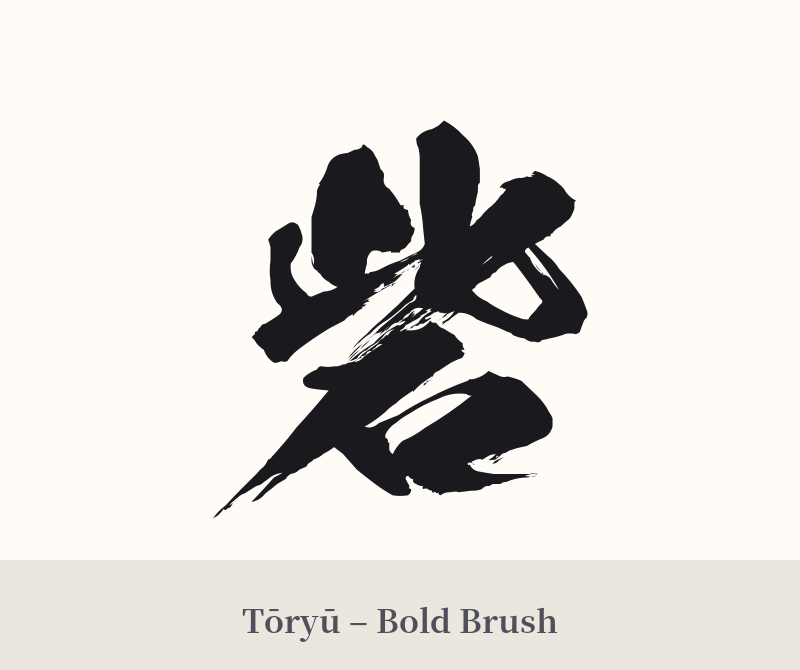
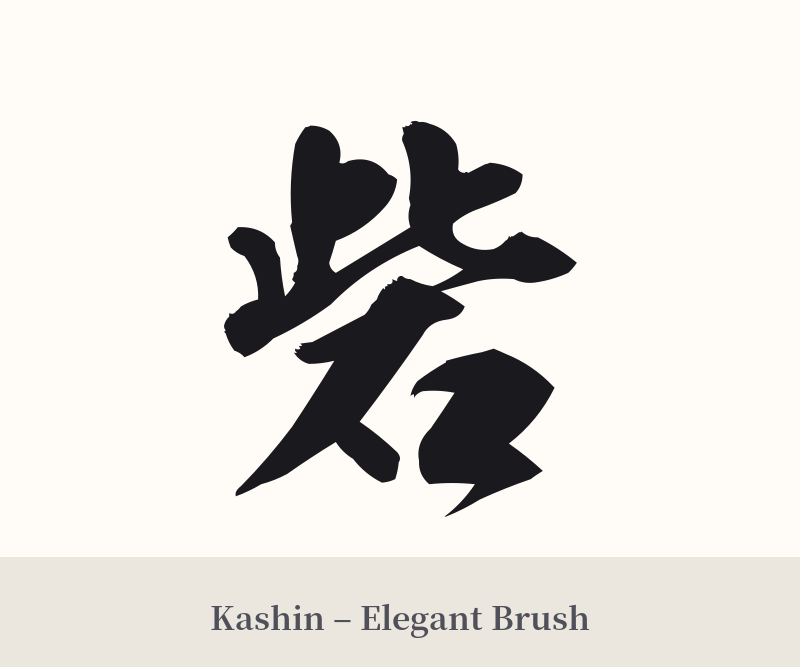
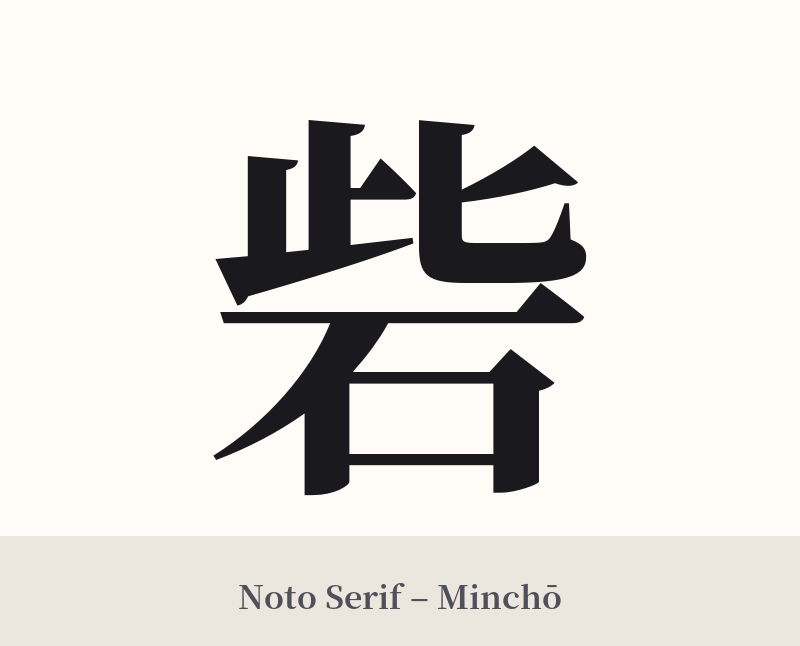
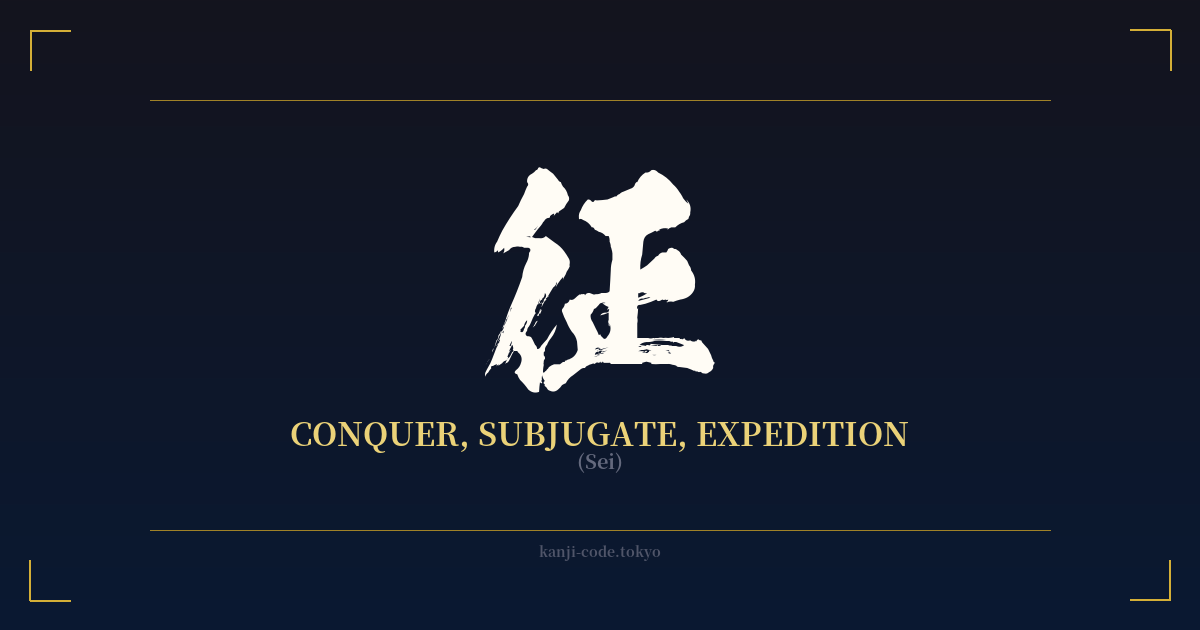
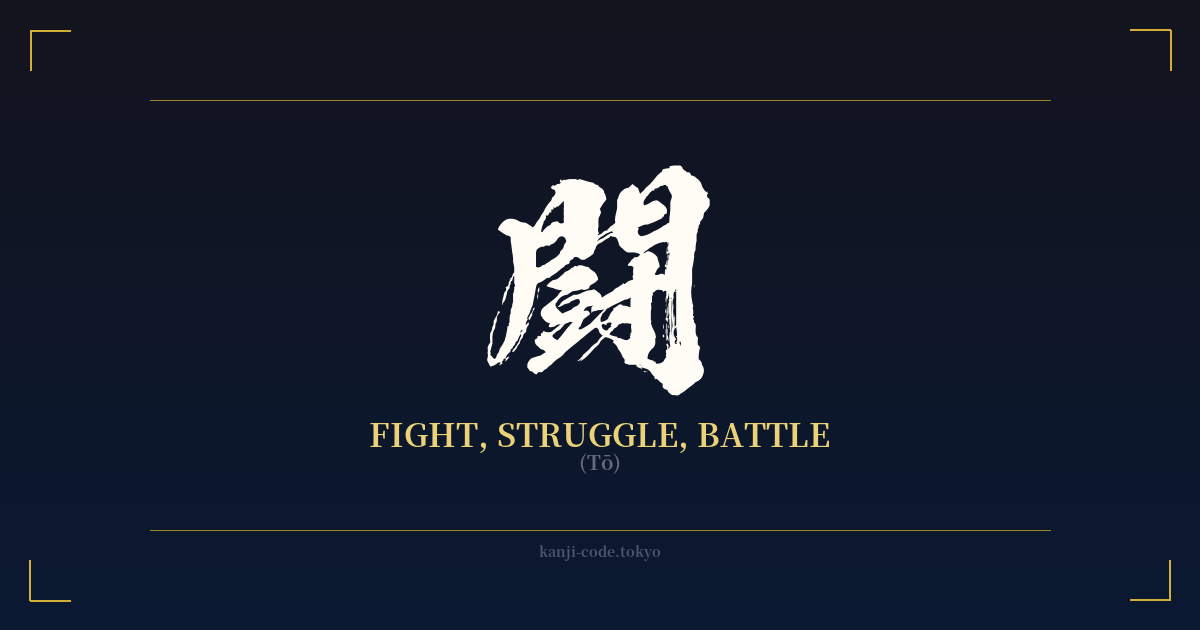
The same kanji can look dramatically different depending on the calligraphy style. Choose a font that matches the mood you want for your tattoo or design.
🎨 Tattoo Suitability
📐 Tattoo Design Guide
The kanji 砦 has a solid, structural feel, making it well-suited for a tattoo that conveys strength and stability.
– Placement: Consider areas of the body that suggest support and strength, such as the forearm, the calf, the shoulder blade, or the chest. These placements allow the character to stand as a symbol of your personal foundation.
– Font Style: A strong, angular script like Kaisho (block script) works very well, emphasizing the 'stone' and 'structure' components of the character. A slightly weathered or distressed font style can also be effective, evoking the image of an ancient, battle-hardened fort.
– Visual Tips: While it stands strong on its own, 砦 can be integrated into a larger piece. It could be the centerpiece of a design featuring a mountain landscape, or be surrounded by minimalist lines that suggest a defensive perimeter. Avoid pairing it with overly ornate or delicate imagery, as this would clash with its rugged and functional meaning.
Comments