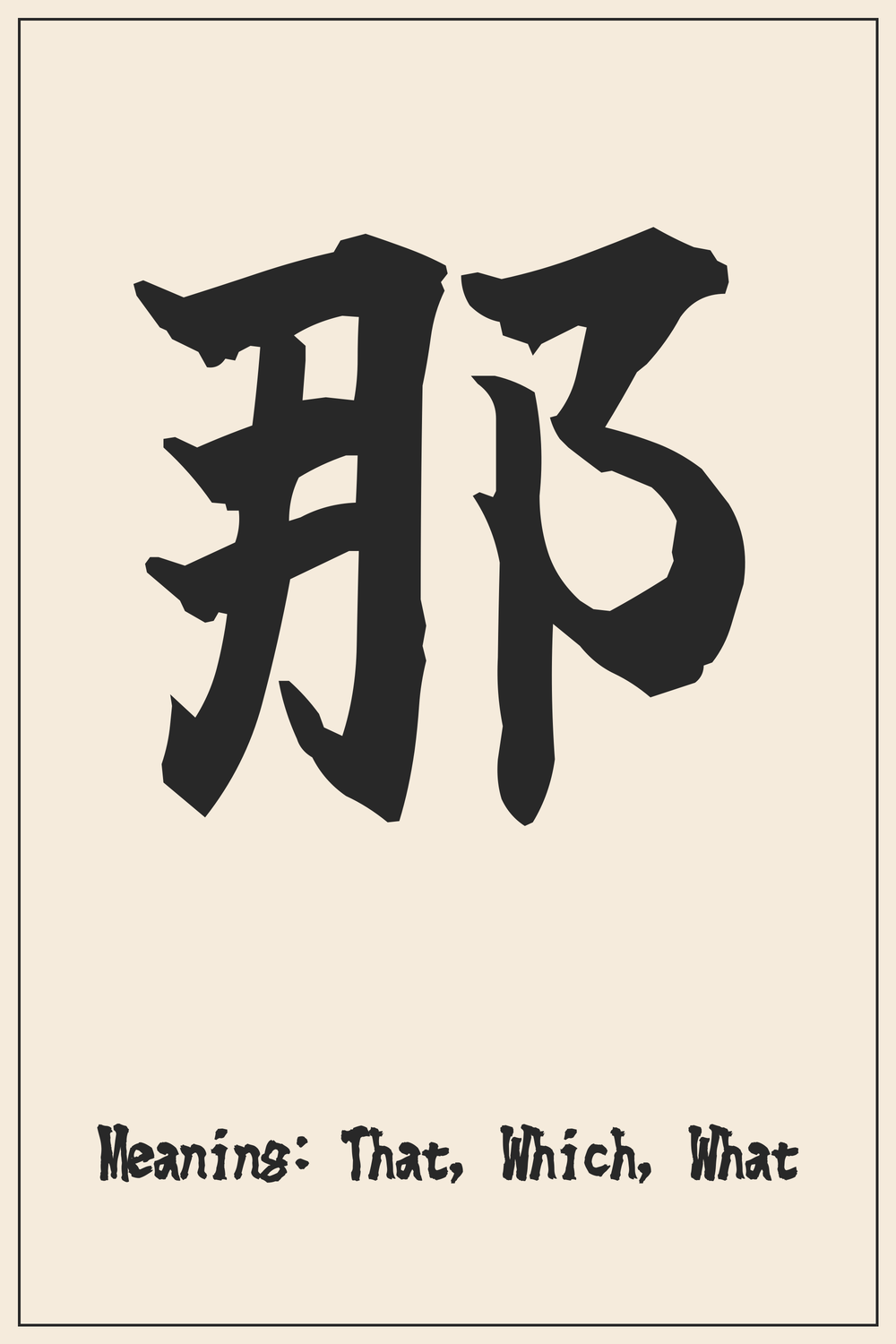
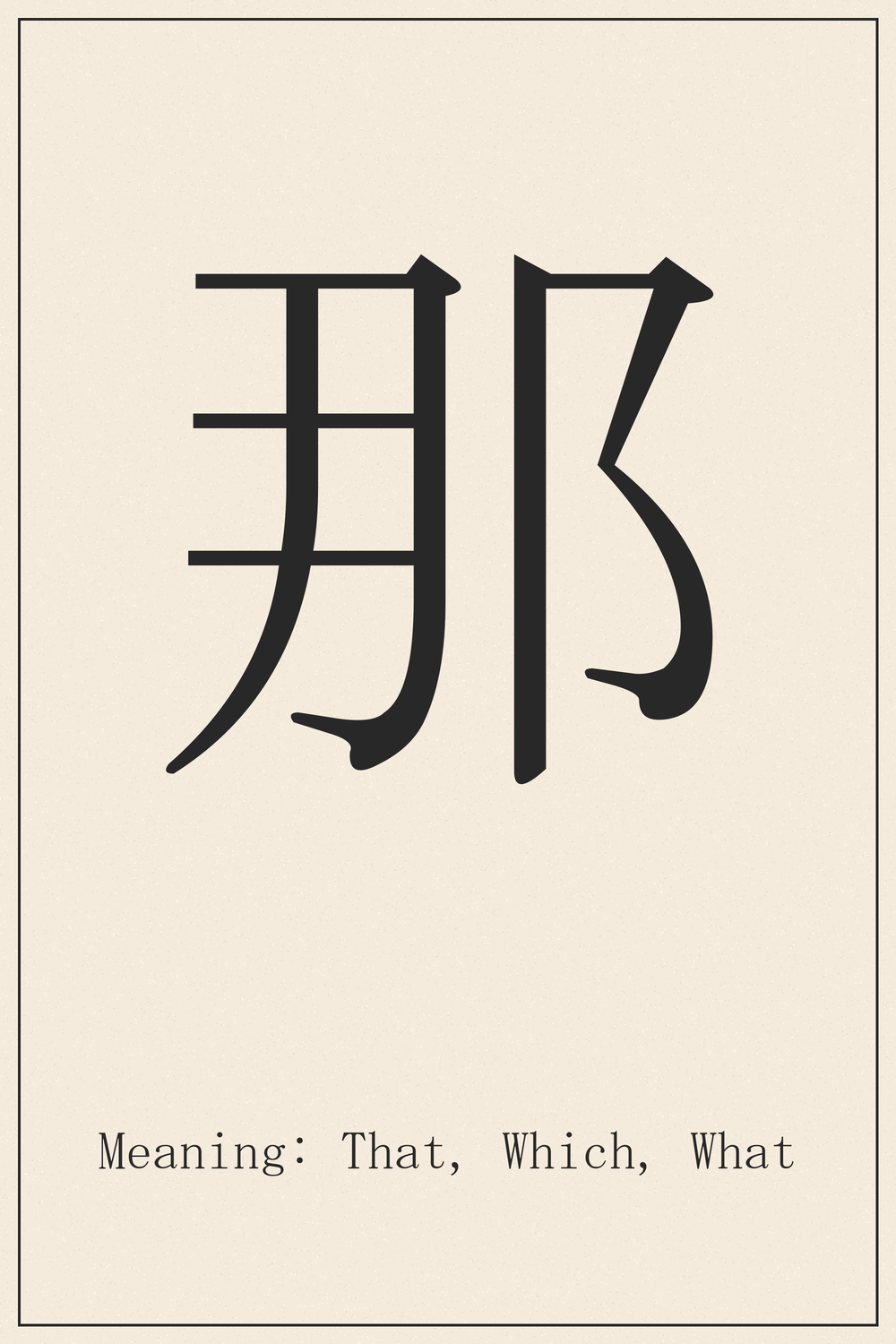
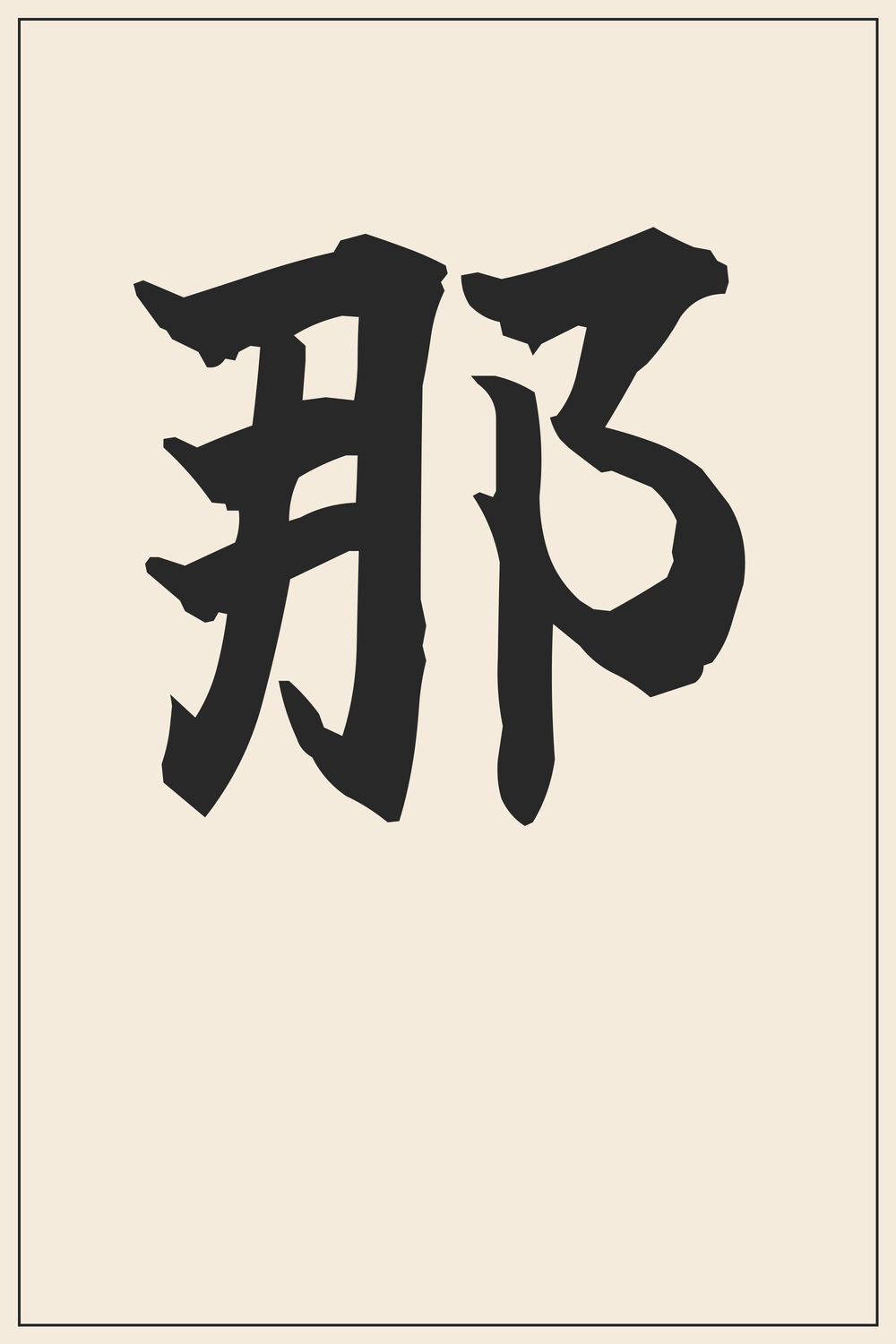
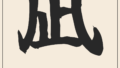
The Kanji 那 (Na) is a versatile character primarily used as a demonstrative pronoun, signifying ‘that,’ ‘which,’ or ‘what.’ Beyond its direct meaning, it holds significant cultural weight through its incorporation into renowned Japanese place names.
The atmosphere of a Kanji character changes dramatically depending on the font style. A character that looks elegant in a brush style might look bold and modern in a different font.
Recommendation:
Since a tattoo is permanent, we strongly recommend comparing various font styles beyond what is shown here. Use our designs as a trusted reference for the correct structure, but feel free to explore different artistic variations to find the perfect match for your vision.
The Deep Meaning Behind 那
The character 那 traces its origins to ancient China, where it was primarily used as a phonetic component and a demonstrative pronoun. It often referred to ‘that’ or ‘those’ distant places or objects, conveying a sense of removal or identification.
In Japan, 那 gained prominence through its integration into place names and personal names. Most notably, it is a crucial component of 沖縄 (Okinawa), the iconic southern prefecture known for its unique culture and history. While its direct meaning is less prominent in everyday modern Japanese, its presence in such significant geographical names elevates its cultural relevance.
Kanji Breakdown
The Kanji 那 is a fascinating character composed of two main elements that hint at its original phonetic and semantic associations.
Meaning: Hill, Village, City. This radical, placed on the left, often indicates a connection to geographical features, settlements, or administrative divisions, reflecting a place or location.
Meaning: Descend, Fall (Phonetic). This component primarily acts as a phonetic indicator for 那, giving it its ‘na’ or ‘da’ sound. While it holds its own meaning of ‘to descend,’ its role in 那 is predominantly sound-related, creating a phono-semantic compound character.
Conclusion
The Kanji 那, though simple in its direct translation as ‘that’ or ‘which,’ carries a profound depth through its historical linguistic usage and its integral role in Japanese geography. It symbolizes identification and location, quietly underpinning significant cultural landmarks.
For a tattoo, 那 offers an elegant choice that subtly connects to Japanese identity, particularly for those with an affinity for Okinawa or a desire for a kanji representing foundational linguistic elements. Its clean lines and balanced form make it a beautiful and meaningful addition.
Comments