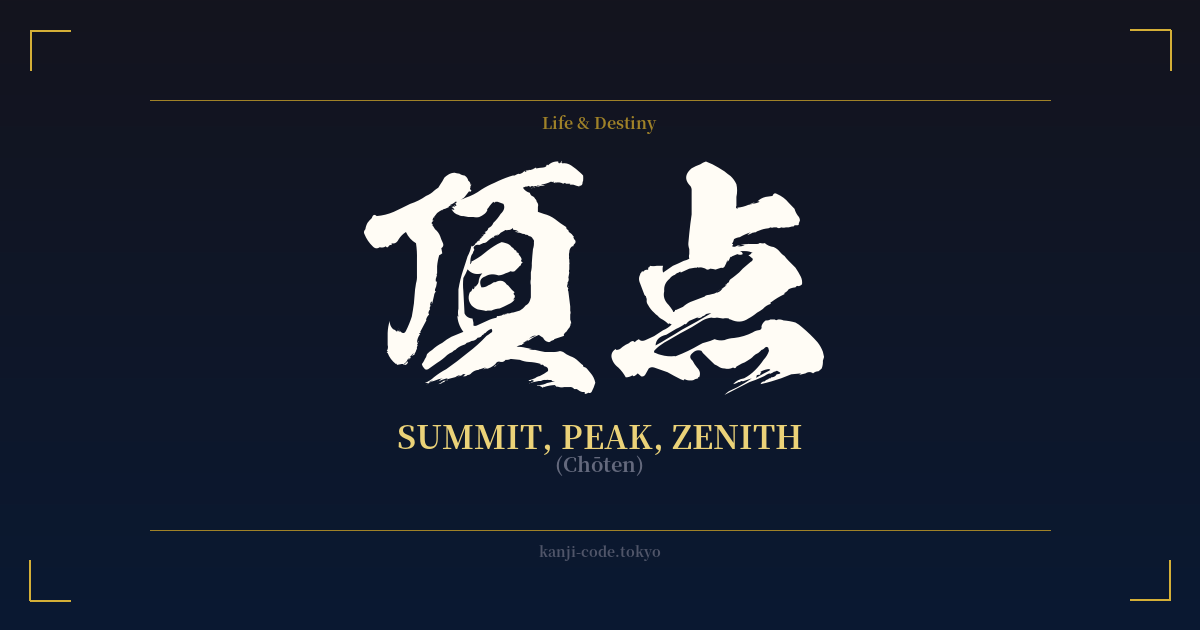
✍️ 頂点 (Chōten) — Cultural Context
頂点 (Chōten) literally translates to 'summit point,' capturing the concepts of peak, apex, and zenith. It’s a word that resonates deeply in a culture shaped by mountains, both physically and metaphorically.
In Japan, an archipelago dominated by mountainous terrain, the act of climbing to a summit (山頂, sanchō) has long been imbued with spiritual significance. Practices like Shugendō (修験道), a form of mountain asceticism, view the journey to the peak not just as a physical challenge but as a path to enlightenment. Reaching the summit is a moment of clarity, purification, and connection with the divine. 頂点 carries this echo of a hard-won, almost sacred, arrival.
Beyond the literal mountain peak, 頂点 is the go-to word in modern Japanese for the pinnacle of any field. An athlete at the top of their game is said to have reached the 頂点 of their sport. A company that dominates its industry is at the 頂点 of the market. An artist at their creative height is at their own 頂点. It represents the culmination of effort, dedication, and the struggle to overcome obstacles.
This word is a powerful expression of ambition. It’s not just about 'success' (成功, seikō), which can be a broad state. 頂点 is more specific and more absolute; it signifies the single highest point, the ultimate achievement from which there is no higher place to go. It implies a journey, often a difficult one, that has been completed. When someone speaks of aiming for the 頂点, they are declaring their intention to be the absolute best.
This makes it a compelling term for anyone who identifies with the drive to push their limits. It encapsulates the feeling of standing on top of the world, whether that world is a literal mountain, a career ladder, a creative endeavor, or a personal battle. It is a symbol of perseverance rewarded and potential fully realized.
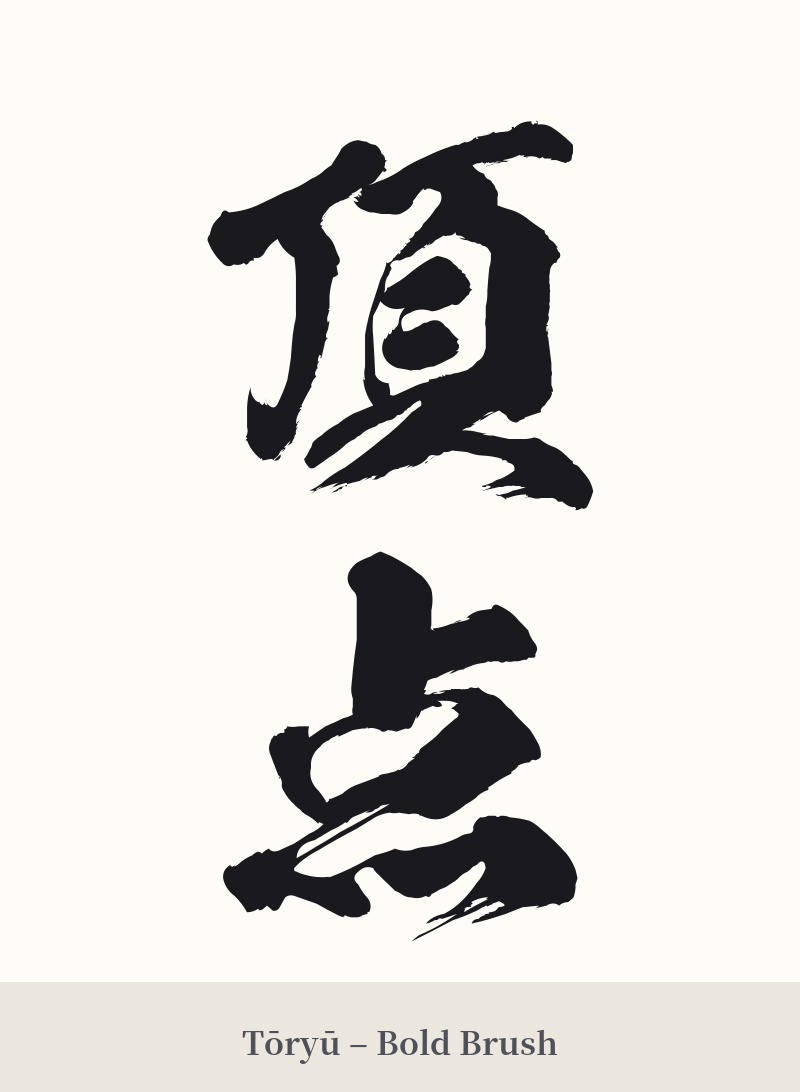
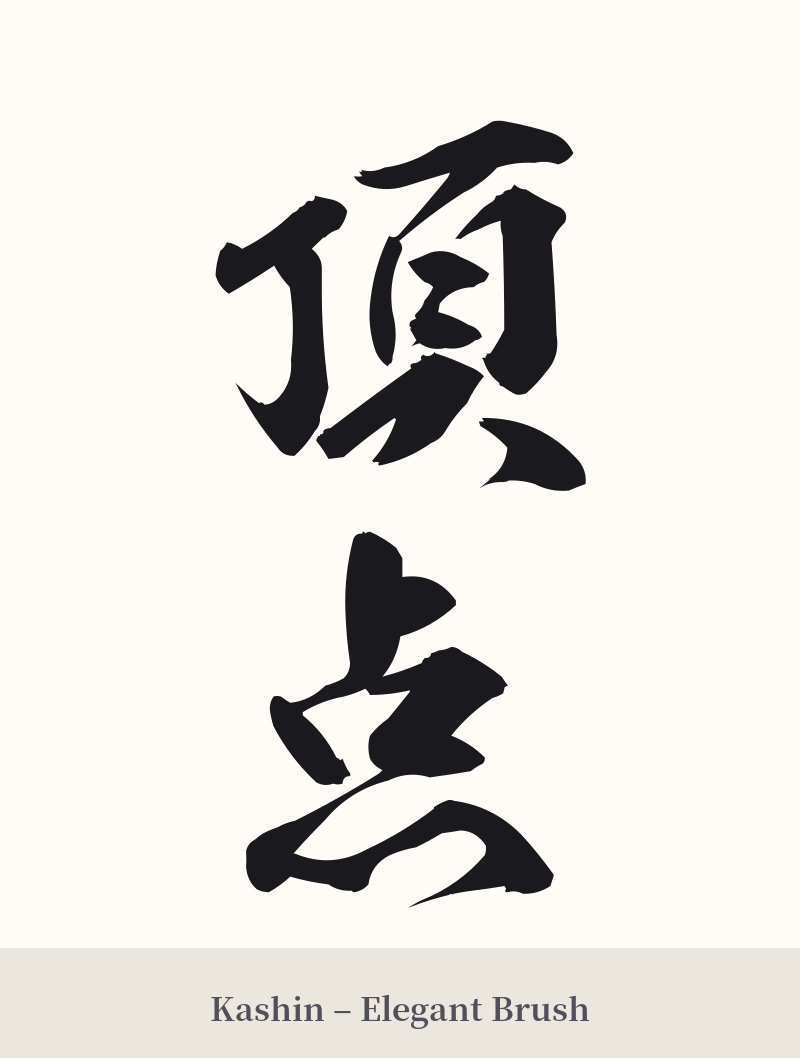
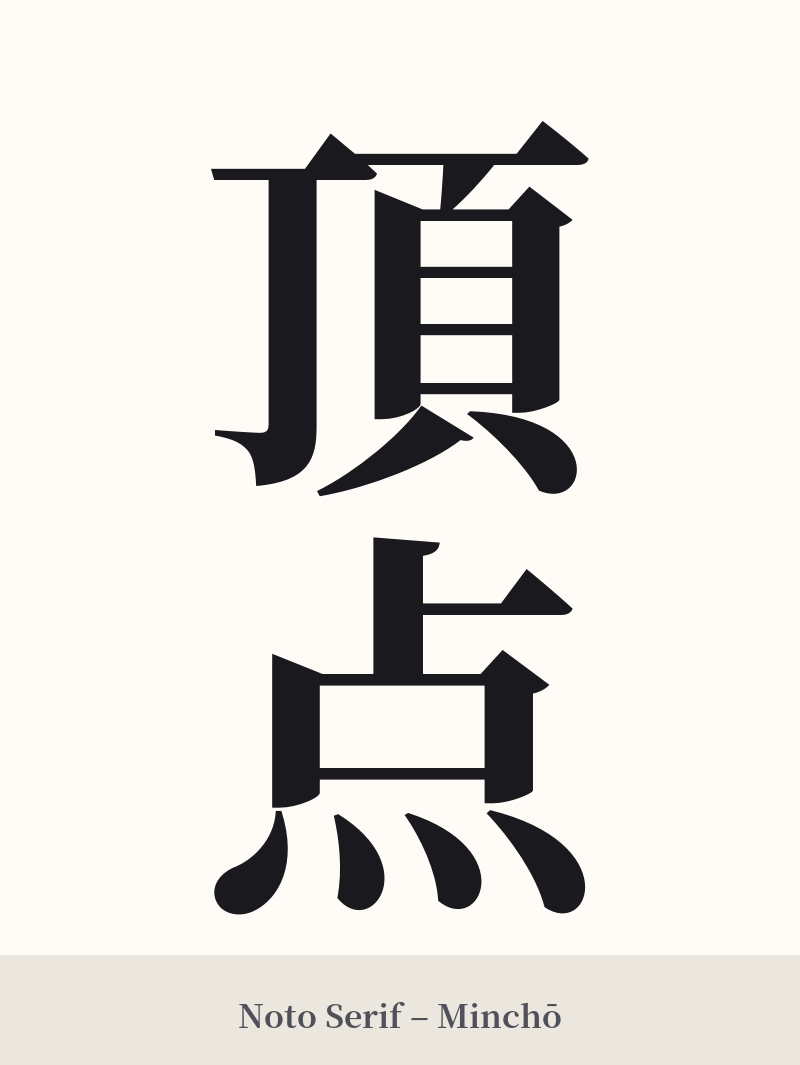
🖌️ Font Styles for 頂点
The same kanji can look dramatically different depending on the calligraphy style. Choose a font that matches the mood you want for your tattoo or design.
🎨 Tattoo Suitability
📐 Tattoo Design Guide
The two-character structure of 頂点 (Chōten) offers excellent design flexibility, symbolizing the ascent to a final point.
– Placement: A vertical alignment is highly recommended to emphasize the concept of 'height' and 'climbing.' This looks powerful along the spine, down the forearm, or on the calf. For a horizontal design, the chest or upper back provides a wide canvas that speaks to the breadth of the achievement.
– Font Style: Consider a strong, stable script like Kaisho (block style) or a classic Mincho font. These styles give the characters a solid foundation, reflecting the stability and significance of reaching the peak. For a more dynamic feel, a semi-cursive Gyōsho script can represent the arduous but flowing journey to the top.
– Visual Tips: You can integrate the kanji into a larger image. The characters could form the peak of a stylized mountain range. Placing it above a subtle wave design could symbolize overcoming emotional turmoil to reach a point of clarity. A simple 'ensō' (Zen circle) drawn behind the kanji can frame it, representing the enlightenment or wholeness found at the summit.
Comments