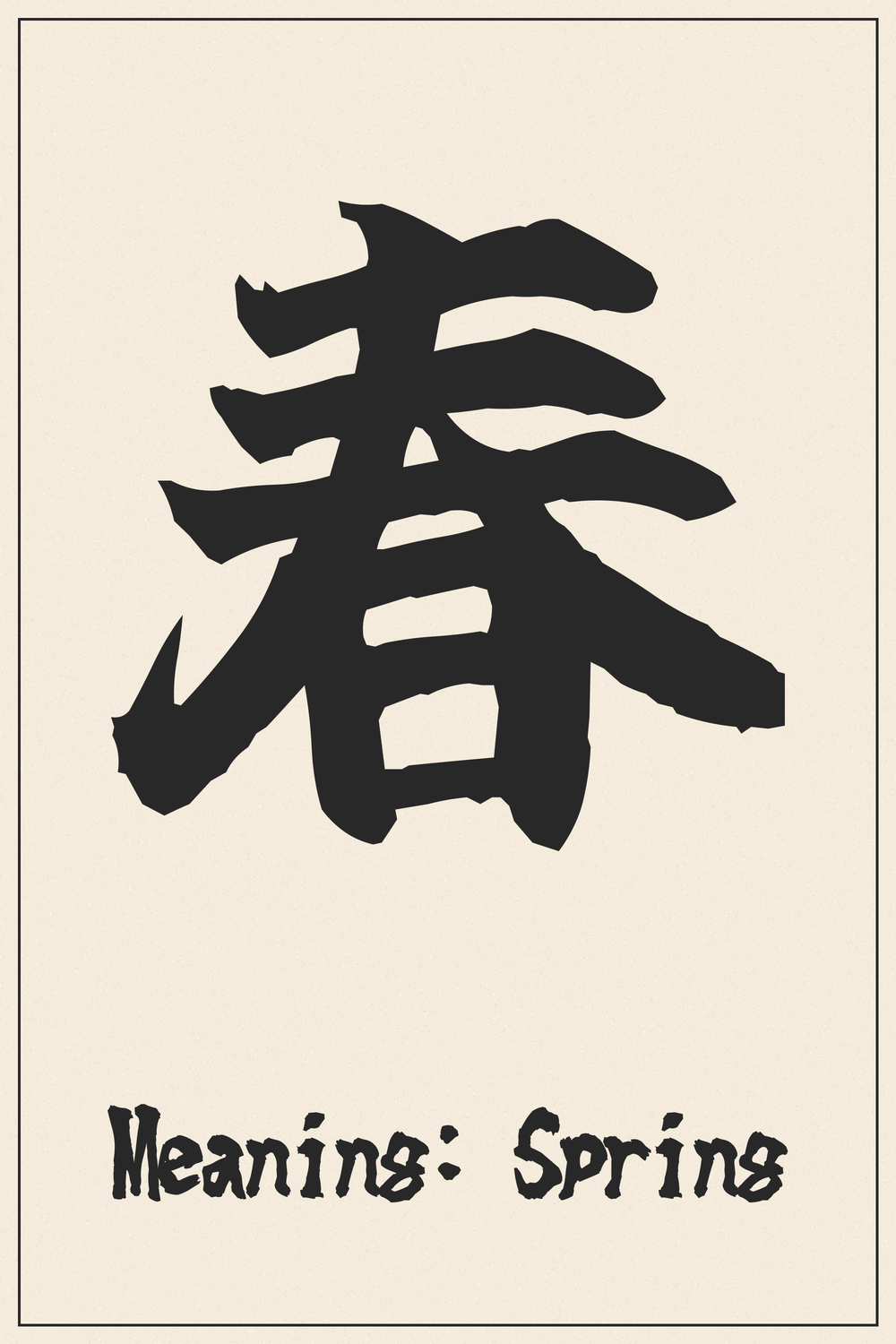
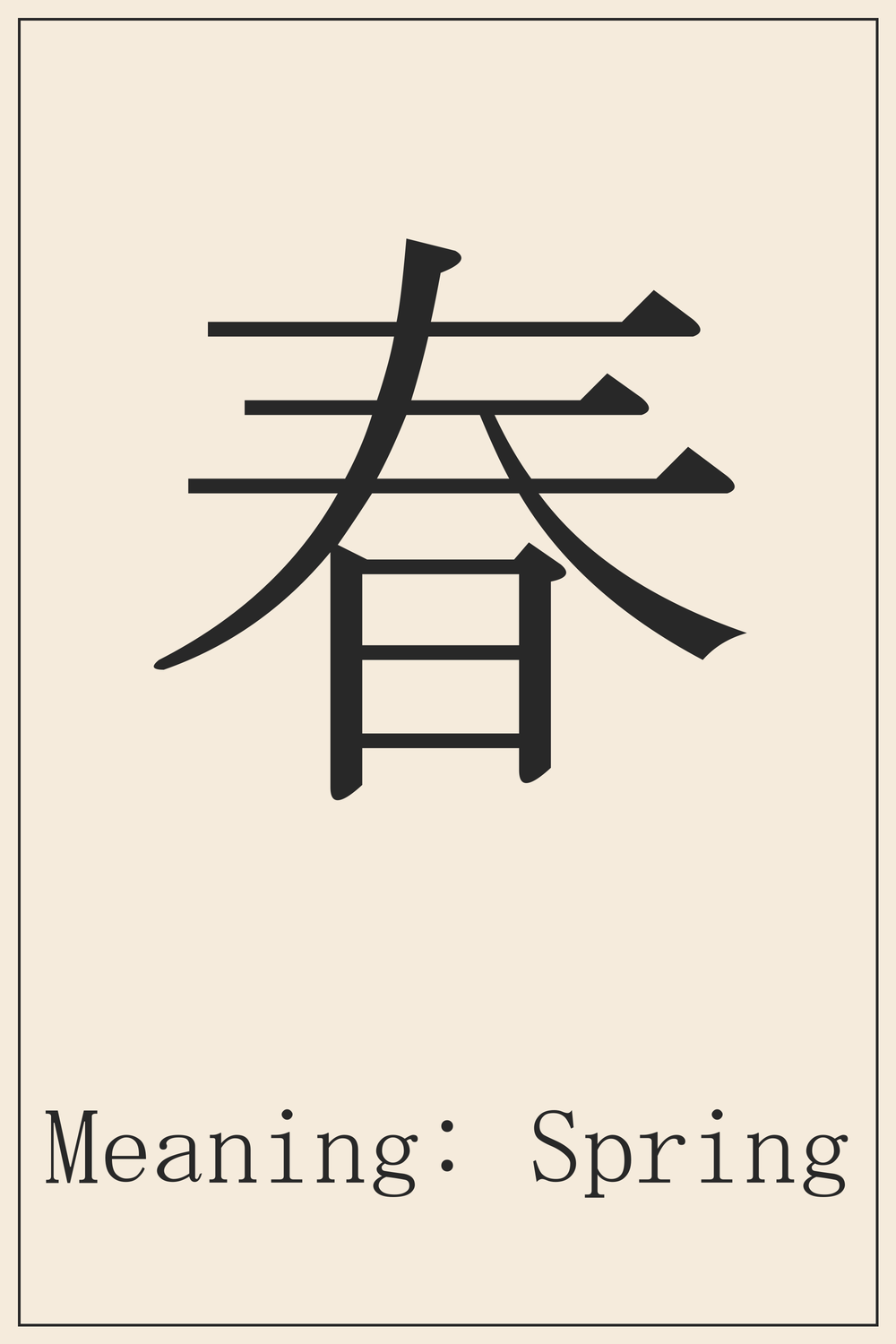
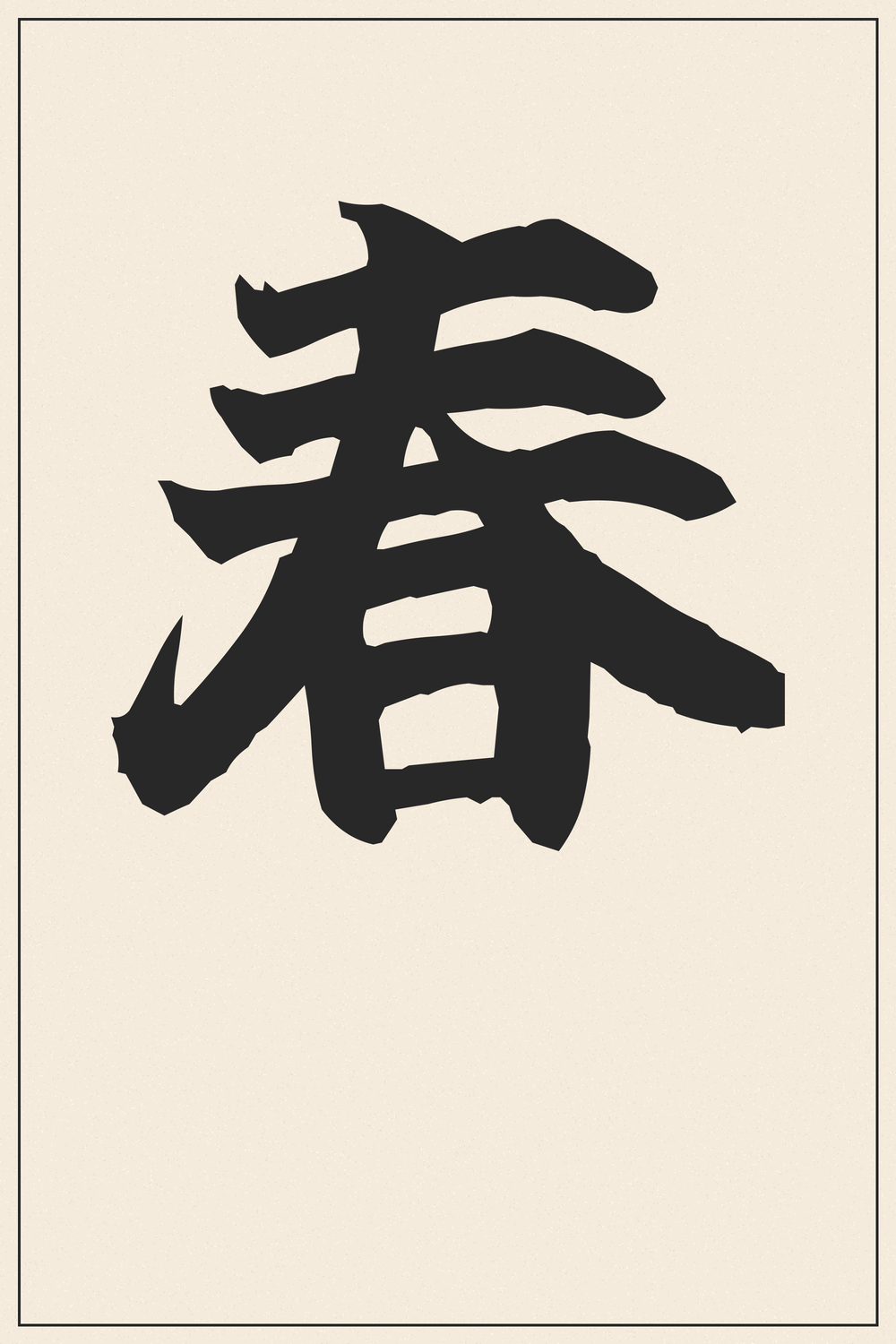
The Kanji 春 embodies the essence of spring, representing new beginnings and natural rebirth. It signifies a period of warmth, growth, and vibrant life returning to the world.
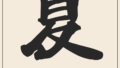
The atmosphere of a Kanji character changes dramatically depending on the font style. A character that looks elegant in a brush style might look bold and modern in a different font.
Recommendation:
Since a tattoo is permanent, we strongly recommend comparing various font styles beyond what is shown here. Use our designs as a trusted reference for the correct structure, but feel free to explore different artistic variations to find the perfect match for your vision.
The Deep Meaning Behind 春
The Kanji 春 (haru) for spring is an ideogram that visually represents the concept of the season. Its ancient form depicted plants sprouting under the sun, a clear testament to its association with growth and the warming light of spring.
In Japanese culture, spring is a highly celebrated season, symbolizing new beginnings, renewal, and the fleeting beauty of life, most famously with the cherry blossoms (sakura). It evokes feelings of hope, rejuvenation, and the gentle transition from the dormancy of winter.
Kanji Breakdown
The character 春 is comprised of several distinct components that collectively illustrate its meaning.
Grass/Plants (Kusakanmuri): This radical typically appears at the top of a character and signifies vegetation or plant life, perfectly illustrating the sprouts emerging in spring.
Sun/Day (Hi): Positioned centrally, this component represents the sun, essential for warmth and light that encourages growth after winter.
Gather/Heap (Ton): While often a phonetic component in other characters, in 春 it contributes to the sense of plants gathering or emerging from the earth.
Conclusion
The Kanji 春 is a profound symbol of the cyclical nature of life, representing not just a season but the universal themes of rebirth, growth, and hope. It carries deep cultural resonance, particularly in Japan where spring is synonymous with beauty and transience.
For those seeking a tattoo that embodies renewal, vitality, and an appreciation for nature’s delicate balance, 春 is an excellent choice. Its elegance and significant meaning will serve as a timeless reminder of new beginnings and the endless potential each spring brings.
Comments