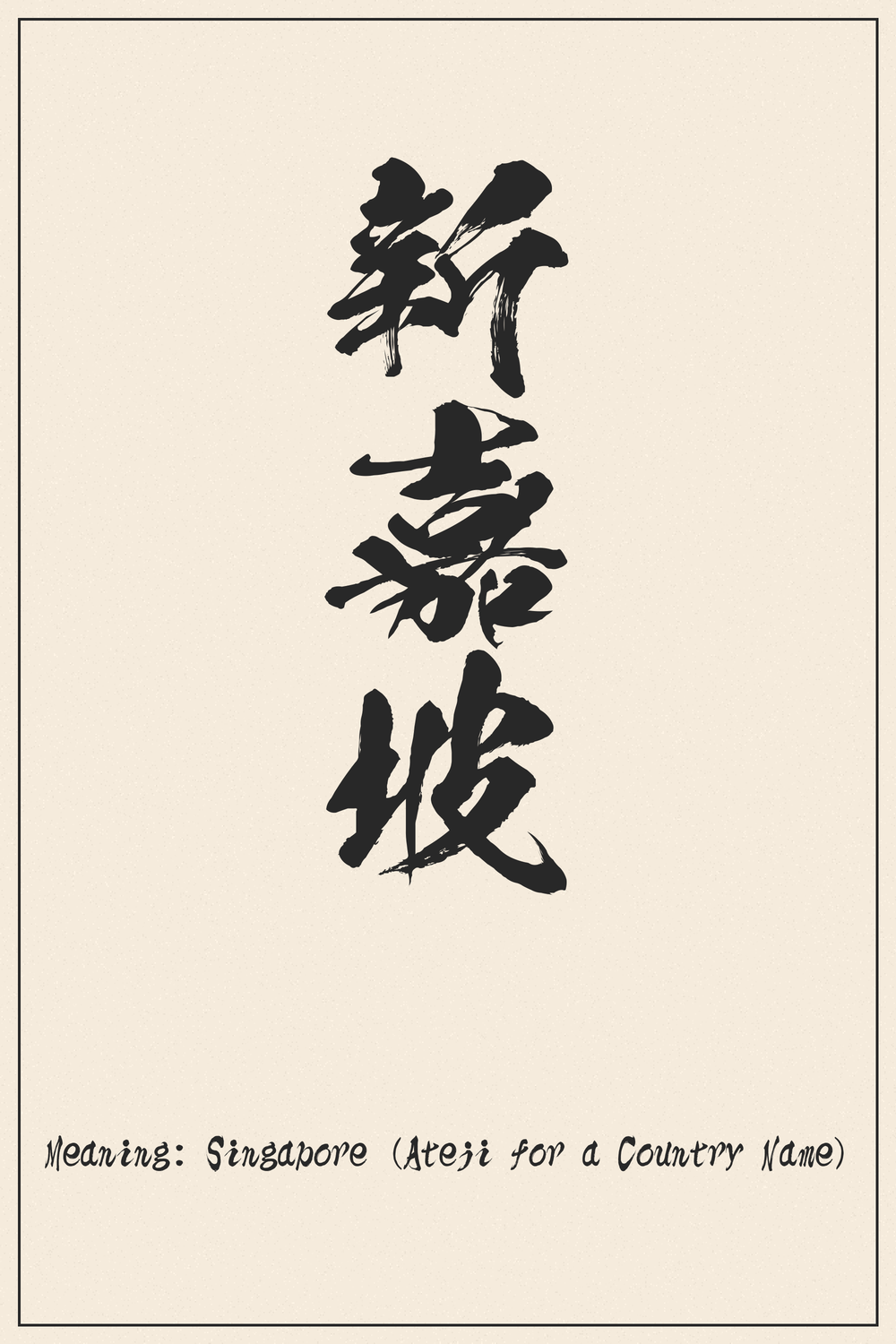
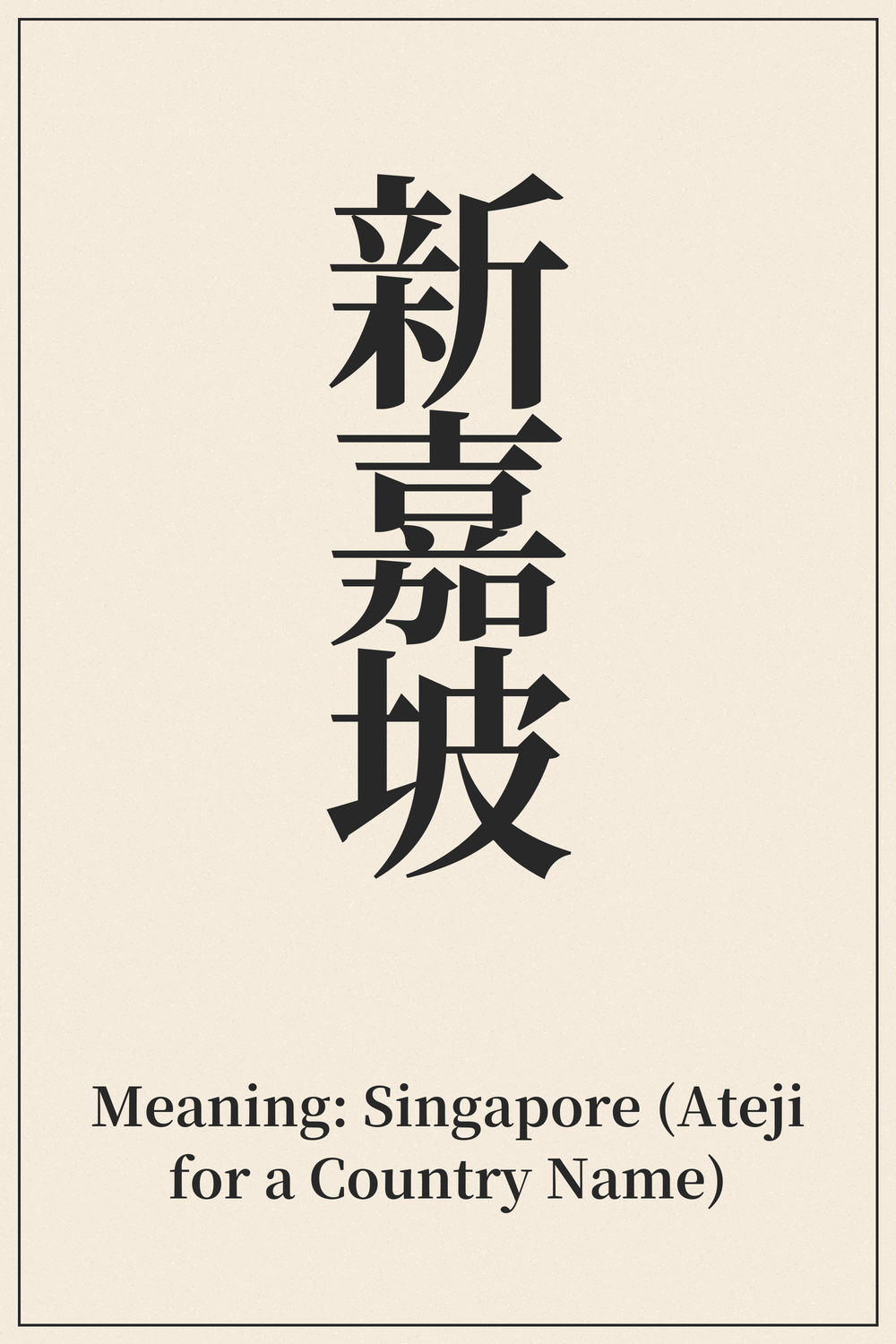
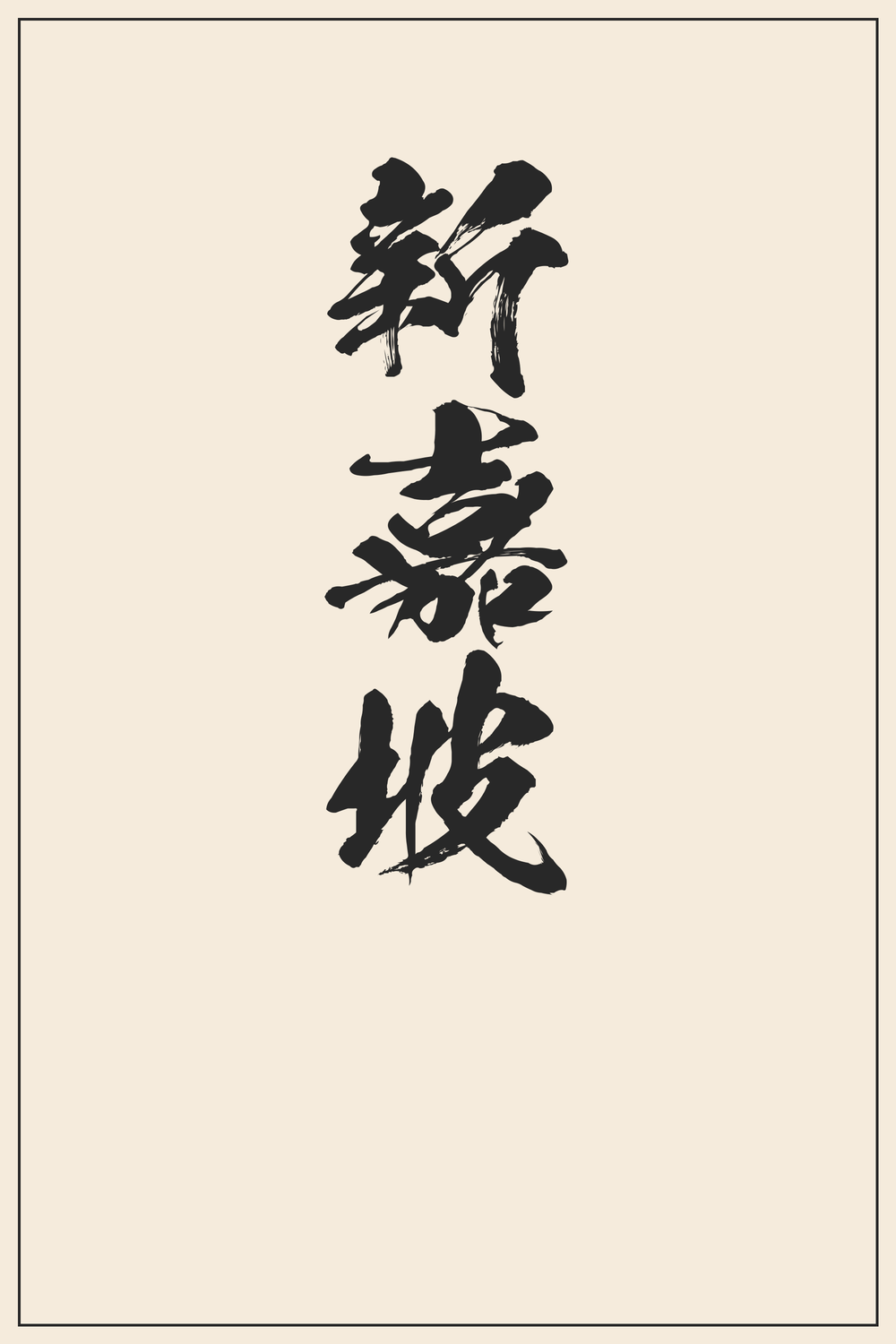
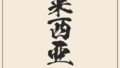
Dive into the fascinating world of Japanese Kanji with ‘新嘉坡,’ the traditional way to write Singapore. This unique combination of characters beautifully illustrates how foreign names are adopted into the Japanese script through phonetic transliteration.
The atmosphere of a Kanji character changes dramatically depending on the font style. A character that looks elegant in a brush style might look bold and modern in a different font.
Recommendation: Since a tattoo is permanent, we strongly recommend comparing various font styles beyond what is shown here. Use our designs as a trusted reference for the correct structure, but feel free to explore different artistic variations to find the perfect match for your vision.
The Deep Meaning Behind 新嘉坡
The Kanji characters ‘新嘉坡’ (Shingapōru) are an example of ‘Ateji’ (当て字), a practice where Kanji are used purely for their phonetic values to represent foreign words, rather than their inherent meanings. In this case, ‘新嘉坡’ was chosen to approximate the sound of ‘Singapore’ in Japanese.
Historically, adapting foreign place names into Japanese often involved selecting Kanji that phonetically matched the sounds. While the individual characters carry their own meanings – ‘新’ (new), ‘嘉’ (auspicious), ‘坡’ (slope) – their combination here is primarily a phonetic device to refer to the Southeast Asian nation.
Kanji Breakdown
Understanding the individual components of ‘新嘉坡’ reveals the characters chosen for their phonetic properties.
New: This character signifies ‘new,’ ‘fresh,’ or ‘recent.’ It often appears in words related to novelty and beginnings.
Auspicious: ‘嘉’ conveys meanings of ‘excellent,’ ‘auspicious,’ ‘good,’ or ‘praise.’ It is associated with blessings and favorable outcomes.
Slope: This character refers to a ‘slope,’ ‘hill,’ or ‘incline.’ Its presence here contributes to the phonetic sound rather than describing Singapore’s topography.
Conclusion
As an Ateji, ‘新嘉坡’ is a testament to the Japanese language’s adaptability in integrating foreign concepts. Its literal character meanings (‘New Auspicious Slope’) are secondary to its primary function as a phonetic representation of ‘Singapore’.
While ‘新嘉坡’ holds cultural significance as a historical transliteration, its literal meaning may not carry the profound personal resonance often sought in Kanji tattoos. For those considering it, understand its primary role as a phonetic representation of a country name, reflecting a unique linguistic tradition.
Comments