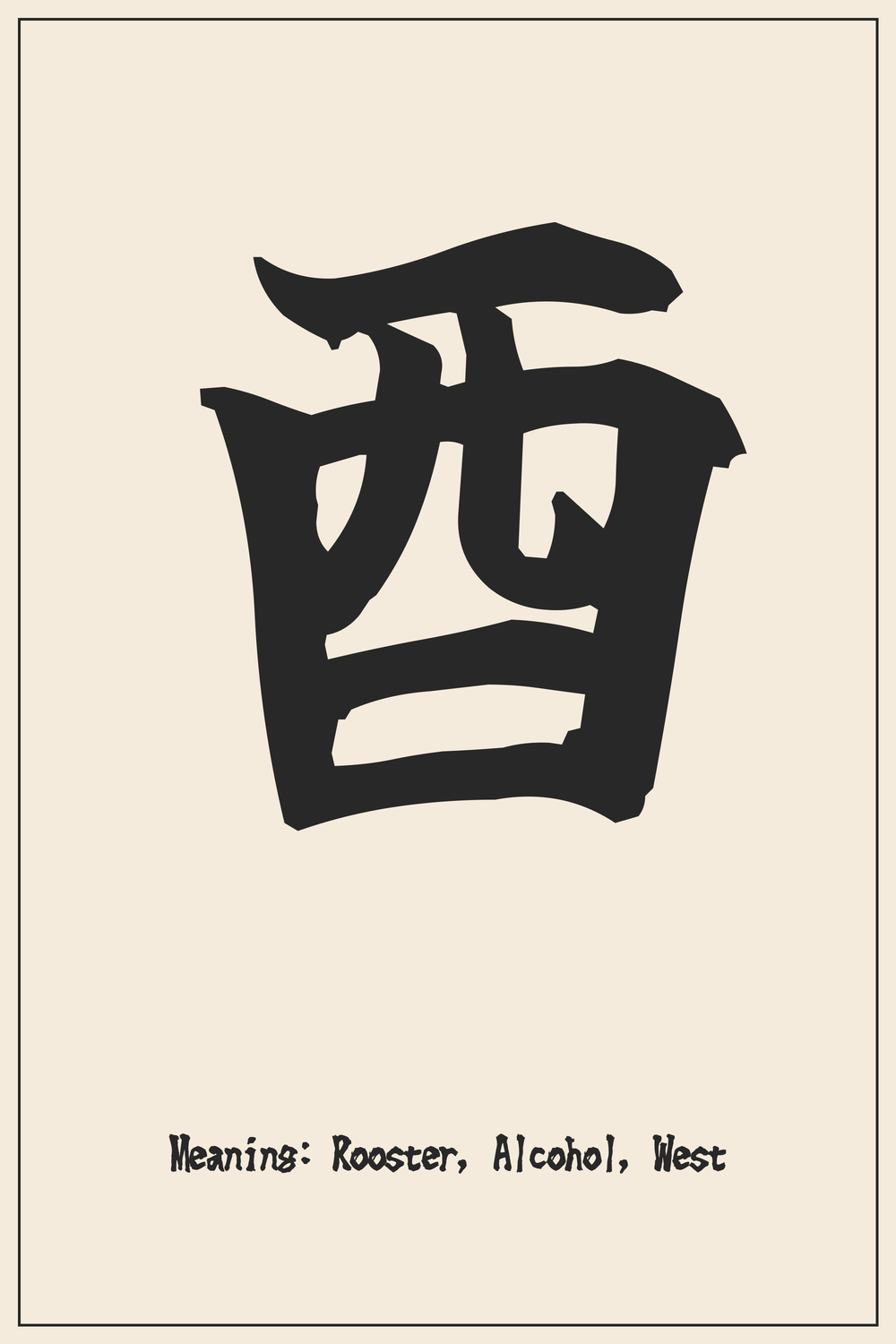
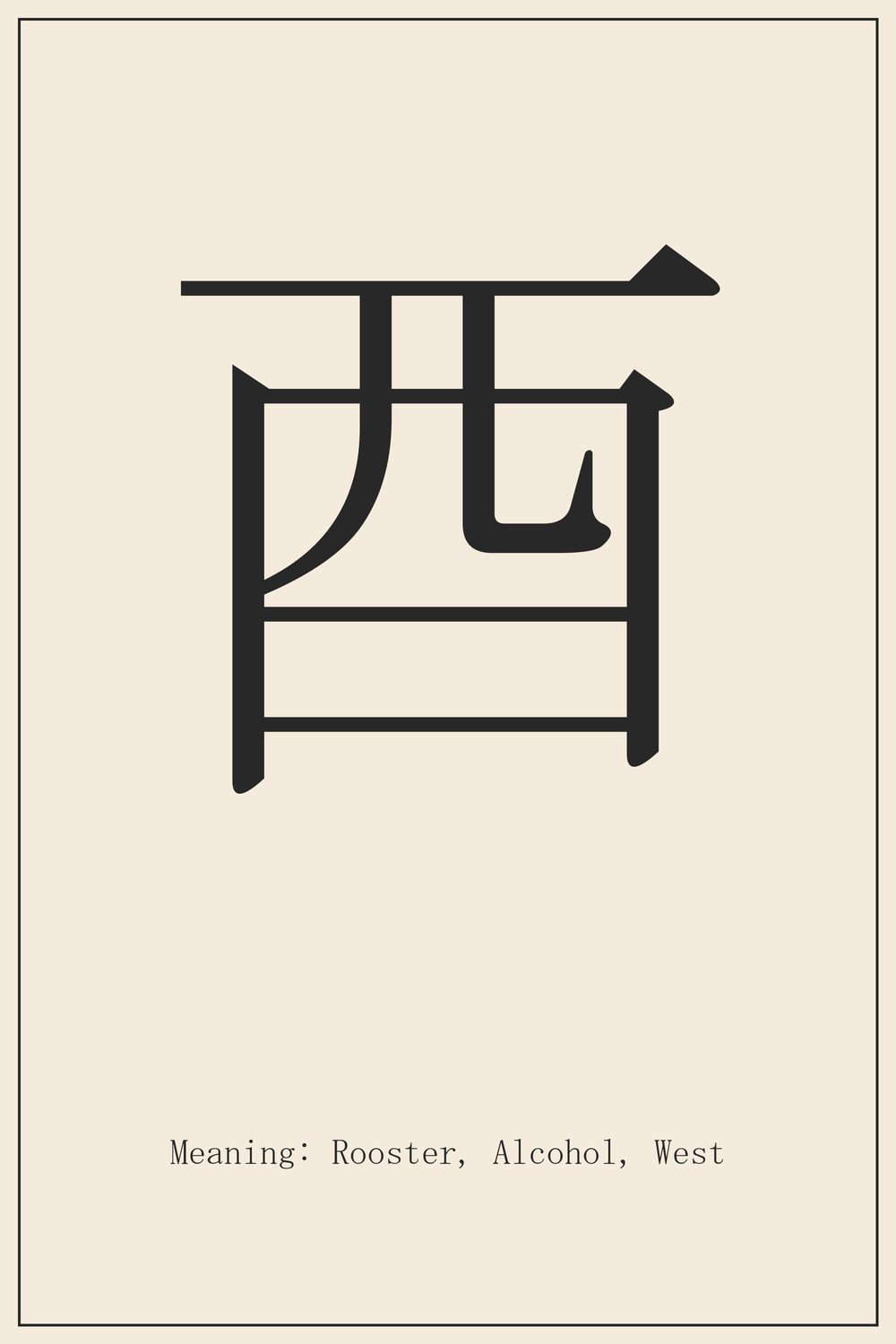
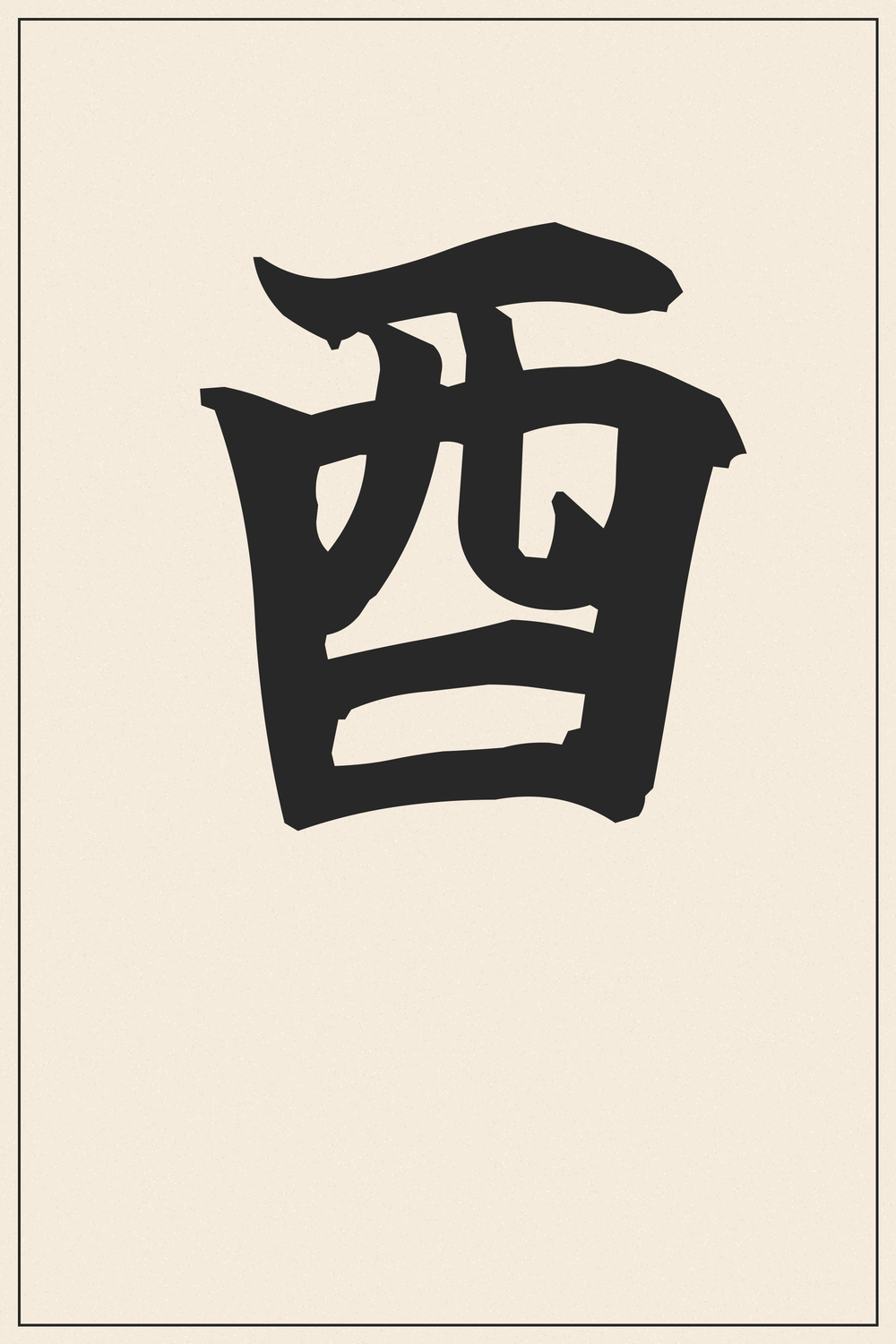
The Kanji 酉 (Yuu) encapsulates a rich tapestry of meanings, from the spirited zodiac Rooster to the convivial essence of sake. It’s a symbol deeply woven into the fabric of time, tradition, and celebration in Japanese culture.
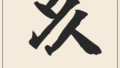
The atmosphere of a Kanji character changes dramatically depending on the font style. A character that looks elegant in a brush style might look bold and modern in a different font.
Recommendation:
Since a tattoo is permanent, we strongly recommend comparing various font styles beyond what is shown here. Use our designs as a trusted reference for the correct structure, but feel free to explore different artistic variations to find the perfect match for your vision.
The Deep Meaning Behind 酉
The origin of the Kanji 酉 is rooted in ancient pictography. It is believed to have originally depicted a wine vessel or a jar used for fermentation. This visual representation directly links to its strong association with alcohol and the process of brewing.
Culturally, 酉 is significant as the tenth of the twelve Earthly Branches, known as Jikkan Jūnishi (十干十二支) in Japan. This system is crucial for traditional timekeeping, astrology, and direction. As the tenth branch, 酉 is associated with the direction West, the hour of the rooster (5-7 PM), and famously, the zodiac sign of the Rooster (Tori).
Kanji Breakdown
The character 酉 is a standalone pictograph, its form directly illustrating its original meaning. Understanding its ancient visual representation unveils its multifaceted contemporary uses.
Wine Vessel: The character 酉 is a pictograph of an ancient earthenware wine jar or fermenting vessel, explaining its core association with alcohol and fermented beverages. Its use as an independent character often refers to the tenth earthly branch or the zodiac sign of the Rooster.
Conclusion
The Kanji 酉 is a powerful symbol, embodying the vibrant energy of the Rooster, the convivial spirit of sake, and the foundational aspects of traditional time and direction. Its simplicity belies a profound cultural significance.
For a tattoo, 酉 offers a meaningful connection to Japanese tradition, whether representing a birth year, a love for fine spirits, or an appreciation for the cycles of nature. Its clean lines and deep history make it an excellent choice for a discreet yet resonant piece of body art.
Comments