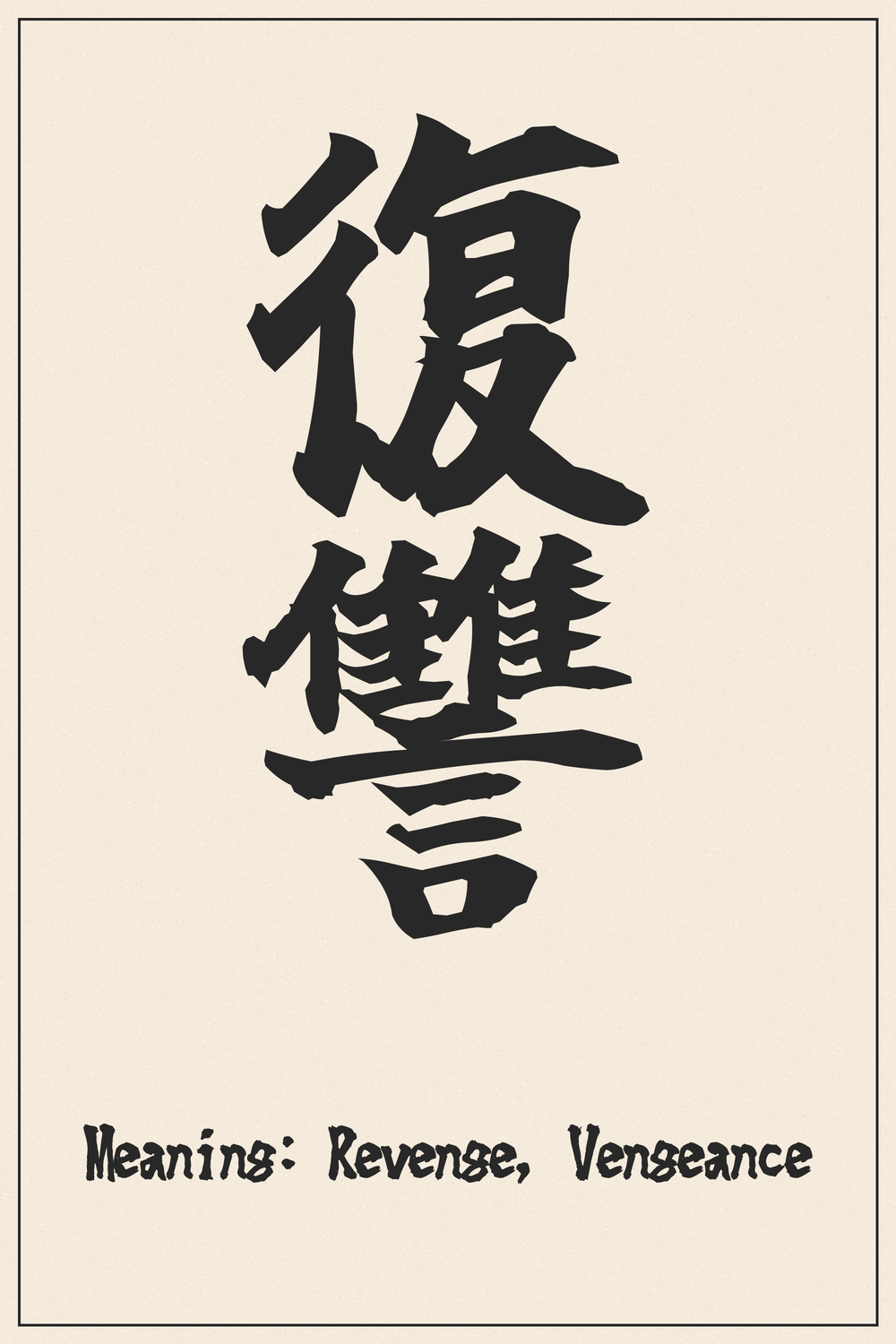
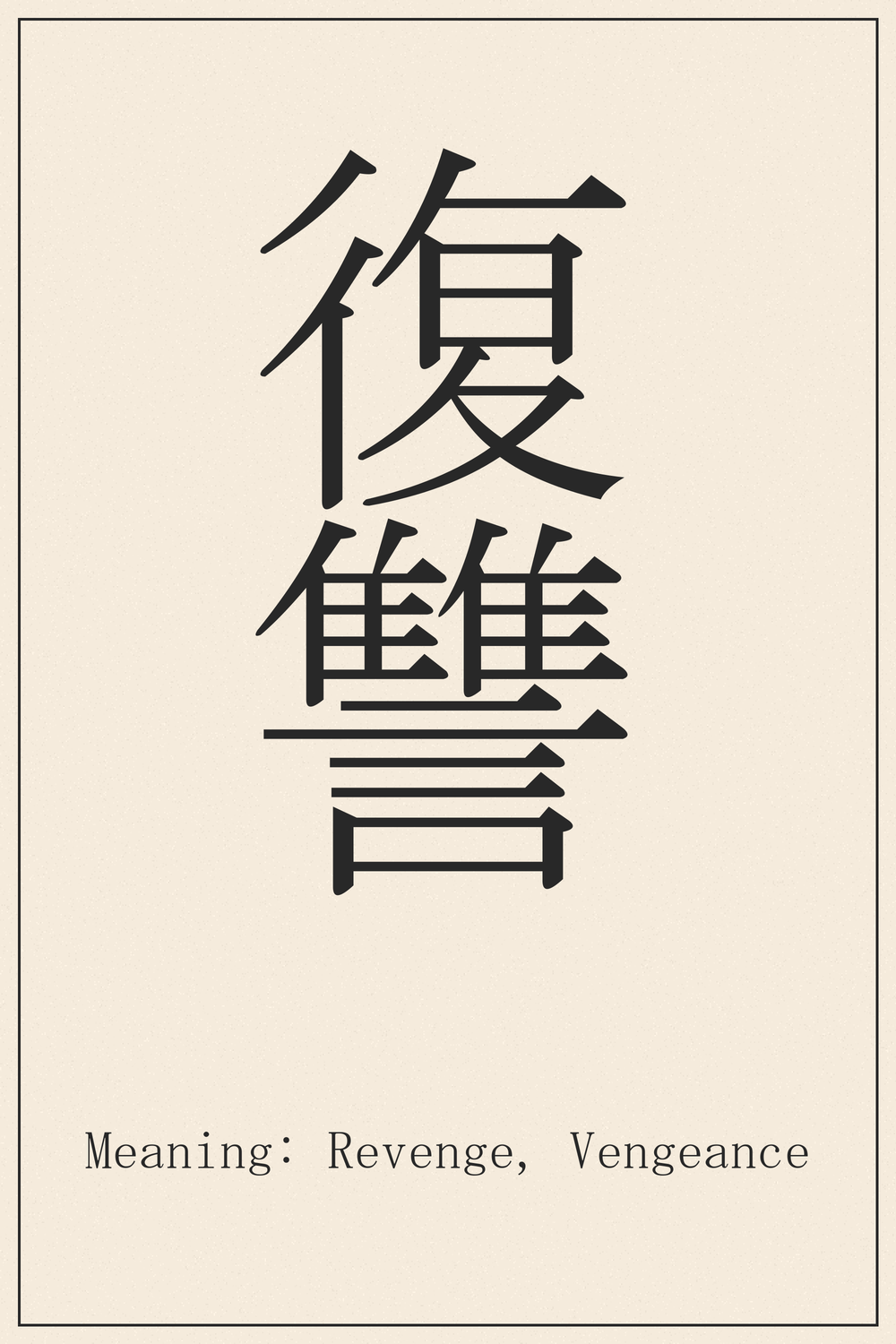
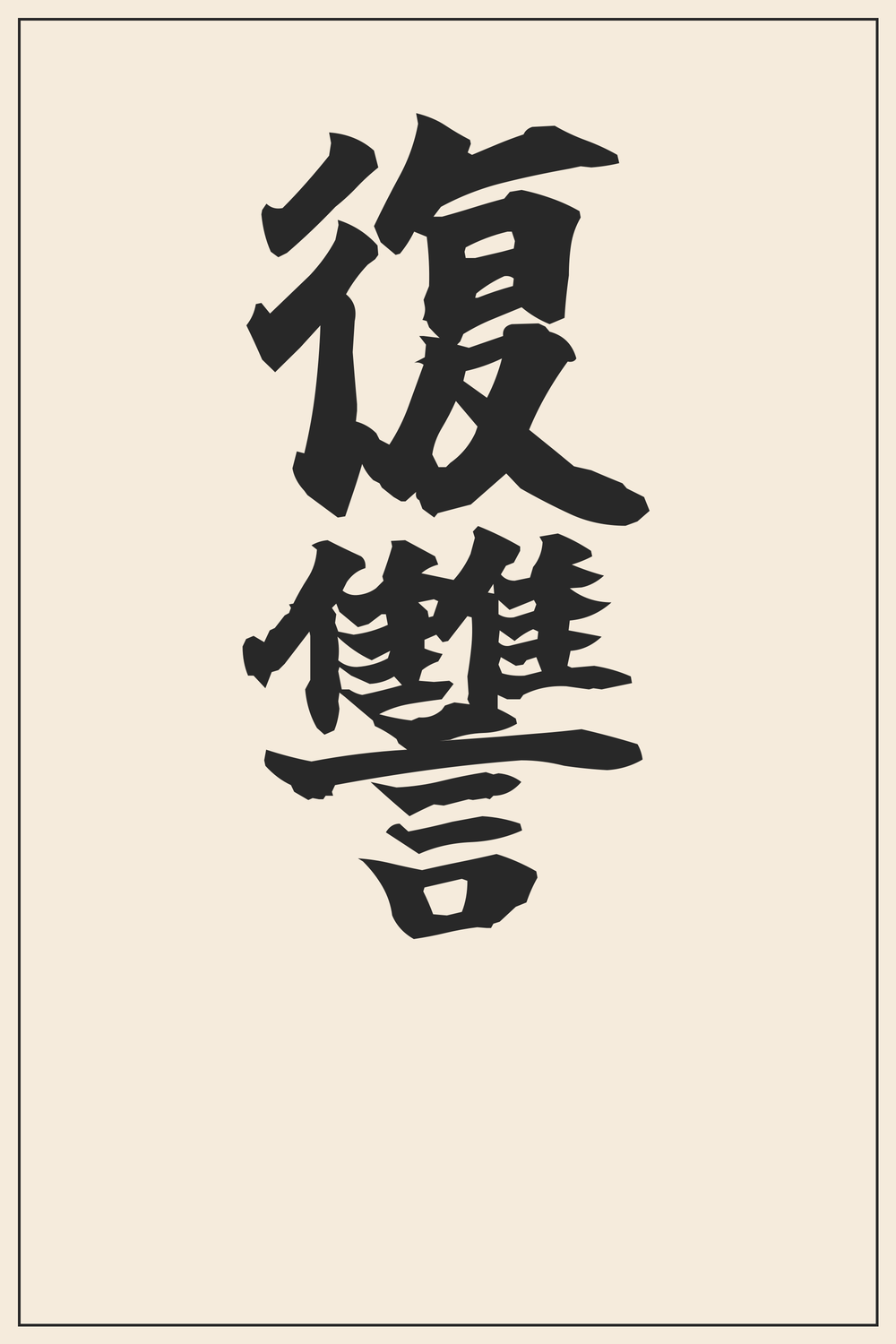
The Kanji 復讐 encapsulates the intense human drive for retribution, a concept deeply rooted in many cultures. It represents the powerful act of seeking justice or satisfaction for a wrong suffered.
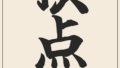
The atmosphere of a Kanji character changes dramatically depending on the font style. A character that looks elegant in a brush style might look bold and modern in a different font.
Recommendation:
Since a tattoo is permanent, we strongly recommend comparing various font styles beyond what is shown here. Use our designs as a trusted reference for the correct structure, but feel free to explore different artistic variations to find the perfect match for your vision.
The Deep Meaning Behind 復讐
The concept of 復讐 (Fukushuu) in Japanese culture, much like in others, is a powerful and often complex theme. It signifies the act of returning a wrong, seeking satisfaction, or settling a score. While often carrying negative connotations, it can also be seen as a relentless pursuit of justice or a profound act of loyalty.
Historically, 復讐 played a significant role in feudal Japan, particularly within the samurai class, where avenging a lord’s or family member’s death was considered an honorable duty (katakiuchi). This deep-seated cultural context imbues 復讐 with a sense of solemnity and unwavering resolve, transcending mere vindictiveness to embody a form of personal justice and honor.
Kanji Breakdown
The compound 復讐 is formed by two distinct Kanji, each contributing to its intense meaning:
Meaning: To restore, to return, to repeat.
This character combines the radical 彳 (gyōninben, indicating ‘movement’ or ‘a road’) with 复 (fuku), which means ‘to return’ or ‘to repeat’. In the context of 復讐, it signifies the act of returning an injury or restoring balance through retribution.
Meaning: Enmity, revenge, vendetta.
This complex character is formed by 言 (gen, ‘word’ or ‘speech’) and 雔 (shu), a phonetic component depicting two birds fighting or disputing. Together, these elements convey the declaration of hostility and the subsequent act of seeking revenge.
Conclusion
The Kanji 復讐 embodies a powerful and often controversial human emotion, representing the deep-seated desire for retribution or the restoration of justice. Its nuances extend beyond simple anger, touching upon honor, loyalty, and unwavering determination.
For a tattoo, 復讐 serves as a potent symbol for individuals who resonate with themes of overcoming past wrongs, seeking personal vindication, or possessing an unyielding spirit in the face of adversity. Its strong visual impact and profound meaning make it a compelling choice for those wishing to express a definitive and powerful statement.
Comments