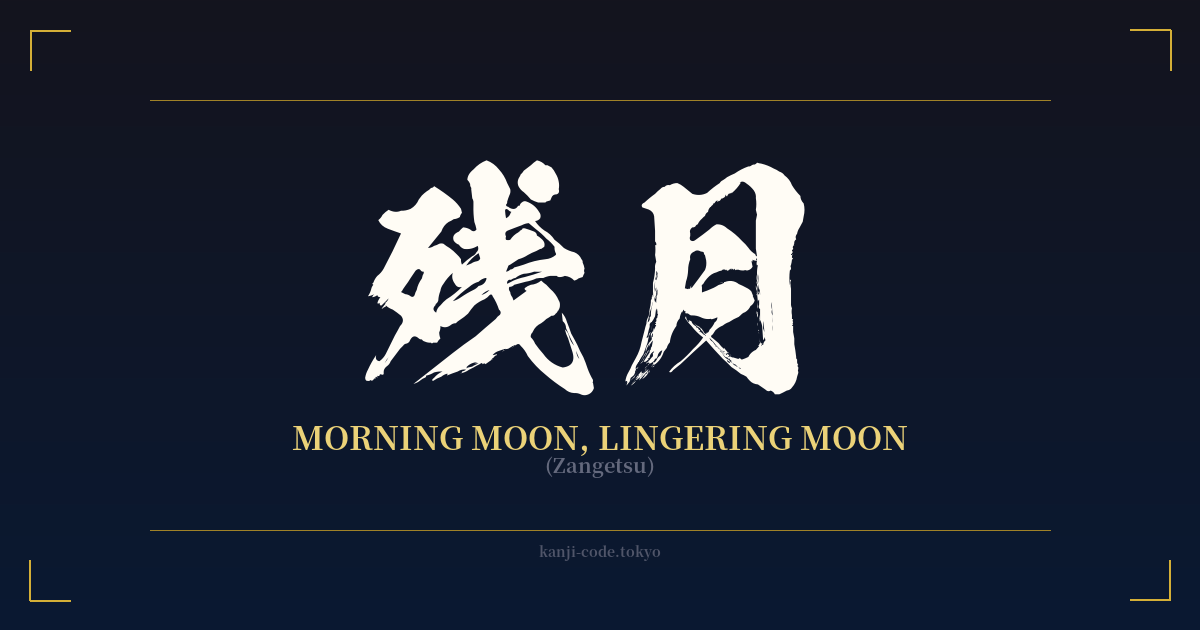
✍️ 残月 (Zangetsu) — Cultural Context
Zangetsu, written as 残月, is a word of profound poetic beauty that captures a specific, fleeting moment in nature: the pale moon that lingers in the sky at dawn. It doesn't just mean 'moon in the morning'; it carries a much deeper emotional weight, evoking a sense of quiet melancholy, transition, and the transient beauty of existence.
The word literally translates to 'remaining moon.' This simple translation belies its rich cultural significance. In Japanese art and literature, the moon is a powerful and recurring motif, often associated with contemplation, longing, and enlightenment. Zangetsu, however, specifies a particular kind of moon-viewing experience. It’s the moment when the vibrant, often chaotic energy of the night has subsided, and the quiet, clear-headed energy of the day is about to begin. The moon, a symbol of the night, remains as a faint, ghostly witness to this change.
This imagery is deeply connected to the Japanese aesthetic concept of mono no aware (物の哀れ), which can be translated as 'the pathos of things' or 'an empathy toward things.' It’s a gentle sadness or wistfulness about the impermanence of life. The morning moon, beautiful precisely because it is about to fade, is a perfect embodiment of this idea. It’s a reminder that all beauty is transient, which makes the present moment all the more precious.
This theme has been explored for centuries in classical Japanese poetry, particularly in waka and haiku. Poets would use the image of the Zangetsu to convey feelings of loneliness after a lover has departed at dawn, the quiet contemplation of a monk after a night of meditation, or simply the serene, bittersweet beauty of nature's cycles. It's a symbol of something that has passed but is not yet completely gone—a memory, a feeling, a presence that remains.
In modern times, the word Zangetsu has gained international recognition through popular culture, most notably as the name of a prominent character's sword in the manga and anime series Bleach. While this has introduced the word to a new generation, its original, classical meaning remains independent and far more profound than any single fictional use. It is a word that speaks to a core aspect of Japanese sensibility: finding profound beauty in the quiet, subtle, and ephemeral moments of life.
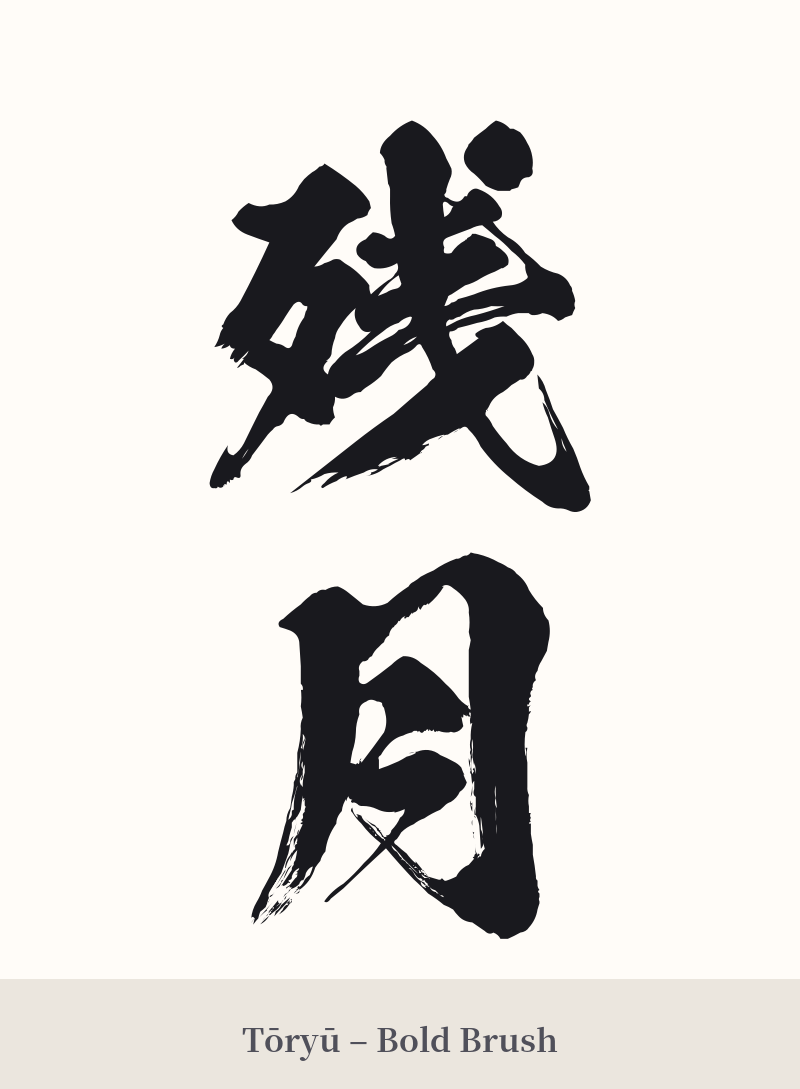
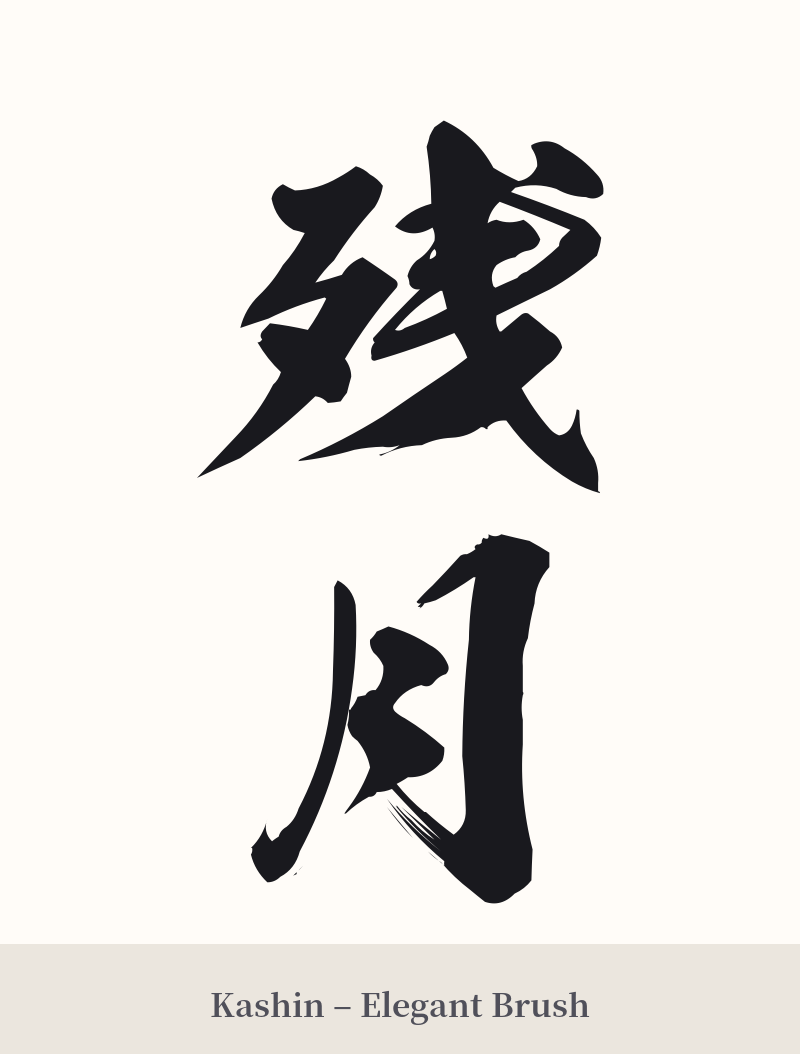
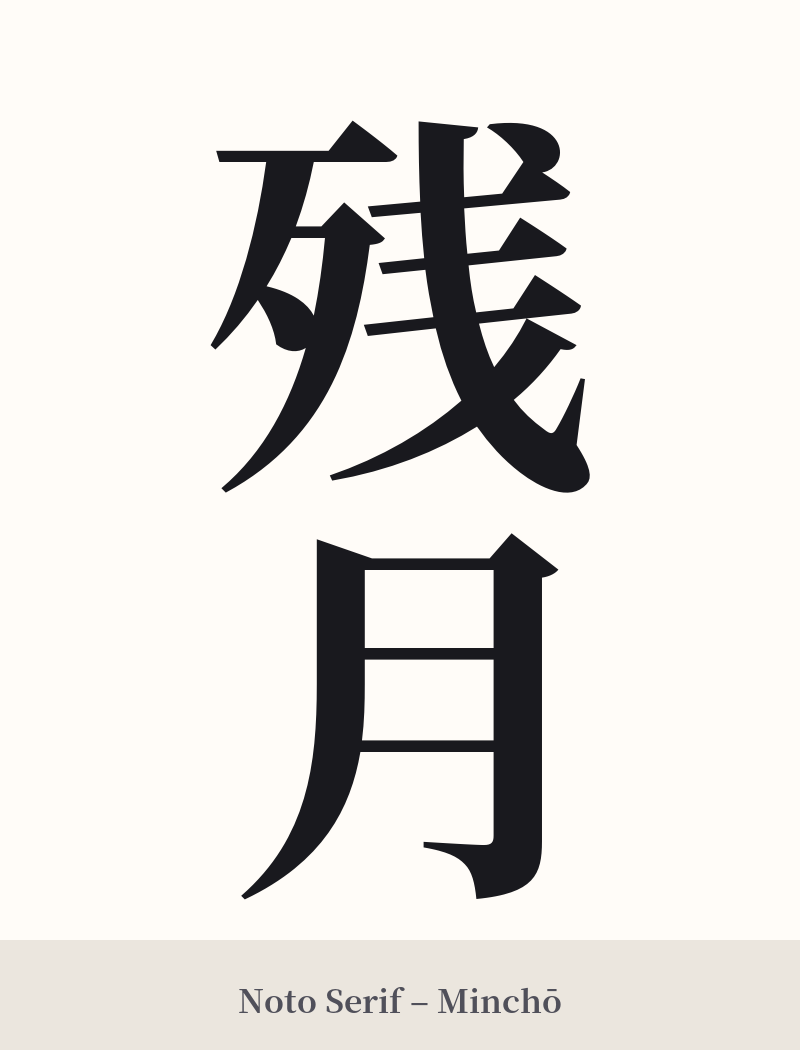
🖌️ Font Styles for 残月
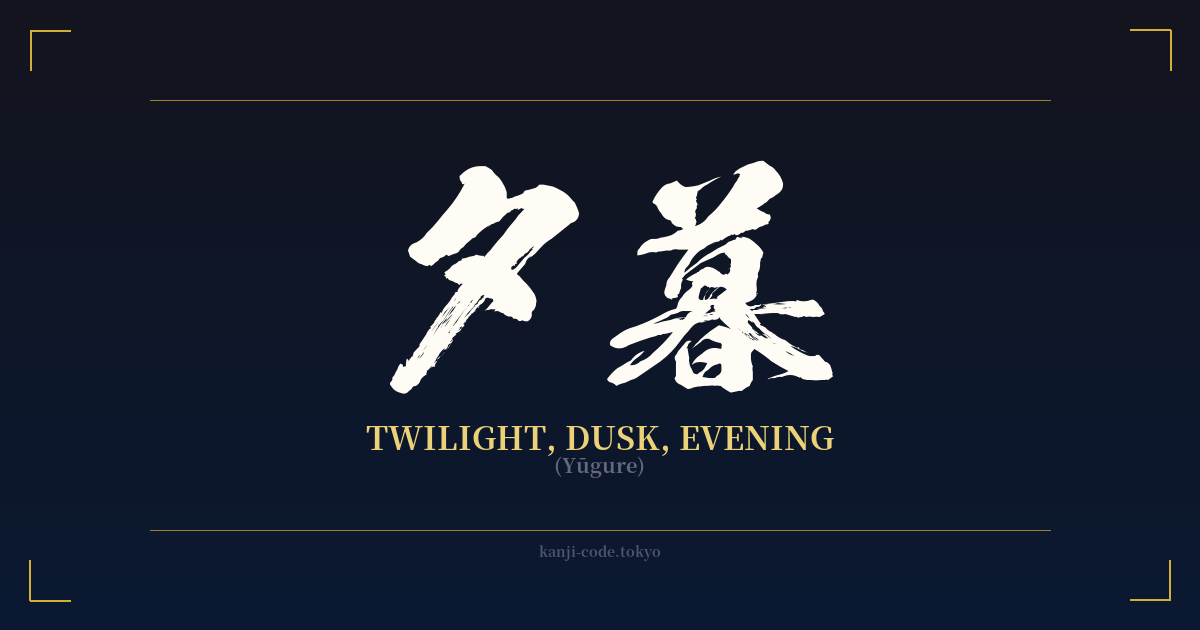
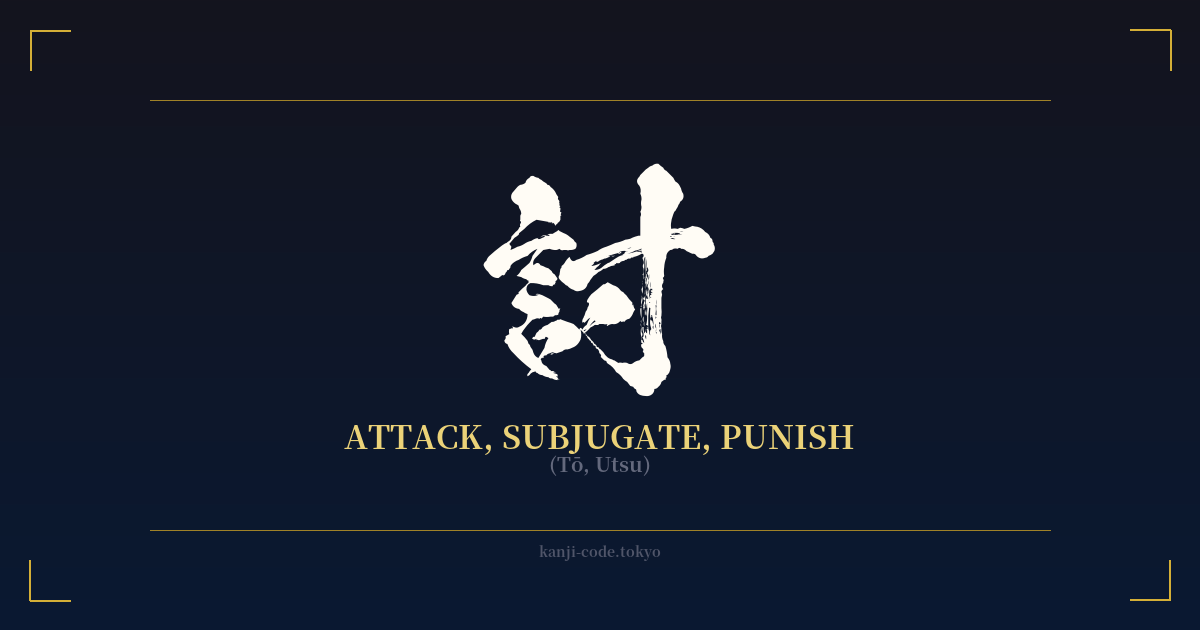
The same kanji can look dramatically different depending on the calligraphy style. Choose a font that matches the mood you want for your tattoo or design.
🎨 Tattoo Suitability
📐 Tattoo Design Guide
Zangetsu offers wonderful creative possibilities for a tattoo, lending itself to both minimalist and more illustrative designs.
– Placement: For a vertical orientation, the back of the neck, spine, forearm, or calf are excellent choices. For a horizontal layout, the clavicle, inner bicep, or across the shoulder blades works beautifully.
– Font Style: To honor its poetic roots, a flowing, semi-cursive script like Gyōsho is highly recommended. This style captures the elegance and transient nature of the word. For a more dramatic and artistic feel, a full cursive Sōsho script can be stunning, though it may be less legible. A crisp, clean Kaisho (block script) can also provide a strong, modern contrast to the word's soft meaning.
– Visual Tips: Consider incorporating visual elements that enhance the theme. A faint, pale crescent moon near the kanji can be very effective. You could also add a few falling cherry blossom petals (sakura) to double down on the theme of impermanence (mono no aware). Wisps of morning mist or clouds rendered in a delicate wash style can also beautifully frame the kanji.
Comments