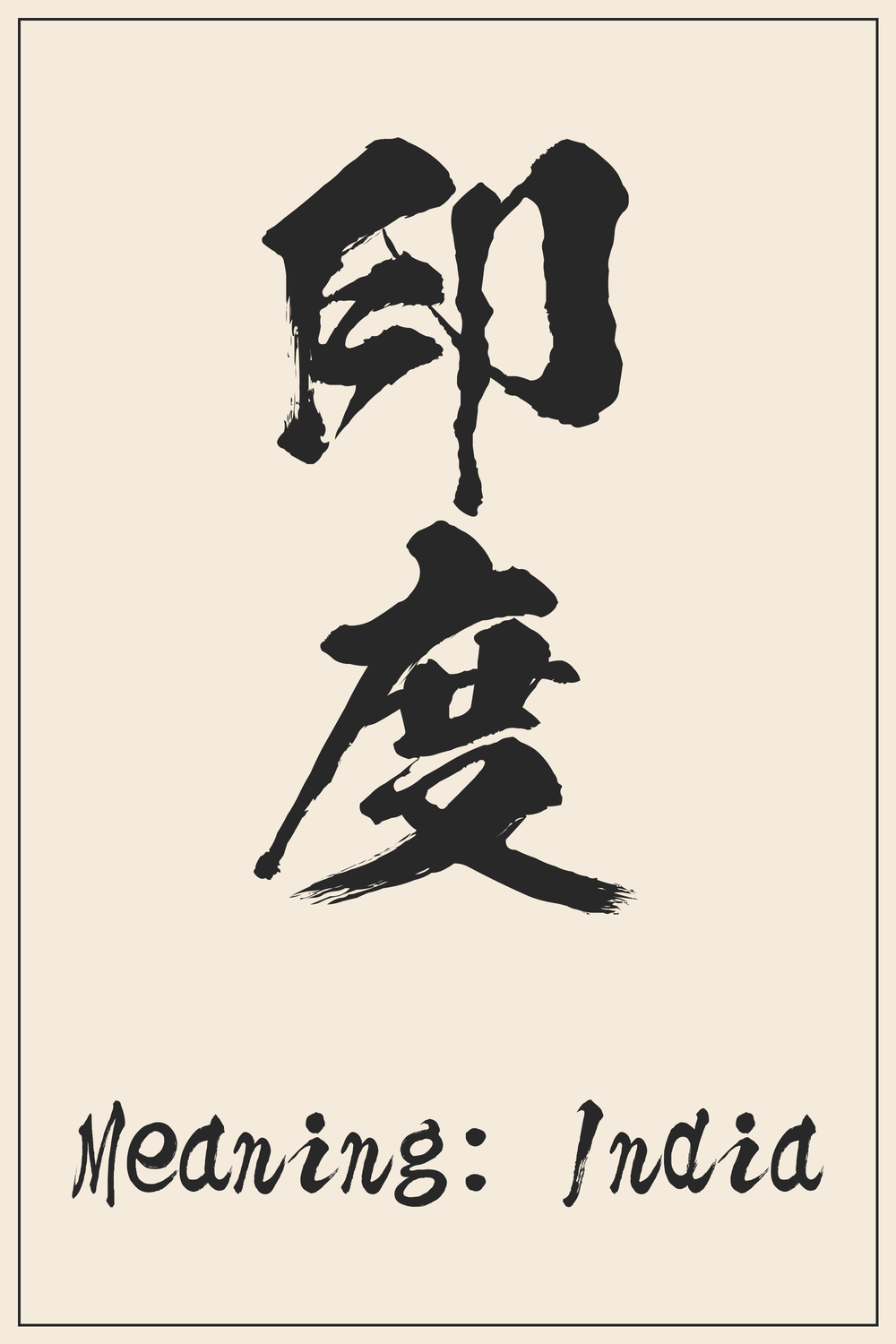
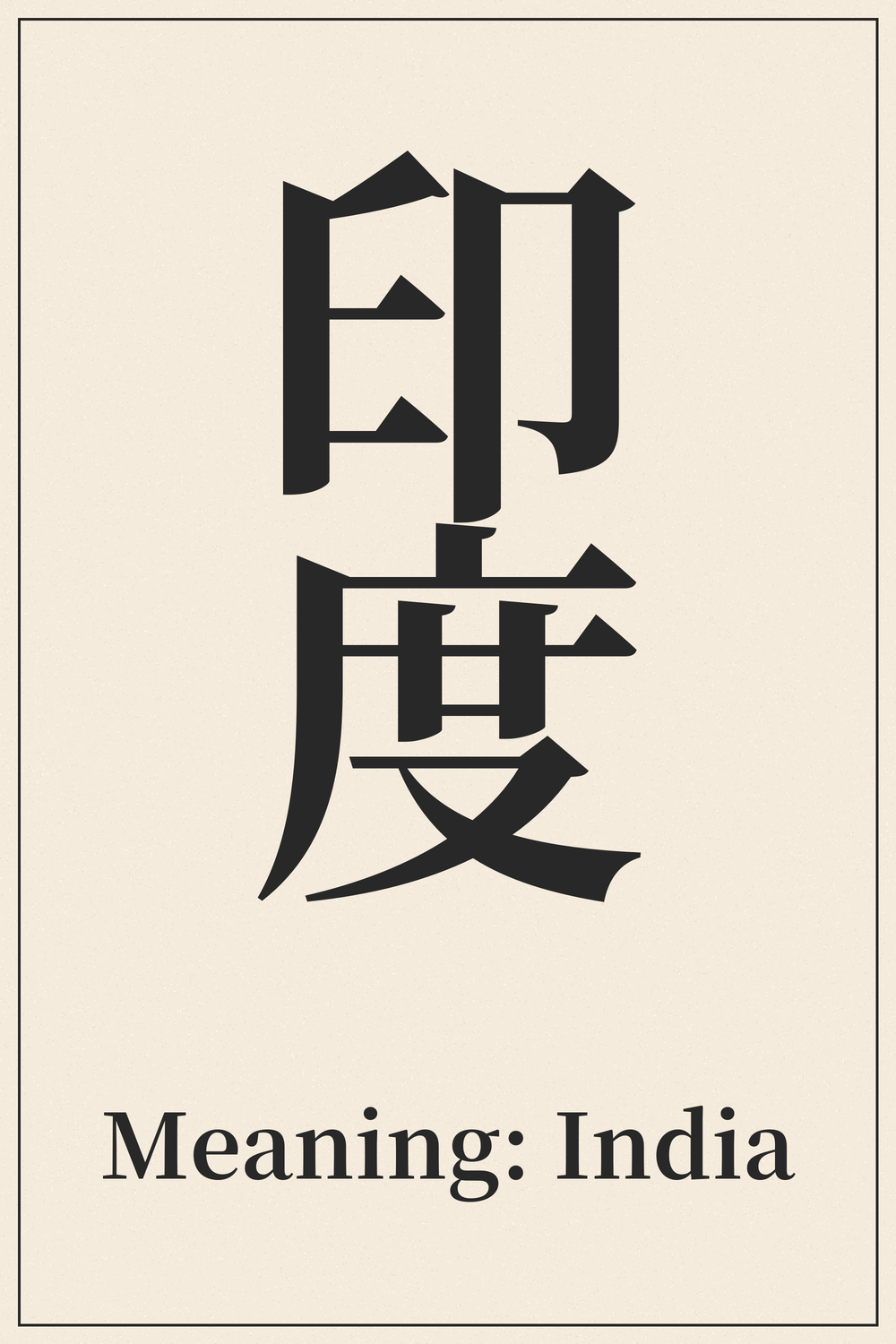
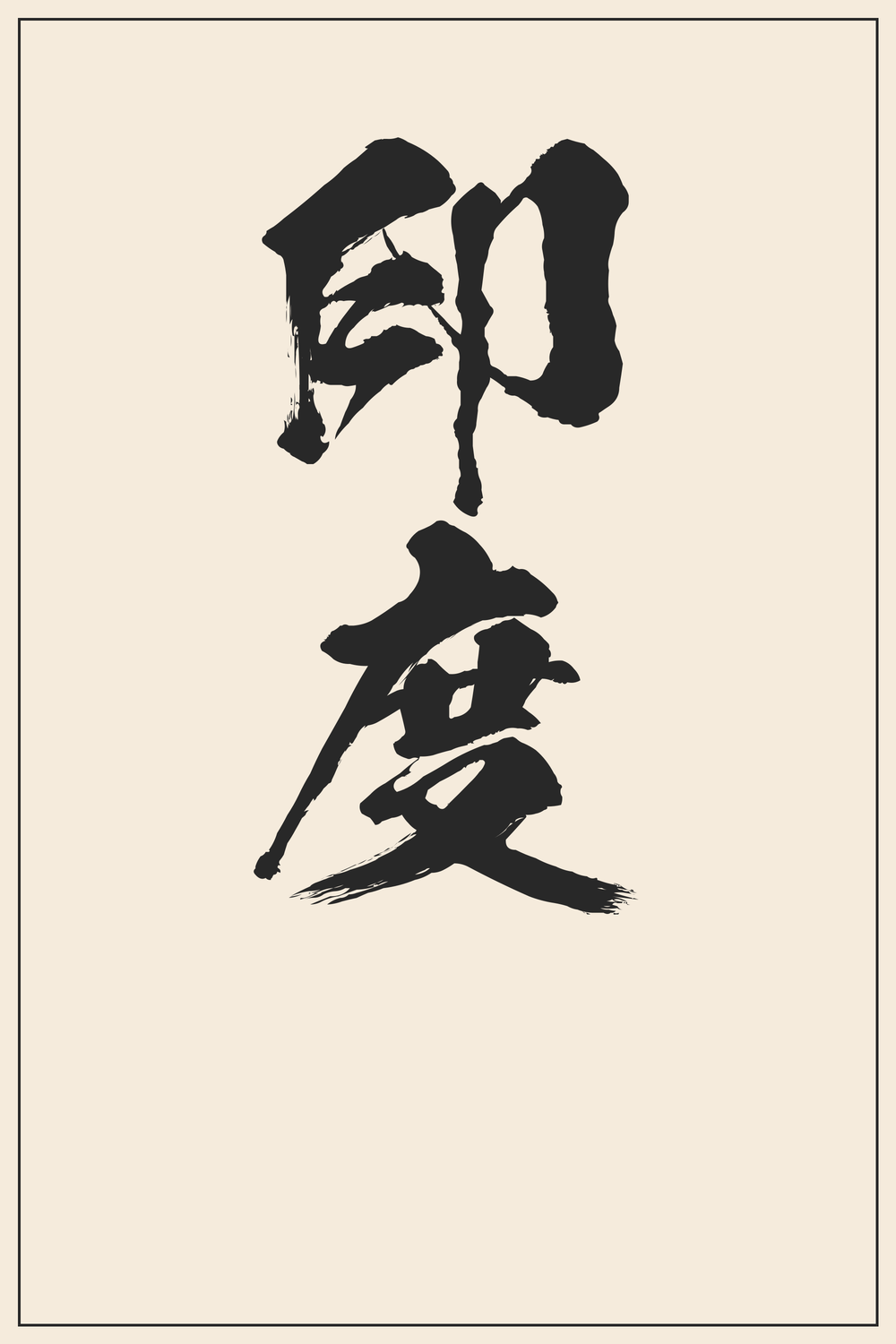
Discover ‘印度’ (Indo), the Japanese Kanji representation for the ancient and vibrant nation of India. This fascinating combination of characters reveals how Japanese incorporates foreign concepts through phonetic adaptation.
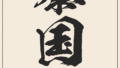
The atmosphere of a Kanji character changes dramatically depending on the font style. A character that looks elegant in a brush style might look bold and modern in a different font.
Recommendation: Since a tattoo is permanent, we strongly recommend comparing various font styles beyond what is shown here. Use our designs as a trusted reference for the correct structure, but feel free to explore different artistic variations to find the perfect match for your vision.
The Deep Meaning Behind 印度
The term ‘印度’ (Indo) is a prime example of ‘ateji’ (当て字), where Kanji characters are selected primarily for their phonetic sounds rather than their intrinsic meanings to represent foreign words. Historically, Japan adopted many terms through this phonetic approach, especially for geographical names.
In this case, ‘印’ (in) was chosen to approximate the ‘In’ sound, while ‘度’ (do) represents the ‘do’ sound, collectively forming ‘Indo’ to phonetically match ‘India’. This method allowed for the integration of new concepts into the Japanese language using existing written characters.
Kanji Breakdown
Let’s examine the individual Kanji that form ‘印度’ and understand their independent meanings, highlighting their role in this phonetic compound.
Meaning: Seal, Mark, Stamp; Abbreviation for India
Meaning: Degree, Measure, Extent, Time; Phonetic Component
Conclusion
‘印度’ (Indo) beautifully illustrates the ingenuity of the Japanese writing system in absorbing foreign names. It is a phonetic transcription for ‘India’, chosen for its sounds ‘in’ and ‘do’, rather than a literal combination of ‘seal’ and ‘measure’.
For those considering a Kanji tattoo, ‘印度’ offers a unique representation of India, reflecting a fascinating aspect of linguistic adaptation. While its individual character meanings are distinct, its power lies in its collective phonetic significance as a beloved country’s name.
Comments