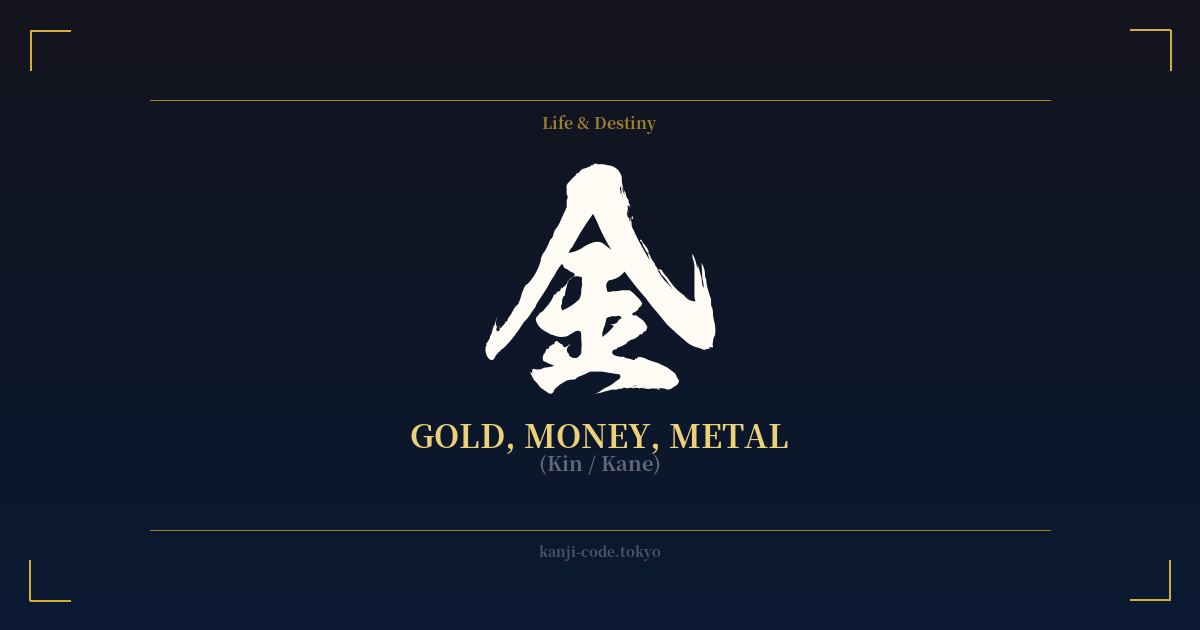
✍️ 金 (Kin / Kane) — Cultural Context
The kanji 金 (kin/kane) is one of the most fundamental and powerful characters in the Japanese language, embodying concepts of wealth, value, and precious metals. Its origins are believed to be pictographic, depicting a piece of metal being forged or nuggets of gold found within the earth. The top part resembles a lid or cover, while the lower strokes originally represented pieces of metal (the two dots) within the earth (土).
This character carries two primary readings that reveal its nuanced usage. The On'yomi (Sino-Japanese) reading, 'kin,' is used when discussing the metal gold itself (金, kin), gold medals (金メダル, kin medaru), or Fridays (金曜日, kin'yōbi), which is linked to Venus, the 'metal star' in East Asian cosmology.
The Kun'yomi (native Japanese) reading, 'kane,' is used more colloquially to mean 'money' in a general sense (お金, o-kane). This distinction is crucial; 'kin' feels more elemental and precious, while 'kane' is practical and transactional. The popular phrase 時は金なり (Toki wa kane nari) is a direct borrowing of the English saying "Time is money."
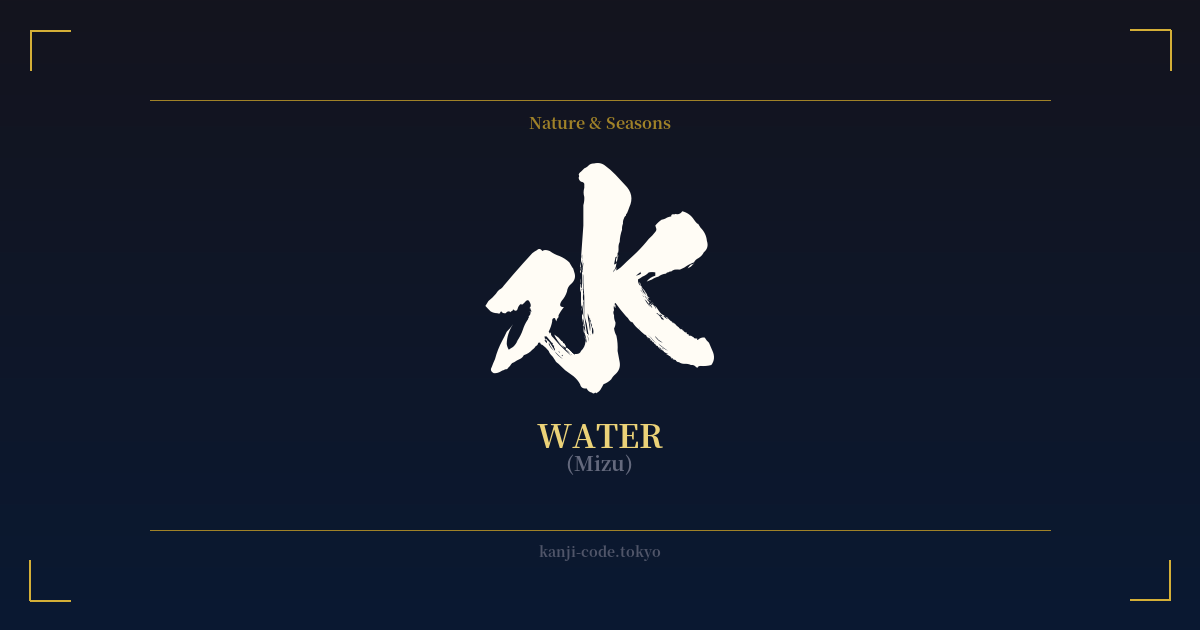
Beyond its material meaning, 金 holds deep cultural significance. It is one of the Five Elements (五行, Gogyō) in traditional Chinese philosophy, which heavily influenced Japan. In this system, Gold/Metal represents the west, the season of autumn, and qualities like rigidity, persistence, and determination. This adds a layer of philosophical weight to the character, moving it beyond simple avarice.
This reverence for gold is famously visualized in Kyoto's Kinkaku-ji (金閣寺), the Temple of the Golden Pavilion. This stunning Zen Buddhist temple, covered entirely in gold leaf, reflects not just opulence but also a sense of purity and enlightenment, with the gold reflecting upon the surrounding pond to create a vision of a heavenly paradise on earth.
In modern Japan, 金 continues to symbolize the pinnacle of achievement. Winning a gold medal is a national honor, and the character is frequently used in business names to imply quality, success, and reliability. It's a symbol that is at once ancient and modern, material and philosophical, representing the ultimate standard of value in both society and nature.
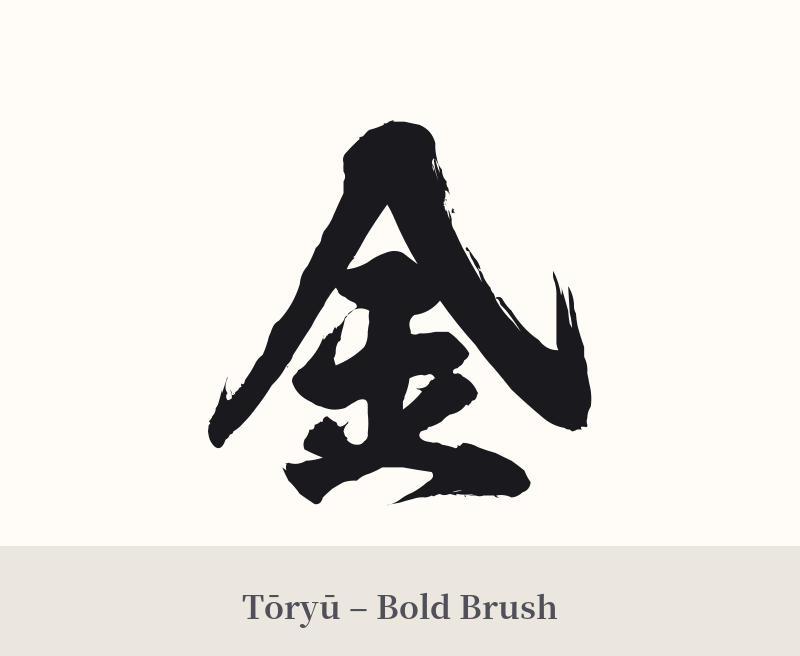
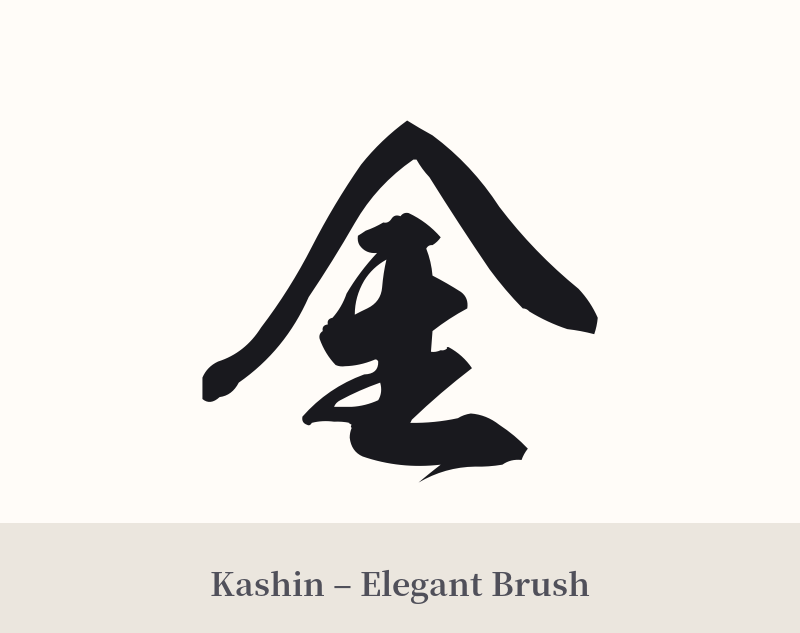
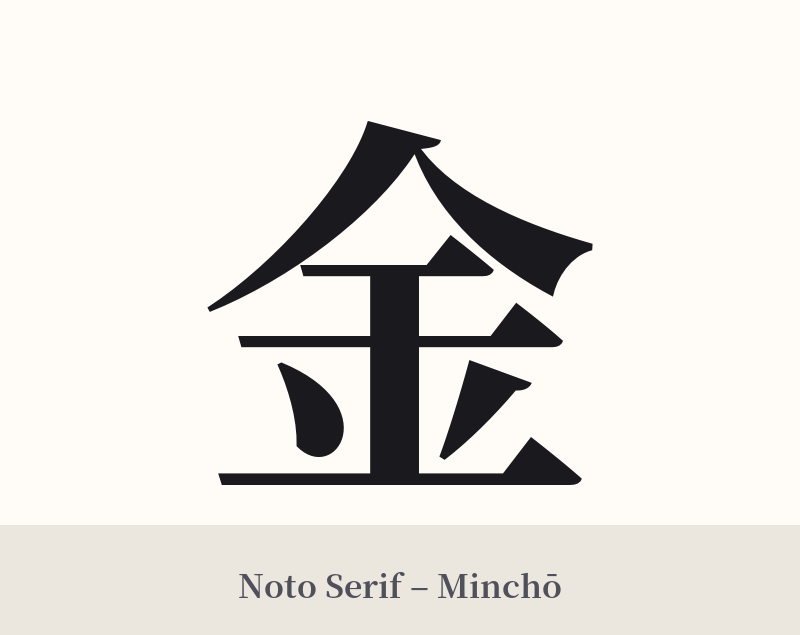
🖌️ Font Styles for 金
The same kanji can look dramatically different depending on the calligraphy style. Choose a font that matches the mood you want for your tattoo or design.
🎨 Tattoo Suitability
📐 Tattoo Design Guide
The kanji 金 offers great versatility for a tattoo design due to its strong, balanced shape.
– Placement: Its compact and symmetrical form works well in various locations. Consider the wrist, inner forearm, back of the neck, or behind the ear for a small, impactful statement. For a larger piece, it can serve as a powerful centerpiece on the chest or back.
– Style Suggestions: The character's meaning can be enhanced through different calligraphic styles. A bold, blocky Kaisho script emphasizes its strength and stability. A flowing, semi-cursive Gyōsho script can lend it a more artistic and personal feel. A traditional Mincho style gives it a classic, established look.
– Visual Embellishments: Consider integrating 金 with other symbolic elements. Pairing it with a dragon can symbolize the pursuit of power and fortune, while combining it with a koi fish represents perseverance leading to prosperity. Another powerful concept is Kintsugi (金継ぎ), the art of repairing broken pottery with gold lacquer. A tattoo depicting a cracked surface mended with gold could beautifully represent resilience and finding value in imperfection.
Comments