Delve into ‘独逸’, the Kanji representation for Germany, a fascinating example of how Japanese adopted foreign names. Discover its phonetic origins and unique cultural context.
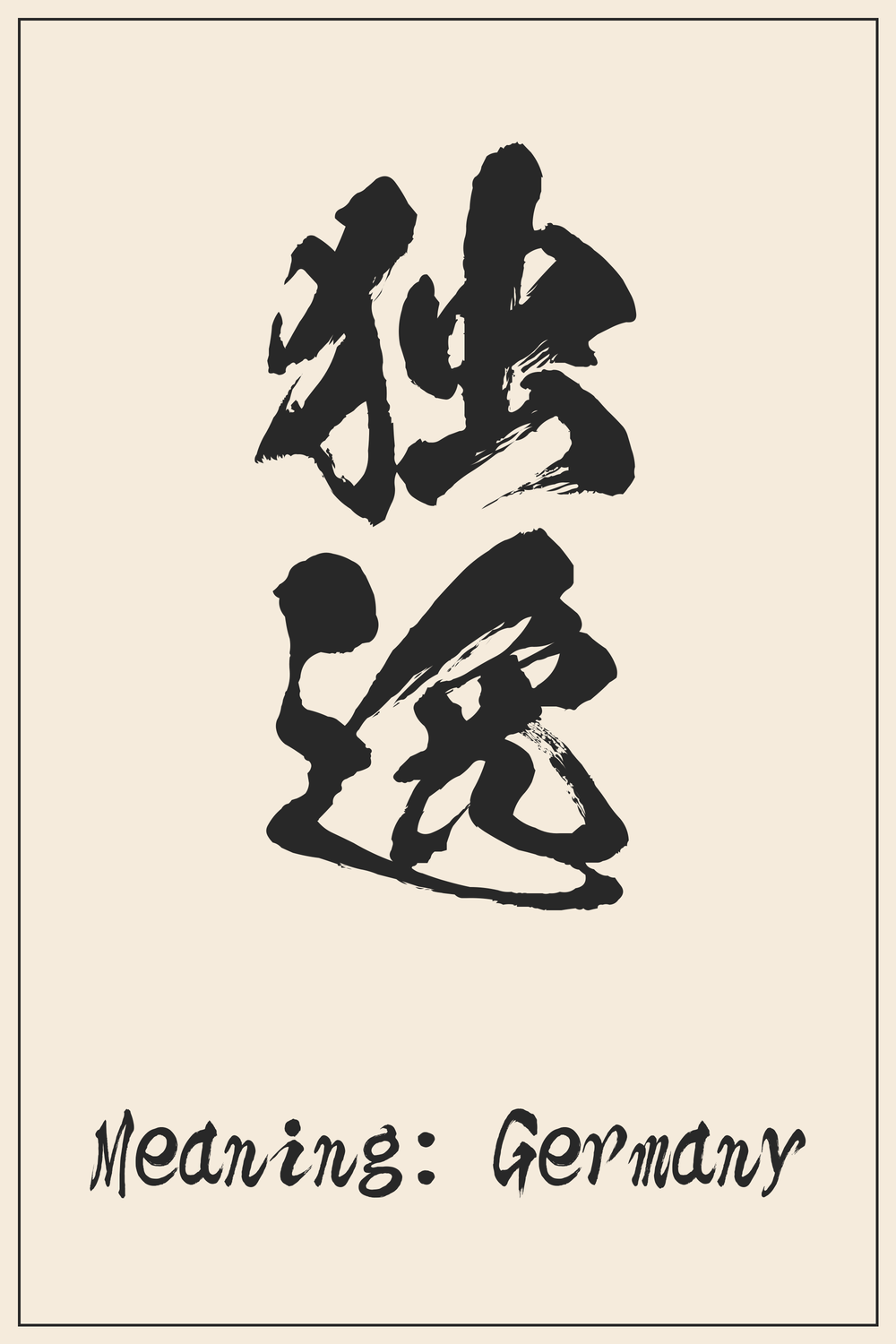
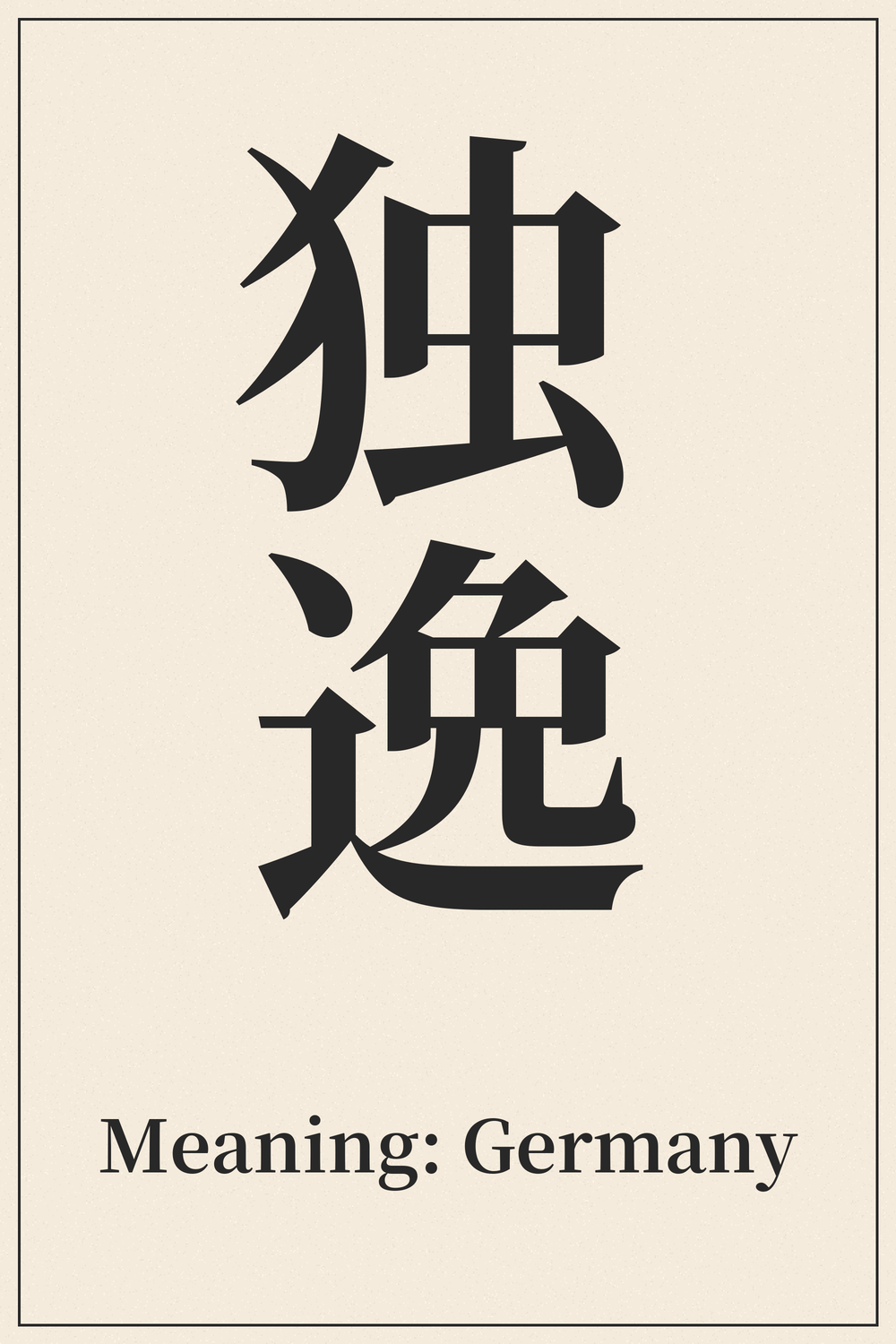
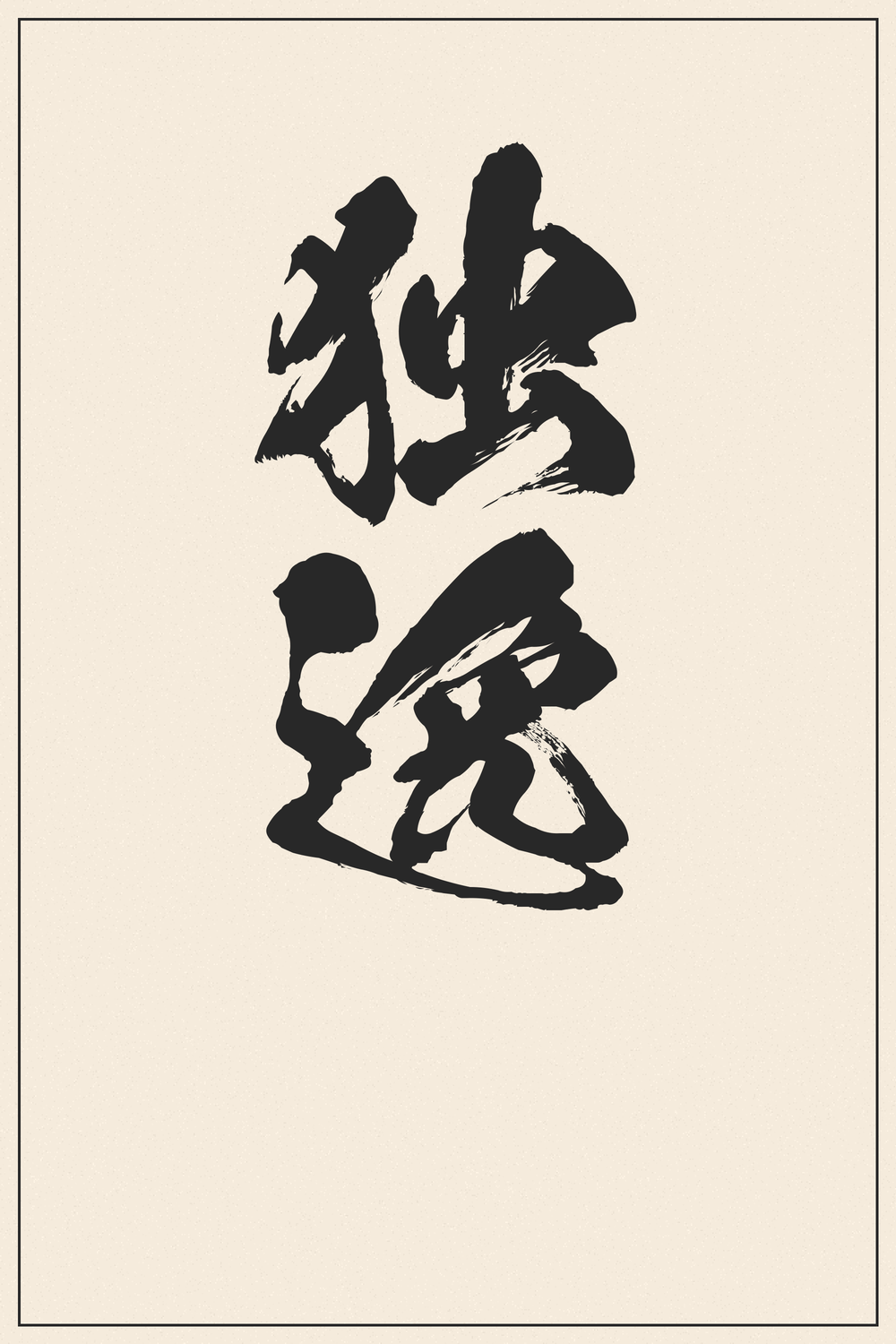
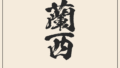
The atmosphere of a Kanji character changes dramatically depending on the font style. A character that looks elegant in a brush style might look bold and modern in a different font.
Recommendation: Since a tattoo is permanent, we strongly recommend comparing various font styles beyond what is shown here. Use our designs as a trusted reference for the correct structure, but feel free to explore different artistic variations to find the perfect match for your vision.
The Deep Meaning Behind 独逸
The Kanji compound ‘独逸’ (Doitsu) is a classic example of Ateji (当て字), which refers to characters used purely for their phonetic values to represent foreign words. In this case, ‘独逸’ was chosen to approximate the sound of ‘Deutsch’, referring to Germany.
While the individual characters ‘独’ (doku, meaning ‘alone’ or ‘single’) and ‘逸’ (itsu, meaning ‘escape’ or ‘deviate’) have their own distinct meanings in Japanese, these meanings are entirely incidental and bear no direct conceptual relationship to the country of Germany itself. The selection was based on phonetic resemblance alone, a common practice when first transliterating foreign names into Japanese.
Kanji Breakdown
To understand the components of ‘独逸’, it’s important to remember that their individual meanings do not contribute to the meaning of ‘Germany’. They are chosen for sound.
Meaning: This character means ‘alone’, ‘single’, or ‘independent’. It comprises the ‘dog’ radical (犭) and ‘蜀’ (shoku), which is often a phonetic component, historically referring to a caterpillar or the ancient Shu kingdom.
Meaning: This character signifies ‘to escape’, ‘to deviate’, or ‘to excel’. It is composed of the ‘road’ radical (辶) and ‘兔’ (u), meaning ‘rabbit’, visually representing a rabbit escaping along a path.
Conclusion
The Kanji ‘独逸’ serves as a historical and linguistic marker, representing Germany through phonetic adoption rather than conceptual meaning. It highlights the ingenuity of early Japanese language adaptation, where available characters were repurposed for foreign sounds.
For those considering a tattoo, ‘独逸’ is primarily recognized as the Japanese name for Germany. While it holds cultural significance in terms of language evolution, its individual character meanings of ‘alone’ and ‘escape’ do not lend themselves to a symbolic representation of the country itself. Its value lies in its historical context as an ateji.
Comments