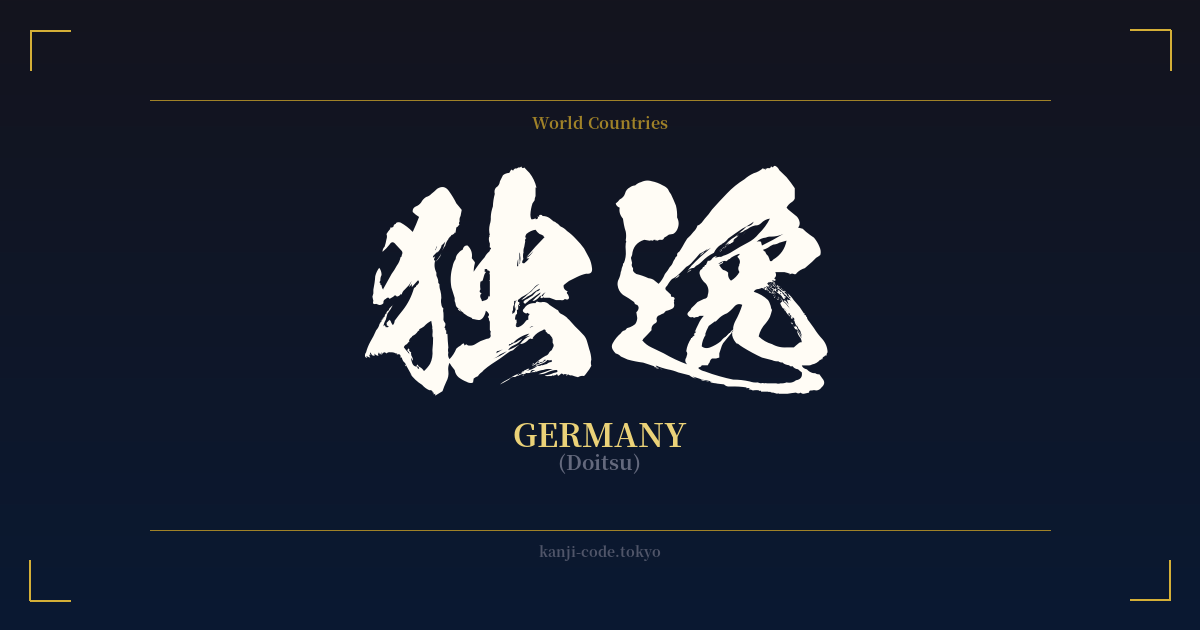
✍️ 独逸 (Doitsu) — Contexto cultural
La palabra 独逸 (Doitsu) es una ventana fascinante a un período específico de la historia japonesa. Es un ejemplo de 'ateji' (当て字), donde los caracteres kanji se utilizan para representar fonéticamente una palabra extranjera, sin tener en cuenta su significado original.
En este caso, se creó 独逸 para aproximar el sonido de la palabra alemana 'Deutsch'. El carácter 独 se eligió para el sonido 'Do' y 逸 para el sonido 'itsu', formando juntos 'Doitsu'. Este método de transcripción era común durante la Restauración Meiji (1868-1912), una época en la que Japón se abría rápidamente a Occidente y necesitaba formas de escribir nuevos nombres, conceptos y tecnologías extranjeras.
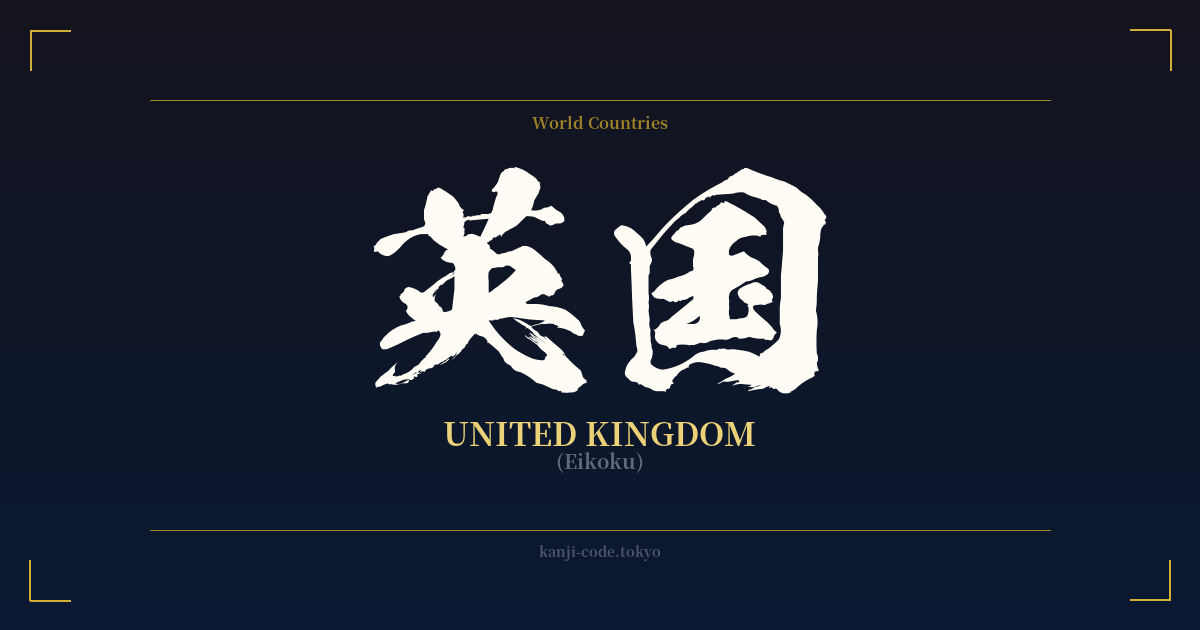
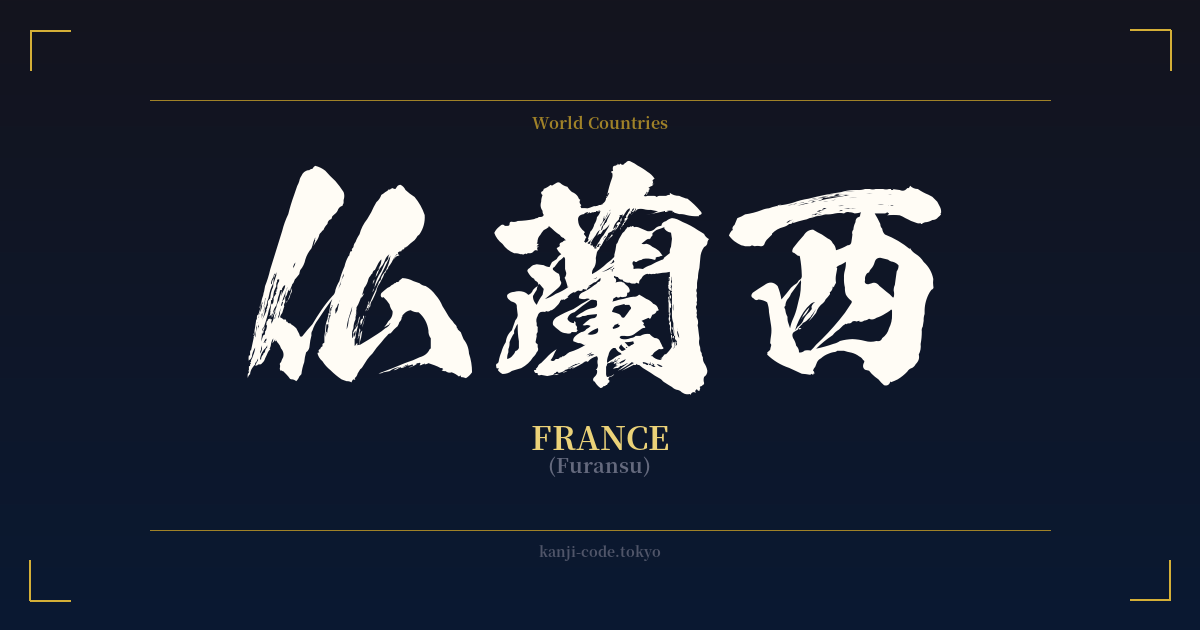
Muchos nombres de países recibieron grafías ateji durante esta época. Por ejemplo, Estados Unidos se convirtió en 米国 (Beikoku), Francia en 仏蘭西 (Furansu) y Reino Unido en 英国 (Eikoku). Estos nombres se formaron seleccionando kanji que coincidían con los sonidos de las palabras extranjeras, a menudo utilizando el primer carácter como abreviatura formal (por ejemplo, 米 para América, 独 para Alemania).
Con el tiempo, sin embargo, Japón desarrolló y estandarizó el alfabeto katakana específicamente para los préstamos lingüísticos extranjeros. El katakana ofrece una forma mucho más flexible y directa de representar sonidos extranjeros sin la complejidad de los significados de los kanji. En consecuencia, escribir 'Alemania' como ドイツ (Doitsu) en katakana se convirtió en la norma en periódicos, televisión y en la conversación cotidiana.
Hoy en día, el uso de 独逸 se limita principalmente a documentos históricos, tratados formales y contextos académicos. Podría encontrarse en el nombre oficial de un pacto histórico, como el 日独伊三国同盟 (Nichidokui Sangoku Dōmei), el Pacto Tripartito entre Japón, Alemania e Italia. Para el japonés promedio, ver 独逸 en un contexto informal resultaría anticuado y excesivamente formal, similar a usar una ortografía arcaica en inglés.
Por lo tanto, si bien 独逸 tiene importancia histórica y es fonéticamente ingenioso, no posee el peso cultural ni el significado simbólico de otros compuestos kanji. Su significado es puramente denotativo: simplemente significa "Alemania".
🖌️ Estilos de fuente para 独逸
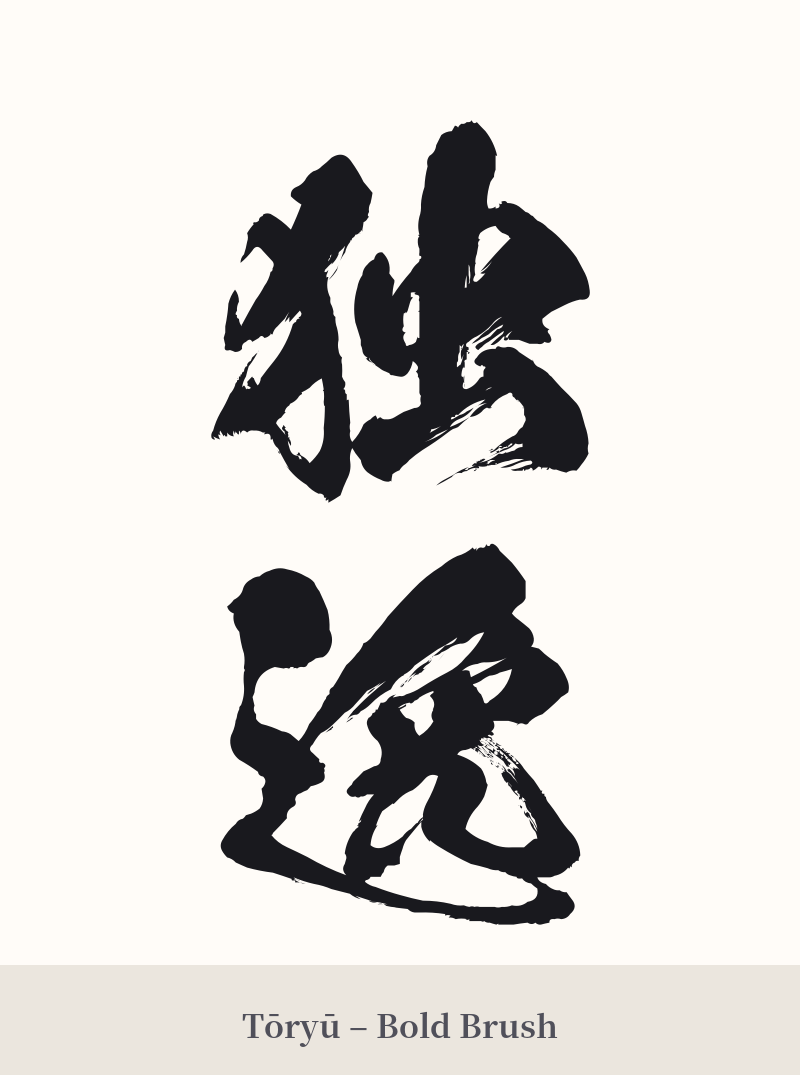
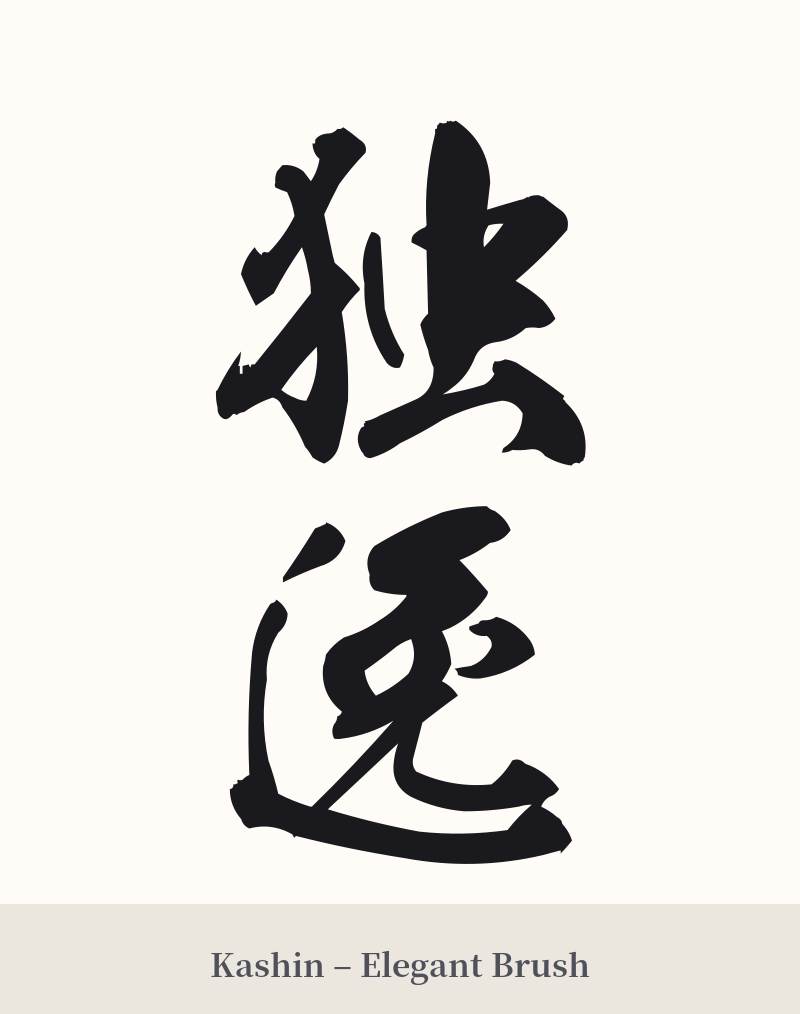
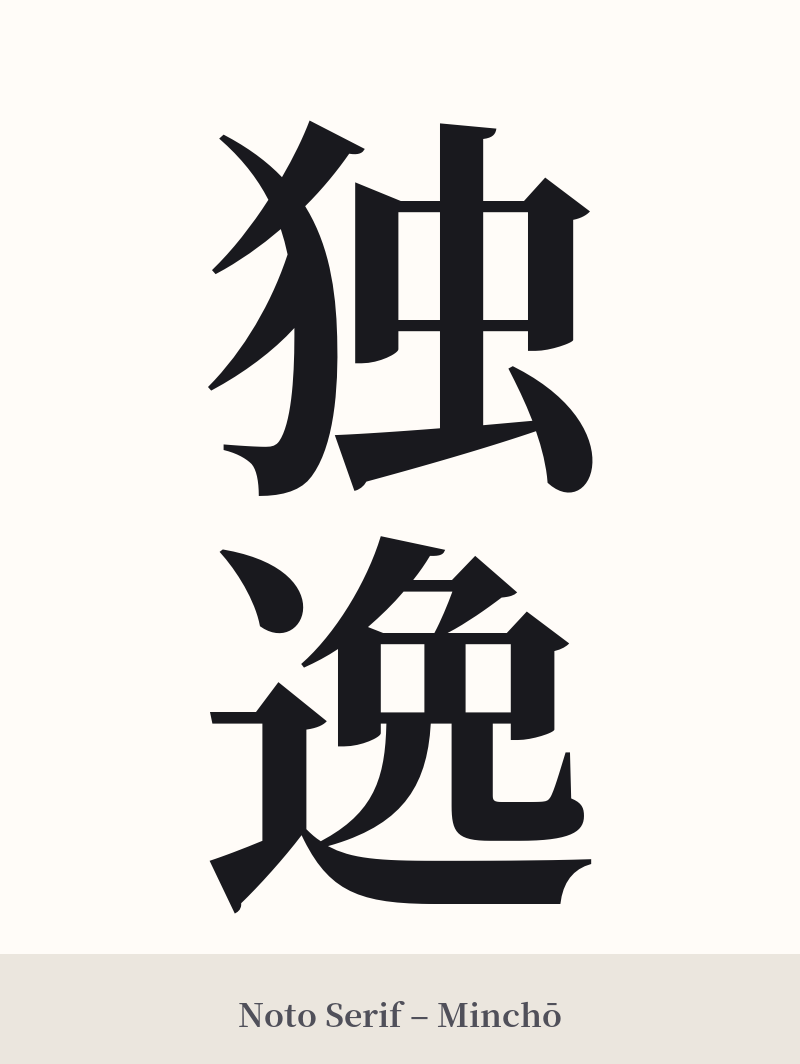
Los mismos caracteres kanji pueden verse muy diferentes según el estilo de caligrafía. Elige una fuente que se ajuste al ambiente que deseas para tu tatuaje o diseño.
🎨 Idoneidad para tatuajes
📐 Guía de diseño de tatuajes
Si decides tatuarte el símbolo del Sol (独逸), comprender su naturaleza histórica y formal es clave para un diseño exitoso.
– Ubicación: La alineación vertical es la orientación más tradicional y visualmente atractiva para esta palabra de dos caracteres. Considere ubicaciones como la parte interna del antebrazo, la pantorrilla o a lo largo de la columna vertebral para enfatizar su longitud.
– Estilo de fuente: Una fuente Mincho (con serifa) clásica y nítida complementaría su estilo formal. Para un toque más artístico y tradicional, una caligrafía semicursiva (Gyosho) o estándar (Kaisho) serían excelentes opciones. Evite las fuentes demasiado modernas o geométricas, ya que desentonarían con el aire arcaico de la palabra.
Consejos visuales: Dado que la palabra en sí no tiene un significado visual simbólico, la atención debe centrarse en la calidad estética de los caracteres. Asegúrese de que el artista preste atención al equilibrio y al orden de los trazos. Una ejecución sencilla y limpia, sin imágenes adicionales, suele ser la más efectiva para este tipo de kanji.
Comentarios