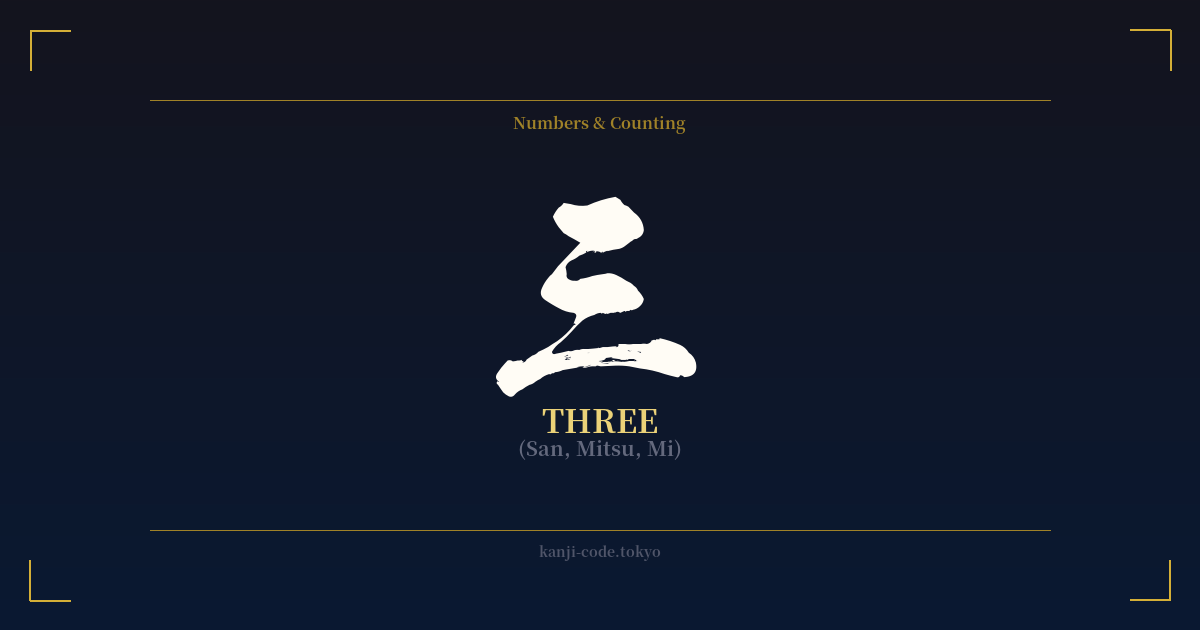
✍️ 三 (San, Mitsu, Mi) — Cultural Context
The kanji 三 (san) is one of the most fundamental characters in the Japanese language, yet its simplicity hides a wealth of cultural and philosophical significance. Like its counterparts 一 (one) and 二 (two), its form is a direct pictograph: three horizontal lines representing the quantity three. This straightforward origin belies the number's deep resonance in Japanese thought, where it often signifies balance, stability, and creation.
In many philosophical and spiritual traditions, the number three represents a complete cycle or a stable structure. Think of a tripod, the most stable of simple forms. This concept is reflected in the idea that three can represent the connection between heaven, earth, and humanity. This triadic thinking permeates Japanese culture, elevating the number far beyond simple counting.
A prime example is the 三種の神器 (Sanshu no Jingi), the Three Sacred Treasures of Japan. These items—the sword (Kusanagi no Tsurugi), the mirror (Yata no Kagami), and the jewel (Yasakani no Magatama)—are central to Japanese mythology and the legitimacy of the Emperor. They symbolize valor, wisdom, and benevolence, respectively, forming a foundational triad of virtues.
This pattern continues in art and aesthetics. The concept of 松竹梅 (Shōchikubai), or the Three Friends of Winter, pairs pine, bamboo, and plum blossom. These three plants are admired for their ability to thrive in cold weather, collectively symbolizing perseverance, resilience, and hope. They are a common motif in art, design, and even menu grading at restaurants.
The number three is also embedded in Japanese proverbs and sayings that shape the cultural mindset. The famous proverb 石の上にも三年 (Ishi no ue ni mo sannen), which translates to "three years on a stone," is a powerful expression of the virtue of patience and perseverance. It teaches that even a cold stone will warm up if you sit on it for three years, meaning that persistent effort will eventually lead to success.
In Buddhism, which has profoundly influenced Japanese culture, the Three Jewels (Sanbō) are the Buddha, the Dharma (the teachings), and the Sangha (the community). Taking refuge in these three pillars is a central practice for Buddhists. From ancient imperial regalia to timeless proverbs and spiritual tenets, the number three is woven into the very fabric of Japan's identity, representing a sense of completeness, stability, and enduring wisdom.
🖌️ Font Styles for 三
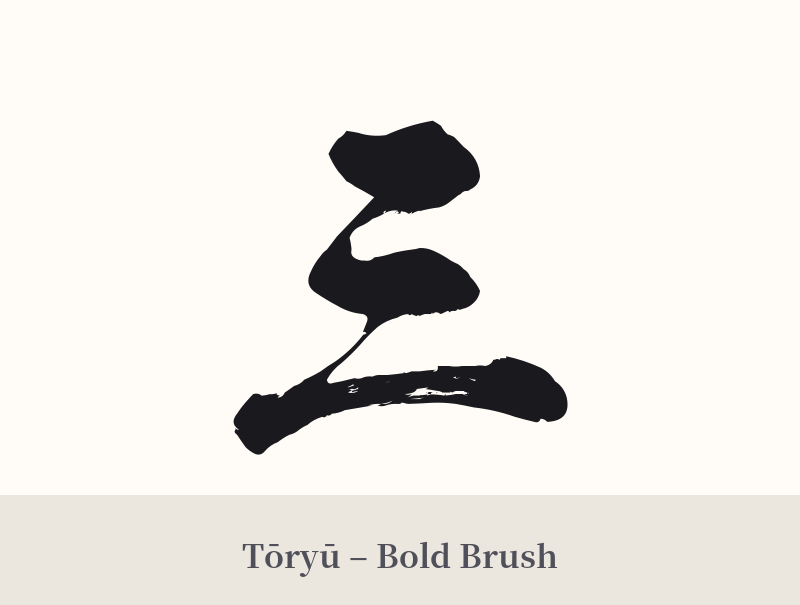
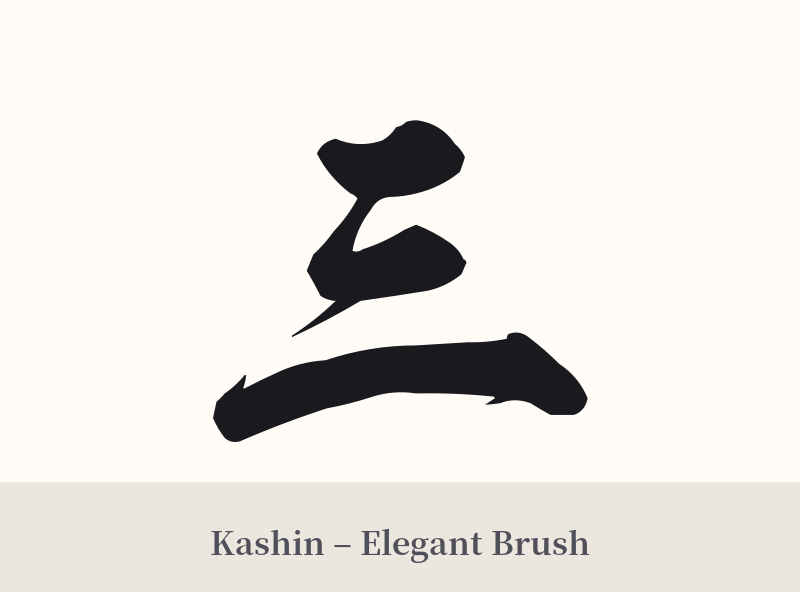
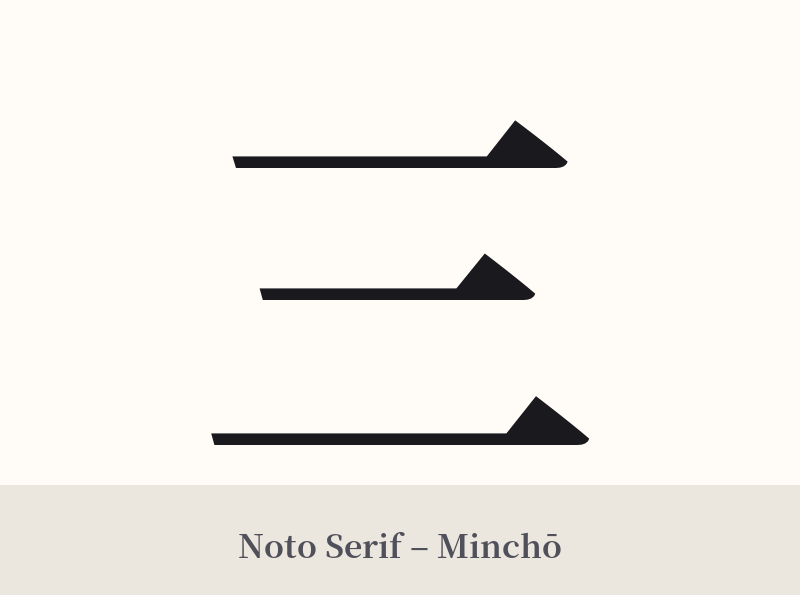
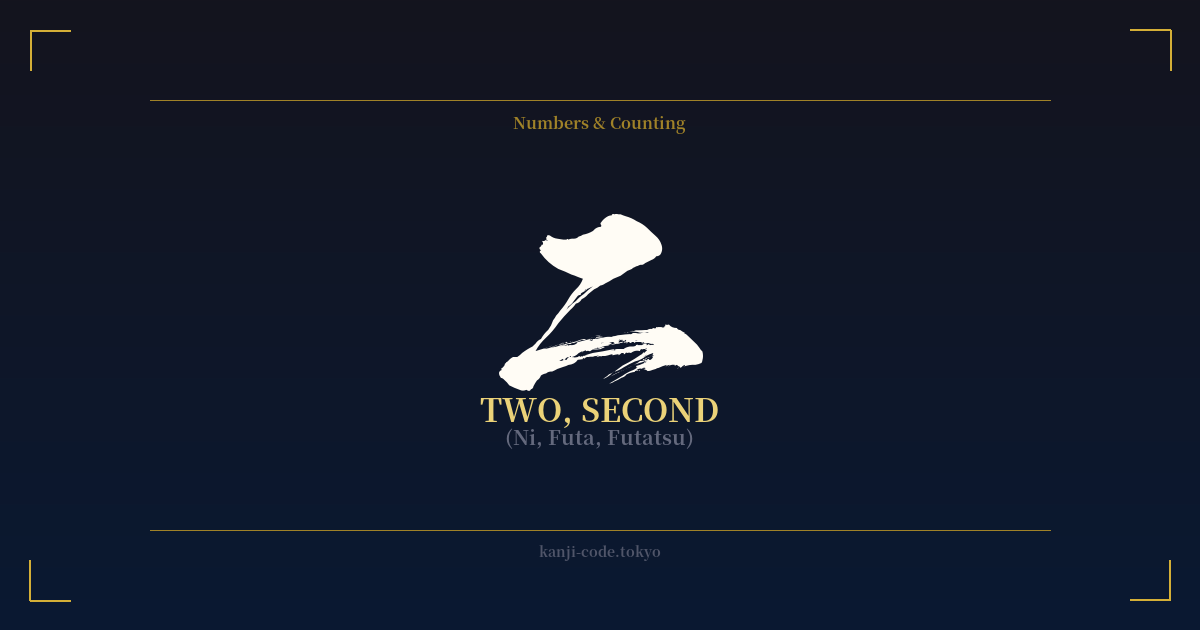
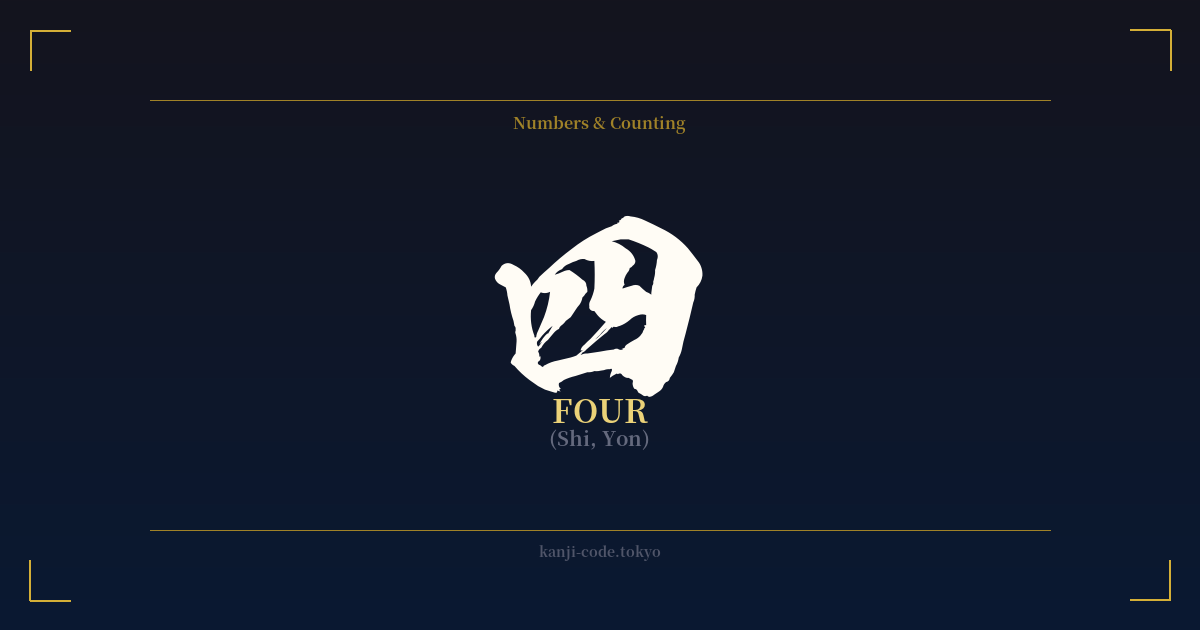
The same kanji can look dramatically different depending on the calligraphy style. Choose a font that matches the mood you want for your tattoo or design.
🎨 Tattoo Suitability
📐 Tattoo Design Guide
The kanji 三 is a masterpiece of minimalist design, offering surprising versatility for a tattoo.
– Placement: Its simple, horizontal nature makes it ideal for a variety of placements. Small versions look sharp on the wrist, behind the ear, or on an ankle. For a larger statement, it can be inked vertically down the spine or horizontally across the forearm or chest.
– Style: A bold, blocky Mincho or Gothic font gives it a modern, architectural feel. For a more organic and artistic look, a calligraphy style like Gyōsho (semi-cursive) or Sōsho (cursive) is perfect. The brushstrokes can convey a sense of energy and movement, even with just three lines.
– Visual Tips: Experiment with the lengths and spacing of the three lines. Traditionally, the middle line is slightly shorter. You could have a tattoo artist design it with a 'wet' brush effect, where the ink appears to drip slightly, or with fading ends to suggest it's part of a larger, unseen whole. It can also be integrated into a larger piece, perhaps as part of a significant date or as a symbolic element within a nature scene.
Comments