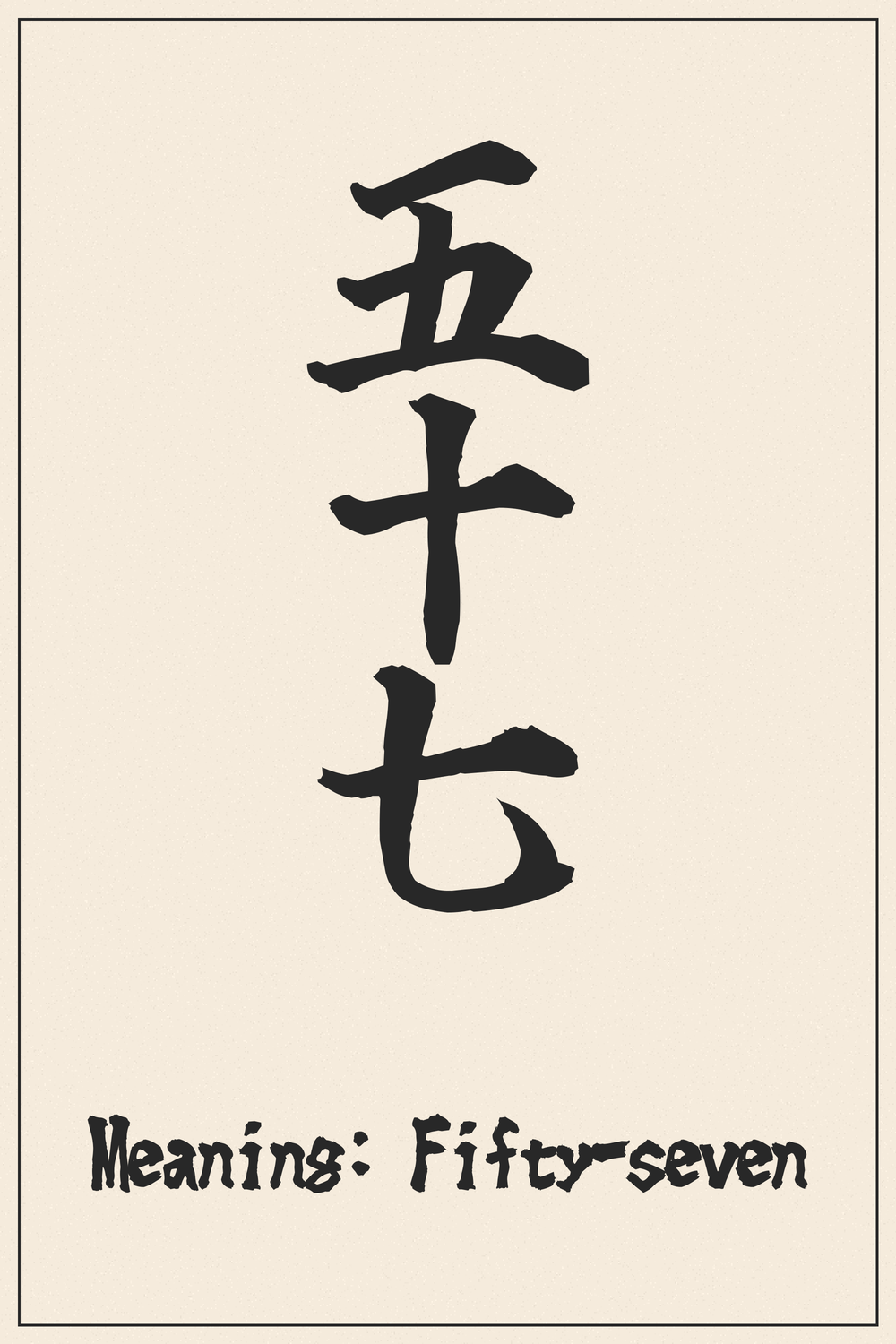
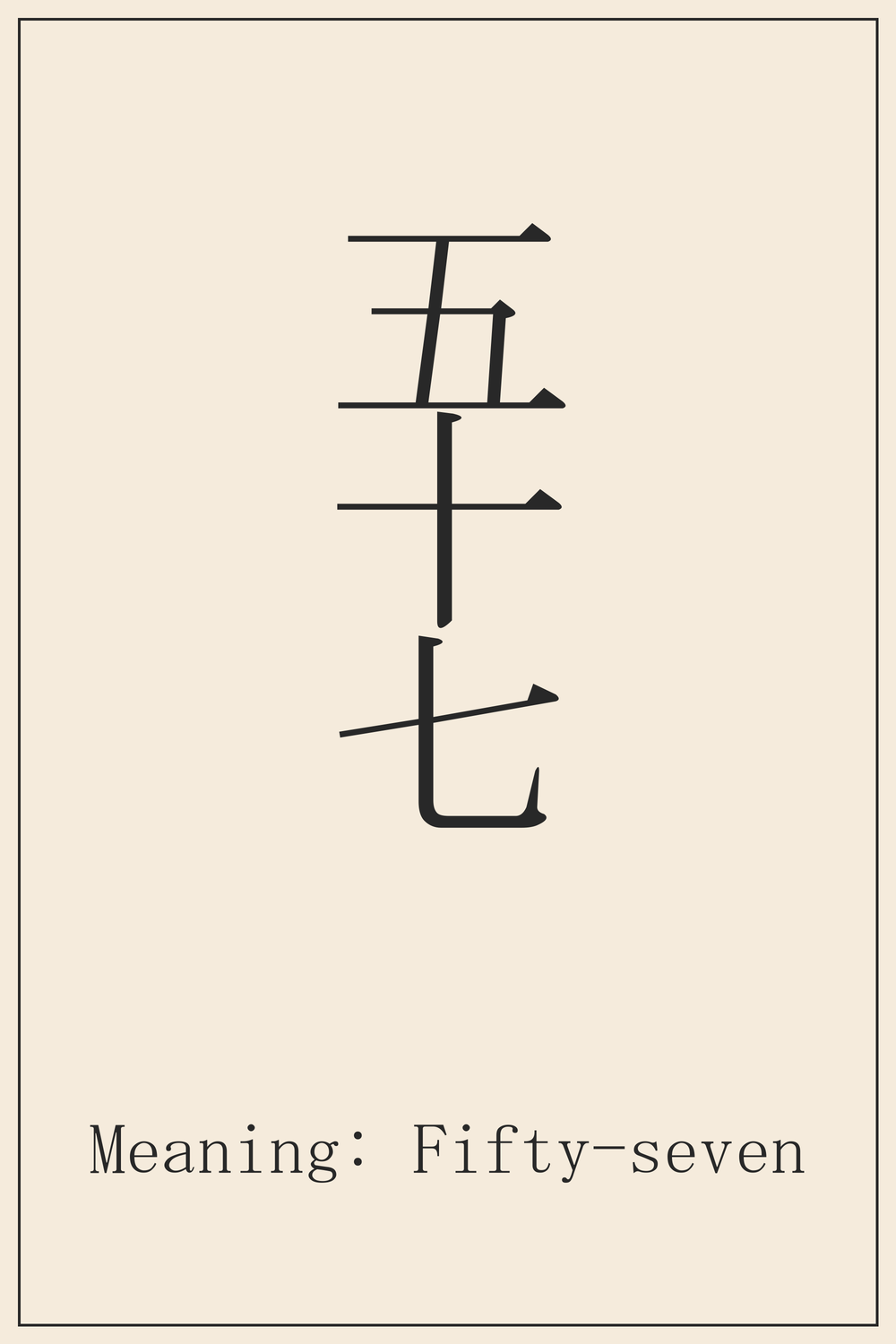
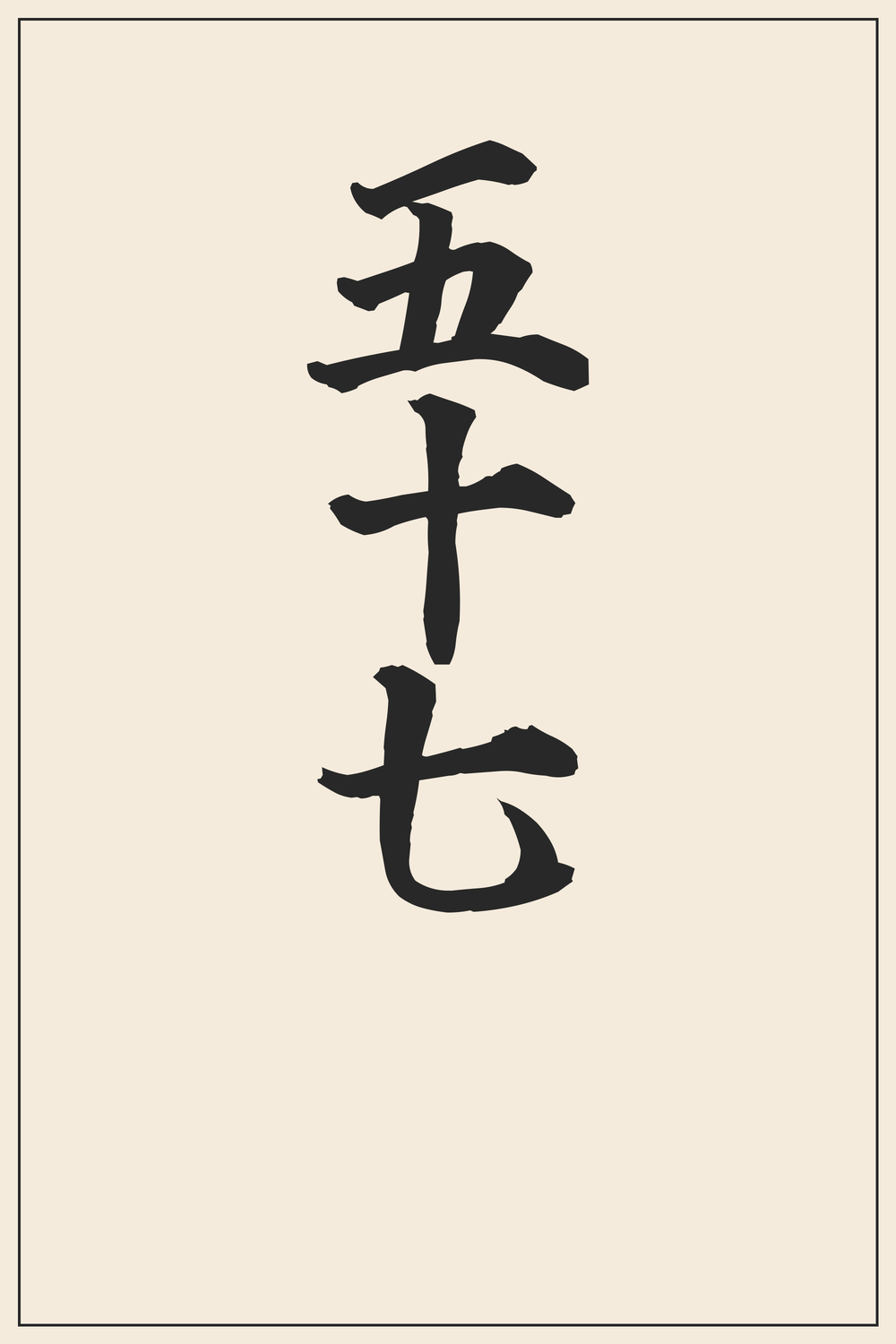
Numbers in Kanji carry a unique blend of ancient symbolism and modern utility. While seemingly straightforward, concepts like ‘Fifty-seven’ can represent significant milestones or personal anchors within the tapestry of life.
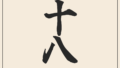
The atmosphere of a Kanji character changes dramatically depending on the font style. A character that looks elegant in a brush style might look bold and modern in a different font.
Recommendation:
Since a tattoo is permanent, we strongly recommend comparing various font styles beyond what is shown here. Use our designs as a trusted reference for the correct structure, but feel free to explore different artistic variations to find the perfect match for your vision.
The Deep Meaning Behind 五十七
The composition of ‘五十七’ is purely arithmetic, combining ‘五’ (go, five), ‘十’ (jū, ten), and ‘七’ (shichi, seven) to form ‘fifty-seven’. Each character stems from ancient pictographic or ideographic origins, representing fundamental numerical concepts.
While ‘fifty-seven’ doesn’t hold specific profound cultural or philosophical significance in the way some single Kanji do, numbers are universally understood. In Japanese culture, certain numbers can be considered lucky or unlucky based on phonetic resemblance, but ‘fifty-seven’ generally carries no such strong connotations, making its meaning largely personal.
Kanji Breakdown
The Kanji compound ‘五十七’ is formed by three fundamental numerical characters, each with its own simple and direct meaning.
Five: The Kanji for ‘five’ (五, go) is thought to have originated from a representation of crossing lines, indicating a central point or a union of forces.
Ten: The character ‘ten’ (十, jū) is a simple cross, widely believed to represent a bundle of ten sticks tied together, or perhaps a universal symbol for completion or entirety.
Seven: The Kanji for ‘seven’ (七, shichi) is ancient and its exact origin is debated, but it fundamentally denotes the numerical value, often associated with mystery or completion in various cultures.
Conclusion
In essence, ‘五十七’ is a clear and direct numerical expression, free from complex layers of metaphorical meaning. Its strength lies in its unambiguous representation of the quantity fifty-seven.
For those seeking to commemorate a specific age, date, or a count of significant events, ‘五十七’ offers a precise and elegant Kanji option. It stands as a personal marker, a quiet testament to a particular moment or duration in one’s journey.
Comments