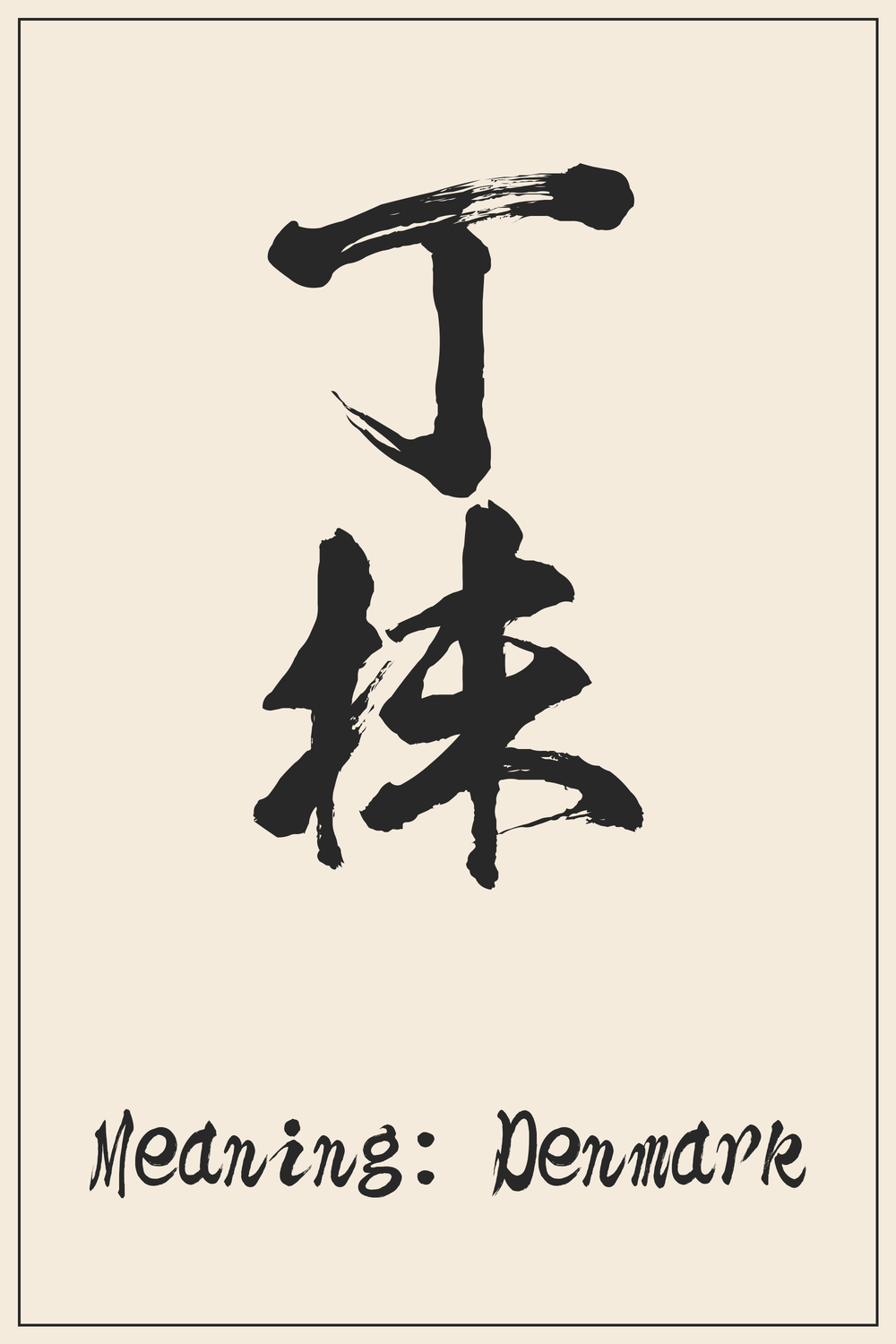
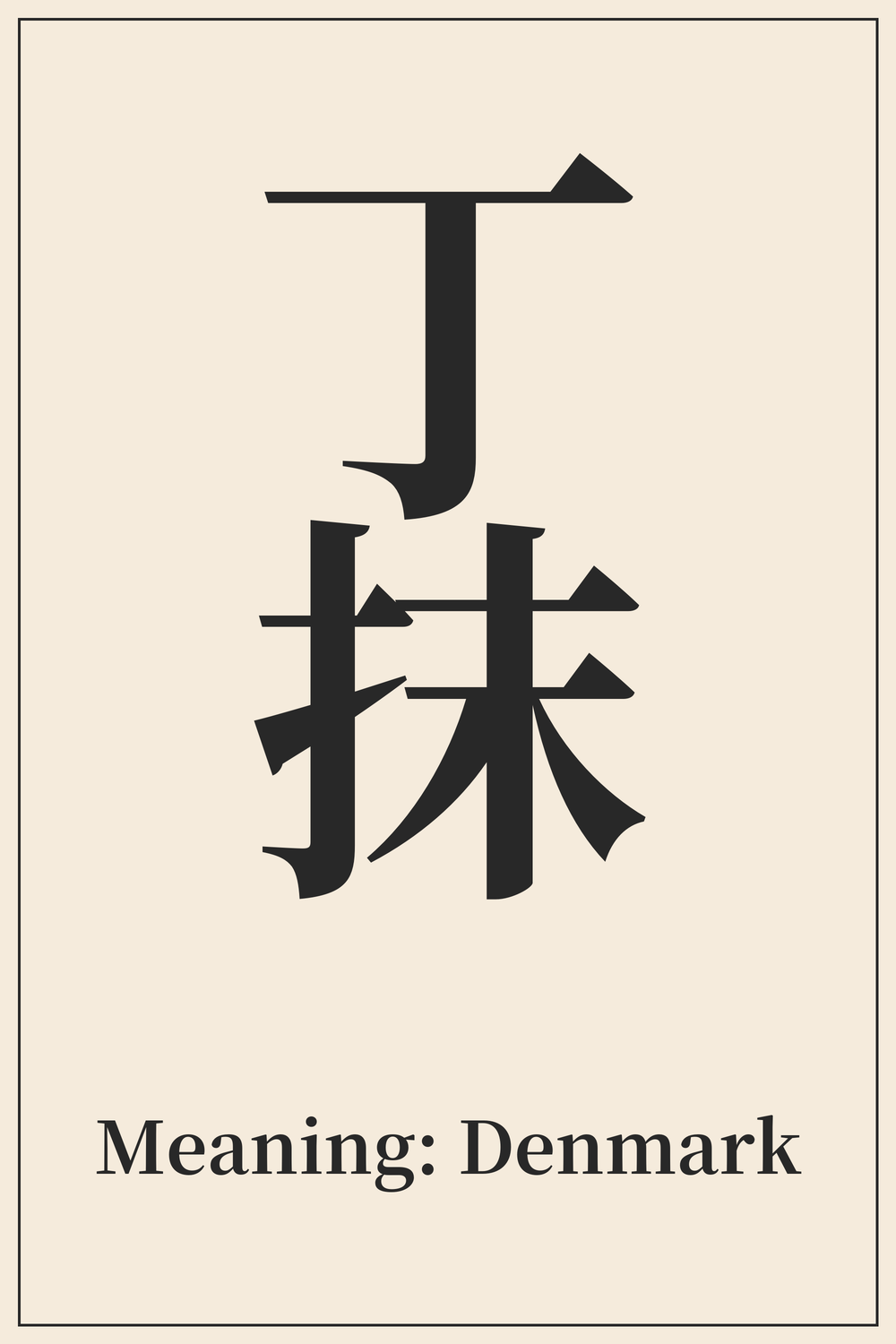
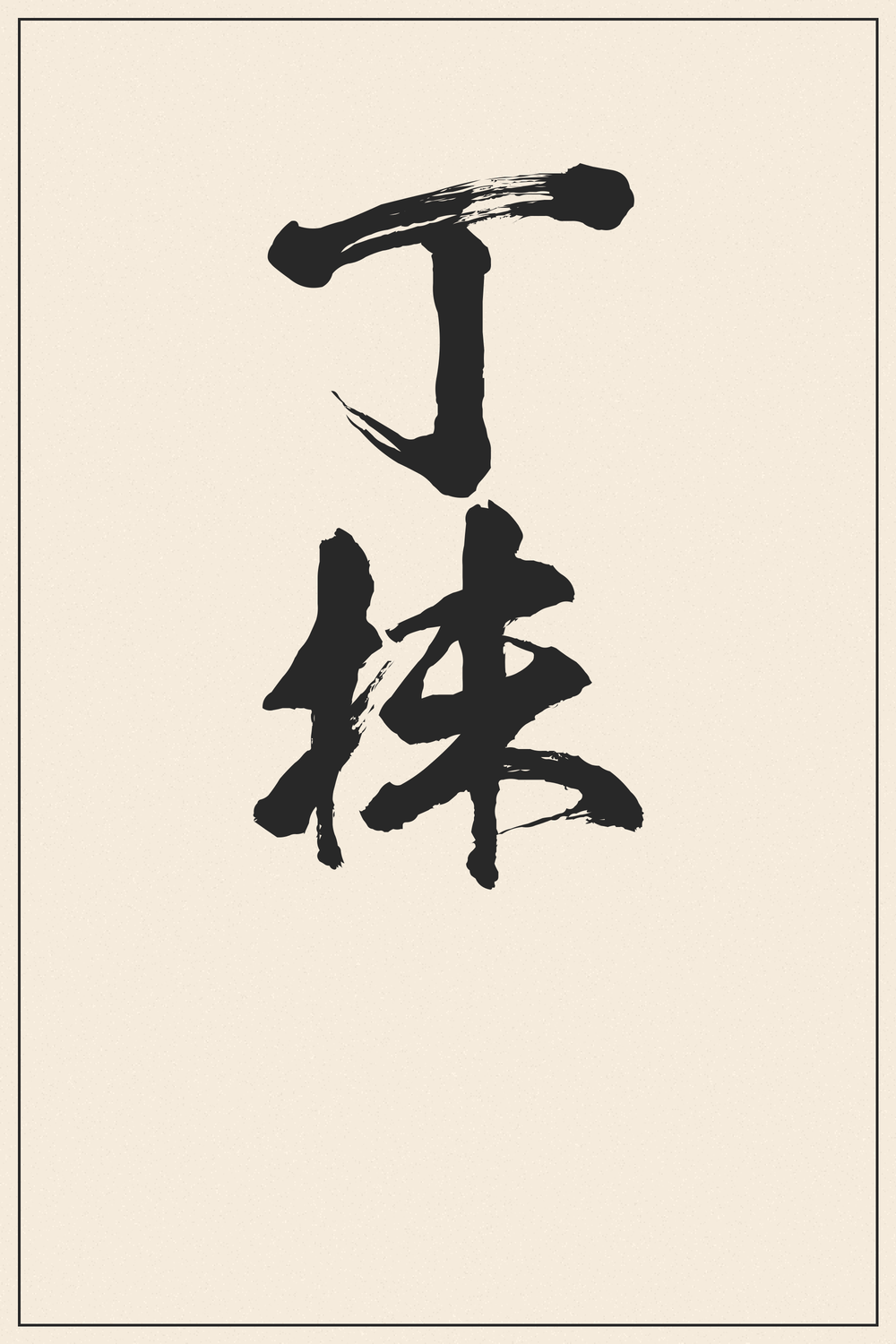
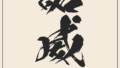
Discover ‘丁抹’, the fascinating Kanji representation for Denmark. This unique pairing showcases the phonetic ingenuity of Japanese, where characters are chosen purely for their sound to denote foreign names.
The atmosphere of a Kanji character changes dramatically depending on the font style. A character that looks elegant in a brush style might look bold and modern in a different font.
Recommendation: Since a tattoo is permanent, we strongly recommend comparing various font styles beyond what is shown here. Use our designs as a trusted reference for the correct structure, but feel free to explore different artistic variations to find the perfect match for your vision.
The Deep Meaning Behind 丁抹
The Kanji combination 丁抹 (Denmaaku) is a classic example of ‘Ateji’ (当て字), where characters are selected primarily for their phonetic values rather than their literal meanings. In this case, 丁 (den) and 抹 (maa) are used to approximate the sounds of ‘Denmark’, making it recognizable to Japanese speakers without implying any inherent ‘meaning’ related to the country’s characteristics.
Ateji plays a significant role in Japanese linguistics, allowing for the integration of foreign words and names into the Kanji system. While each character, 丁 and 抹, possesses its own distinct dictionary meaning, their combination for ‘Denmark’ is purely a phonetic transcription. This practice reflects the Japanese language’s adaptability and its historical methods of incorporating foreign concepts.
Kanji Breakdown
While ‘丁抹’ functions as a phonetic representation, understanding the individual Kanji provides insight into the characters used in this Ateji.
Block, street, ward; fourth; even number; nail: The Kanji 丁 (tei, chou, hin, chō, chin) has diverse meanings including ‘street block’, ‘a unit of measure or quantity’, ‘even number’, or ‘fourth of the ten heavenly stems’. In ‘丁抹’, it’s specifically chosen for its ‘den’ sound, demonstrating its flexible use in phonetic transcription.
Rub, wipe, erase; powder: The Kanji 抹 (matsu, batsu) means ‘to rub’, ‘to wipe’, ‘to erase’, or ‘powder’. In ‘丁抹’, it is utilized for its ‘ma’ sound, contributing to the phonetic rendering of ‘Denmark’ rather than conveying its original dictionary meaning.
Conclusion
In summary, ‘丁抹’ is a prime example of Ateji, representing the country Denmark through phonetic transcription. It is not meant to be interpreted by the literal meanings of its individual characters, but rather appreciated as a unique linguistic bridge for foreign names.
When considering ‘丁抹’ for a tattoo or artistic representation, it is crucial to recognize its primary function as a phonetic rendering of ‘Denmark’. While its individual characters have meanings, the compound ‘丁抹’ symbolizes the country purely by sound. For those with a strong connection to Denmark or an appreciation for linguistic ingenuity, it serves as a unique and culturally rich choice.
Comments