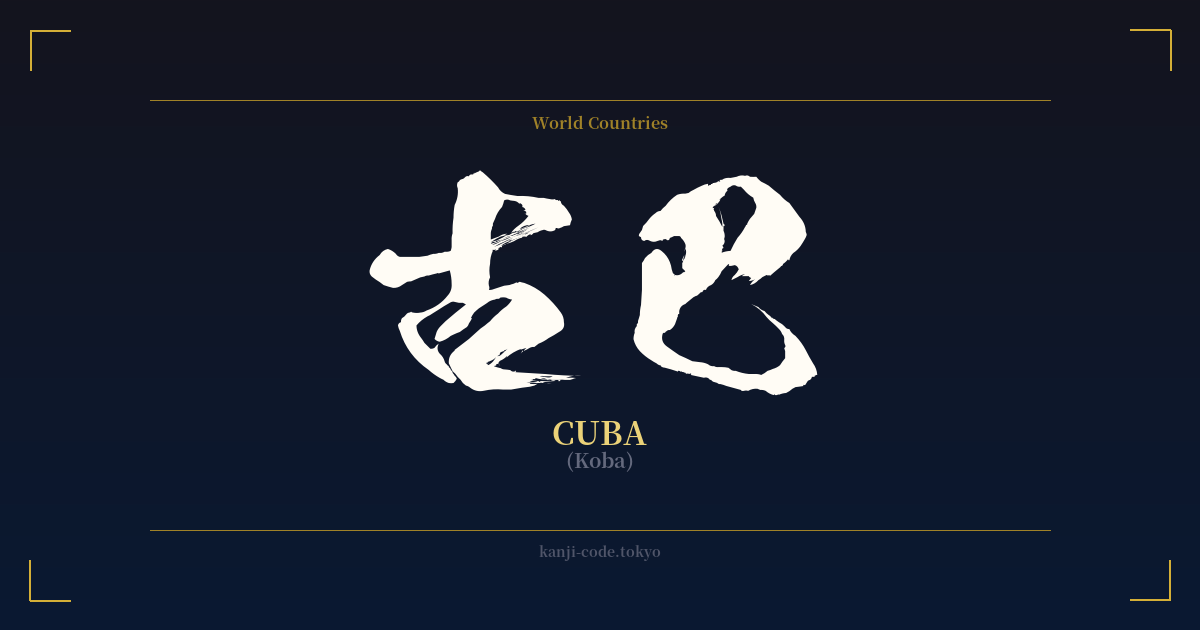
✍️ 古巴 (Koba) — Cultural Context
The Japanese word 古巴 (Koba) is a fascinating example of a practice known as 'ateji' (当て字), where kanji characters are used to represent foreign words based on their phonetic sounds, rather than their meanings.
In this case, 古 (ko) and 巴 (ba) were chosen to phonetically approximate the name 'Cuba'. This method was common during the Meiji era (1868-1912) when Japan was rapidly importing foreign concepts and names. Countries like America became 米国 (Beikoku) and England became 英国 (Eikoku), with some of these ateji names sticking around in formal or literary contexts.
However, for most countries, this practice has been completely superseded by the use of Katakana, the script specifically designed for foreign words. Today, the nation of Cuba is universally written and recognized in Japan as キューバ (Kyūba). The kanji form 古巴 is considered archaic and is almost never seen in modern print, media, or conversation. Its appearance is largely confined to historical documents or dictionary entries noting its past usage.
It is crucial to understand that the literal meanings of the characters—古 meaning 'old' and 巴 representing a 'tomoe' or comma-like swirl—are entirely irrelevant to the country of Cuba. They are merely phonetic placeholders. This is a common point of misunderstanding for those seeking a Japanese word for a tattoo; the meaning is not a poetic representation of the nation but a simple sound-based transcription.
The character 巴 (tomo) itself has deep cultural roots in Japan, representing a traditional comma or swirl pattern. This 'tomoe' symbol is frequently seen on taiko drums, as a crest for samurai families, and in the iconography of Shinto shrines. While this adds an interesting layer to the character itself, this rich history has absolutely no connection to its use in the word 古巴.
🖌️ Font Styles for 古巴
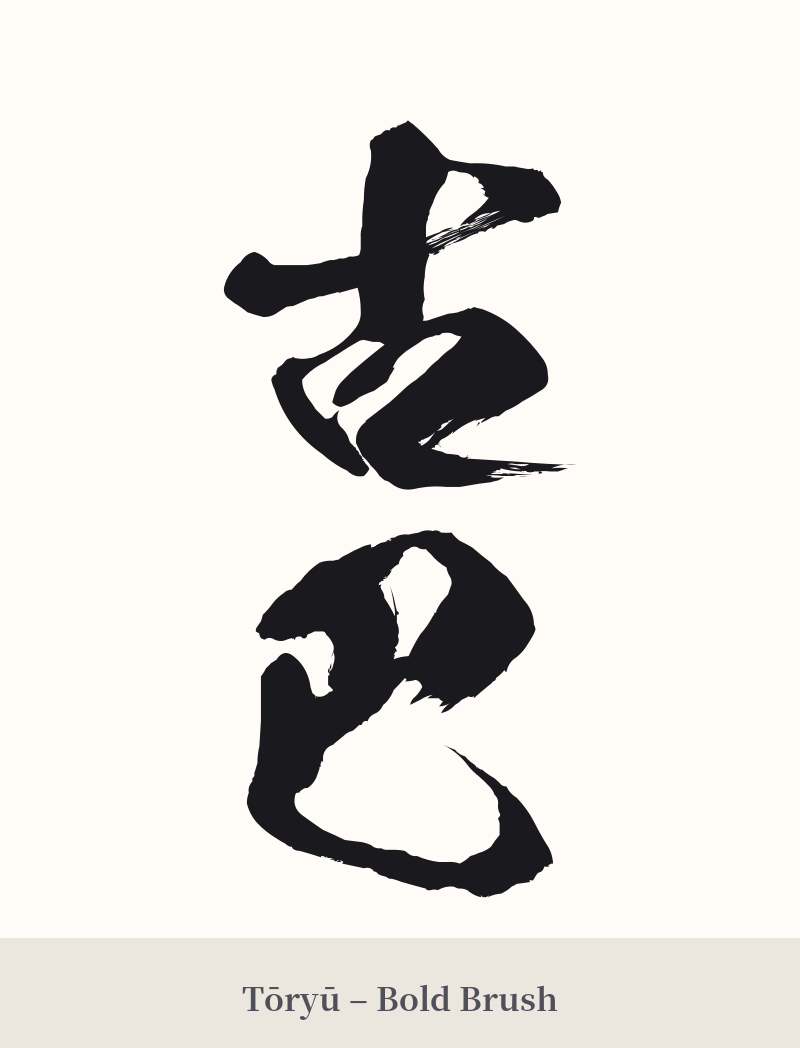
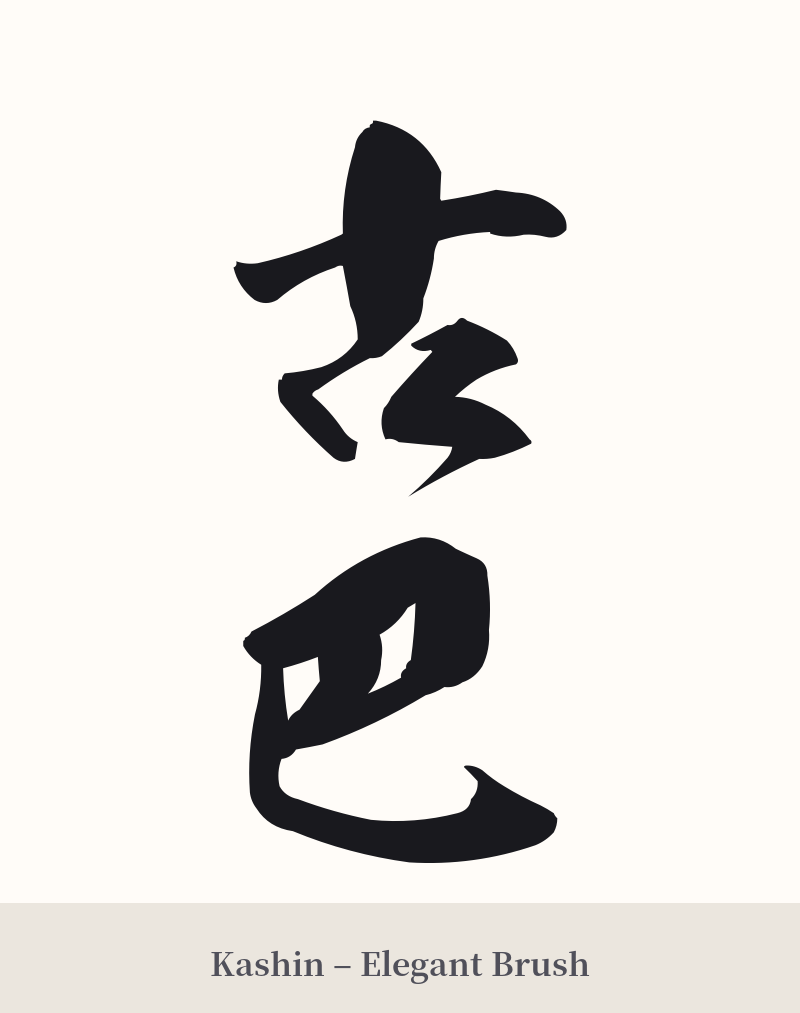
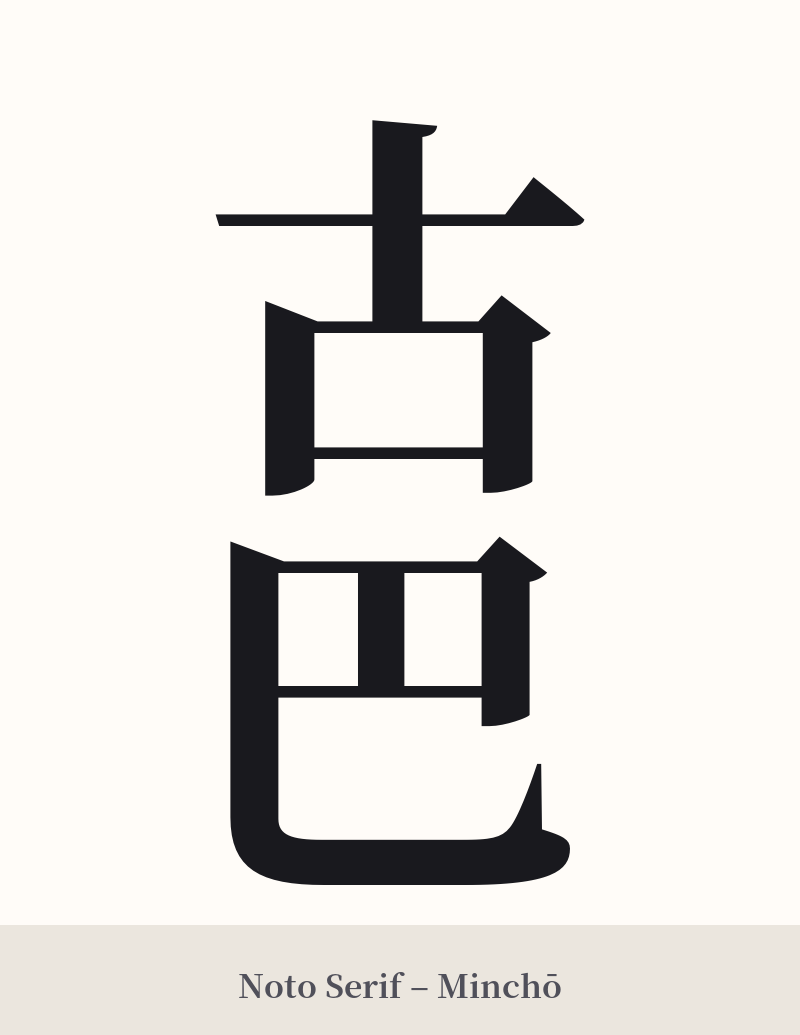
The same kanji can look dramatically different depending on the calligraphy style. Choose a font that matches the mood you want for your tattoo or design.
🎨 Tattoo Suitability
📐 Tattoo Design Guide
While getting 古巴 tattooed is not highly recommended due to its lack of meaningful connection to Cuba and its archaic nature, if you are set on this specific design, here are some considerations.
– Placement: A horizontal placement on the forearm, bicep, or across the shoulder blades would be standard for a two-character compound.
– Font Style: Because the characters are visually simple (5 and 4 strokes), a weak or overly cursive font could make them look insubstantial. Opt for a bold, clear style like a blocky Kaisho (block script) or a strong Mincho style to give them more presence.
– Contextual Elements: Since the kanji themselves do not evoke 'Cuba', consider incorporating other imagery to provide context. This could be a subtle integration of the colors of the Cuban flag, a silhouette of a classic car, or a stylized cigar. This helps bridge the gap between the Japanese characters and the intended subject.
Comments