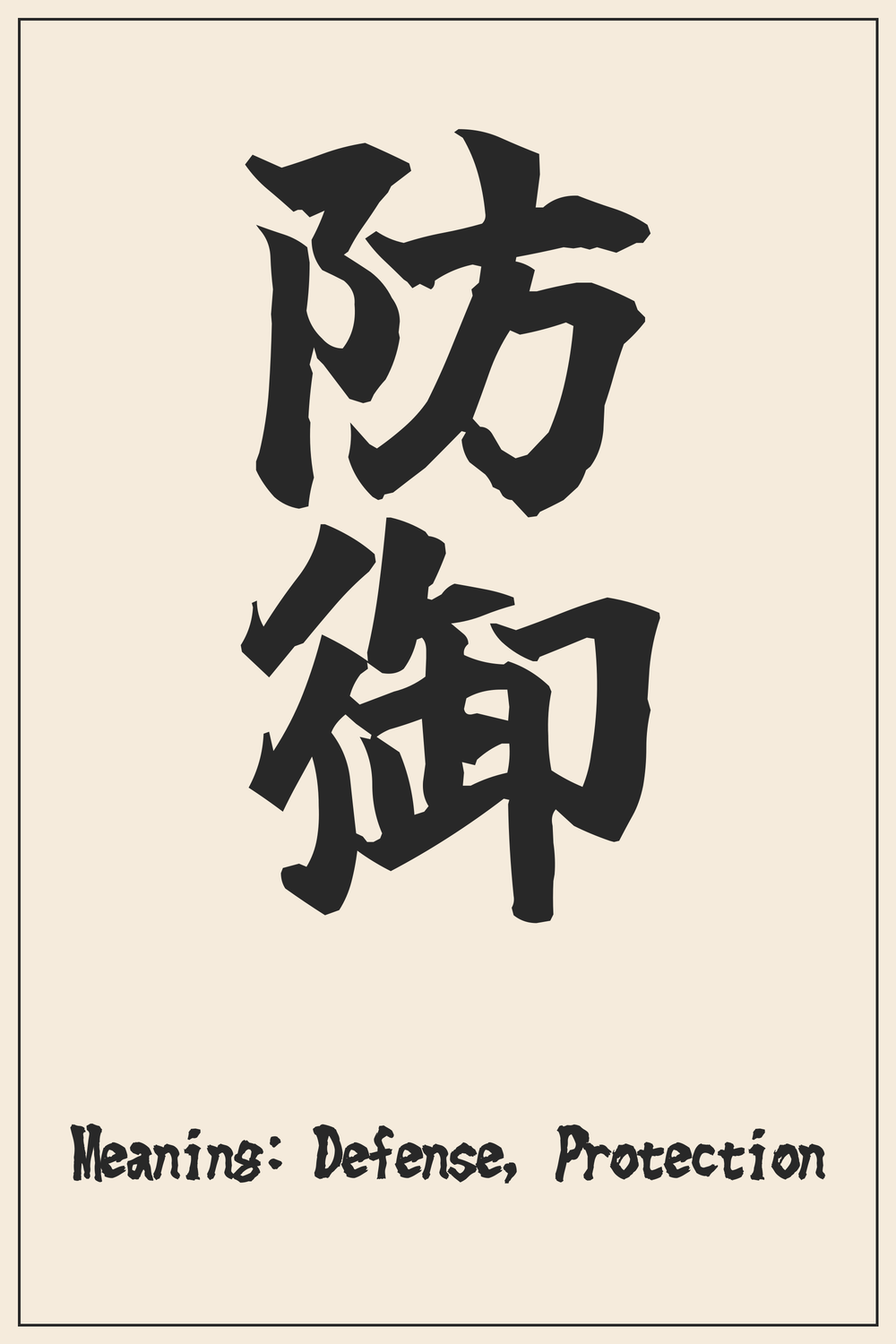
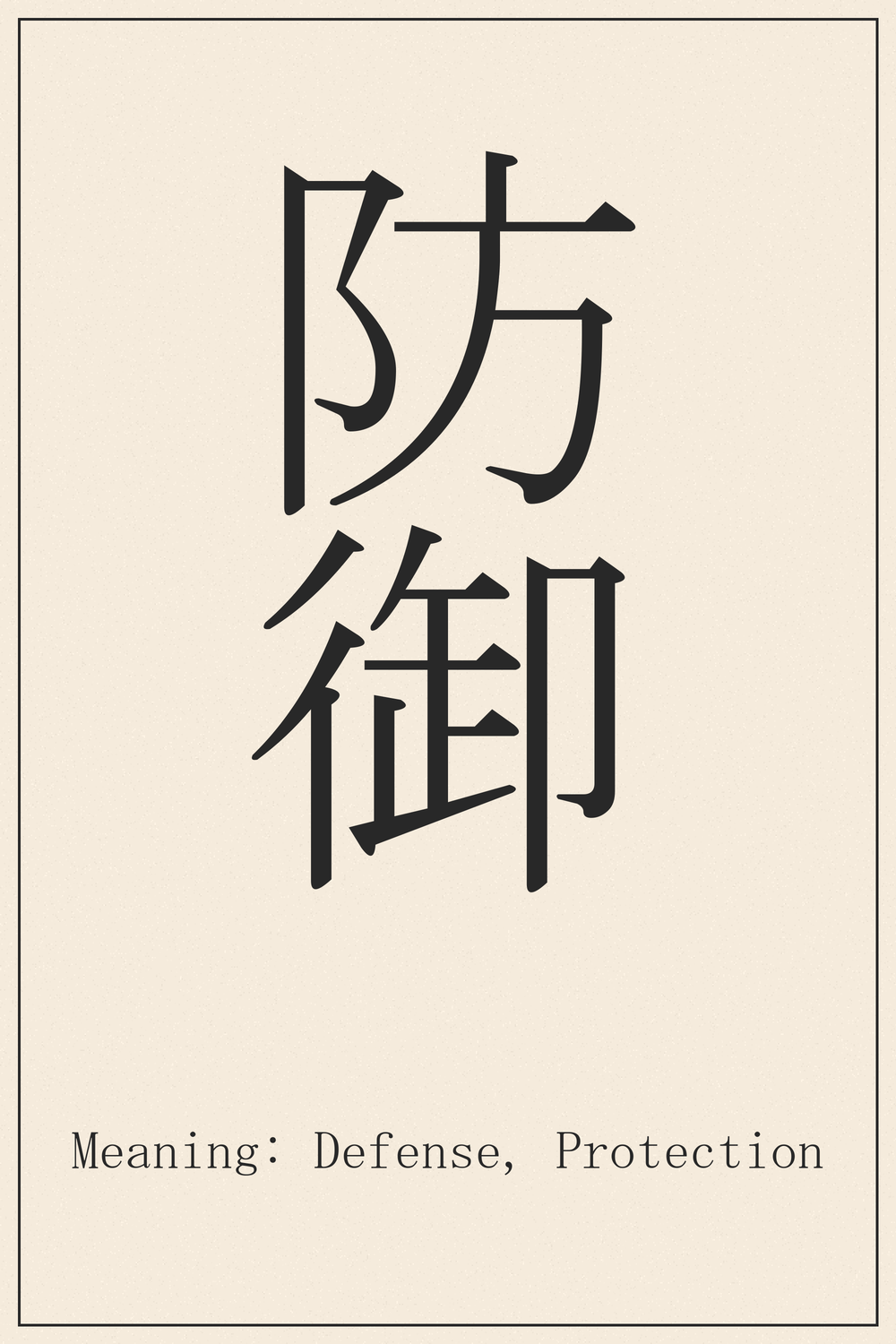
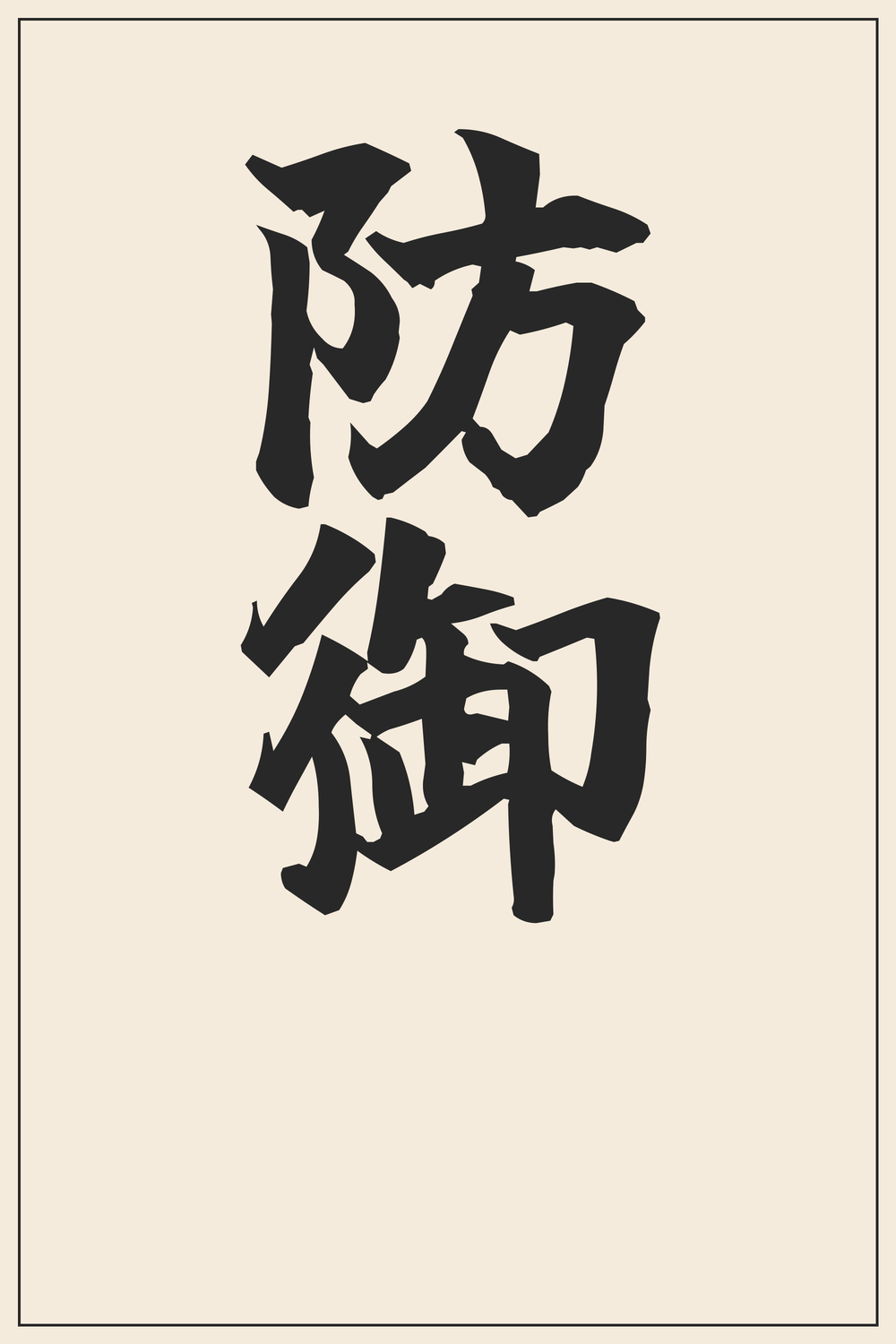
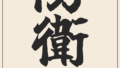
The Kanji compound 防御 (Bōgyo) embodies the profound concept of defense and protection. It represents a steadfast resolve to guard against harm and uphold one’s safety or principles.
The atmosphere of a Kanji character changes dramatically depending on the font style. A character that looks elegant in a brush style might look bold and modern in a different font.
Recommendation:
Since a tattoo is permanent, we strongly recommend comparing various font styles beyond what is shown here. Use our designs as a trusted reference for the correct structure, but feel free to explore different artistic variations to find the perfect match for your vision.
The Deep Meaning Behind 防御
The compound 防御 (Bōgyo) eloquently combines two characters to form the comprehensive idea of defense. The first character, 防 (bō), signifies to defend, prevent, or ward off. Its structure suggests guarding a perimeter or boundary, preventing ingress.
The second character, 御 (gyo), carries meanings of controlling, governing, or even driving. In this context, it implies actively managing or effecting the defense. Together, they articulate an active and strategic posture of protection, crucial in both physical and ideological realms within Japanese culture, from martial arts to personal philosophy.
Kanji Breakdown
The compound 防御 consists of two Kanji, each contributing to its profound meaning.
Meaning: To defend, prevent, ward off.
Explanation: This character combines the radical 阝, historically representing a mound or barrier, and 方, which acts as a phonetic component while also alluding to a boundary or direction. Together, they denote the act of guarding a frontier or preventing something from passing.
Meaning: To control, govern, protect, drive.
Explanation: 御 features the radical 彳 , signifying movement or walking, combined with 卸. While 卸 means ‘to unload’ or ‘wholesale’, its phonetic value and the idea of managing goods or operations extend to controlling and handling, thus contributing to the sense of active defense or command.
Conclusion
防御 (Bōgyo) powerfully encapsulates the essence of defense and protection. It’s a symbol of strength, preparedness, and the unwavering will to safeguard oneself, one’s beliefs, or one’s loved ones.
Choosing 防御 for a tattoo is a statement of resilience and protection. Its clear, balanced strokes make for a visually impactful design that carries a deep, universally relevant message of vigilance and fortitude.
Comments