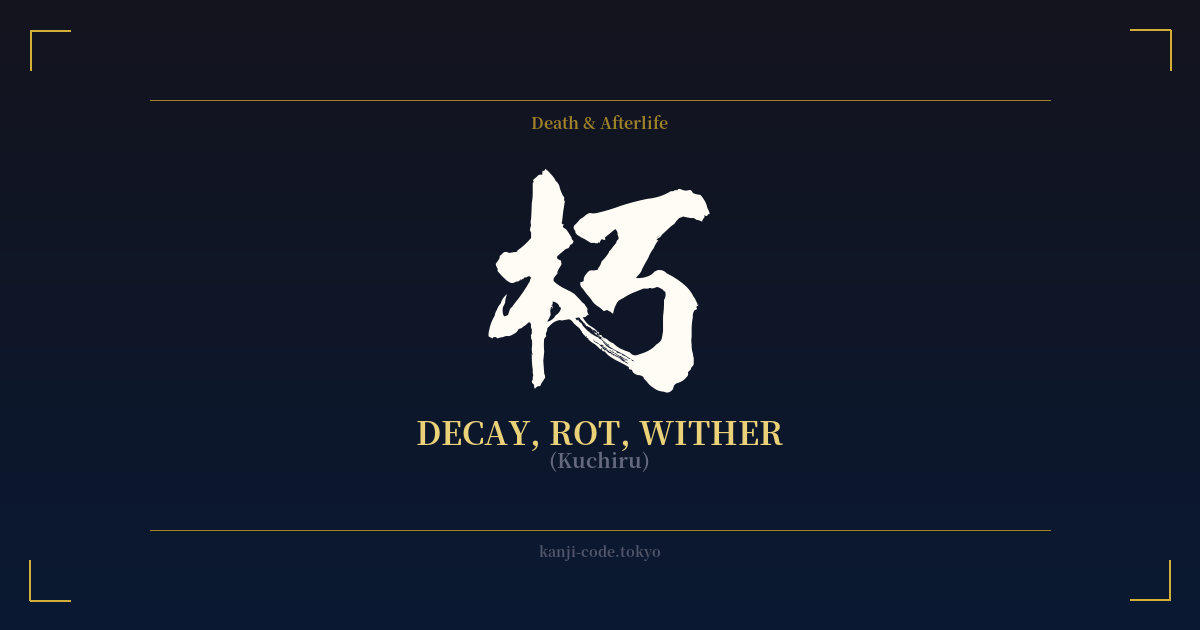
✍️ 朽 (Kuchiru) — Cultural Context
The kanji 朽, read as 'kuchiru,' holds a fascinating dual identity in Japanese culture. On the surface, its meaning is straightforward and somewhat grim: to rot, to decay, to wither away. Composed of the radicals for 'tree' (木) and a phonetic component, its origin paints a clear picture of wood turning to dust.
In everyday language, 朽 carries this negative connotation. It describes a bridge with rotting planks, an abandoned house with a decaying frame, or even an idea that has become outdated. The word 不朽 (fukyū), meaning 'immortal' or 'undying,' literally translates to 'not decaying,' highlighting that decay is the state to be avoided.
However, to stop there would be to miss its profound cultural significance. 朽 is a cornerstone of the Japanese aesthetic of wabi-sabi (侘寂), the appreciation of beauty in imperfection, impermanence, and incompleteness. Within this worldview, the process of decay is not an end but a transformation—a visible marker of time's passage and life's transient nature.
The sight of a moss-covered stone lantern (a process involving decay), the weathered grey wood of an ancient temple, or a fallen log returning to the earth in a forest are all expressions of 'kuchiru' that are considered deeply beautiful. They are reminders that everything is in a state of flux, moving from growth to decay and back to the earth. This acceptance of the natural cycle is a central tenet of Zen Buddhism, which heavily influenced wabi-sabi.
In literature and art, 朽 is used to evoke a sense of melancholy (mono no aware), nostalgia, and the quiet dignity of aging. It speaks to a beauty that is not vibrant and new, but deep, textured, and earned through time and experience. It is the quiet beauty of a fading flower, which is in its own way as poignant as a flower in full bloom.
Therefore, to understand 朽 is to understand a key aspect of the Japanese psyche: the ability to find profound meaning not in spite of impermanence, but because of it. It represents the quiet acceptance that all things must pass, and that there is a unique, somber beauty in that very process.
🖌️ Font Styles for 朽
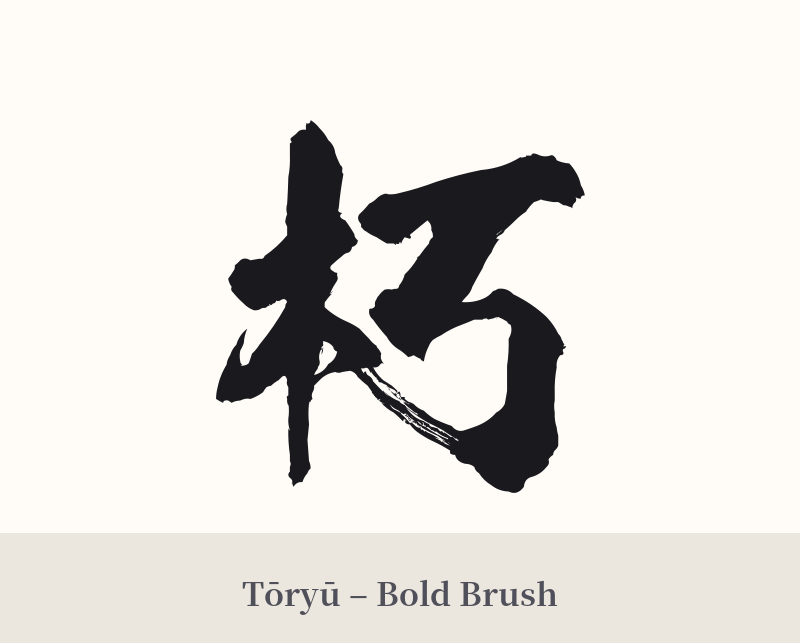
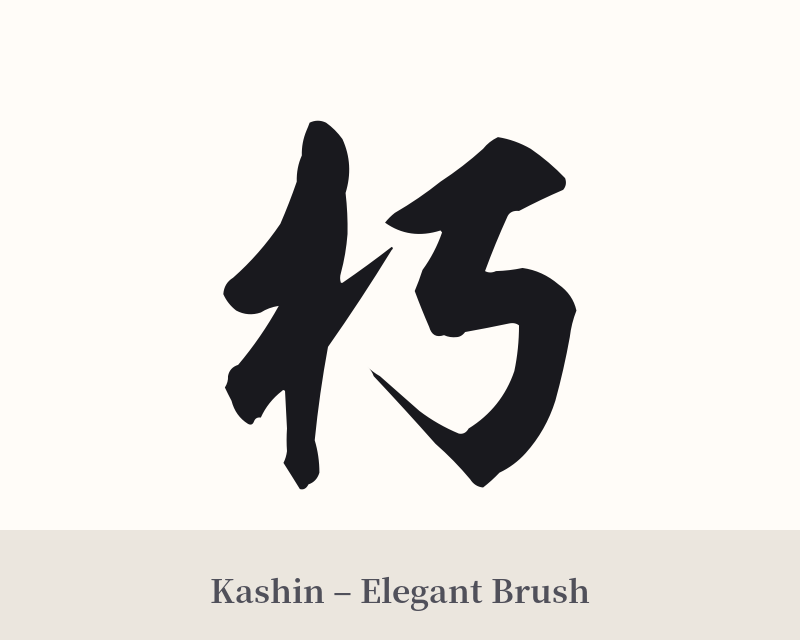
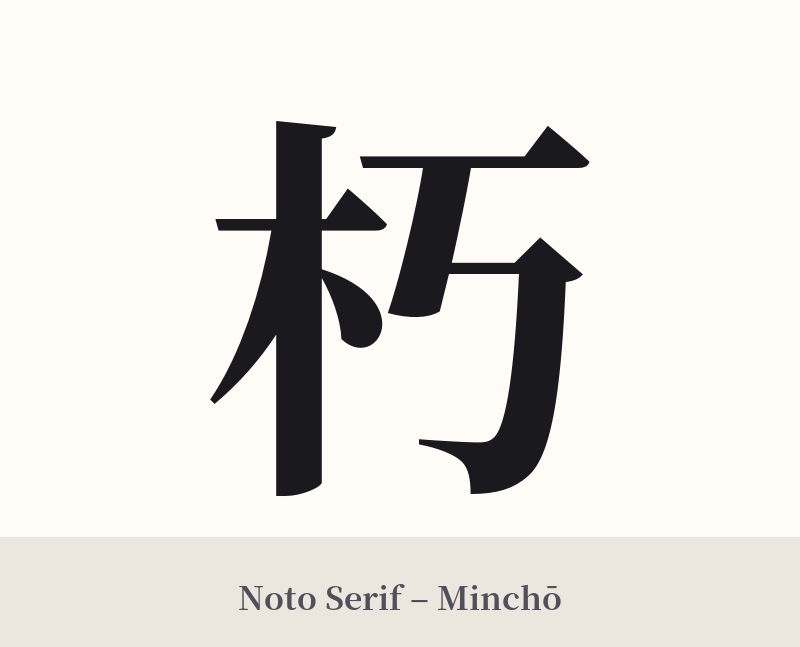
The same kanji can look dramatically different depending on the calligraphy style. Choose a font that matches the mood you want for your tattoo or design.
🎨 Tattoo Suitability
📐 Tattoo Design Guide
The kanji 朽 offers a minimalist yet profound design opportunity, best suited for those who appreciate its philosophical depth.
– Placement: Consider placements that suggest a story or a journey. The forearm allows for a clear, readable design. Along the ribs or spine can create a more private and personal statement. The back of the calf or ankle connects the idea of decay back to the earth.
– Font Style: The choice of font is critical. A rough, semi-cursive calligraphic style (Gyosho) can mimic the texture of weathered wood or crumbling stone. Conversely, a stark, clean Mincho-style font can emphasize the quiet, minimalist nature of the concept.
– Visual Tips: To enhance the meaning, consider integrating subtle elements. You could have the strokes themselves appear cracked or weathered. Another powerful idea is to place 朽 in proximity to a symbol of life, like a single green leaf or a blooming flower, to represent the entire cycle of life and decay.
Comments