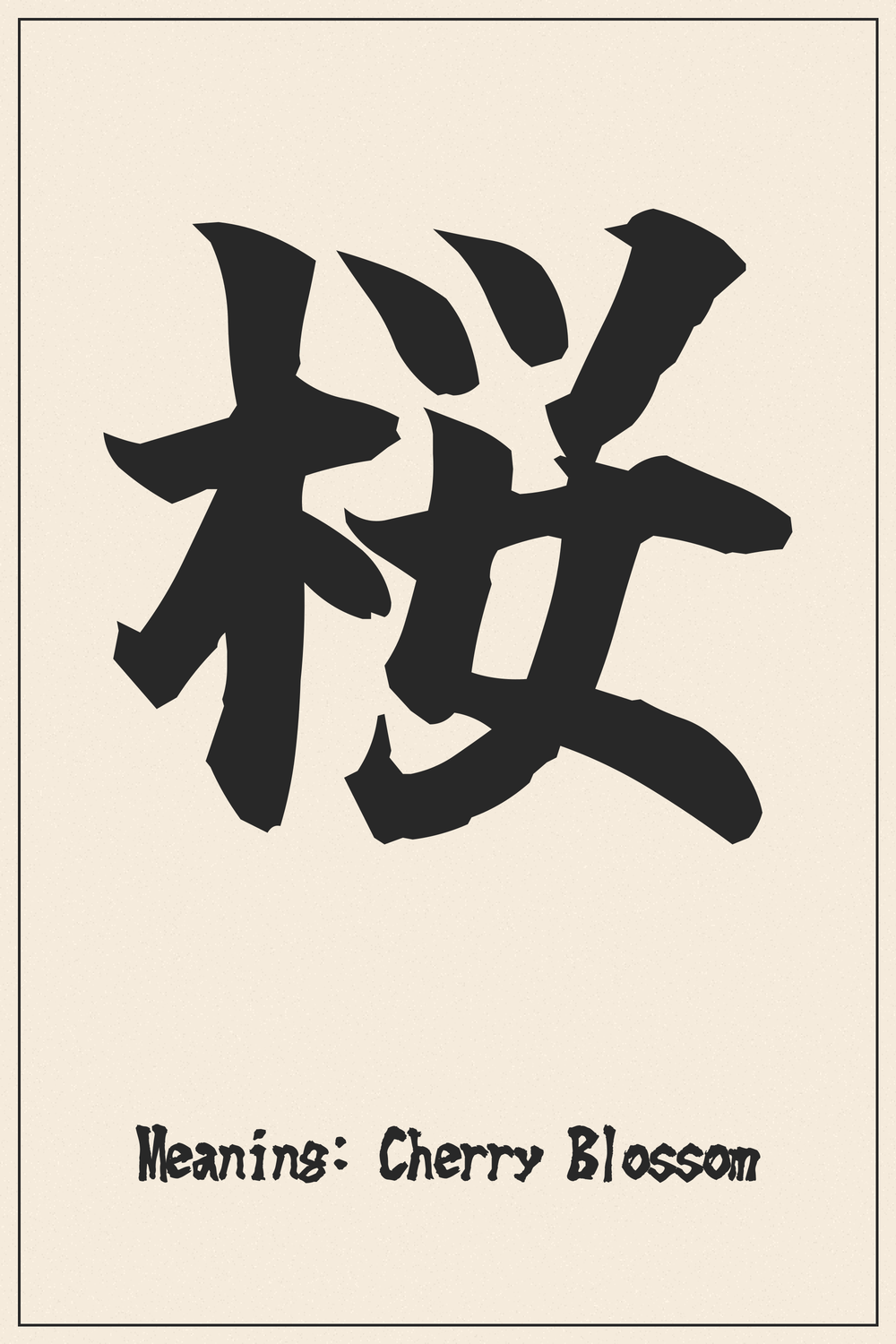
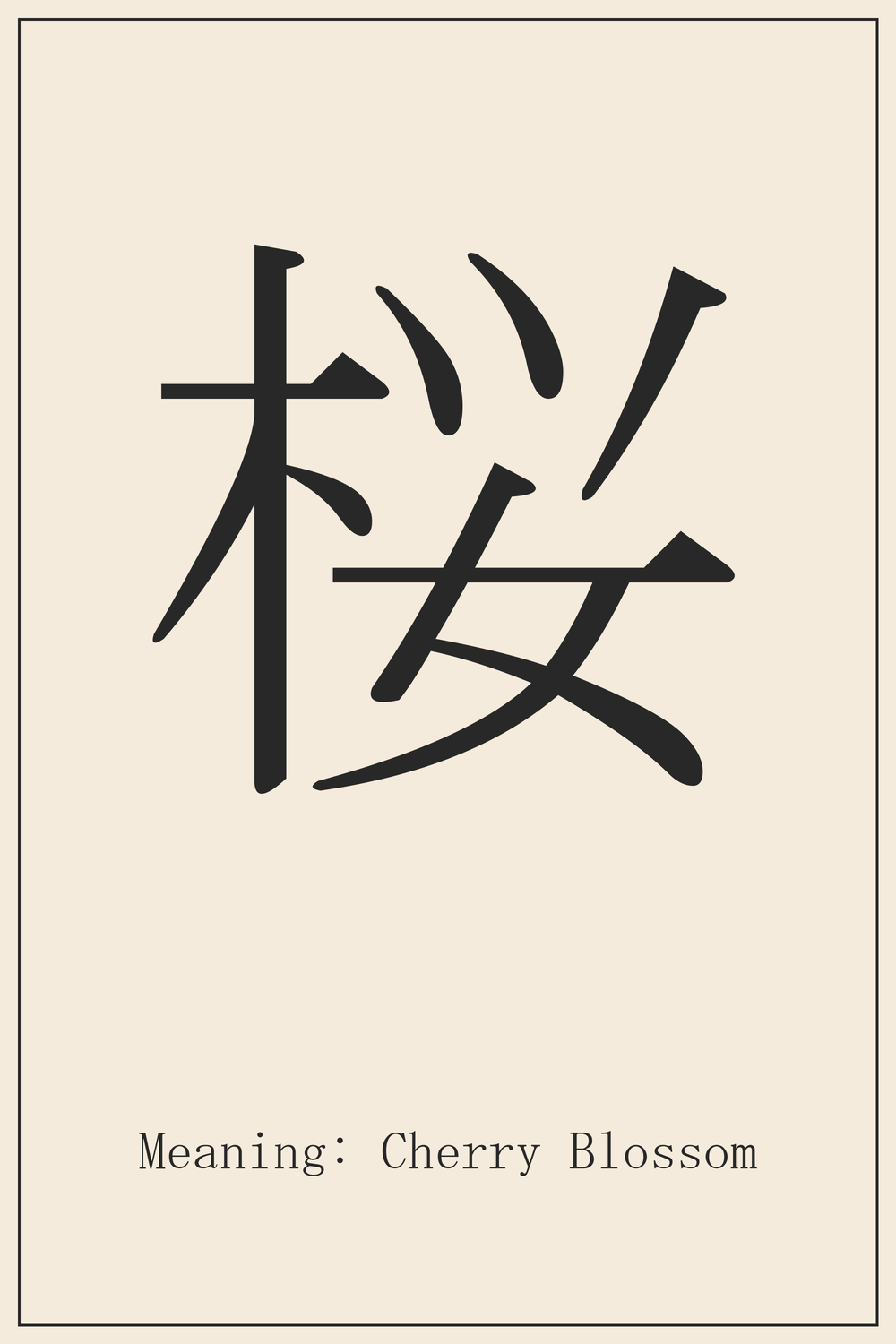
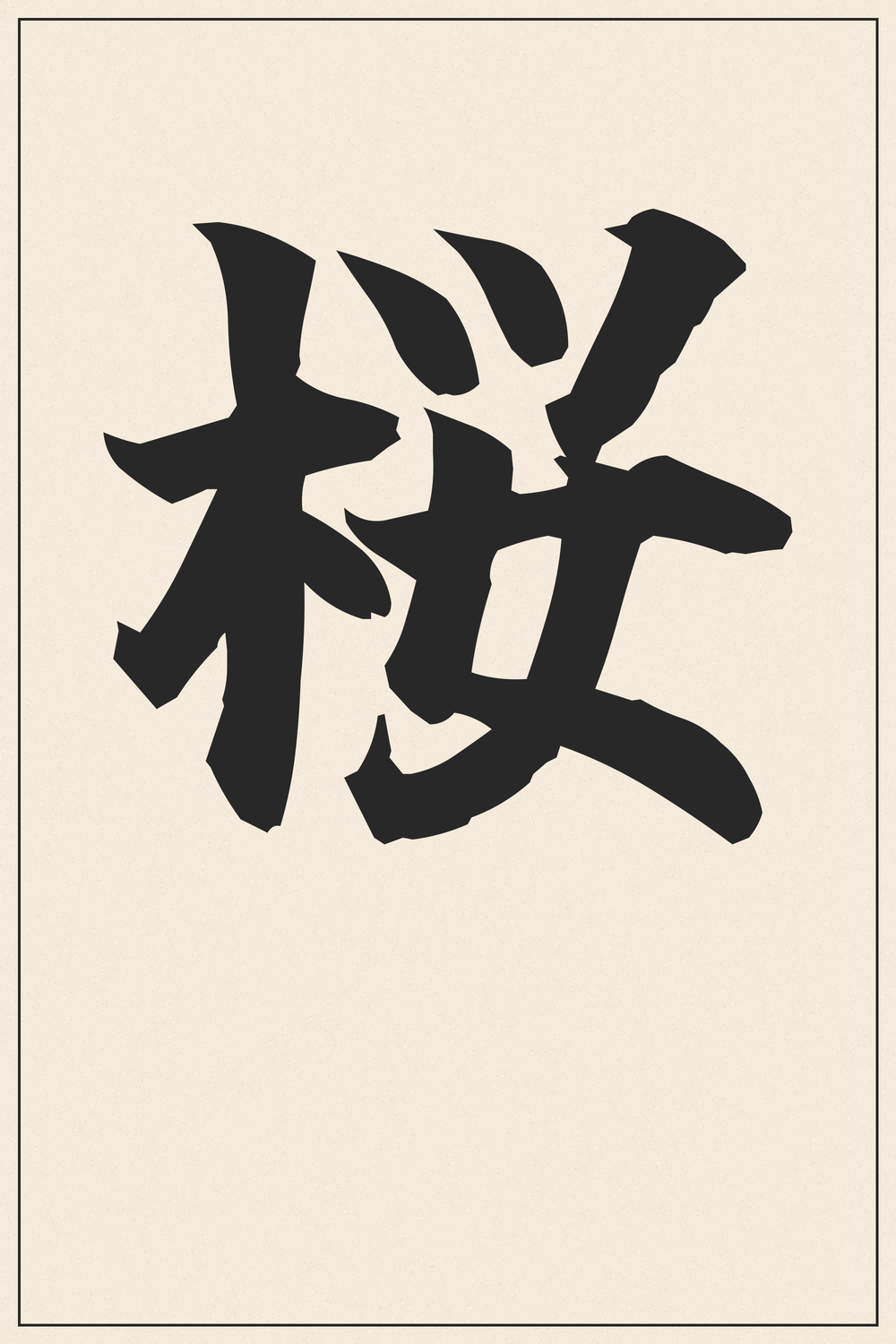
The Kanji 桜 encapsulates the profound beauty and transient nature of life, a central theme in Japanese aesthetics. It is a powerful symbol representing renewal, hope, and the poignant impermanence of existence.
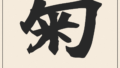
The atmosphere of a Kanji character changes dramatically depending on the font style. A character that looks elegant in a brush style might look bold and modern in a different font.
Recommendation:
Since a tattoo is permanent, we strongly recommend comparing various font styles beyond what is shown here. Use our designs as a trusted reference for the correct structure, but feel free to explore different artistic variations to find the perfect match for your vision.
The Deep Meaning Behind 桜
The Kanji 桜 (Sakura) refers to the cherry blossom, Japan’s national flower and a profound cultural symbol. It represents the arrival of spring and the concept of renewal.
In Japanese culture, the cherry blossom embodies mono no aware—the pathos of things. Because the flowers bloom spectacularly but fall quickly, they symbolize the beautiful yet fleeting nature of life. This imagery was deeply connected to the samurai class, who aspired to live brilliantly and face death with grace, much like a falling petal.
Kanji Breakdown
The character 桜 is the modern simplified form (Shinjitai) of the older character 櫻. Its components visually describe a beautiful tree.
Meaning: Tree, Wood. The radical on the left is 木, indicating that this character belongs to the category of trees and plants.
Meaning: Adornment / Woman. The right side of the modern character combines the radical 女 (Woman) with three strokes above it that resemble the Katakana ツ. Historically, this part represented a necklace or shells (adornments). In its modern form, it visually suggests a “tree” (木) that is as beautiful as a “woman” (女) adorned with jewels, perfectly describing the blossoming tree.
Conclusion
The Kanji 桜 is far more than just ‘cherry blossom’; it embodies a rich tapestry of Japanese philosophy, celebrating beauty, renewal, and the profound awareness of life’s fleeting moments. Its presence evokes the vibrant spirit of spring and the quiet acceptance of change.
Choosing 桜 for a tattoo is to embrace a symbol of timeless elegance and deep cultural resonance. It serves as a beautiful reminder to appreciate the present, cherish beauty, and acknowledge the natural cycles of life and death.
Comments