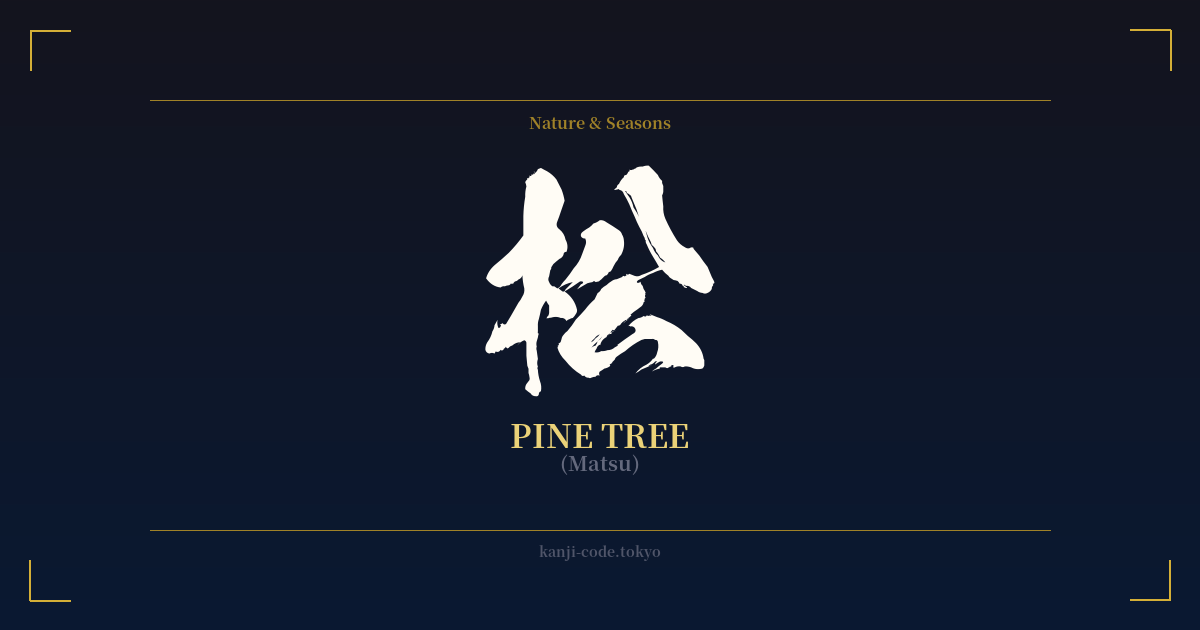
✍️ 松 (Matsu) — Cultural Context
The kanji 松 (matsu), representing the pine tree, is far more than a simple character for a plant. In Japanese culture, it is a profound symbol, saturated with centuries of meaning related to longevity, endurance, and virtuous character.
Its evergreen nature is the foundation of this symbolism. While other trees shed their leaves in the face of winter's harshness, the pine remains green and steadfast. This simple botanical fact transformed the tree into a powerful metaphor for resilience and the ability to withstand adversity without losing one's essence. To see a pine is to be reminded of strength in the face of hardship.
This symbolism is most famously captured in the concept of the 'Three Friends of Winter' (松竹梅, Shōchikubai): pine, bamboo, and plum. This trio represents perseverance and resilience, as all three plants flourish during the cold months. The pine stands for endurance, the bamboo for flexibility and strength, and the plum blossom for being the first to bloom, heralding the coming of spring. This grouping is a common motif in art, poetry, and design, signifying fortitude and hope.
The pine tree is also inextricably linked to the New Year, a time of renewal and hope for good fortune. The most visible example is the kadomatsu (門松), a traditional decoration placed in pairs at the entrance of homes and businesses. These arrangements of pine and bamboo are meant to serve as a temporary dwelling (yorishiro) for the toshigami, the New Year's deity, welcoming ancestral spirits and ensuring a bountiful year ahead.
In the world of Japanese aesthetics, the pine holds a revered place. Gnarled, ancient pines are celebrated in landscape painting, ukiyo-e prints, and traditional garden design. They are not merely depicted but sculpted and trained over decades to evoke a sense of wabi-sabi—the beauty of imperfection, age, and transience. The iconic painted pine on the back wall of a Noh theater stage, the kagami-ita, serves as a constant, sacred backdrop connecting the human drama to the divine and natural worlds.
Within Shintoism, ancient pines are often considered sacred, sometimes encircled with a shimenawa (a sacred rope) to denote them as yorishiro, natural objects capable of attracting and housing kami (gods or spirits). To stand before such a tree is to feel a connection to something timeless and divine, a living pillar between heaven and earth.
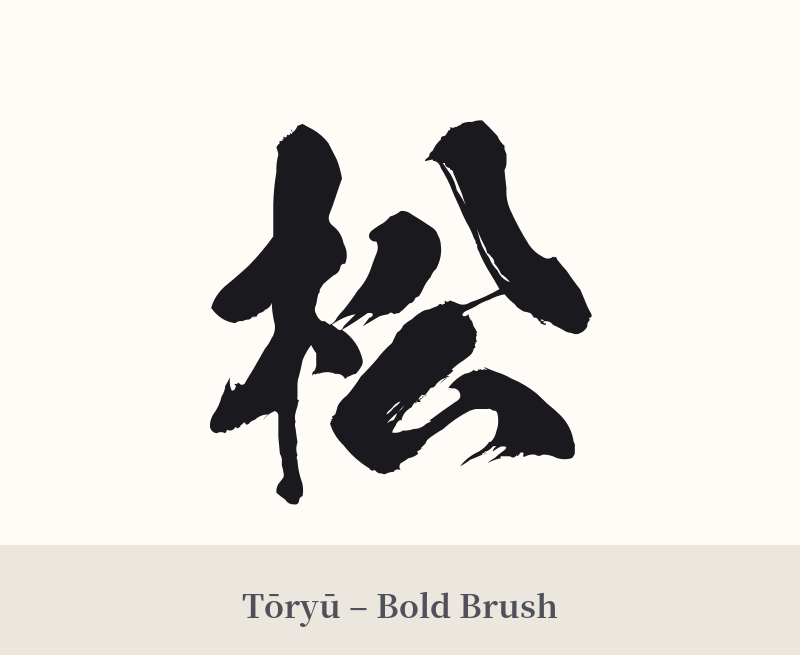
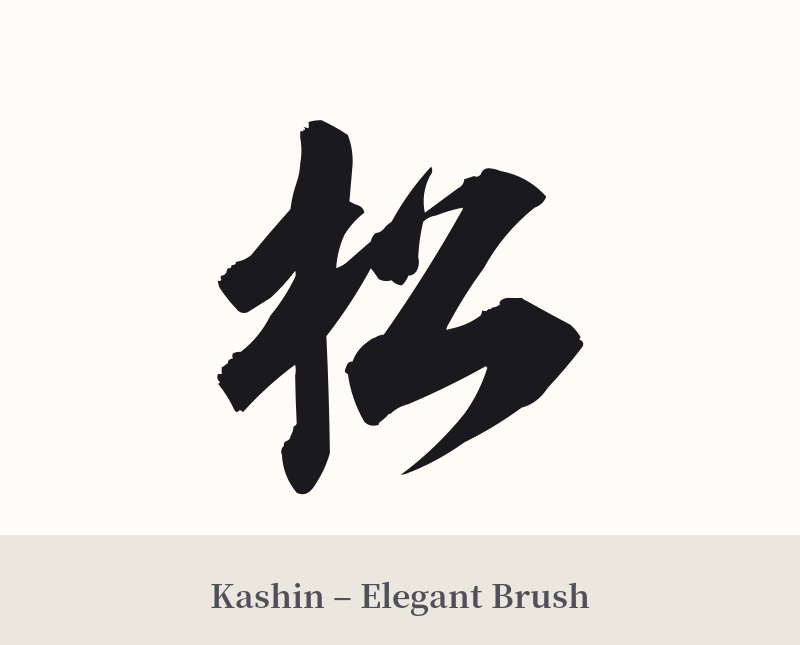
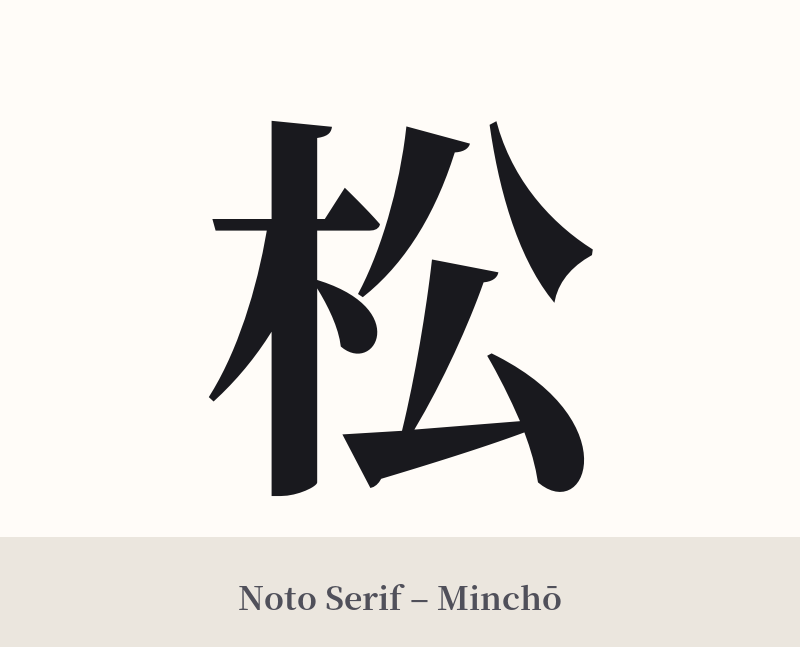
🖌️ Font Styles for 松
The same kanji can look dramatically different depending on the calligraphy style. Choose a font that matches the mood you want for your tattoo or design.
🎨 Tattoo Suitability
📐 Tattoo Design Guide
The kanji 松 (Matsu) is a versatile and visually appealing character for a tattoo, lending itself to a variety of styles and placements.
For placement, its balanced and slightly vertical structure works well on the forearm, calf, or along the spine. It can also be a powerful statement piece on the back shoulder or ribcage, allowing for more space to integrate it with other elements.
– Font Style: Consider a cursive or semi-cursive script like Sosho or Gyosho. These fluid styles can evoke the organic, windswept shape of a pine tree itself, adding a layer of artistic expression. – Traditional Block: For a statement of strength and stability, the standard Kaisho (block) script is an excellent choice. Its clear, strong lines emphasize the kanji's inherent meaning of endurance. – Integration: This kanji pairs beautifully with imagery. Consider a design where the character is integrated into a sumi-e (ink wash) style landscape, perhaps with a crane or turtle to amplify the theme of longevity. – Subtle Accents: For a more minimalist approach, the kanji could be tattooed with a single, elegantly drawn pine needle or a small pinecone beside it, reinforcing the visual theme without overwhelming the character.
Comments