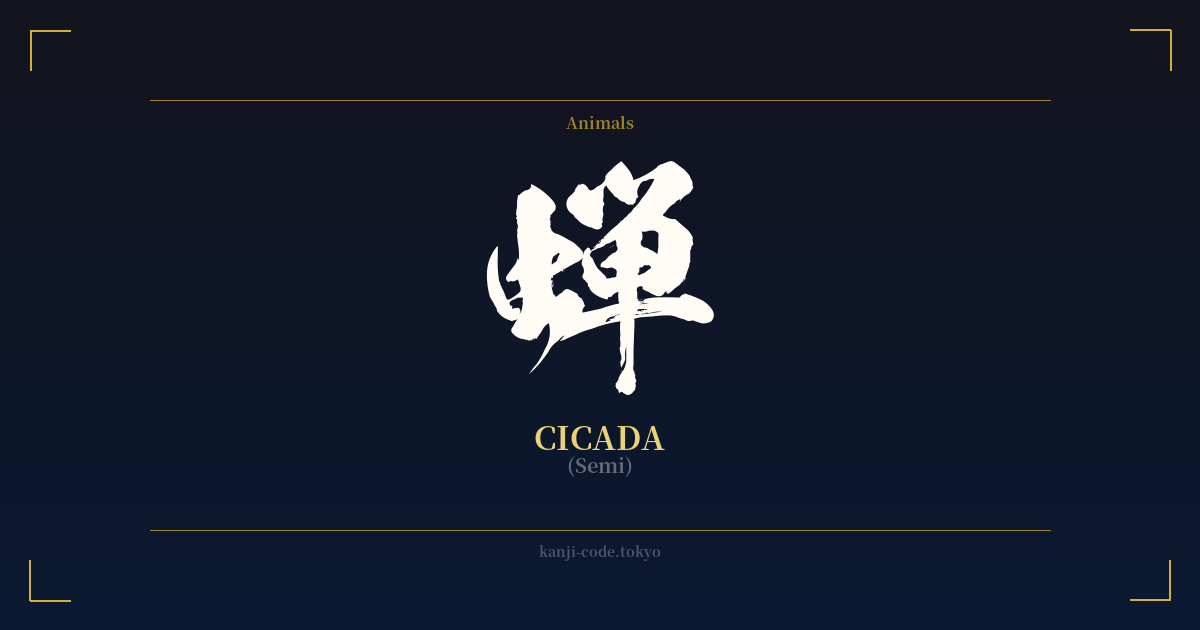
✍️ 蝉 (Semi) — Cultural Context
In Japan, the sound of the cicada (蝉, semi) is the sound of summer itself. The relentless, buzzing chorus that fills the air during the hottest months is a powerful 'fūbutsushi' (風物詩) — a feature that evokes a specific season. But beyond being a simple marker of time, the cicada carries deep cultural and philosophical weight.
The life cycle of the cicada is a profound metaphor for transience, a central theme in Japanese aesthetics known as 'mono no aware' (物の哀れ), the pathos of things. Cicadas spend years underground as nymphs, only to emerge for a few short, loud weeks to mate before dying. This brief, intense existence in the sun has made them a symbol of the ephemeral nature of life, beauty, and even youth.
This symbolism is deeply woven into Japanese literature, particularly haiku. The famous poet Matsuo Bashō captured this feeling perfectly:
閑さや / 岩にしみ入る / 蝉の声 Shizukasa ya / iwa ni shimiiru / semi no koe
Stillness— / the cicada's cry / sinks into the rocks.
Here, the loud cry of the cicada paradoxically deepens the silence and heat of a summer day, highlighting a single moment in the vastness of time. The shell (抜け殻, nukegara) a cicada leaves behind after molting is also a potent symbol of transformation, rebirth, or casting off the physical form, a concept with roots in ancient Chinese Taoist beliefs about immortality.
In modern Japanese media, from the films of Studio Ghibli like 'Grave of the Fireflies' to countless anime and video games, the drone of cicadas is used to create an atmosphere of intense heat, nostalgia, tension, or the slow passage of time in the countryside. It can signal a flashback to a childhood summer or create an unsettling backdrop for a dramatic event. Therefore, the single character 蝉 is not just an insect; it's a vessel for complex emotions about life, death, and the fleeting beauty of the moments in between.
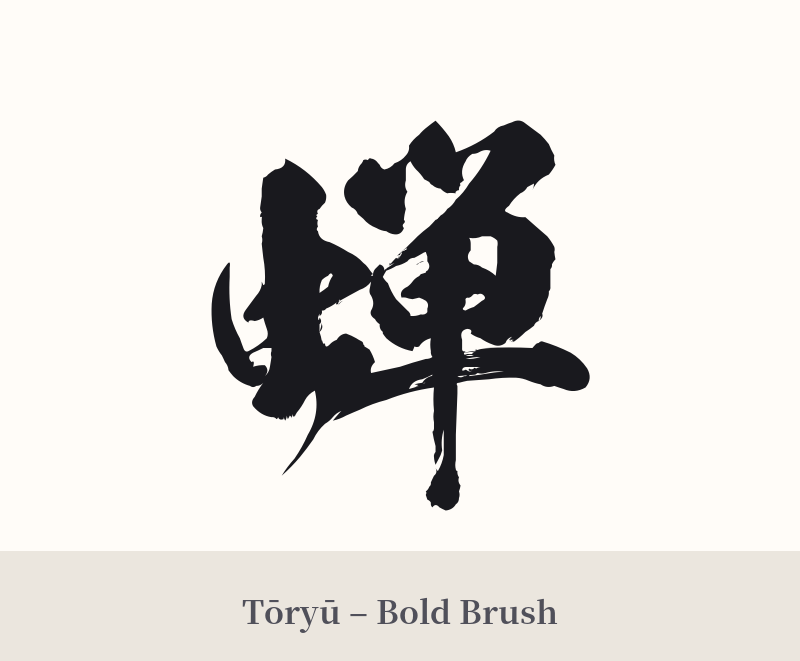
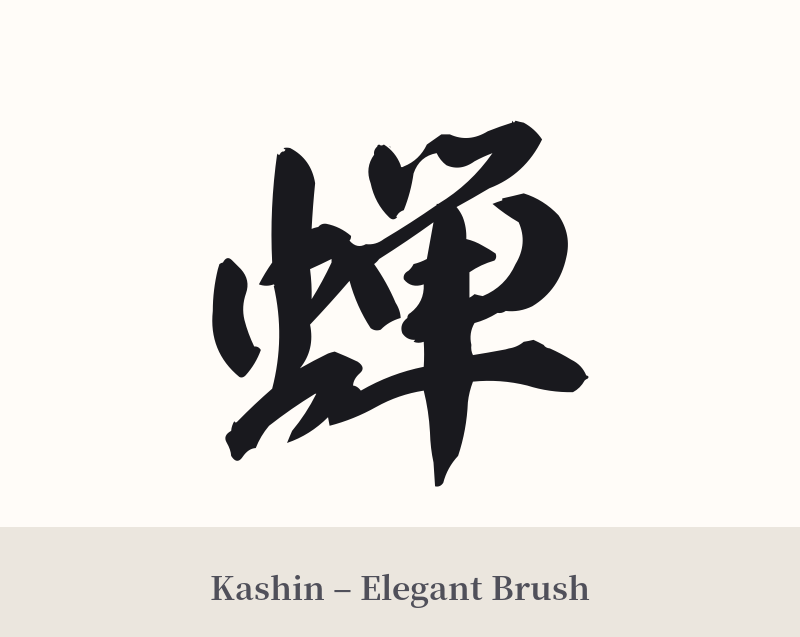
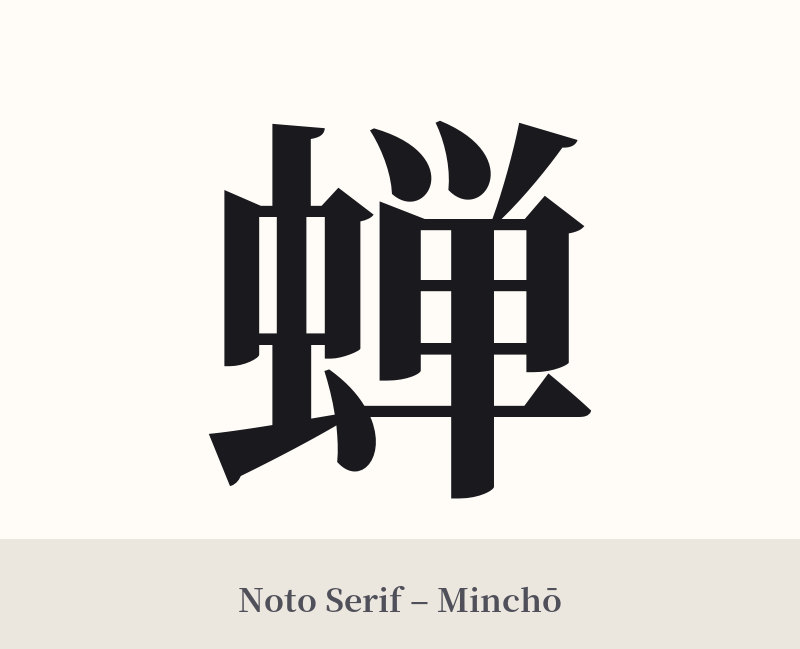
🖌️ Font Styles for 蝉
The same kanji can look dramatically different depending on the calligraphy style. Choose a font that matches the mood you want for your tattoo or design.
🎨 Tattoo Suitability
📐 Tattoo Design Guide
The kanji 蝉 is intricate, so design choices are crucial for a successful tattoo.
– Placement: Choose a flat, spacious area to allow for detail. The forearm, calf, or upper back are excellent choices. Avoid small areas like the wrist or ankle, as the lines will likely blur together.
– Font Style: A clear, crisp script is essential. A standard Kaisho (block) style or a clean Mincho style will ensure each stroke is defined. For a more artistic take, a skilled artist could attempt a Gyosho (semi-cursive) style, but this increases the risk of illegibility if not done perfectly.
– Visual Companions: Consider pairing the kanji with a visual element to enhance its meaning. A tattoo could feature the kanji alongside a realistic illustration of a cicada, its empty shell clinging to a branch, or against a backdrop of a setting sun to emphasize the end of summer and life.
Comments