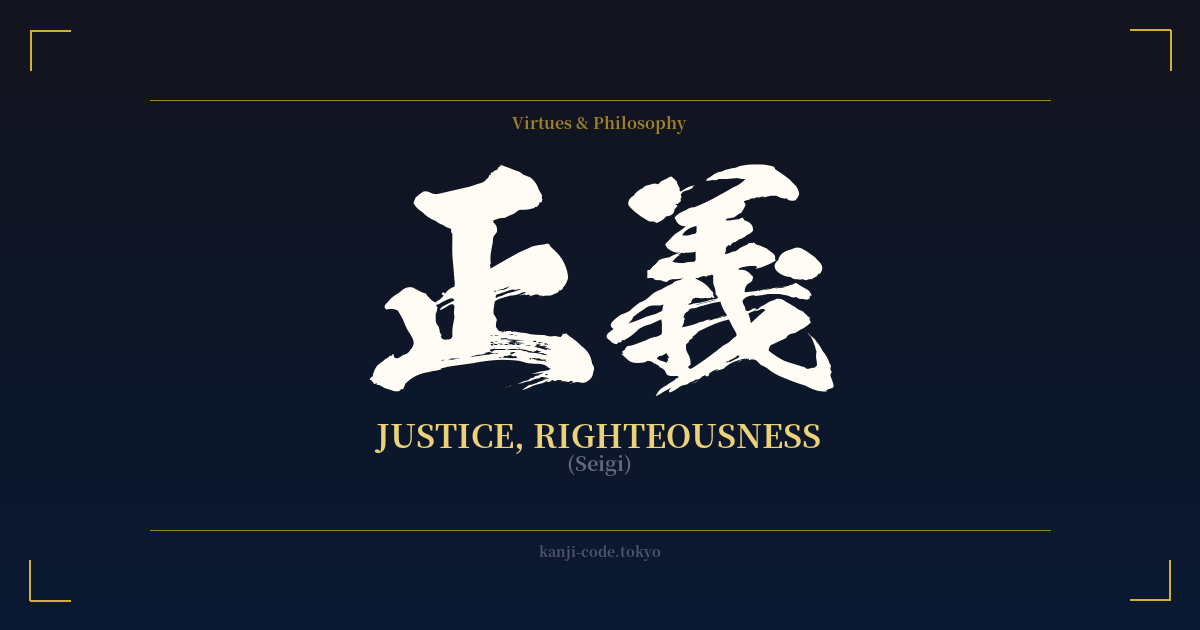
✍️ 正義 (Seigi) — Cultural Context
The Japanese word 正義 (Seigi) translates to 'justice' or 'righteousness,' but its cultural resonance goes far deeper than a simple dictionary definition. It’s a concept woven into the fabric of Japanese philosophy, history, and modern pop culture. Unlike the often legalistic or procedural Western idea of 'justice,' Seigi carries a strong moral and personal dimension. It’s not just about laws being upheld; it's about what is morally correct and righteous on a fundamental level.
The word itself is a combination of two powerful kanji: 正 (sei), meaning 'correct,' 'proper,' or 'straight,' and 義 (gi), meaning 'righteousness,' 'morality,' or 'honor.' This pairing suggests that true justice is a straight path, an unwavering commitment to what is morally right. This idea has deep roots in Confucian ethics, which heavily influenced the samurai code of Bushidō. For a samurai, 義 was a core tenet, representing the duty to do the right thing, even at great personal cost. It was a moral obligation to one's lord, family, and society.
In modern Japan, 正義 remains a potent concept. It's used in legal discussions, of course, but it's more frequently heard in conversations about personal ethics and social issues. The question of what is truly 'seigi' is a common theme in debates, reflecting a collective desire to find the morally correct path. This is perhaps most visible in Japanese pop culture. Countless manga, anime, and video games use 正義 as a central theme. Heroes are often driven by a personal sense of 'seigi,' while villains may operate under their own twisted version of it. This trope explores the subjectivity of justice and asks a compelling question: 'Whose justice is correct?' Characters from series like 'Death Note' or 'My Hero Academia' constantly grapple with the meaning of their actions and whether they align with true righteousness, making 正義 a familiar and thought-provoking word for many Japanese people.
🖌️ Font Styles for 正義
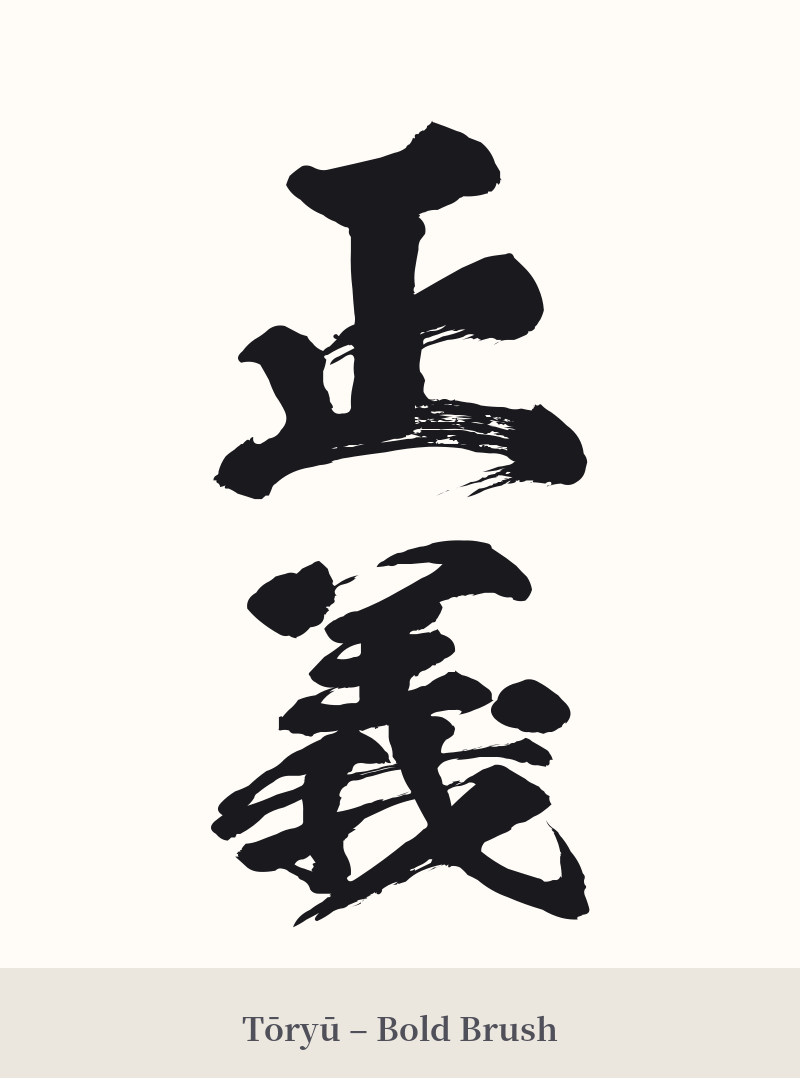
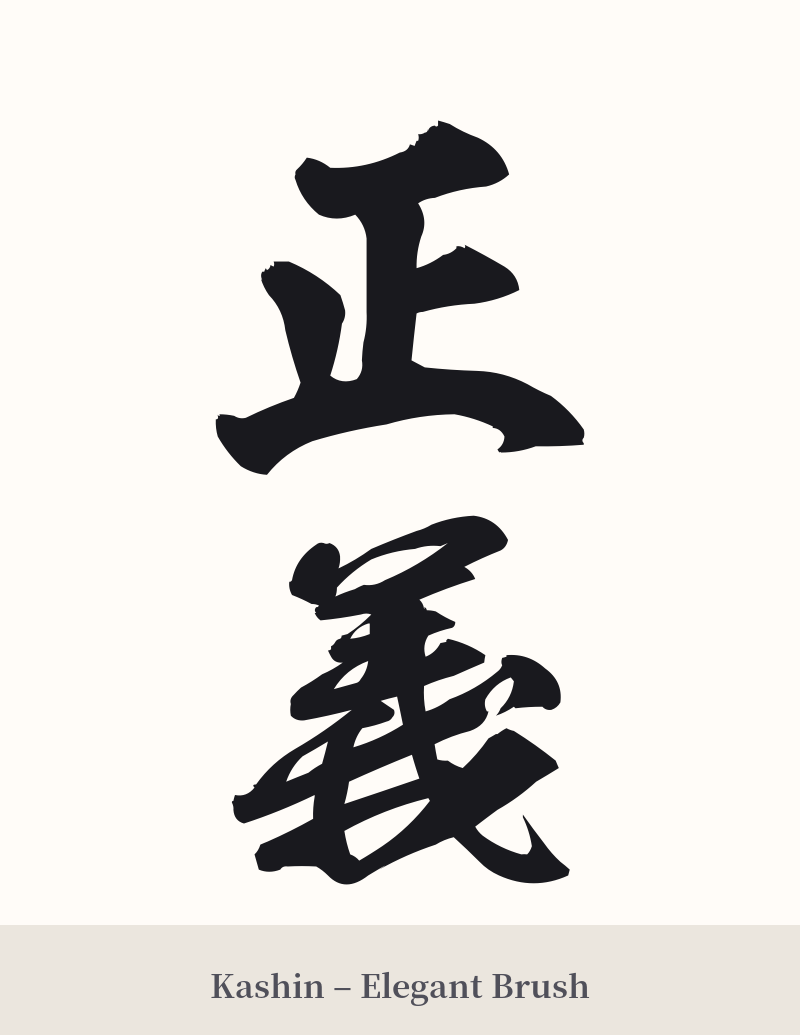
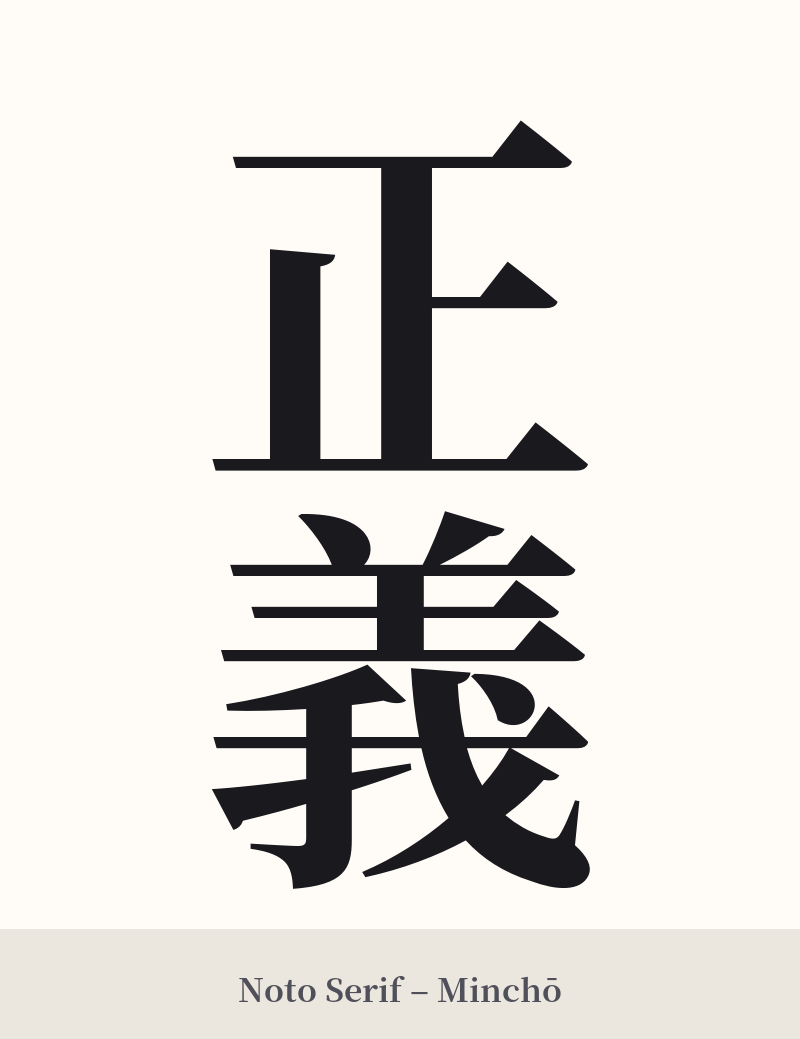
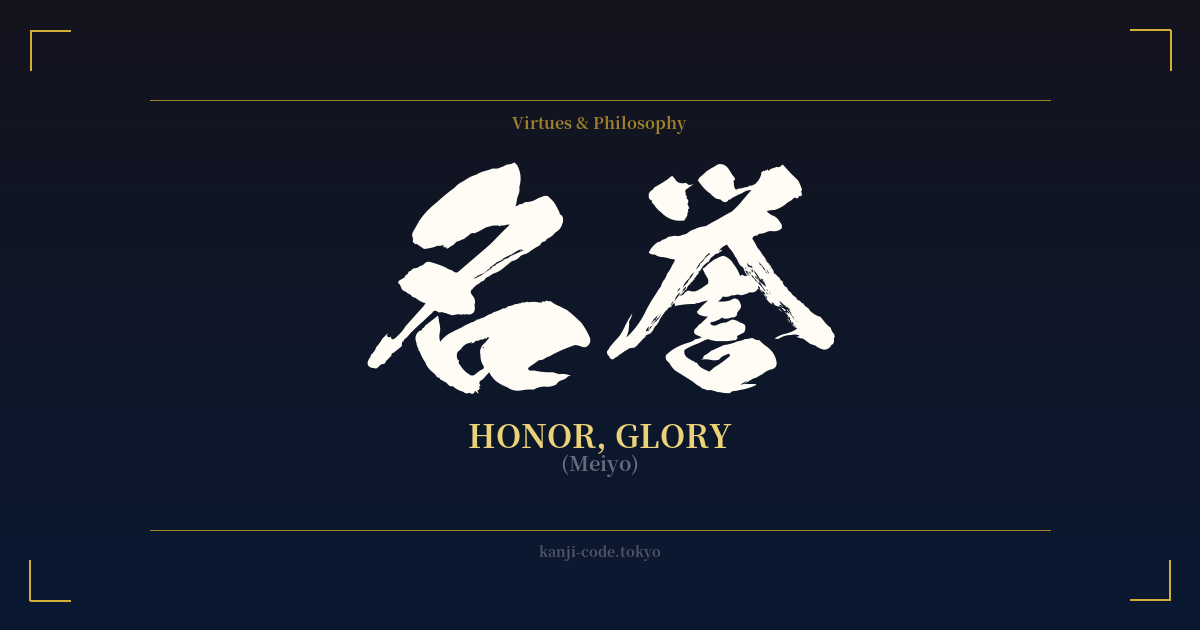
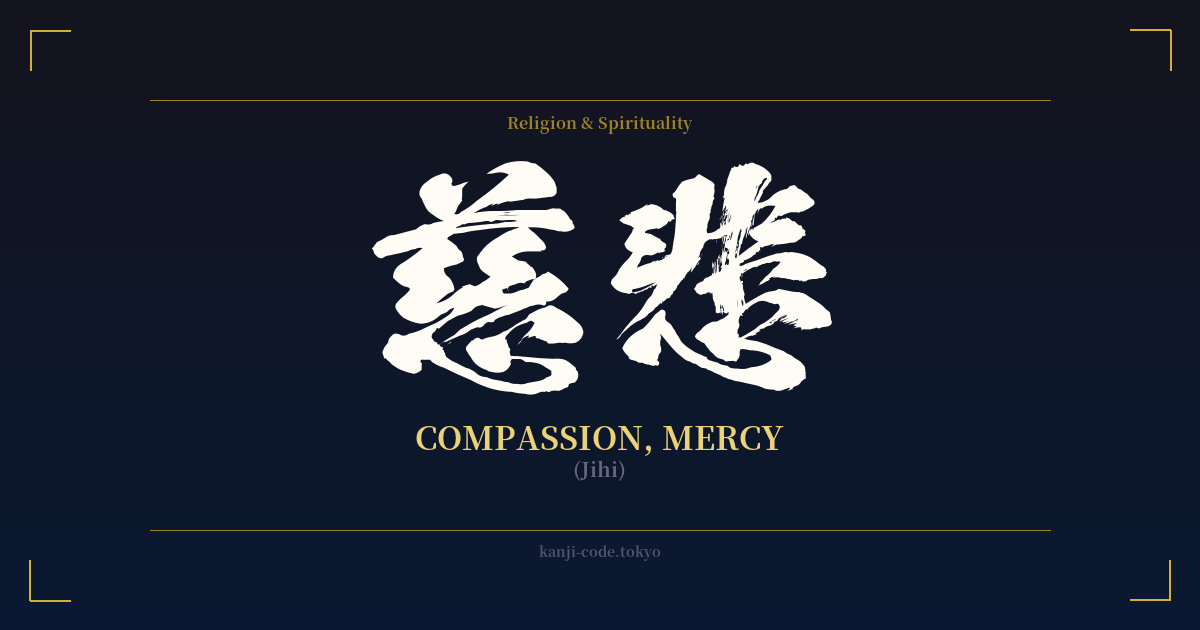
The same kanji can look dramatically different depending on the calligraphy style. Choose a font that matches the mood you want for your tattoo or design.
🎨 Tattoo Suitability
📐 Tattoo Design Guide
For a 正義 tattoo, the design should reflect the strength and clarity of the concept. The two characters work well both vertically and horizontally, giving you flexibility in placement.
– Vertical Placement: This is the most traditional orientation. It looks powerful running down the forearm, along the spine, on the side of the ribcage, or down the calf.
– Horizontal Placement: This works well across the chest, on the upper back below the neck, or on the inner bicep.
– Font Styles: A bold, angular Kaisho (block script) font emphasizes the 'unwavering' and 'correct' nature of justice. For a more personal and fluid feel, a Gyosho (semi-cursive) or Sosho (cursive) brushstroke style can represent justice as a dynamic, living principle rather than a rigid rule.
– Visual Embellishments: Consider pairing the kanji with symbolic imagery. A sword can represent the enforcement of justice, while scales can symbolize balance and fairness. A background of an Enso circle could signify the wholeness and completeness of true righteousness.
Comments