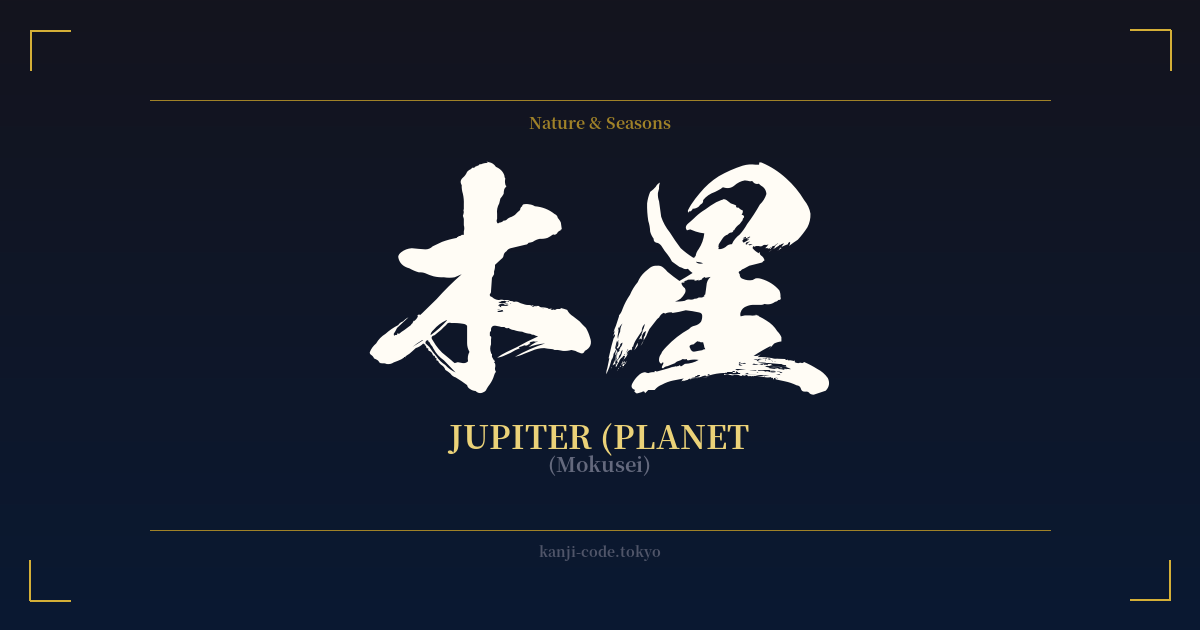
✍️ 木星 (Mokusei) — Cultural Context
The Japanese word for Jupiter, 木星 (Mokusei), offers a fascinating glimpse into how ancient Eastern philosophy shaped the language of astronomy. Unlike the Western tradition of naming planets after Roman gods, the Japanese names for the five classical planets are derived from the ancient Chinese theory of the Five Elements, known as Wu Xing in Chinese and Gogyō (五行) in Japanese.
This system connects all natural phenomena to five core elements: Wood (木), Fire (火), Earth (土), Metal (金), and Water (水). Each element corresponds to a direction, a season, a color, and various other aspects of the universe. The planets visible to the naked eye were observed and assigned an element that was thought to reflect their character and influence.
Jupiter, being the largest planet in our solar system, was associated with the element of Wood (木). In Gogyō philosophy, Wood symbolizes growth, expansion, generosity, and vitality. It represents the season of spring, when life bursts forth, and the direction east, where the sun rises. This association beautifully captures Jupiter's immense size and its commanding presence in the night sky. Thus, it became known as the 'Wood Star' or 木星 (Mokusei).
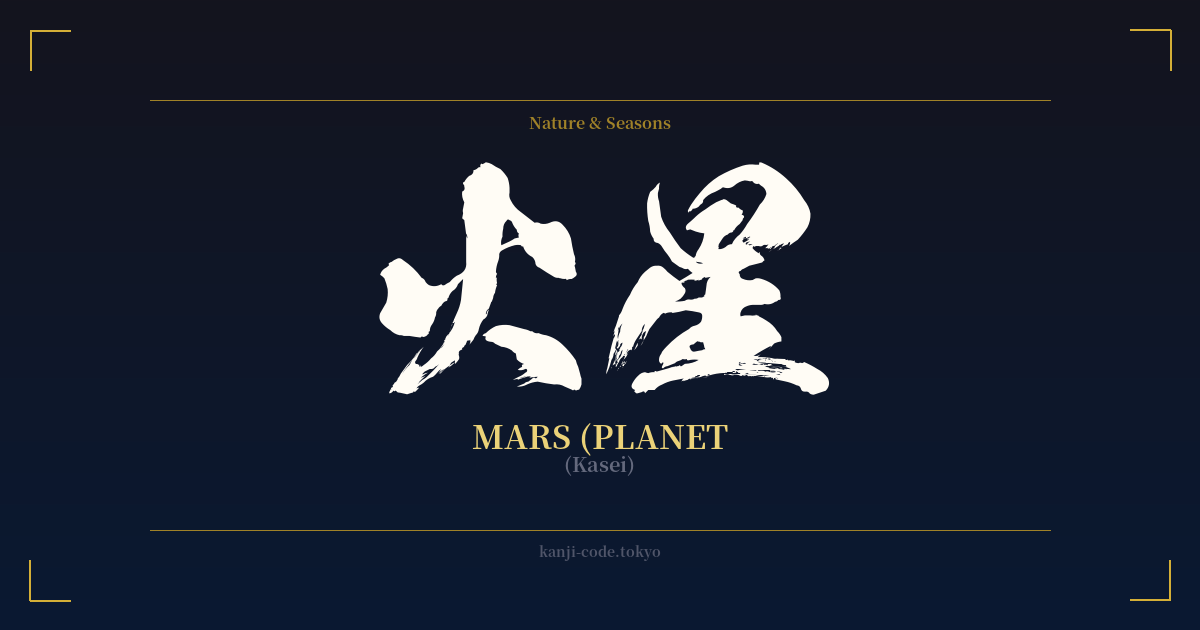
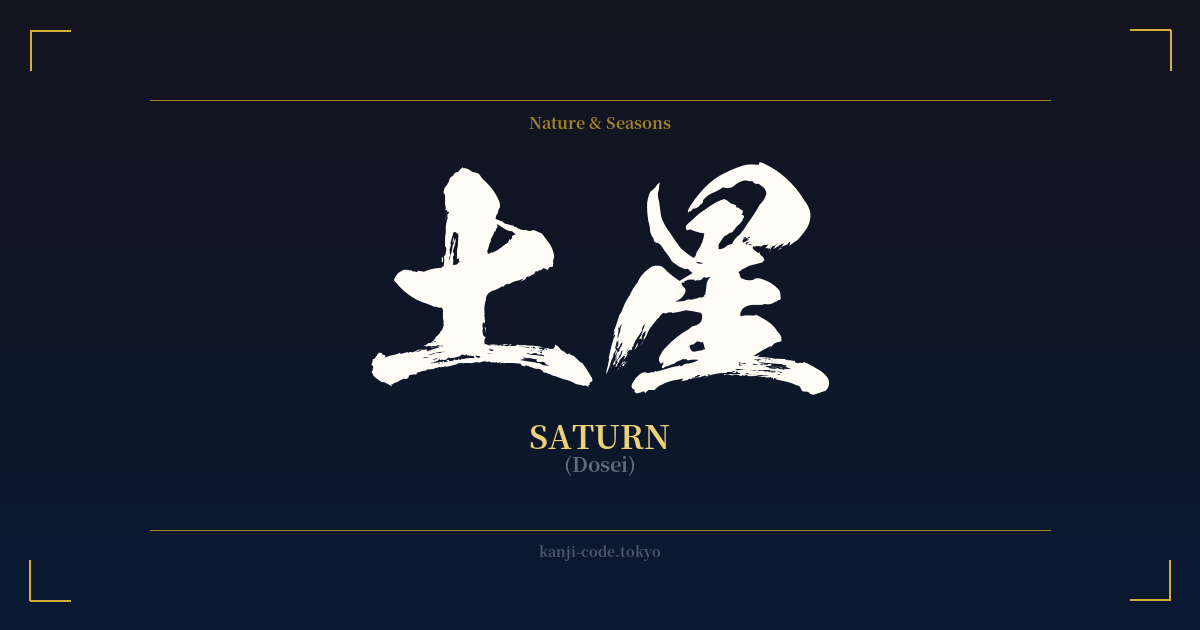
This naming convention extends to the other planets. Mars, with its reddish hue, is 火星 (Kasei), the 'Fire Star.' Saturn is 土星 (Dosei), the 'Earth Star,' perhaps for its steady, grounded appearance. Venus is 金星 (Kinsei), the 'Metal/Gold Star,' and Mercury is 水星 (Suisei), the 'Water Star.' This elemental framework provides a holistic, interconnected view of the cosmos that contrasts sharply with the mythological narratives of Western astrology.
In modern Japan, 木星 is simply the standard astronomical term for Jupiter. However, its elemental roots are not entirely forgotten. In popular culture, such as the famous anime series Sailor Moon, the character Sailor Jupiter (whose Japanese name is Kino Makoto, containing the kanji for 'wood') wields powers related to plants and lightning, a nod to the life-giving and powerful nature of the Wood element. Choosing 木星 is to embrace a name that bridges ancient philosophy with modern science.
🖌️ Font Styles for 木星
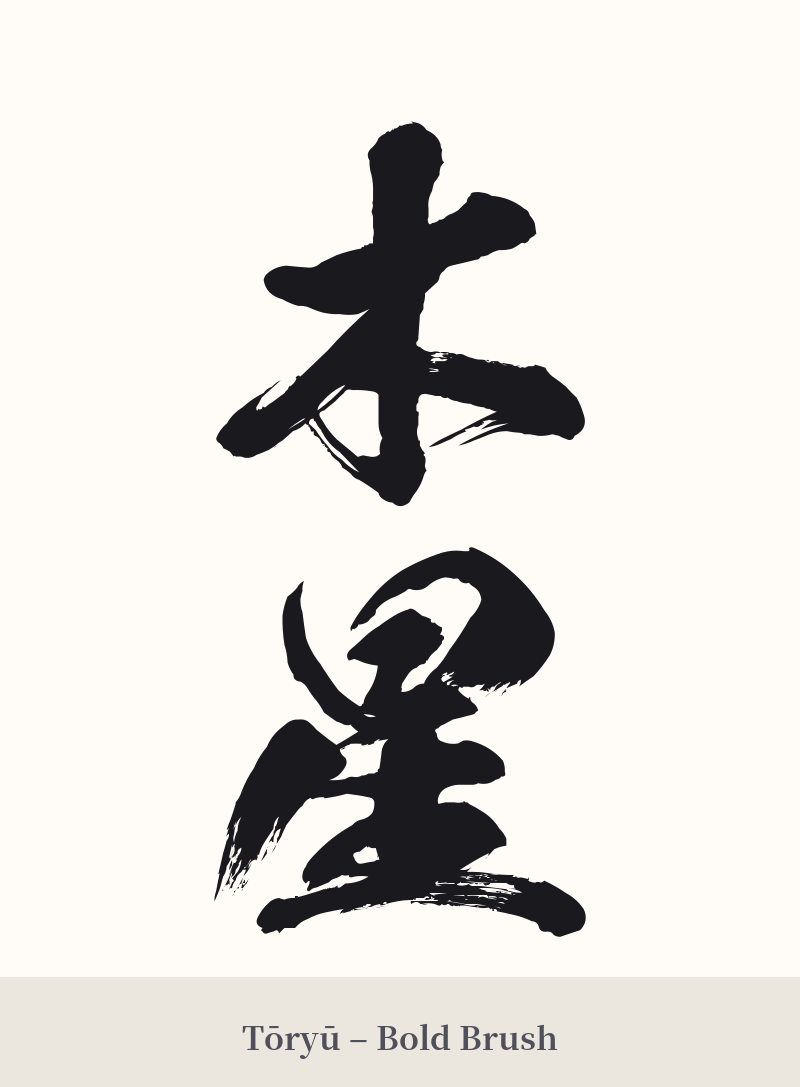
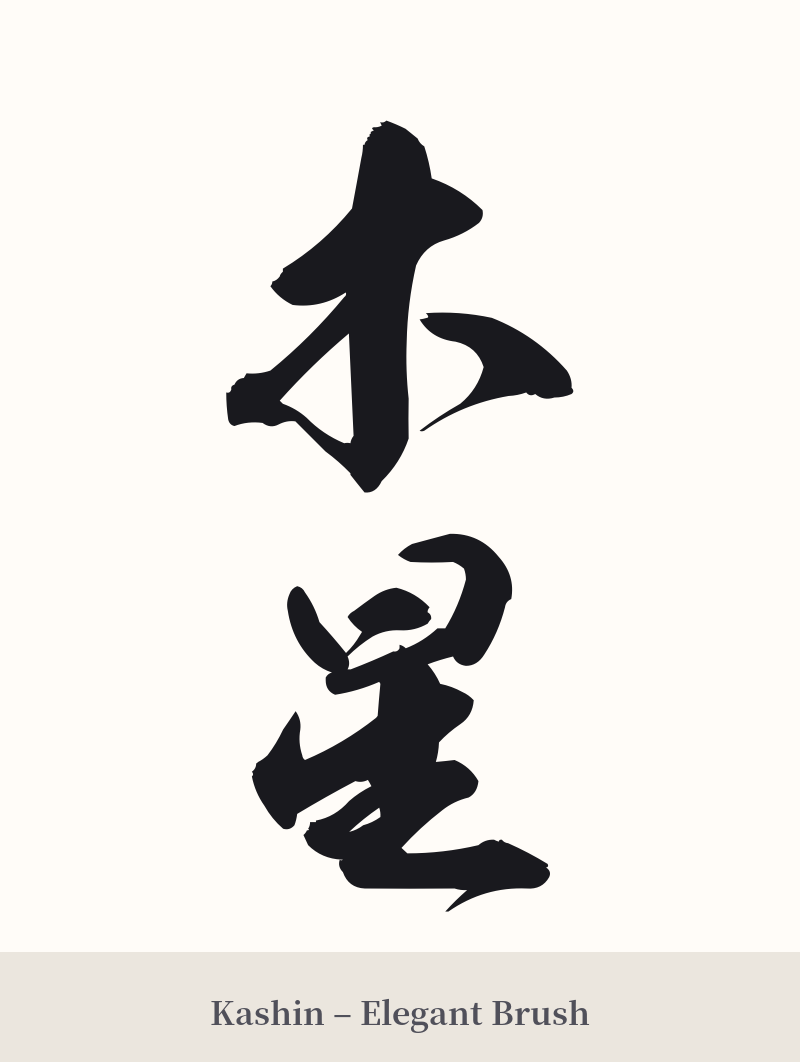
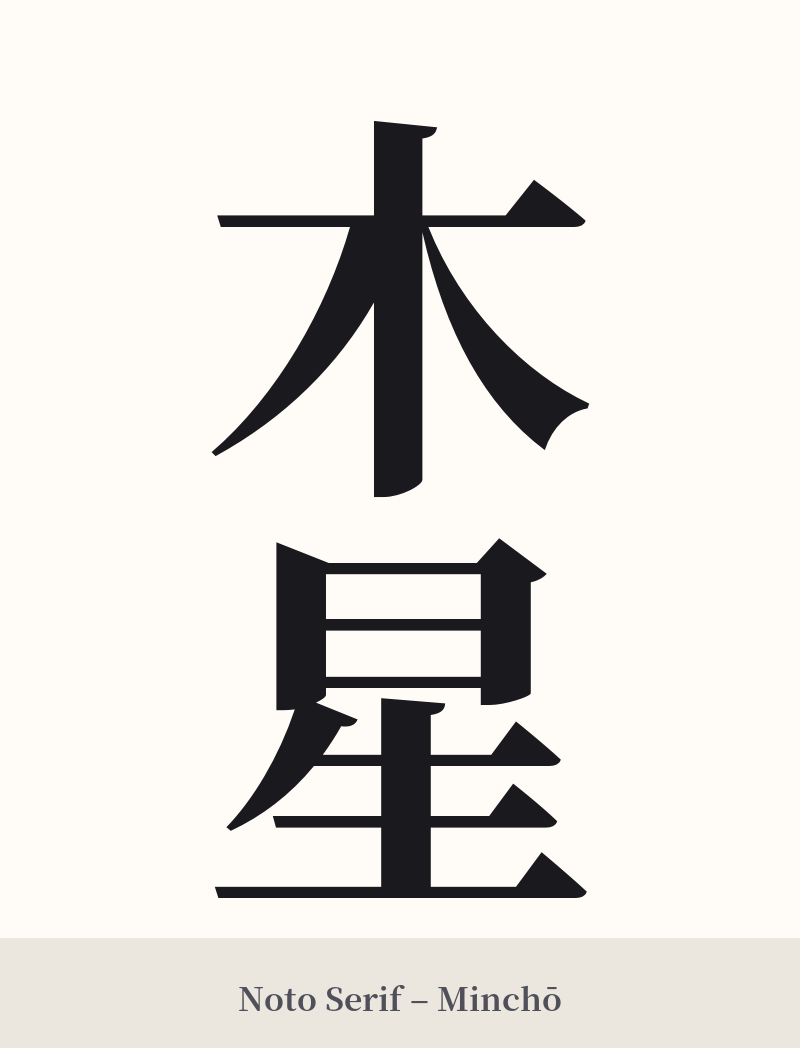
The same kanji can look dramatically different depending on the calligraphy style. Choose a font that matches the mood you want for your tattoo or design.
🎨 Tattoo Suitability
📐 Tattoo Design Guide
For a 木星 tattoo, the balance between the simple 'Wood' character and the more detailed 'Star' character offers great design flexibility.
– Placement: A vertical orientation is classic and looks excellent along the forearm, calf, or spine. A horizontal layout works well on the chest or across the back of the shoulders.
– Font Style: For a strong, impactful look, a bold Kaisho (block script) or Gothic Mincho style emphasizes the kanji's structure. For a more artistic and fluid feel, a Gyōsho (semi-cursive) script can evoke the swirling atmosphere of the planet itself.
– Visual Elements: Consider pairing the kanji with related imagery. You could subtly integrate the symbol for Jupiter (♃), a stylized bonsai tree to represent the 'Wood' element, or a simple star chart background. The design could even incorporate flowing lines that hint at the gas giant's famous stripes and Great Red Spot.
Comments